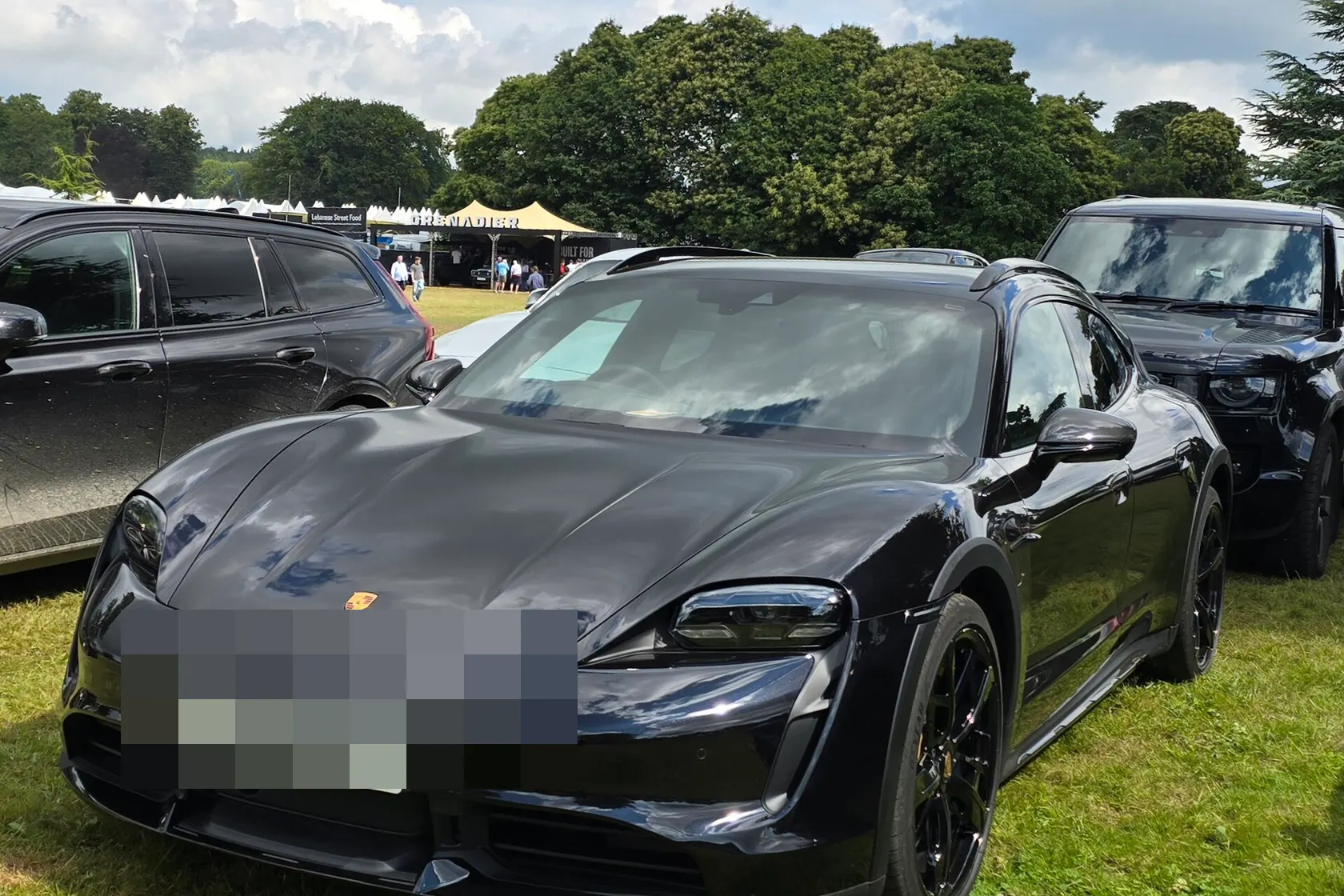
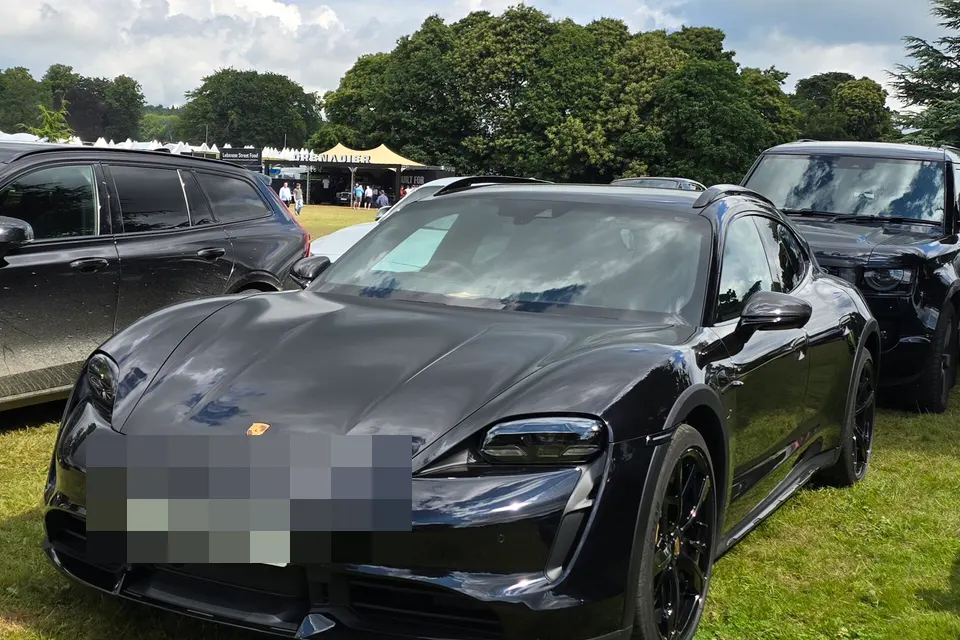
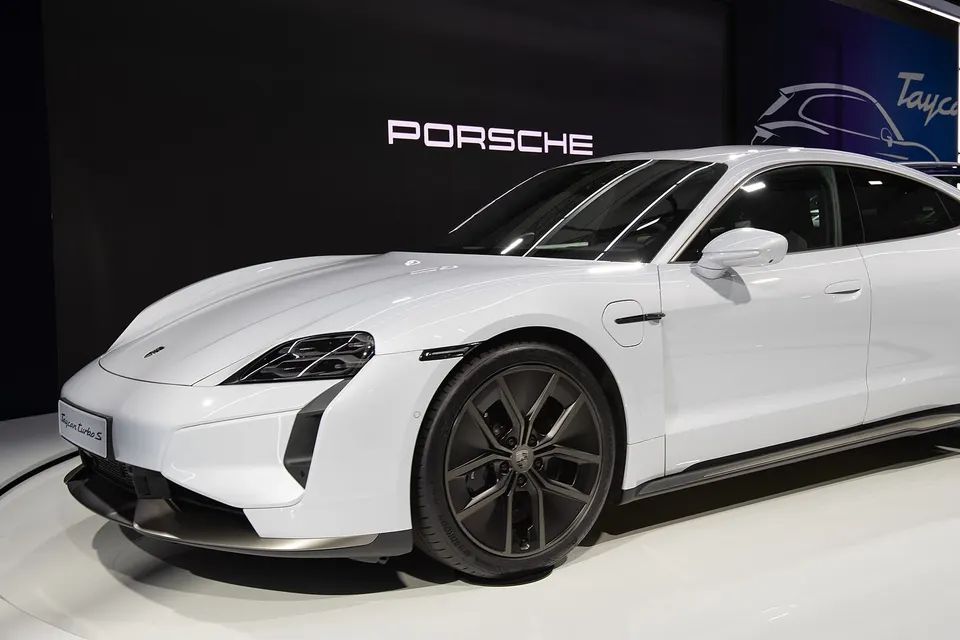
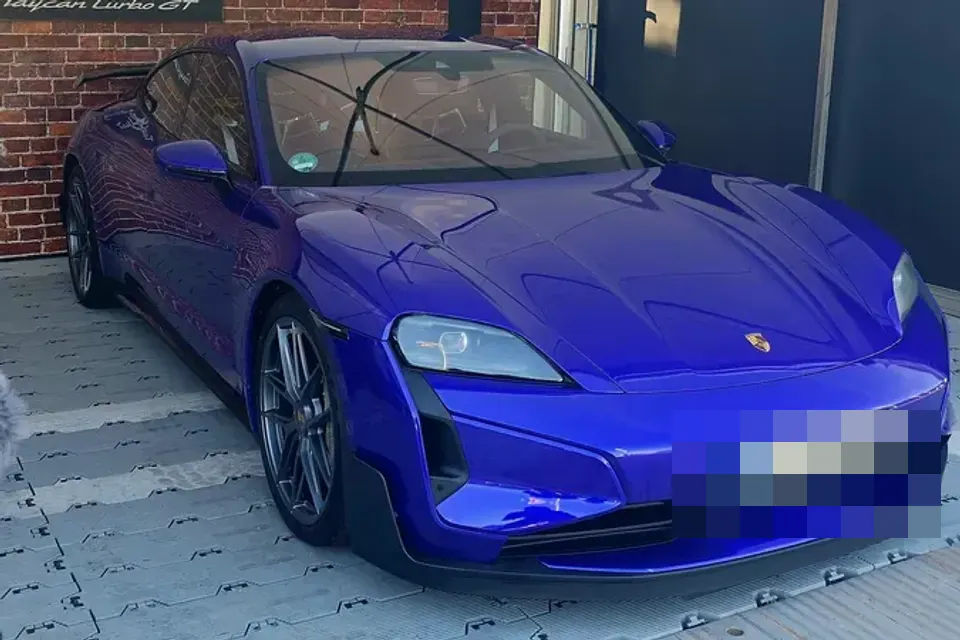
Documentary photographPhoto: Calreyn88 · CC BY-SA 4.0 · resized and cropped · Registration identifier pixelated for privacy.
Engine redprint / verifiedDual PSM AWD
Dual permanent-magnet motors · 800 VFront and rear motors, variable all-wheel driveTopology diagram · not to scale · based on the cited primary sources
Taycan Turbo S Cross Turismo is the exact Y1B production representative for the Taycan Cross Turismo milestone in this archive’s source-led family tree.
R / production rarity
How rare is it?
A simple 1–5 rating based on completed worldwide production for this exact version. Price and desirability are not included.
Rarity ratingNot availableNo comparable worldwide production total
Production bandNot available
Production evidenceNo exact production total
ProducedWorldwide total used for the rating
Production total unavailable
A reliable worldwide figure is not listed in the references.
How the rating works
The rating uses five fixed production bands. Smaller production runs receive higher ratings. Exact totals and responsibly sourced estimates for this precise version can be rated. Plans, regional totals, lower bounds, disputed figures and broader-family totals remain visible but unclassified. The evidence description is kept separate from the rating so a source limitation cannot change how scarcity is measured.
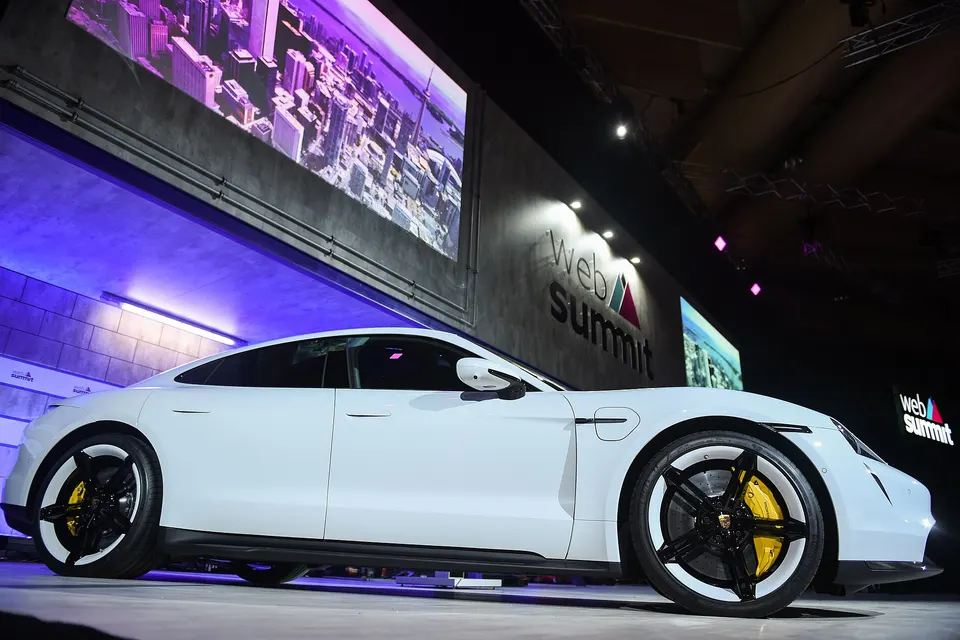
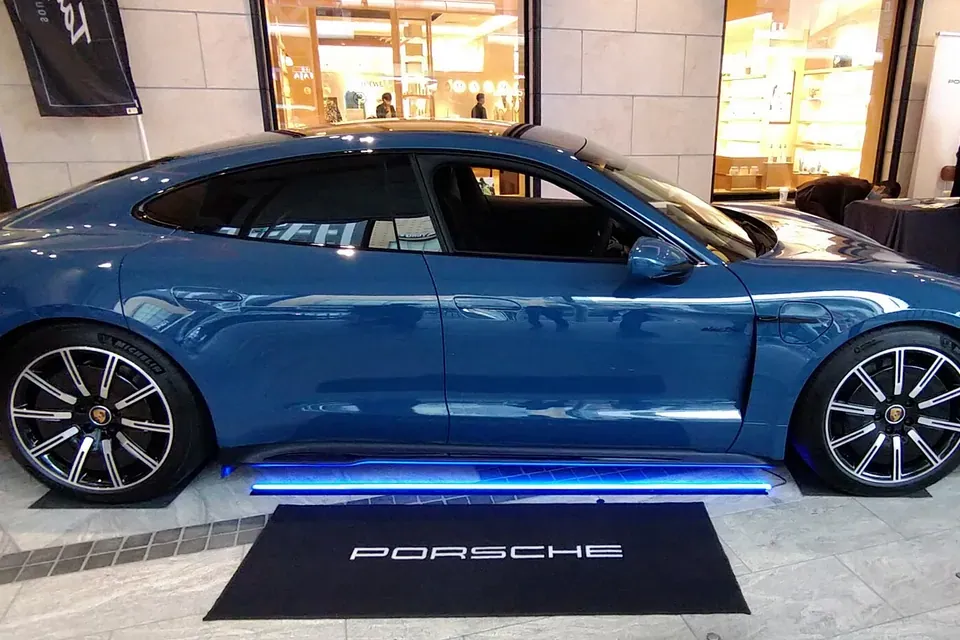
Open-licence recordings can appear with a visible Unregistered note; archive verification still requires independent identity and configuration evidence.
Listening descriptors remain editorial; architecture and output claims trace to the cited manufacturer material.
Porsche launched the Taycan Cross Turismo in 2021 as a long-roof, increased-clearance development of the first electric saloon. The Turbo S Cross Turismo sat at the top of that new body range, combining the existing dual-motor performance system with more rear space, standard all-wheel drive and a chassis calibrated for use beyond smooth tarmac. It is not merely a Turbo S with a different roofline: body mass, aerodynamics, ground clearance and operating modes change the context in which the shared powertrain works.
Two permanent-magnet synchronous motors drive the axles through a single-speed front reduction and two-speed rear transmission. Normal maximum output is 460 kW (625 PS), while Launch Control overboost reaches 560 kW (761 PS) and 1,050 Nm. The 93.4 kWh gross Performance Battery Plus and 800-volt electrical system match the first-generation performance architecture. These are condition-bound figures; state of charge, battery temperature and launch availability must accompany any attempt to reproduce factory acceleration.
Porsche quoted 0–100 km/h in 2.9 seconds and 250 km/h for the EU model. Adaptive air suspension was standard across the Cross Turismo range, with a Gravel mode and greater ride height than the saloon. The optional Off-Road Design Package could raise clearance further and add protective-looking exterior elements. That option must be recorded on an individual car because it affects stance and airflow; it does not define every Turbo S Cross Turismo produced.
Engineering and character
The extended roof and rear hatch broadened luggage and passenger utility while changing the body’s acoustic enclosure. Road and tyre noise can resonate differently from the saloon, especially through the larger rear volume, so a cabin recording cannot be labelled only by powertrain. Wheel and tyre selection, ride height and luggage-compartment trim become meaningful metadata. The mechanical drivetrain may be shared, yet the listener experiences it through a different structure and over a potentially wider range of surfaces.
Porsche Electric Sport Sound can add an authored layer derived from vehicle operating signals, while the underlying motors, inverters, rear gearbox and tyres remain audible with it disabled. A complete archive capture should record both states from fixed cabin and exterior positions. Particular attention should be paid to the rear-axle ratio change, which creates a genuine mechanical pitch and acceleration transition. Third-party sound software or edited amplification cannot document the factory relationship among control request, speed and sound.
Within the lineage, this car follows the 2019 Taycan saloon and the 2018 Mission E Cross Turismo concept. It precedes the 2024 update, which brought a revised battery system and much higher peak capability, and differs from the Sport Turismo, whose lower road-focused stance serves another role. The Cross Turismo name therefore describes a specific production branch rather than a loose body-style tag. Correct naming also prevents its 250 km/h maximum from being replaced with the saloon’s 260 km/h figure.
Legacy and identity
The focus here is the 2021–2024 Y1B Taycan Turbo S Cross Turismo at 560 kW Launch Control overboost. It excludes the saloon, lesser Cross Turismo derivatives, Sport Turismo and updated second-phase J1 cars. The broader story explains how Porsche extended a high-performance EV beyond the conventional sports-saloon brief. Exact body code, ride-height equipment, battery state, rear gearbox and sound setting provide the evidence needed to reproduce its performance and acoustic character without borrowing convenient numbers from a related Taycan.
01
Model identity
Y1B is displayed prominently so this record cannot be confused with an adjacent derivative.
02
Original soundtrack
Modified exhausts, aftermarket induction and replacement EV sound packs are excluded.
04 / family tree
Model lineage
1900–2024 · 8 documented milestones
No archive image
1900Lohner–Porsche ElectromobileEarly Porsche wheel-hub electric drive[6]
→
No archive image
2015Mission E conceptElectric sports-car concept[4]
→
No archive image
2018Mission E Cross TurismoCrossover concept branch[4]