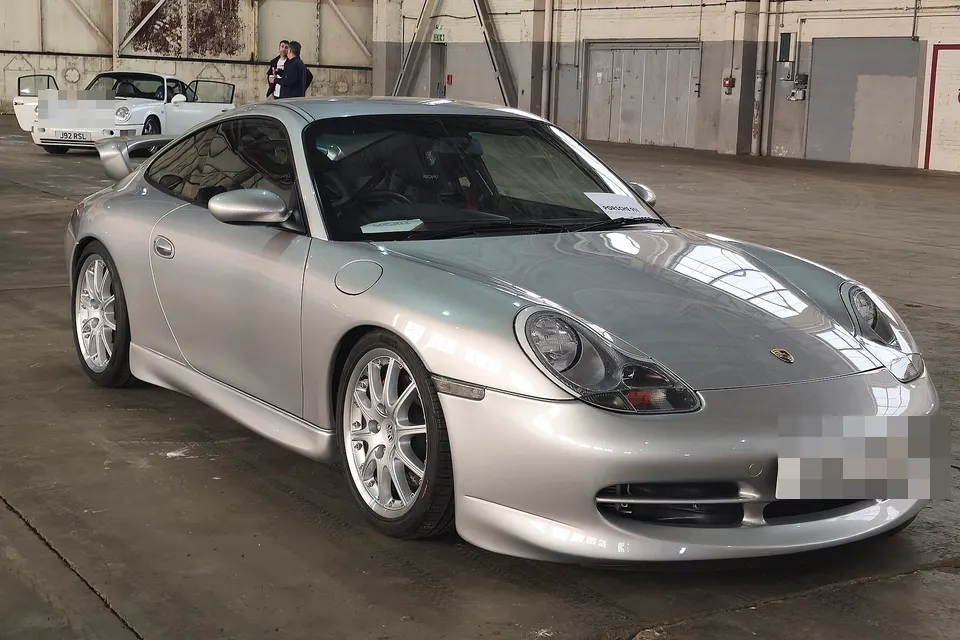
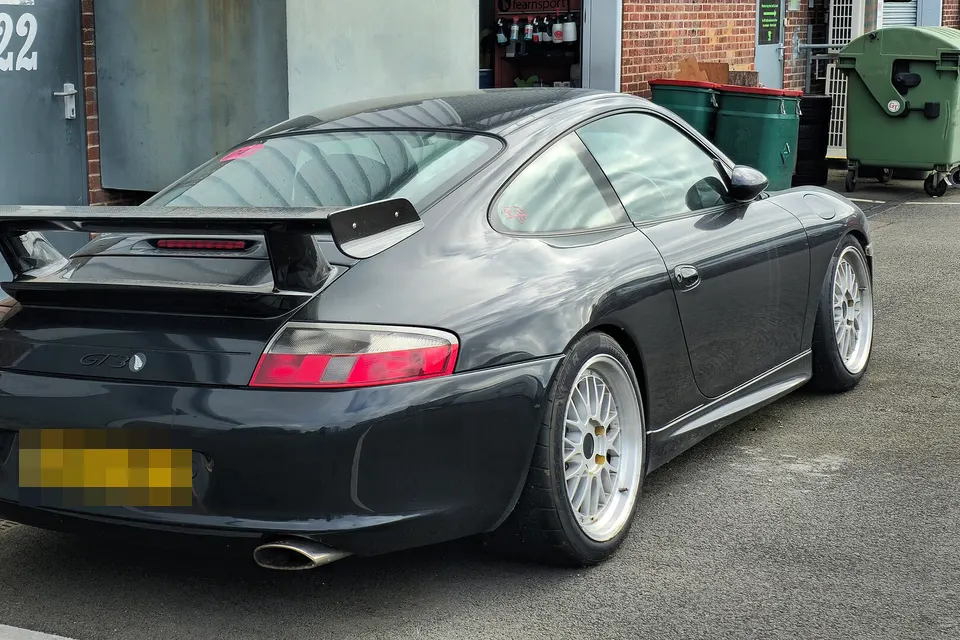
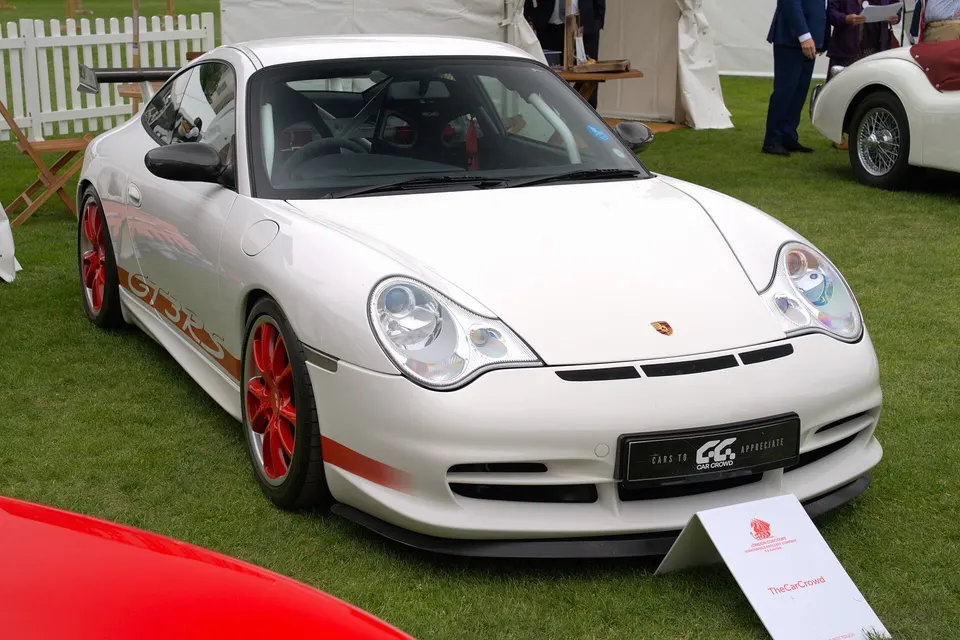
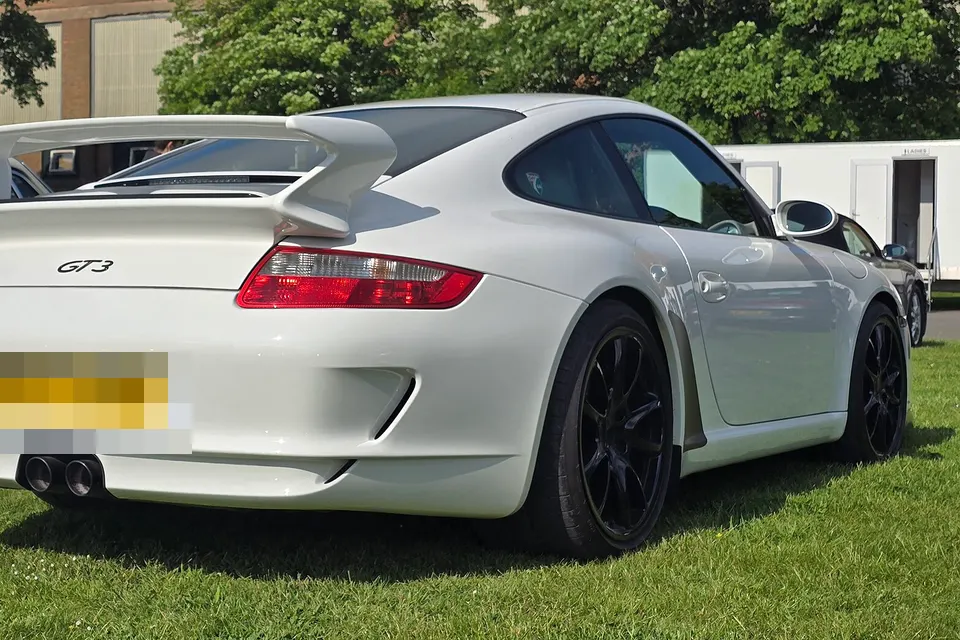
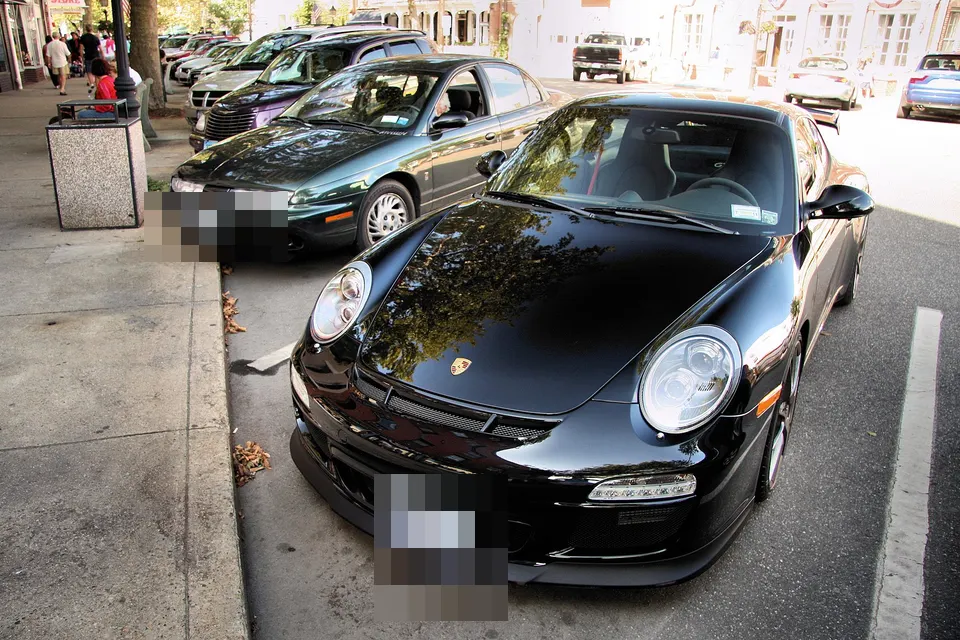
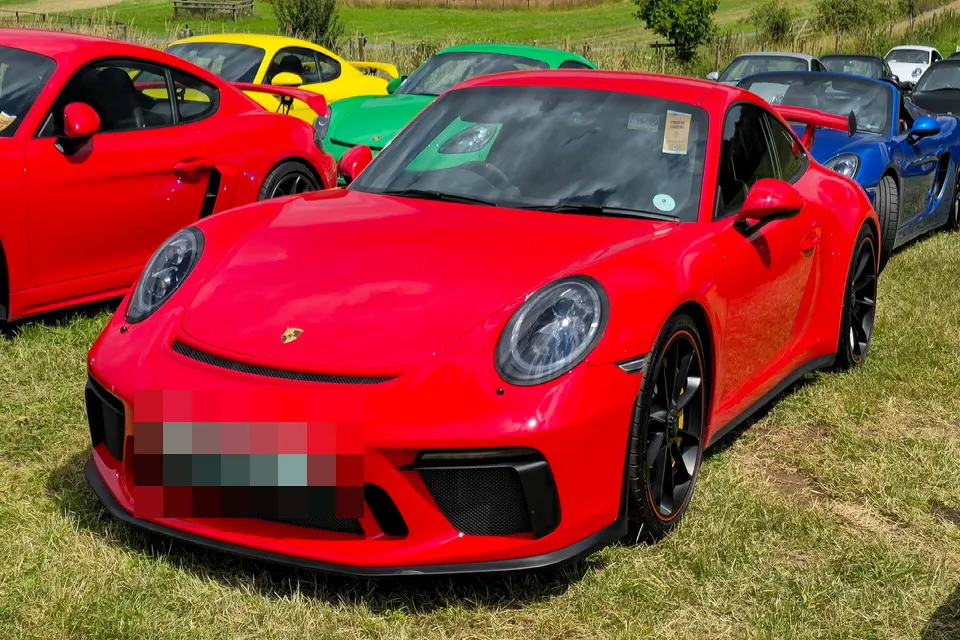
Documentary photographPhoto: Calreyn88 · CC BY-SA 4.0 · resized and cropped · Registration identifier pixelated for privacy.
Engine redprint / verifiedMA1.75
3.8 L flat-six · naturally aspirated · MA1.75Longitudinal rear-engine, rear-wheel driveTopology diagram · not to scale · based on the cited primary sources
The first PDK-only GT3, introducing rear-axle steering and a new 9,000 rpm 3.8-litre engine.
R / production rarity
How rare is it?
A simple 1–5 rating based on completed worldwide production for this exact version. Price and desirability are not included.
Rarity ratingNot availableNo comparable worldwide production total
Production bandNot available
Production evidenceNo exact production total
ProducedWorldwide total used for the rating
Production total unavailable
A reliable worldwide figure is not listed in the references.
How the rating works
The rating uses five fixed production bands. Smaller production runs receive higher ratings. Exact totals and responsibly sourced estimates for this precise version can be rated. Plans, regional totals, lower bounds, disputed figures and broader-family totals remain visible but unclassified. The evidence description is kept separate from the rating so a source limitation cannot change how scarcity is measured.
The 991.1 GT3, introduced in 2013, was the largest technical break in the road-going GT3 story to that point. Porsche retained the naturally aspirated, rear-drive premise but replaced two features many enthusiasts considered inseparable from the badge: the Mezger-derived engine architecture and the manual gearbox. In their place came a newly developed direct-injected 3.8-litre flat-six, a seven-speed PDK and rear-axle steering. The result asked drivers to judge GT3 identity by purpose and performance rather than by an unchanged component recipe.
The MA1.75 engine displaced 3,799 cc and produced 350 kW (475 PS) with 440 Nm. It used dry-sump lubrication, forged internal components and an actively controlled valvetrain, operating to 9,000 rpm. Porsche’s official GT3 chronology currently lists 450 PS for this generation, which conflicts with Porsche’s contemporary launch specification and the vehicle’s established 475 PS rating; RedlineCodex therefore keeps the exact derivative data while recording the chronology as historical context rather than silently adopting that apparent retrospective error.
The seven-speed dual-clutch transmission was the only gearbox. Its closely managed shifts helped Porsche quote 0–100 km/h in 3.5 seconds and 315 km/h, but PDK changed more than acceleration. It removed clutch-pedal operation, allowed uninterrupted drive during changes and made manual requests through paddles. Rear-axle steering added low-speed agility and high-speed stability to the larger 991 body. Together these systems delivered capability that a simple comparison with the manual 997.2 cannot fully explain.
Engineering and character
This generation’s history also includes a crucial reliability episode. Porsche replaced engines in affected early cars following connecting-rod fastener failures and a stop-use campaign. That history belongs in provenance without implying that every surviving engine has the same status. A premium individual record should capture original or replacement engine identity, campaign completion and supporting documentation. General model history can explain the issue, but it cannot certify a particular chassis or turn an undocumented claim into verified condition.
The sound is shaped by high rotational speed, direct injection, rapid PDK events and a different mechanical architecture from the 997. At full load the engine rises to a sharp 9,000 rpm climax, while automatic blips and near-instant shifts create a cadence unavailable to a traditional manual. Exhaust mode, software, intake and engine revision all matter to a recording.
The 991.1 sits between the manual Mezger-powered 997.2 and the four-litre 991.2, where Porsche restored a manual option and introduced Touring. Its contemporary RS sibling expanded capacity to four litres and used the Turbo-width body, but remained PDK-only. This chronology makes the standard 991.1 a pivot rather than an aberration: rear steering and dual-clutch control became enduring tools, while Porsche later broadened the transmission choice in response to how customers valued interaction.
Legacy and identity
The focus here is limited to the 2013–2016 Type 991.1 GT3 with MA1.75 engine and seven-speed PDK. It excludes the four-litre RS, later 991.2 cars and ordinary Carrera models. The record explains why the generation was controversial and technically consequential. The engine code, transmission boundary, campaign history and source discrepancy are kept visible. Premium coverage means acknowledging uncomfortable evidence as carefully as celebrated performance, without collapsing a model-wide issue into a claim about any individual car.
01
Engineering context
Direct-injected 3.8-litre flat-six with dry-sump lubrication, forged internals and an actively controlled valvetrain.
04 / family tree
Model lineage
1972–2024 · 19 documented milestones
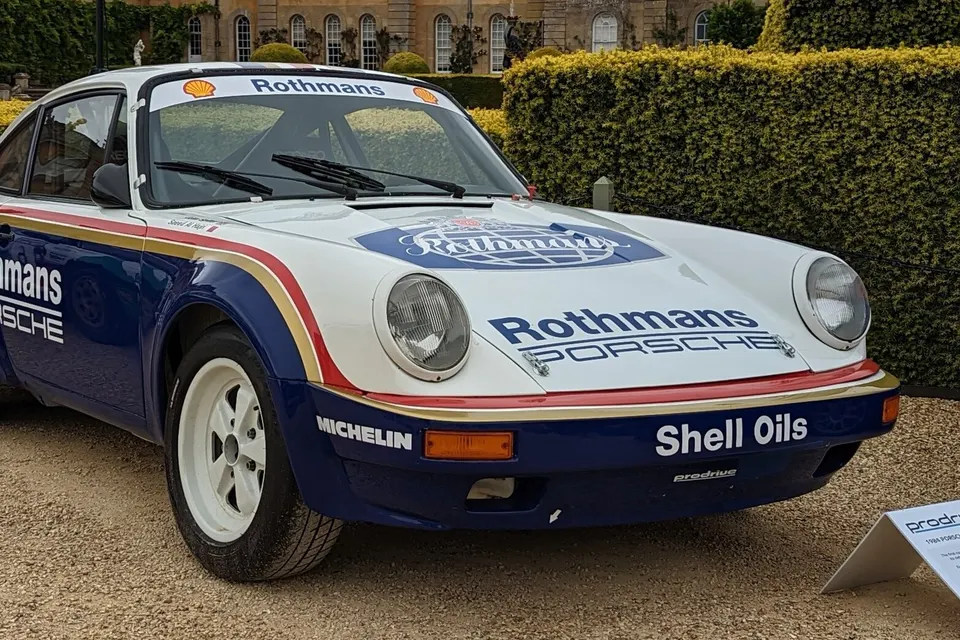
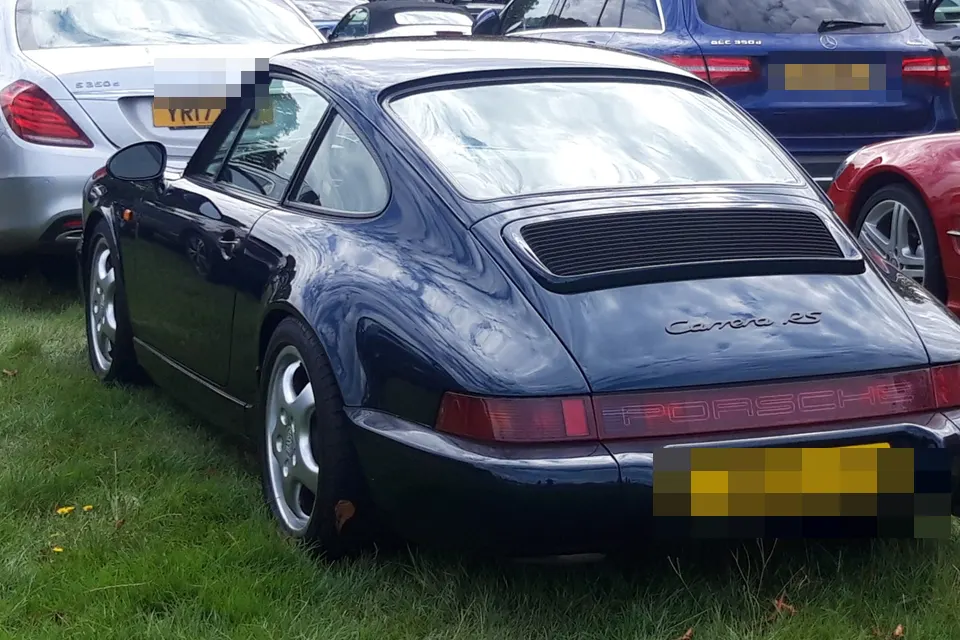
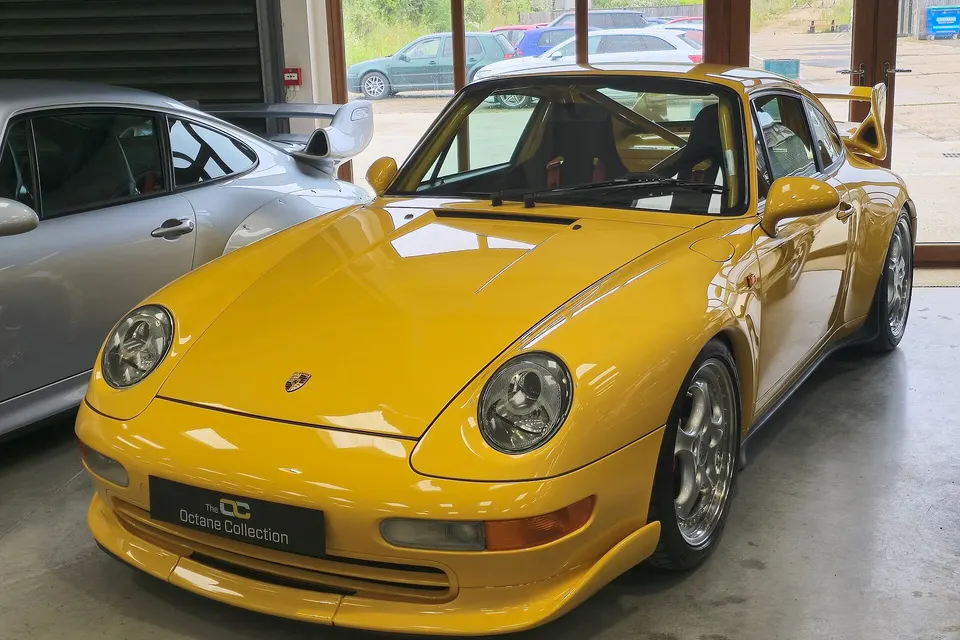
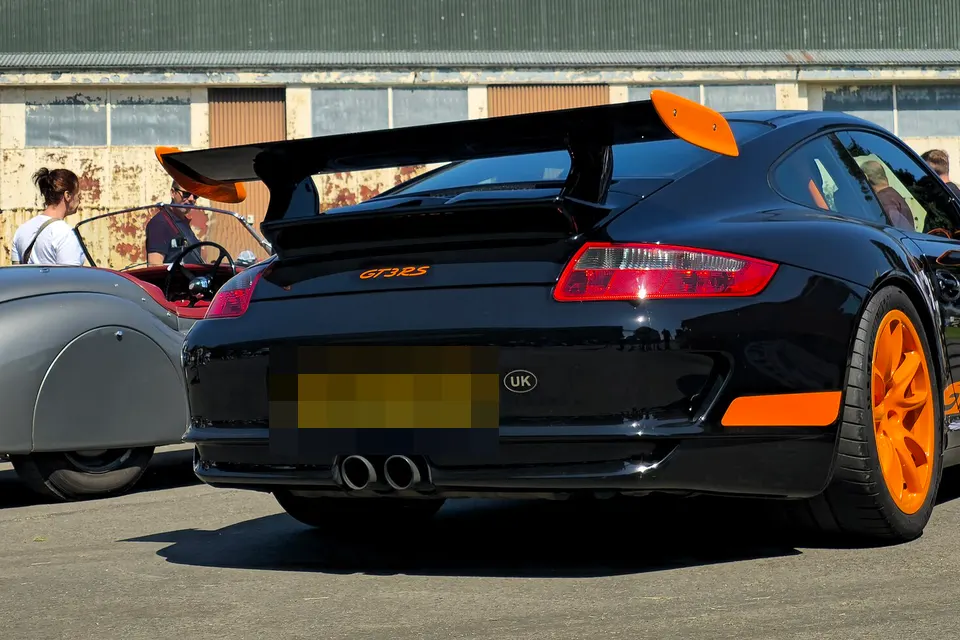
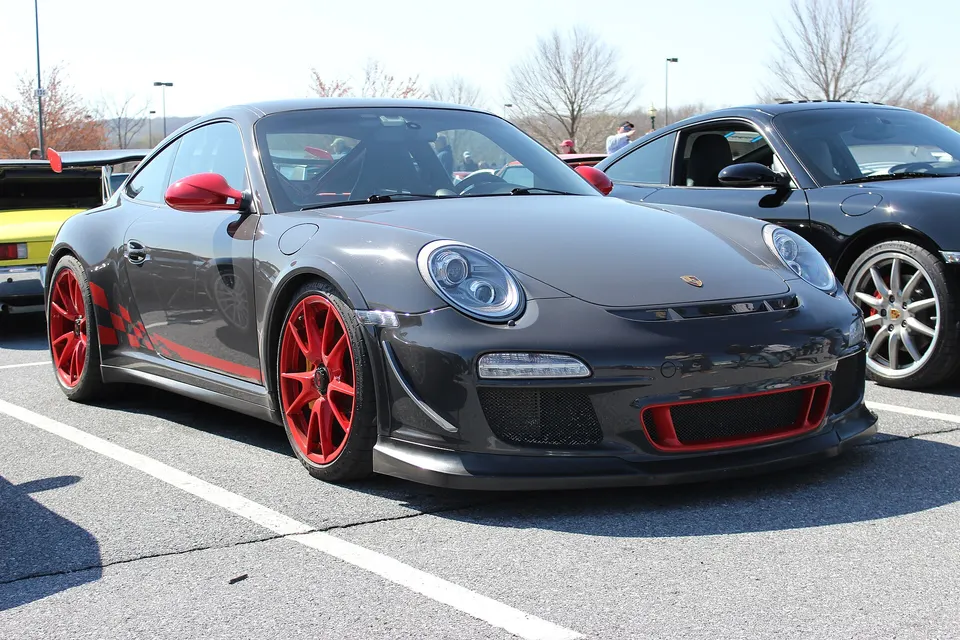
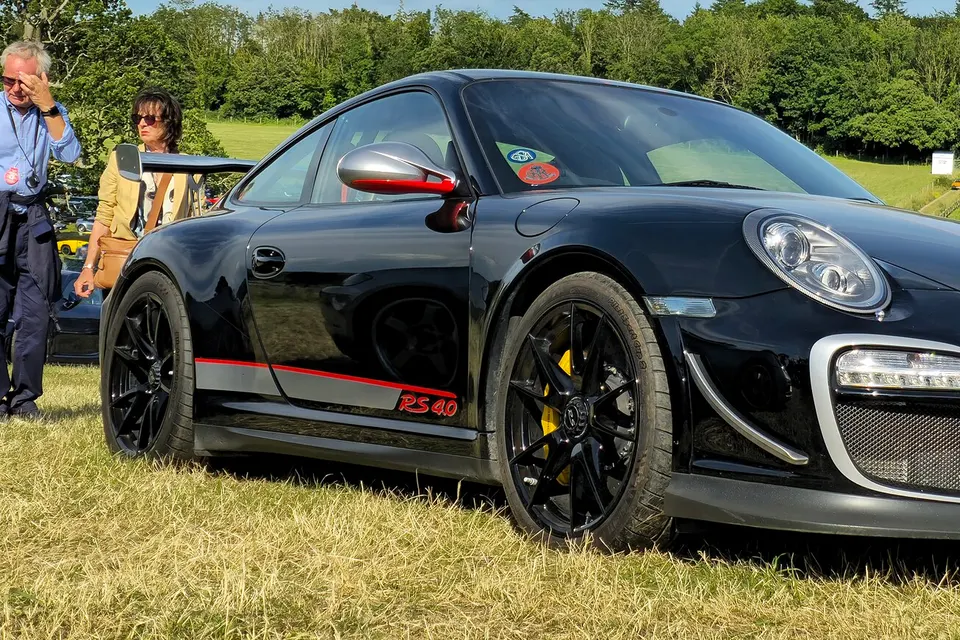
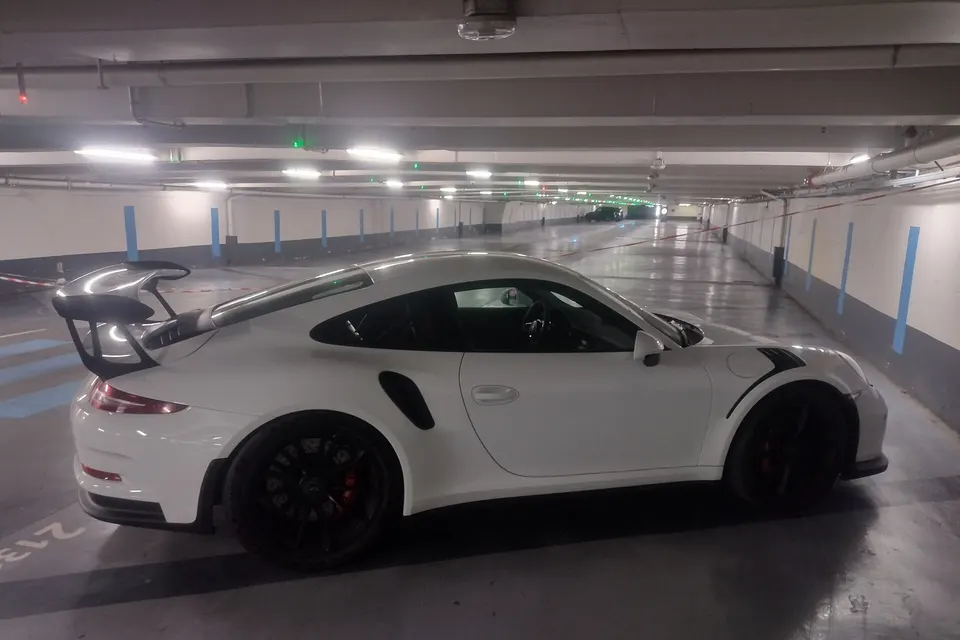
Photo: Calreyn88 · CC BY 4.0 · resized and cropped · Registration identifiers pixelated for privacy.