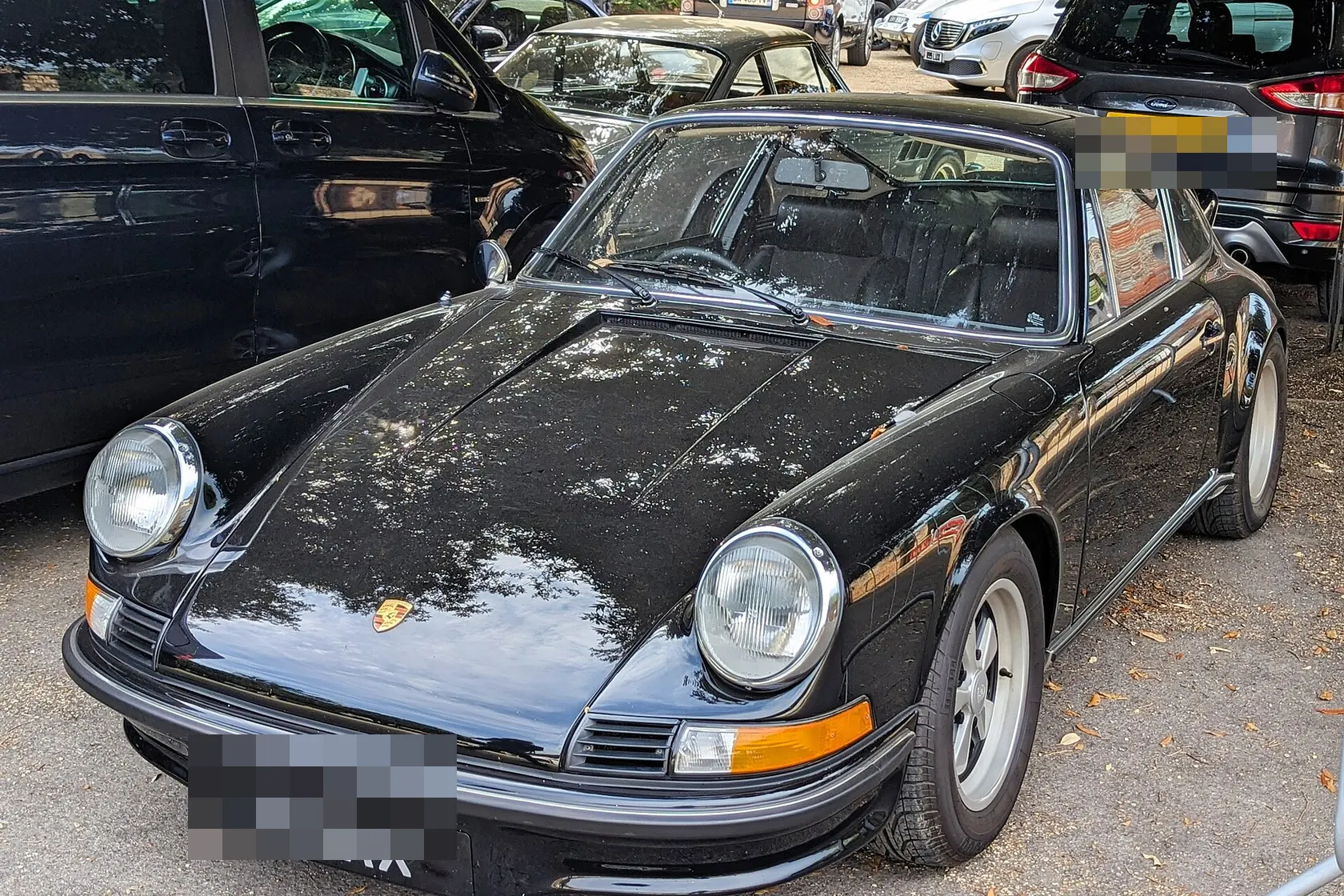
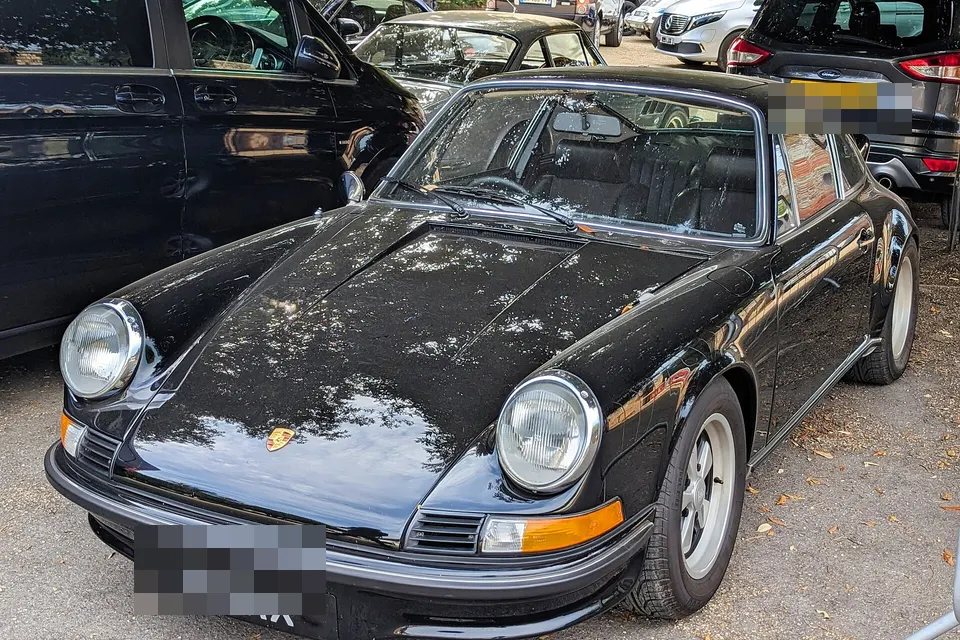
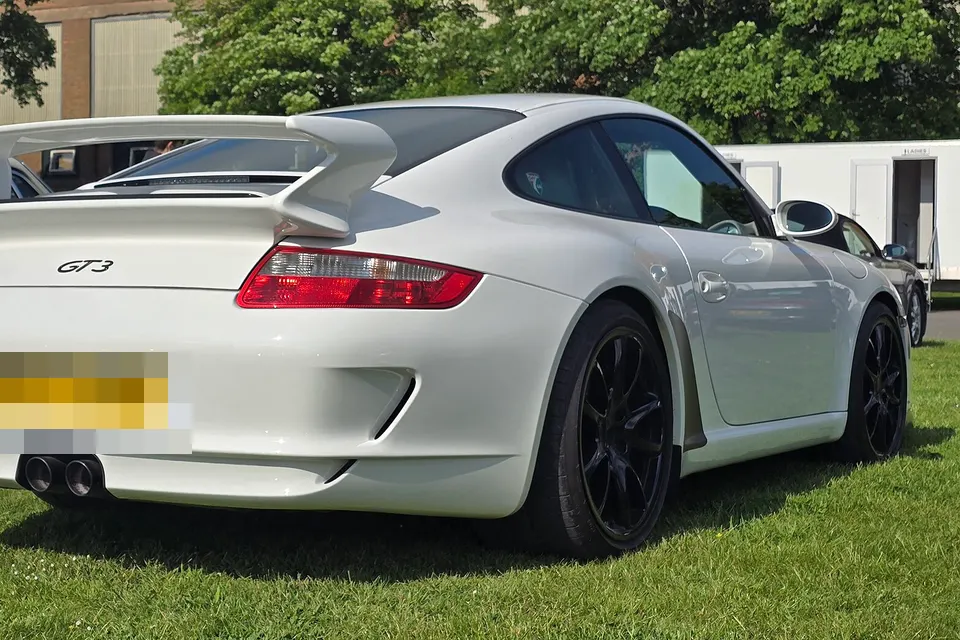
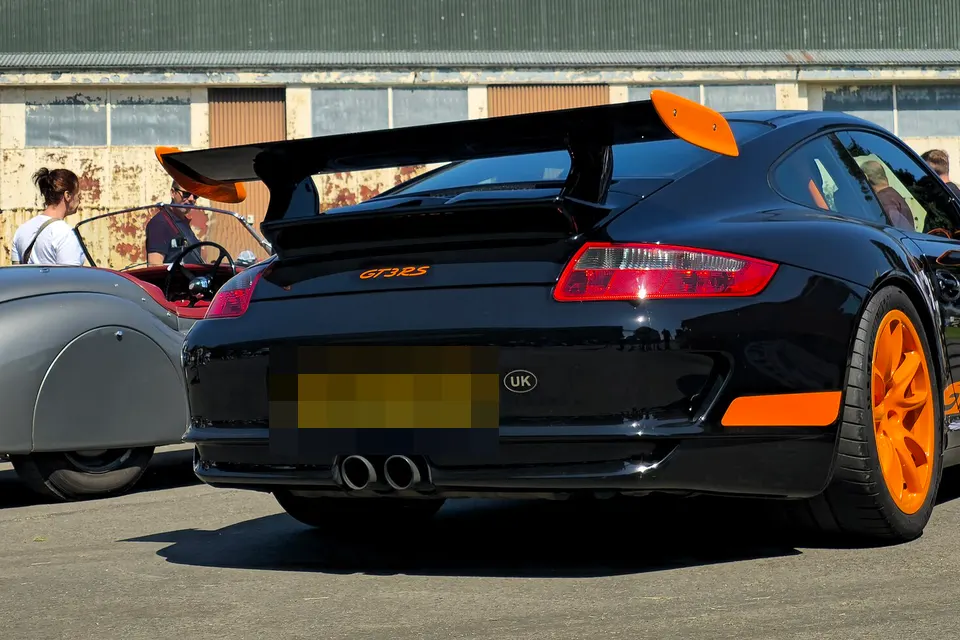
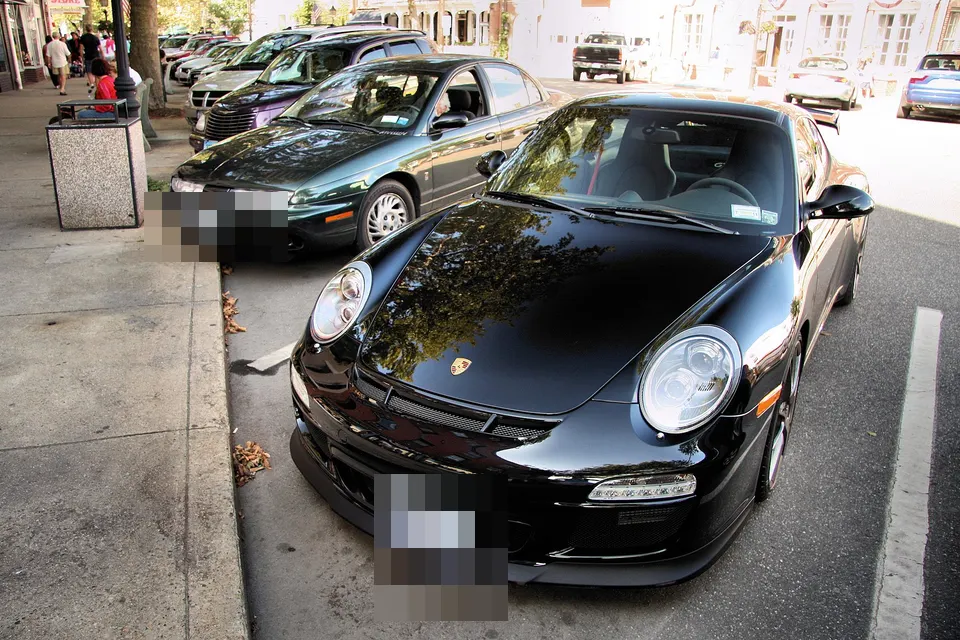
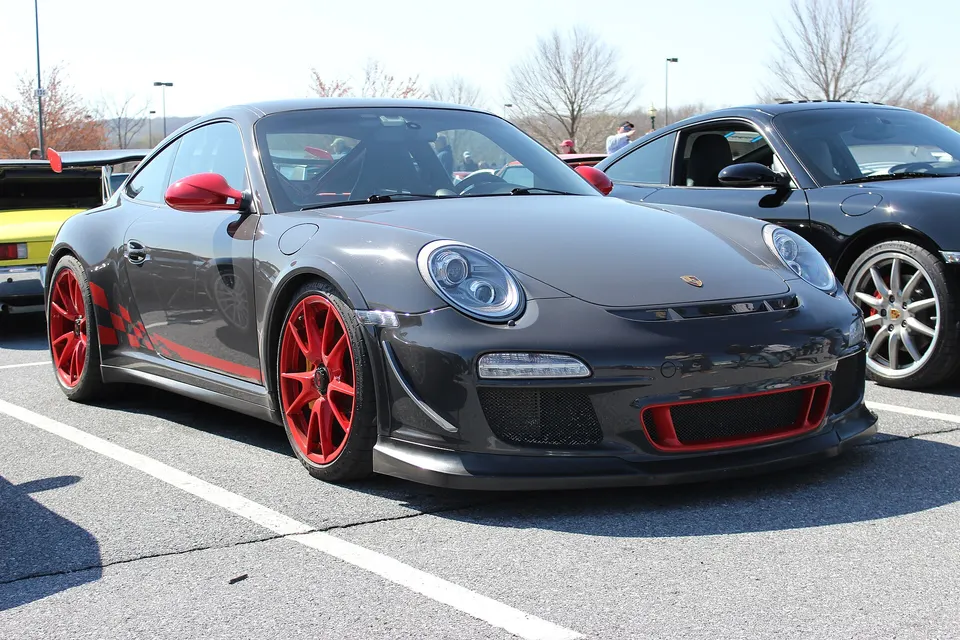
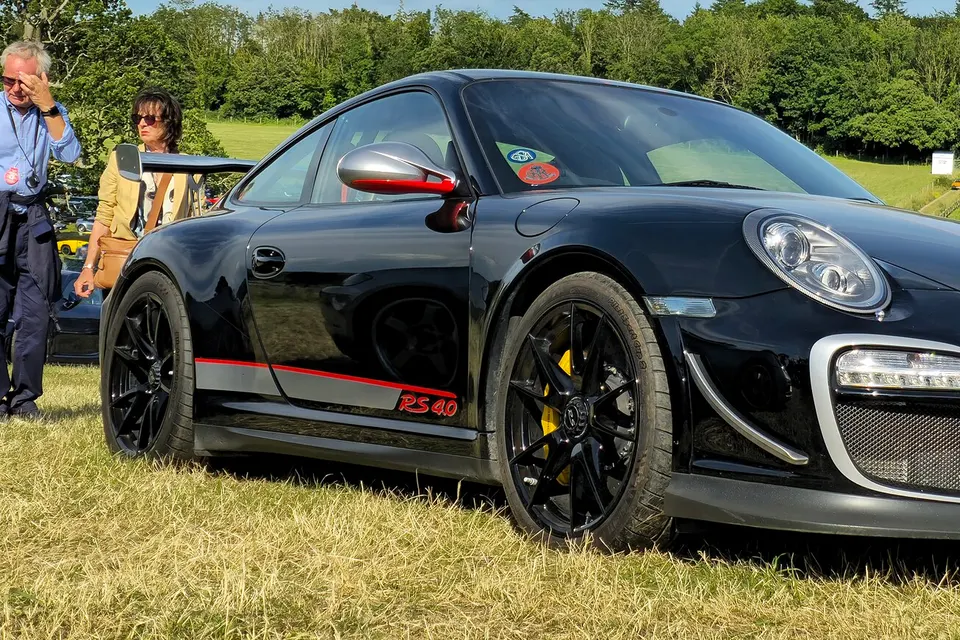
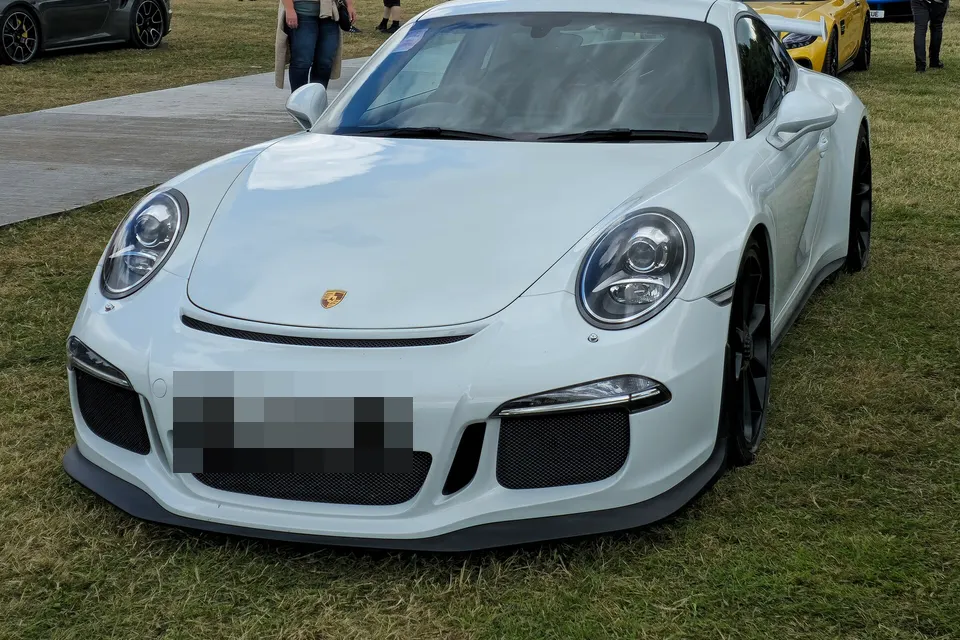
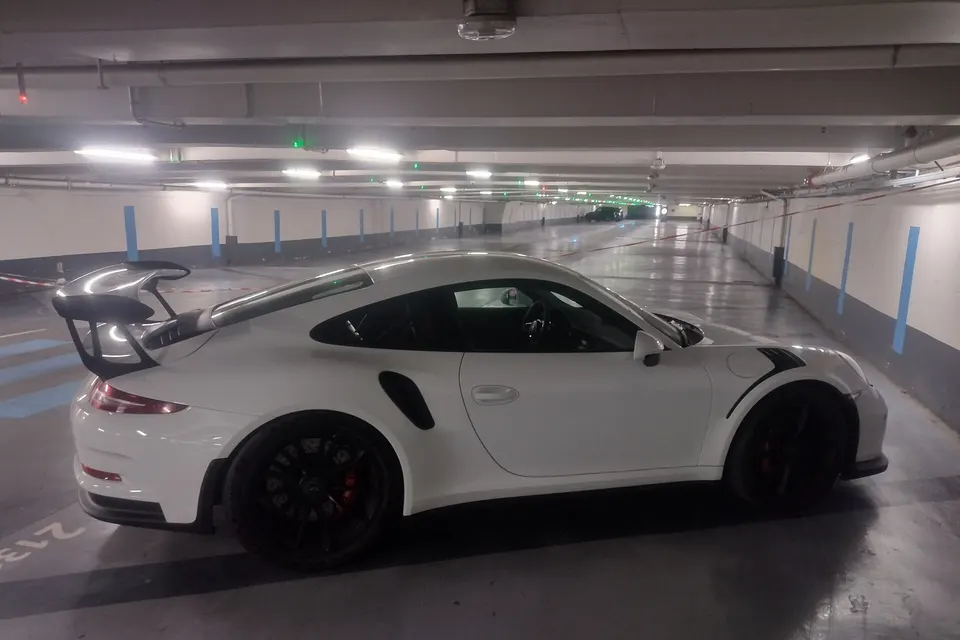
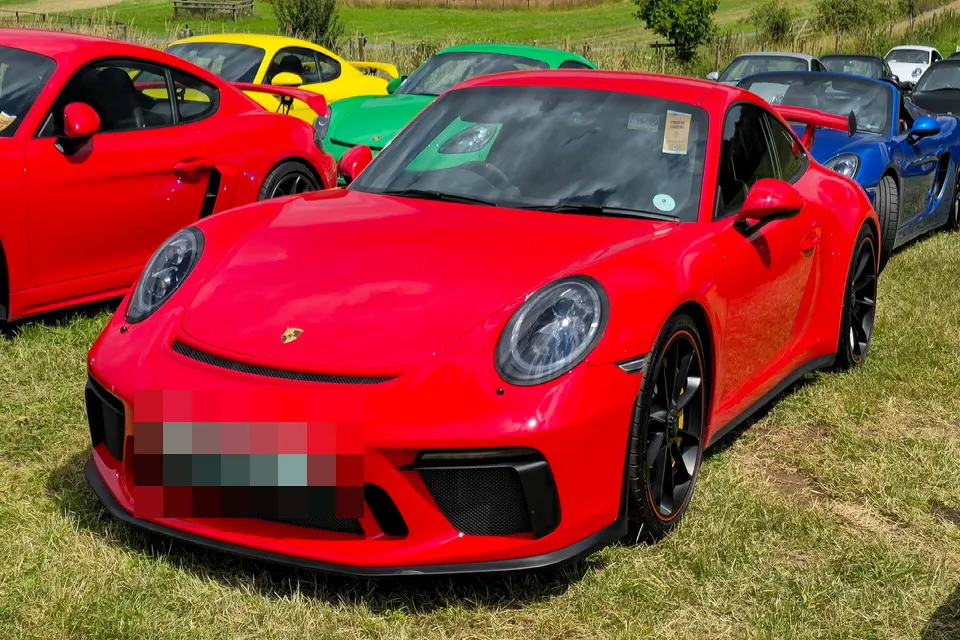
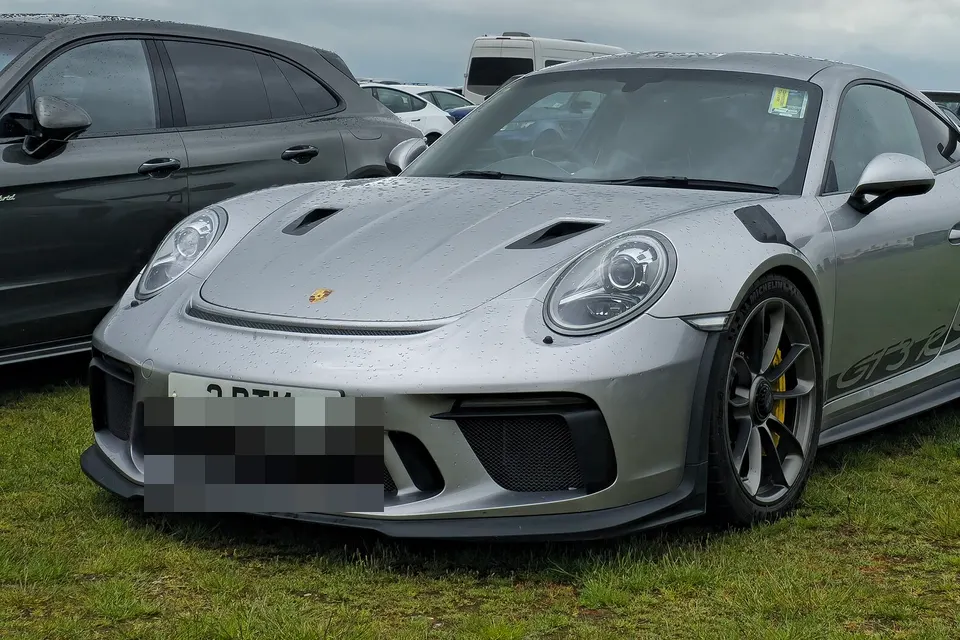
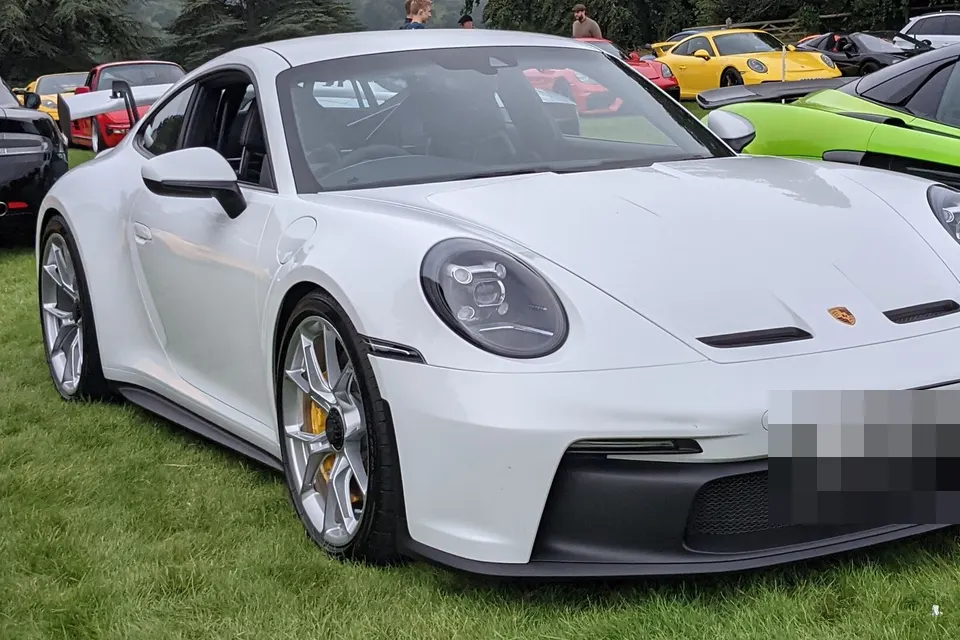
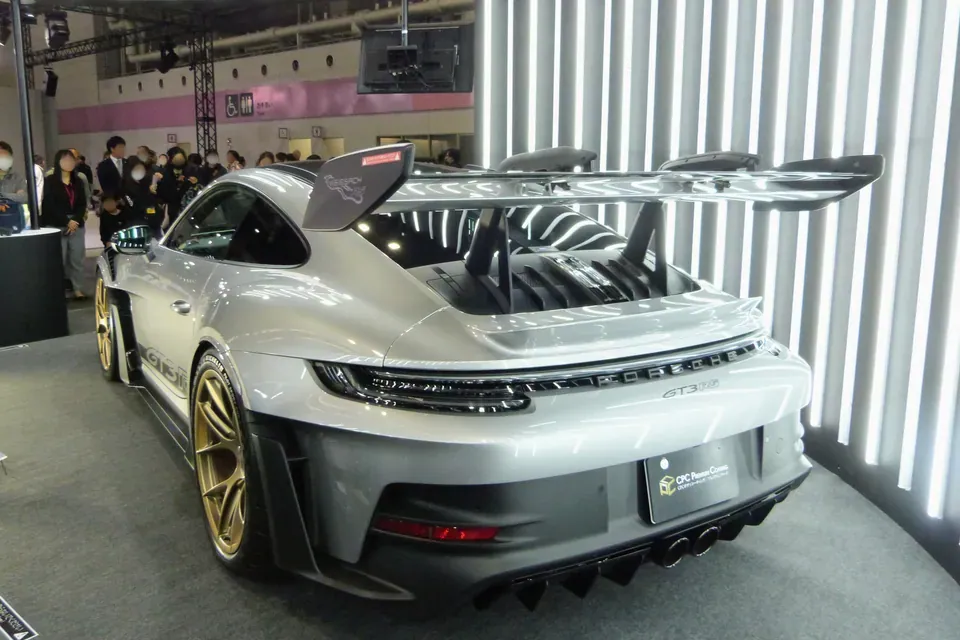
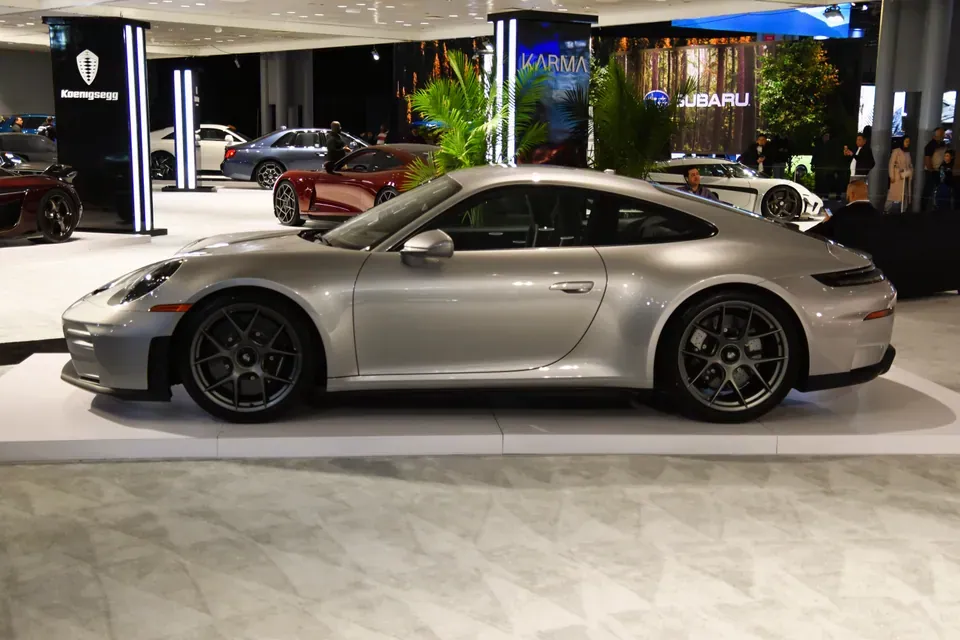
Documentary photographPhoto: Calreyn88 · CC BY 4.0 · resized and cropped · Registration identifiers pixelated for privacy.
Engine redprint / verified911/83
2.7 L flat-six · naturally aspirated · 911/83Longitudinal rear-engine, rear-wheel driveTopology diagram · not to scale · based on the cited primary sources
The lightweight homologation 911 that introduced the Carrera RS formula and the production “ducktail”.
R / production rarity
How rare is it?
A simple 1–5 rating based on completed worldwide production for this exact version. Price and desirability are not included.
Rarity rating3/ 5
Rare
Production band250 to 2,499 built
Production evidencePrimary-source exact
ProducedWorldwide total used for the rating1,580
Completed Carrera RS 2.7 production
Figure type
Exact
Scope
All factory Carrera RS 2.7 road and competition specifications
The rating uses five fixed production bands. Smaller production runs receive higher ratings. Exact totals and responsibly sourced estimates for this precise version can be rated. Plans, regional totals, lower bounds, disputed figures and broader-family totals remain visible but unclassified. The evidence description is kept separate from the rating so a source limitation cannot change how scarcity is measured.
The 911 Carrera RS 2.7 appeared in 1972 because Porsche needed a lighter, faster road car from which to homologate the 911 for international GT competition. RS stood for Rennsport—racing sport—and the badge described a purpose before it became a celebrated model family. Porsche initially planned the production volume around the rules, but demand carried the car far beyond the original homologation requirement. The result was both a competition foundation and a road-going demonstration of how carefully reducing mass could transform the familiar 911.
Its 2,687 cc air-cooled flat-six carried the type 911/83 designation and used mechanical fuel injection, dry-sump lubrication and Nikasil-coated cylinders. Porsche rated it at 154 kW (210 PS) and 255 Nm, delivered through the five-speed type 915 manual gearbox. Those numbers now look modest beside later RS cars, yet the engine worked in a body substantially lighter than a regular 911 S. The combination made response, rather than an isolated power figure, central to the car’s identity.
The body introduced one of the most recognisable aerodynamic devices in production-car history. The small rear spoiler became known as the ducktail, working with the front treatment to reduce lift and improve stability. Porsche’s own RS history identifies the Carrera RS 2.7 as the first series-production car with spoilers at both ends. The visual signature therefore began as an engineering answer, not decoration, and established a pattern later RS generations would develop with increasingly elaborate airflow management.
Engineering and character
Porsche offered different weights and equipment levels, most famously Touring and the more austere Sport or Lightweight specification. That distinction matters whenever a surviving car is described, valued or recorded: trim, body equipment and restoration choices can materially alter both mass and cabin character. The focus here is the production model and its core mechanical specification without pretending that every RS 2.7 left the factory with an identical equipment list. Individual chassis research belongs alongside, not inside, the general variant record.
The driving environment is elemental by modern standards. Steering, brakes and the manual gearbox communicate without electronic mediation, while the rear-mounted engine concentrates both traction and responsibility behind the cabin. Its sound is similarly mechanical: cooling fan, valvetrain, intake and exhaust remain audible as separate layers. A premium sound record must preserve the mechanical-injection engine, factory induction and correct exhaust configuration, because replacement systems can easily create a more dramatic but historically inaccurate voice.
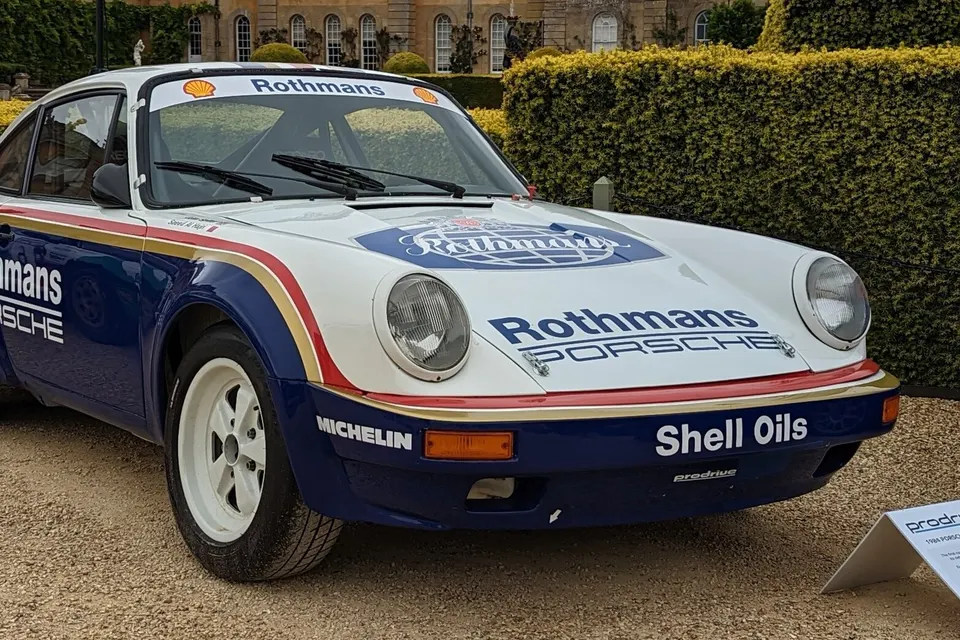
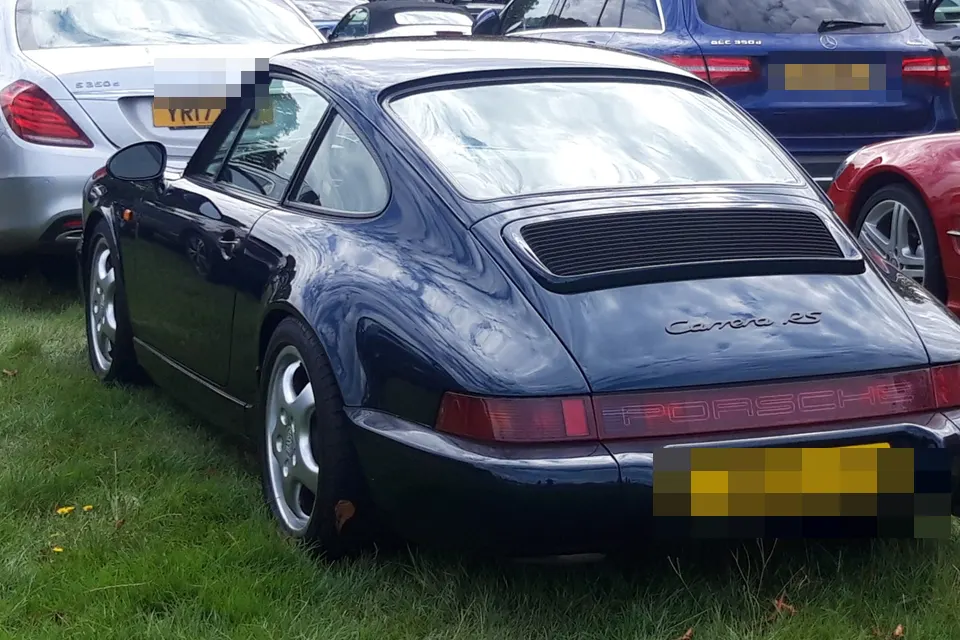
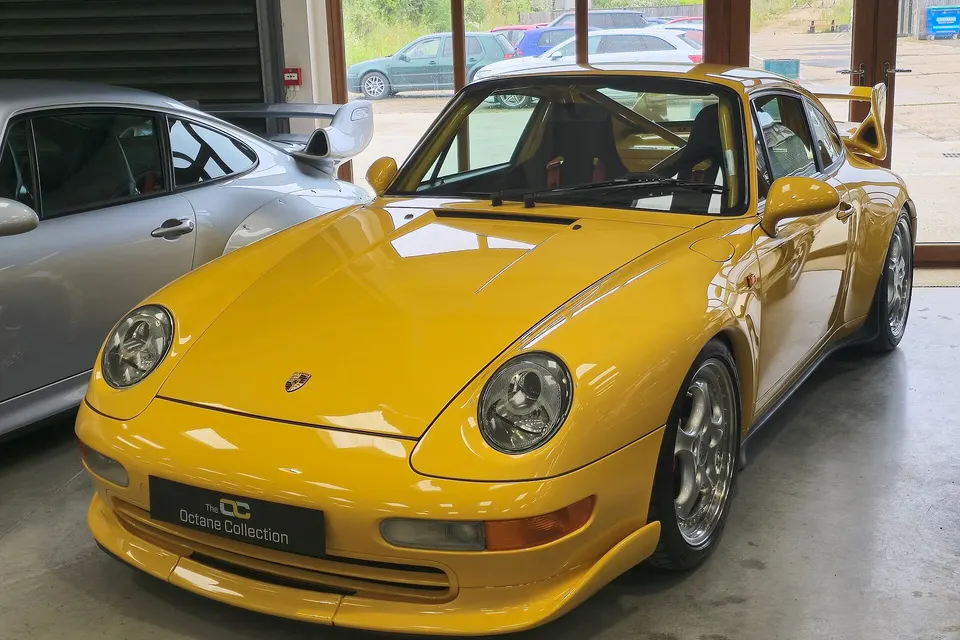
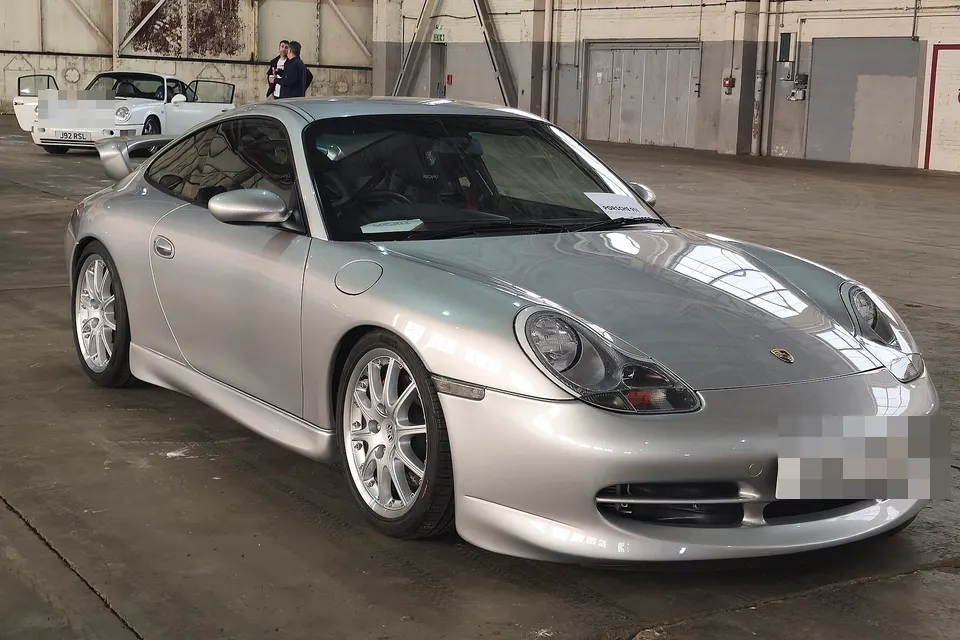
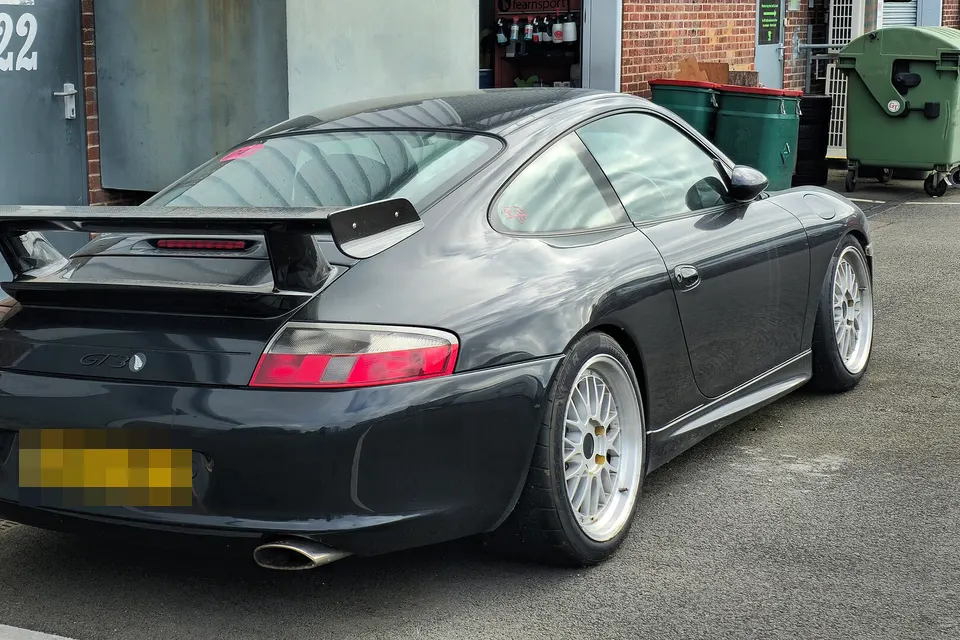
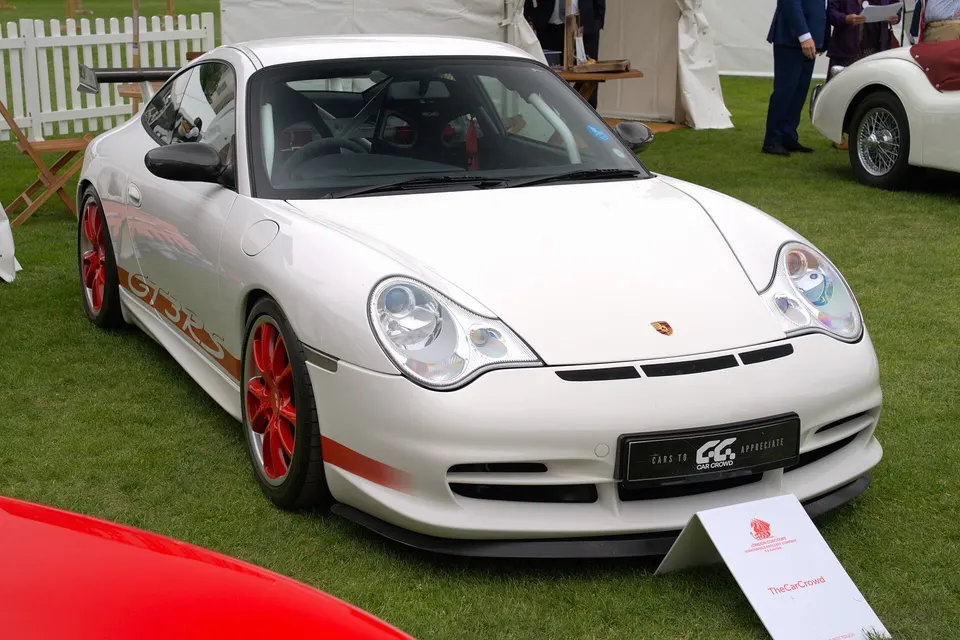
In the wider family tree, the RS 2.7 is the origin point for the road-going Rennsport idea. The rare 911 SC RS carried it into Group B rallying, the 964 and 993 Carrera RS models returned the badge to lightweight production 911s, and the GT3 name eventually assumed the naturally aspirated road-and-track role. Later cars became faster, stiffer and more aerodynamically sophisticated, but their logic remains legible here: remove what is unnecessary, improve the chassis and create a road car credible enough to support competition.
Legacy and identity
That historical reach also explains why exact identity is essential. Replica ducktails, later engines, Touring-to-Lightweight conversions and competition-inspired modifications are common enough that a familiar silhouette cannot establish specification.
01
Engineering context
Air-cooled, mechanically injected flat-six with Nikasil-coated cylinders and dry-sump lubrication.
04 / family tree
Model lineage
1972–2024 · 19 documented milestones
Photo: Calreyn88 · CC BY 4.0 · resized and cropped · Registration identifiers pixelated for privacy.
1972911 Carrera RS 2.7Road-going RS origin of the later GT3 and GT3 RS ethos[2][3]