3.6 L flat-six · naturally aspirated · M96/79Longitudinal rear-engine, rear-wheel driveTopology diagram · not to scale · based on the cited primary sources
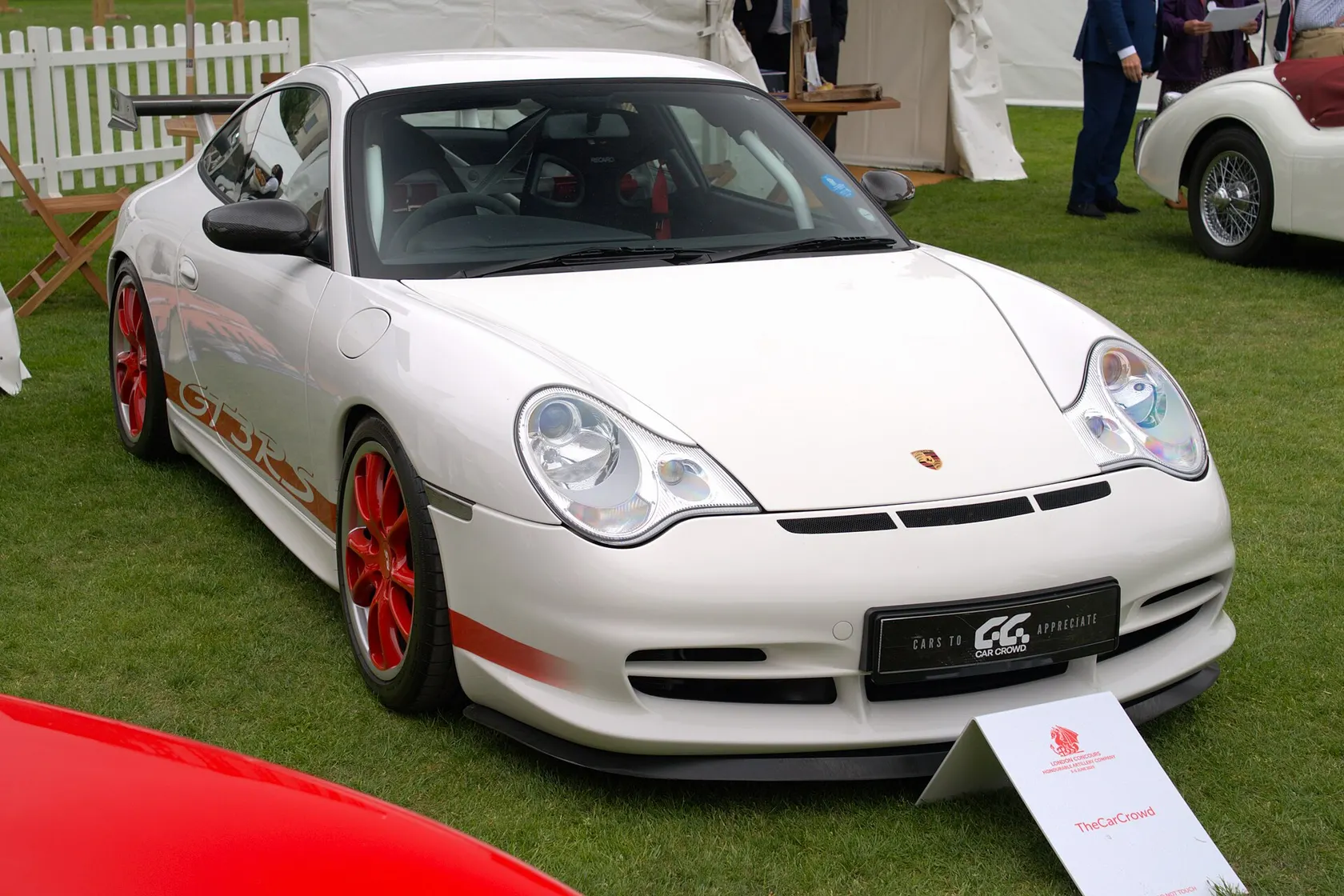
The first road-going 911 to combine the GT3 and RS badges, with lower mass and homologation intent.
R / production rarity
How rare is it?
A simple 1–5 rating based on completed worldwide production for this exact version. Price and desirability are not included.
The rating uses five fixed production bands. Smaller production runs receive higher ratings. Exact totals and responsibly sourced estimates for this precise version can be rated. Plans, regional totals, lower bounds, disputed figures and broader-family totals remain visible but unclassified. The evidence description is kept separate from the rating so a source limitation cannot change how scarcity is measured.
5/5Fewer than 25 builtUltra rare
4/525 to 249 builtVery rare
3/5250 to 2,499 builtRare
2/52,500 to 24,999 builtLimited production
1/525,000 or more builtSeries production
Recorded sales
Documented sales
Prices never affect the rarity rating.
Sold€252,5002020 · RM Sotheby's · Paris
Auction result
Exact 996-generation GT3 RS · Clubsport-equipped road car
Published sale total; odometer showed 2,500 km and condition was described as highly original.
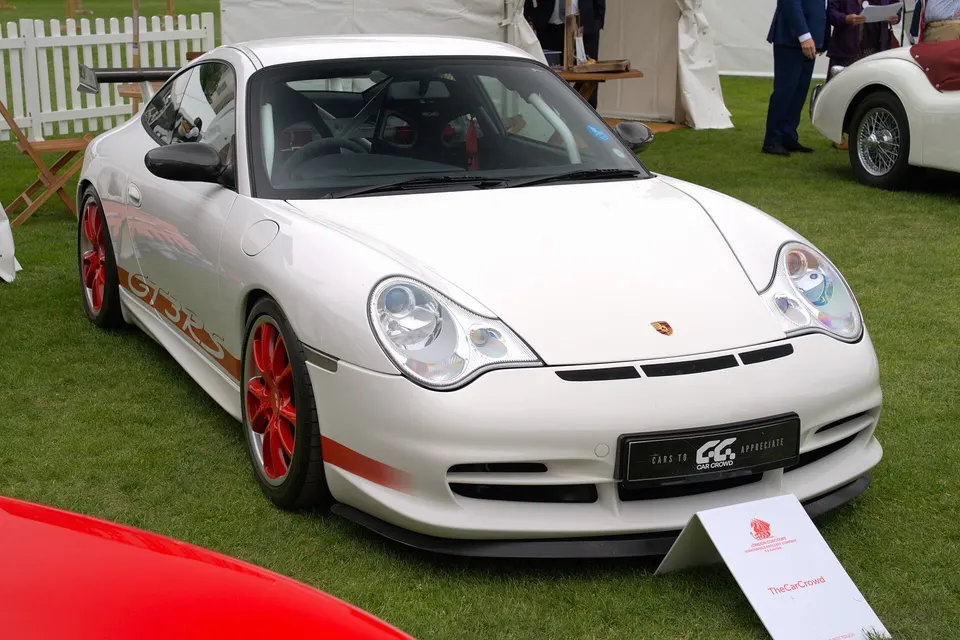
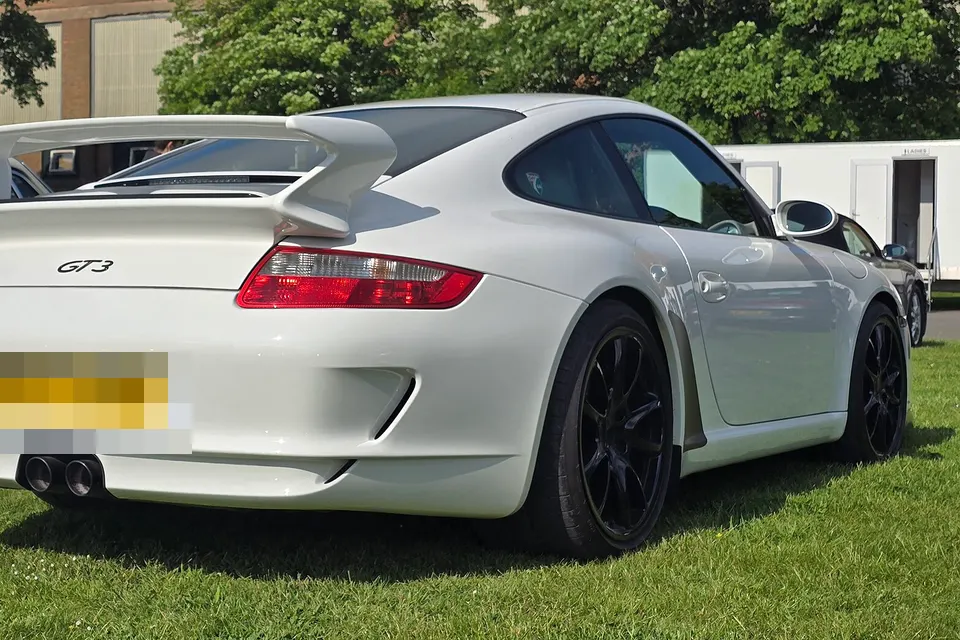
The 996.2 GT3 RS arrived in 2003 as the first production 911 to combine the GT3 and RS badges. Porsche had already established the GT3 as its road-legal track model; the RS moved closer to homologation and competition use through lower mass, altered chassis details and a more restricted specification. Its white body with red or blue lettering deliberately recalled earlier Carrera RS cars, turning historical reference into the visual identity of a new water-cooled branch.
The M96/79 engine remained a 3,600 cc naturally aspirated Mezger-derived flat-six rated at 280 kW (381 PS) and 385 Nm. A six-speed manual, single-mass flywheel and rear-wheel drive kept the powertrain direct. Rated output matched the contemporary GT3, so the RS case was not built around a larger headline number. Reduced mass, homologation components, chassis geometry and response created the distinction instead.
Porsche’s RS dossier records a roll cage and white-only availability, front apron venting, model-specific geometry and carbon-fibre body components. At 1,360 kg with a full tank it was reported 50 kg lighter than the GT3 Clubsport, with 0–100 km/h in 4.4 seconds and 308 km/h. Those figures belong to the RS as delivered; a standard GT3 fitted with graphics and a wing does not acquire the same structure or provenance.
Engineering and character
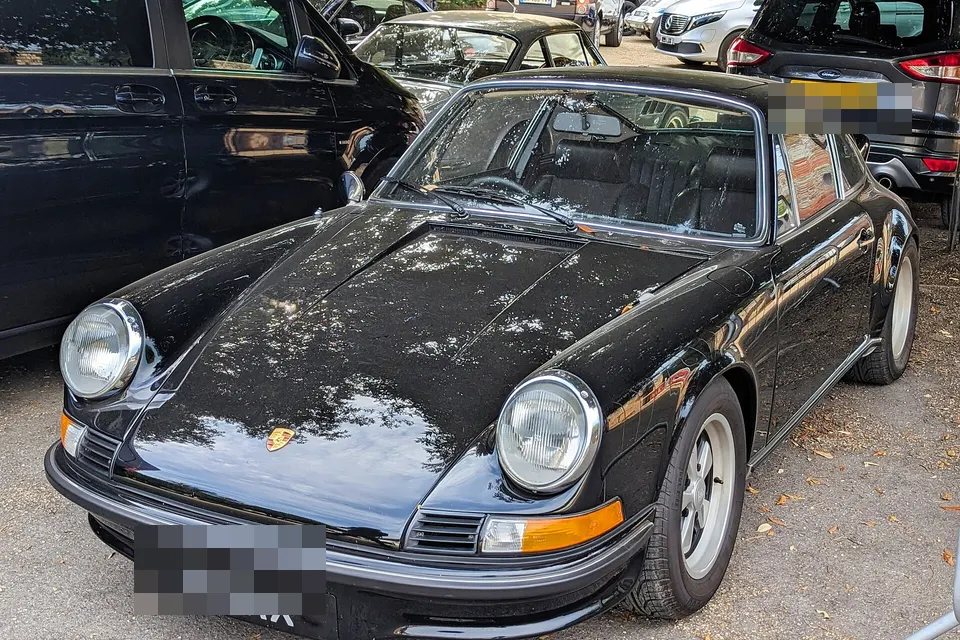
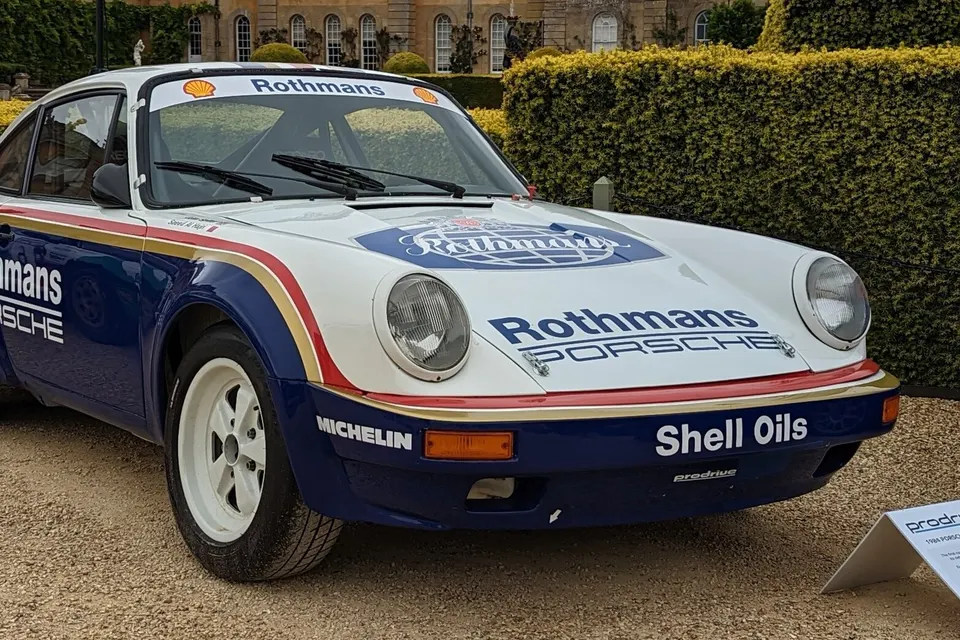
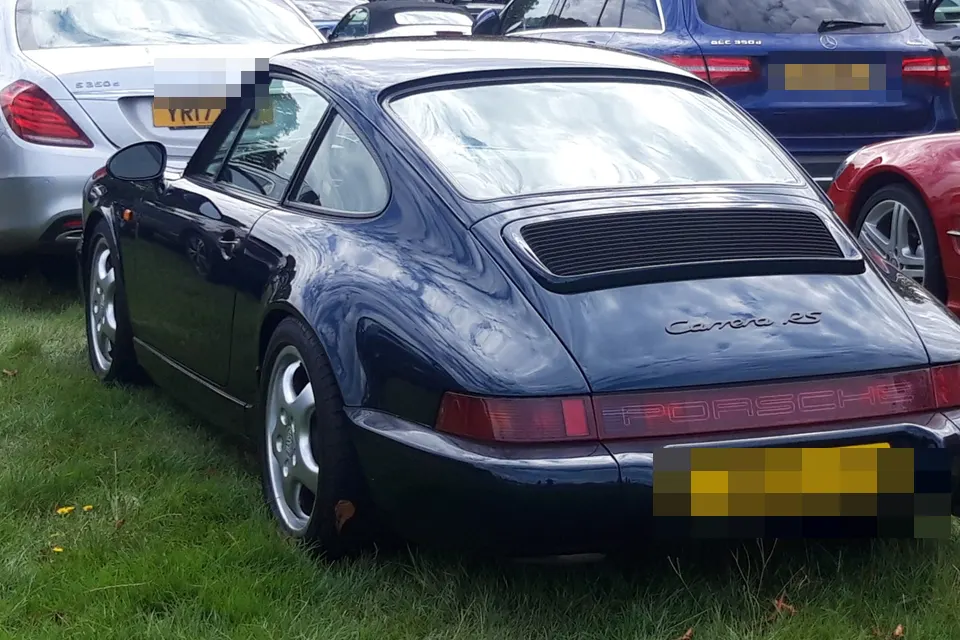
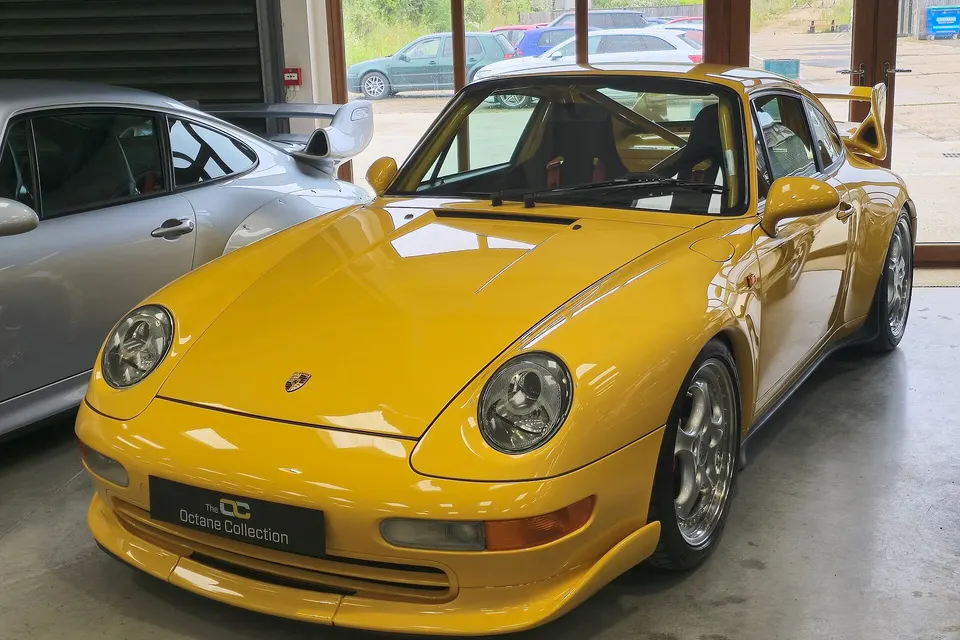
The car reopened the RS line in water-cooled form. The 993 Carrera RS had ended the air-cooled chapter, while the first GT3 established a new badge around the GT racing class. Joining GT3 and RS made the hierarchy explicit: the GT3 was the focused production foundation and the RS the rarer homologation-minded development. Every later GT3 RS would reinterpret that relationship with more power, aero or active technology.
Its sound is immediate and gear-driven, with less isolation and a single-mass flywheel making mechanical events more apparent. Many examples have lived on circuits, so exhaust, gearing, cage, seats and suspension often differ from production. A premium recording must document those elements and reject the assumption that track use proves originality. Competition suitability and factory specification are related, but they are not the same claim.
The 997.1 successor adopted the wider Carrera 4 body, retained the 415 PS GT3 engine and used a shorter-ratio manual. That next step made the RS visually broader and more mature, but the 996.2 remains the origin of the modern GT3 RS production branch. Its importance comes from establishing the template: shared core engine output, lower mass, sharper chassis, homologation purpose and unmistakable differentiation from the standard GT3.
Legacy and identity
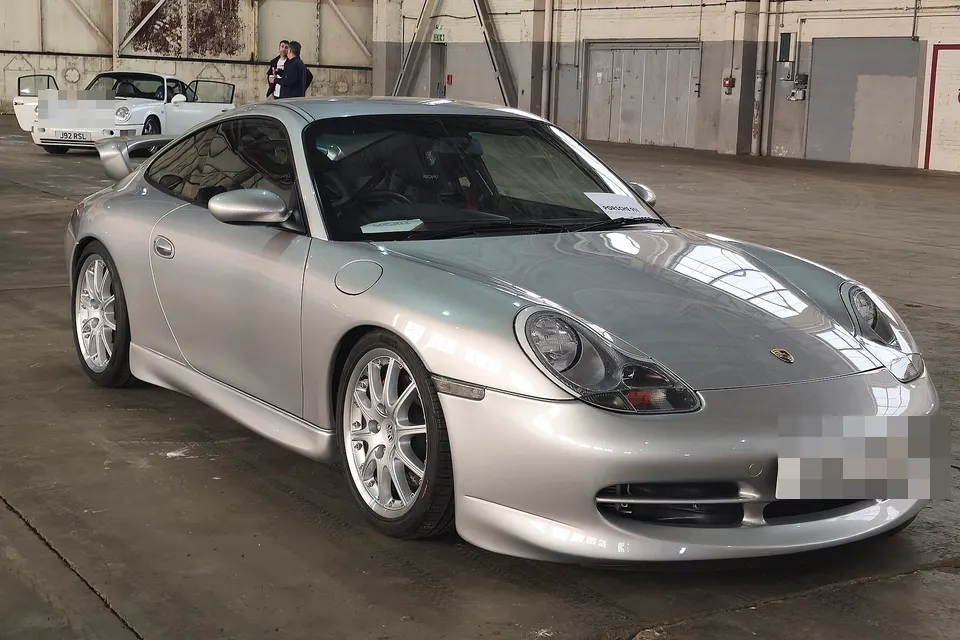
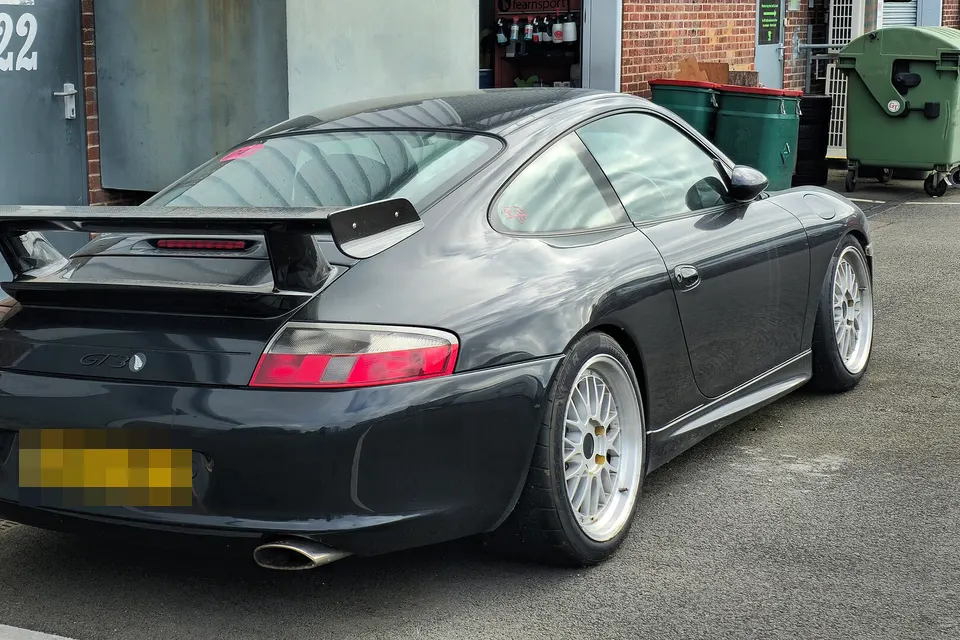
The focus here is limited to the 2003–2004 Type 996.2 GT3 RS. It excludes ordinary GT3s, Cup cars, later 997 RS models and replicas using RS colours. Exact identity depends on more than appearance, so the M96/79 engine, factory body, six-speed manual and production context remain visible beside Porsche’s evidence. That is what turns a celebrated colour scheme back into a verifiable car. It also preserves the baseline needed to judge originality, restoration decisions and historically sympathetic competition upgrades without confusing any of them with the documented original series-production specification and factory provenance.
01
Engineering context
Naturally aspirated 3.6-litre Mezger-derived flat-six, dry-sump lubrication and a single-mass flywheel.
04 / family tree
Model lineage
1972–2024 · 19 documented milestones
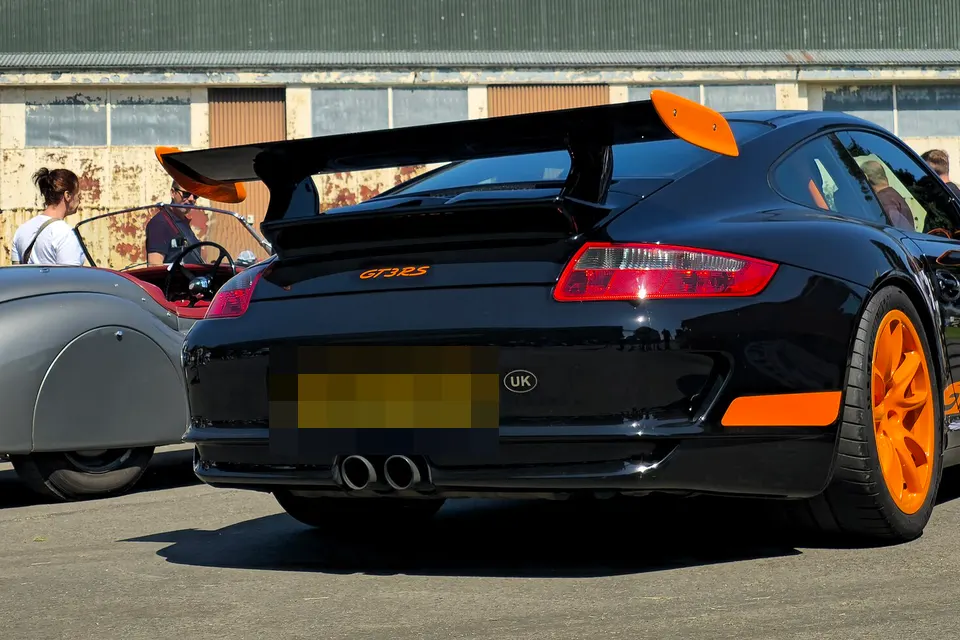
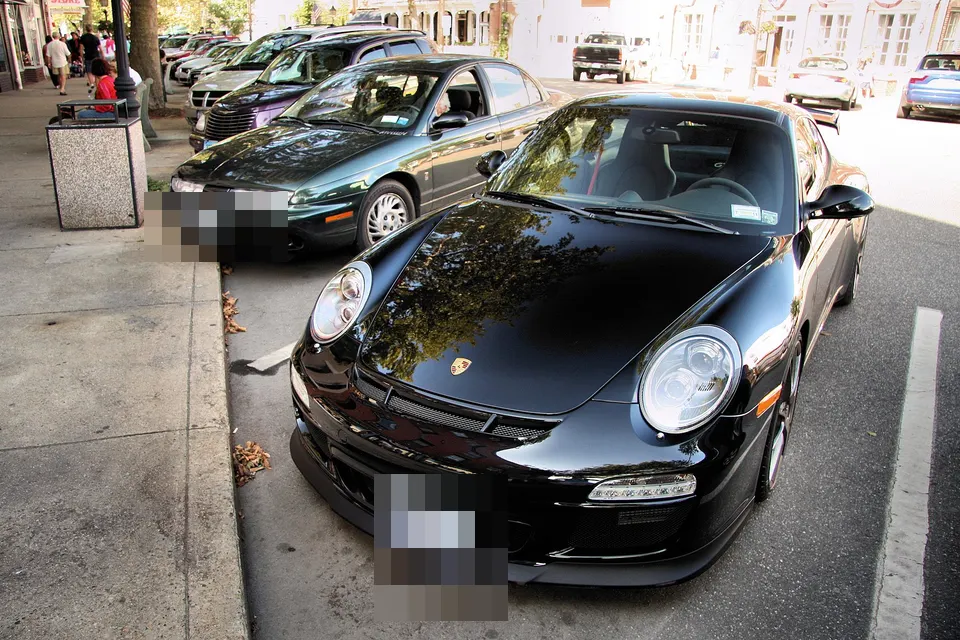
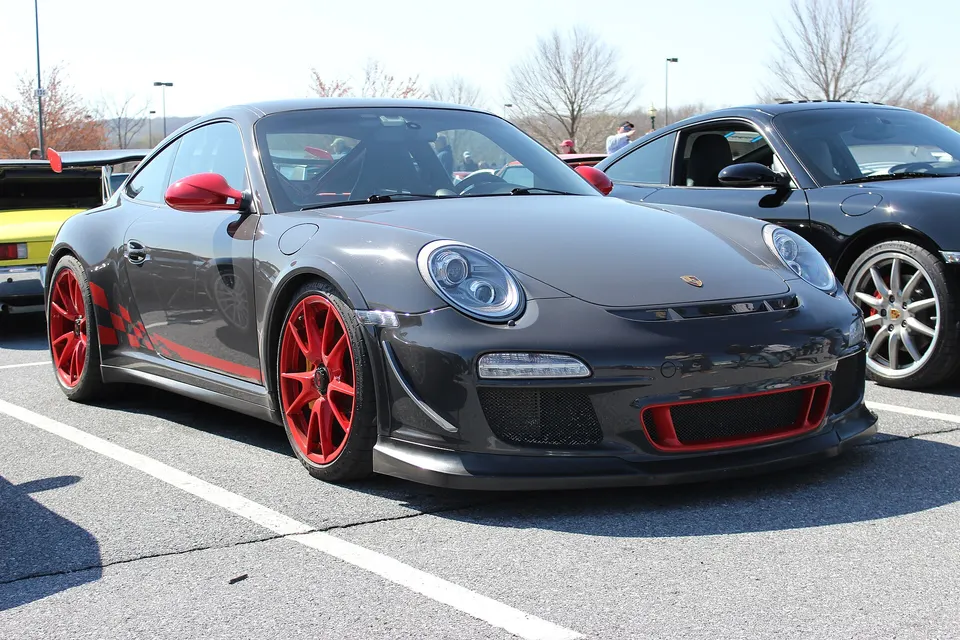
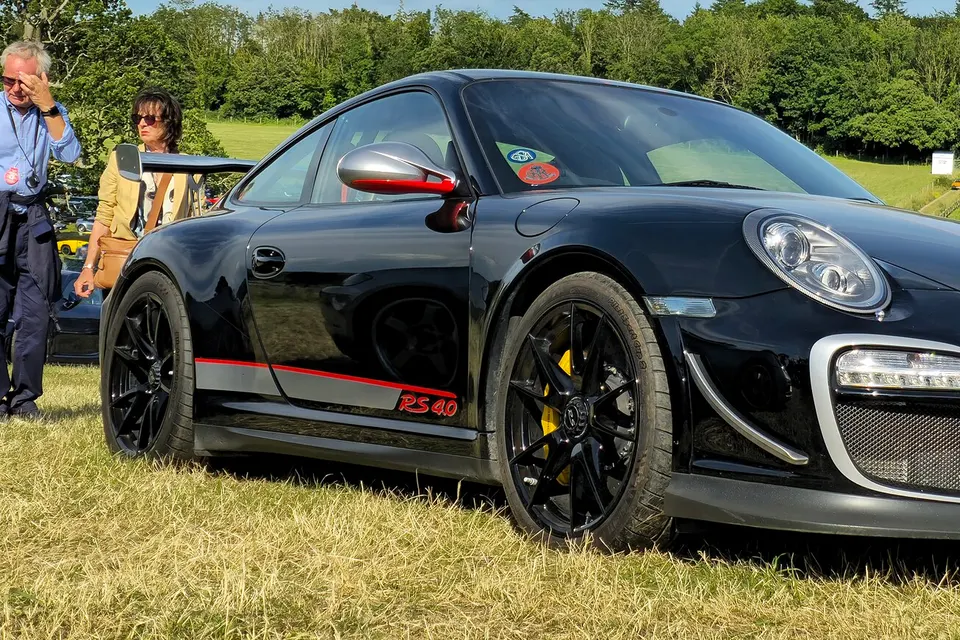
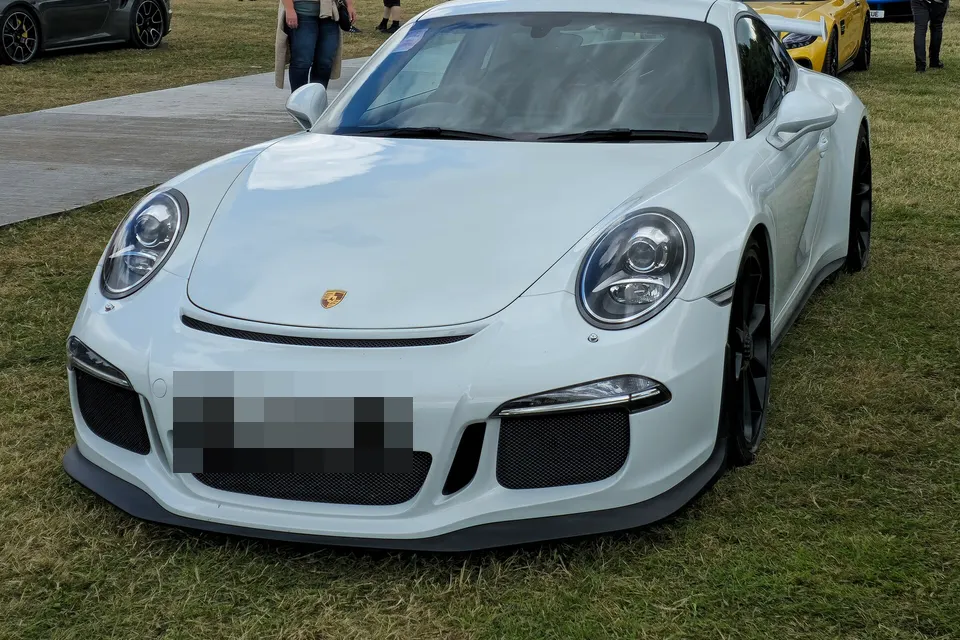
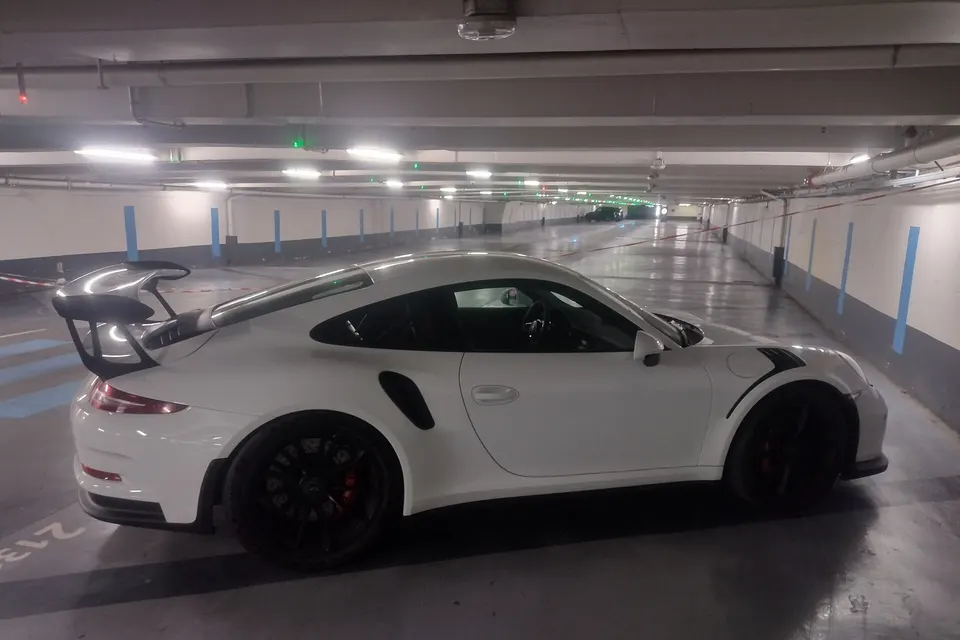
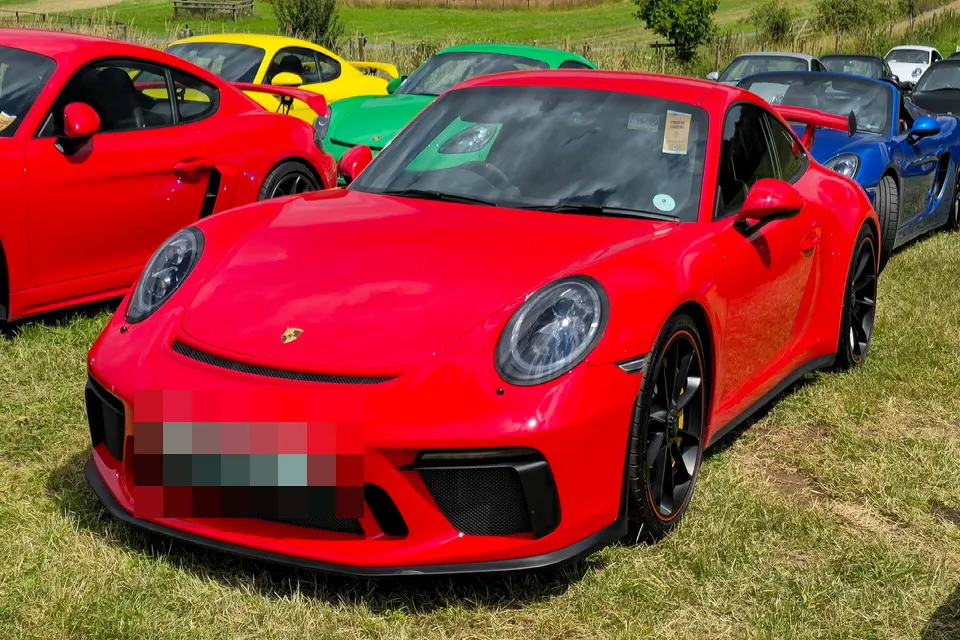
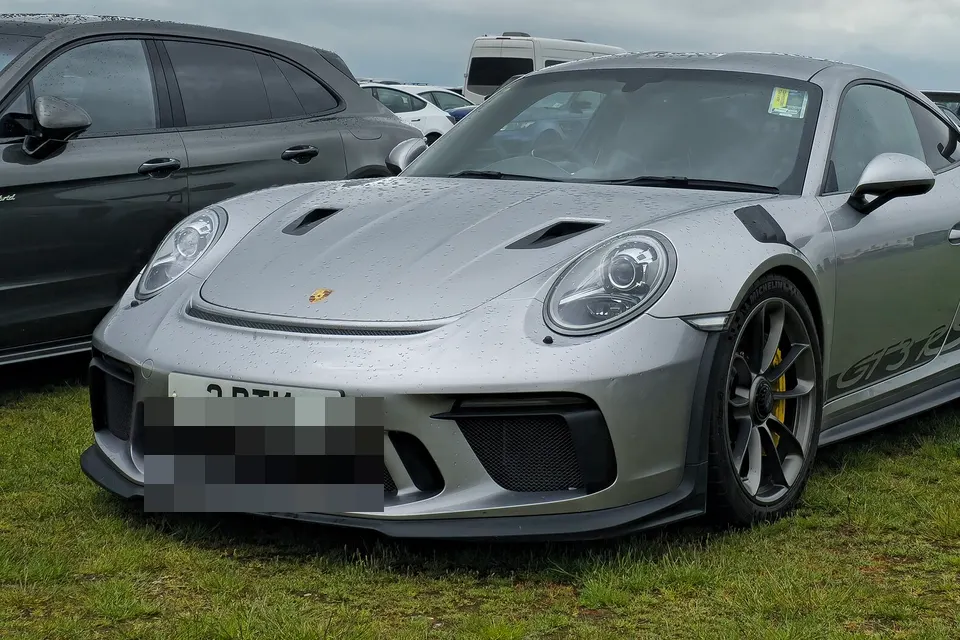
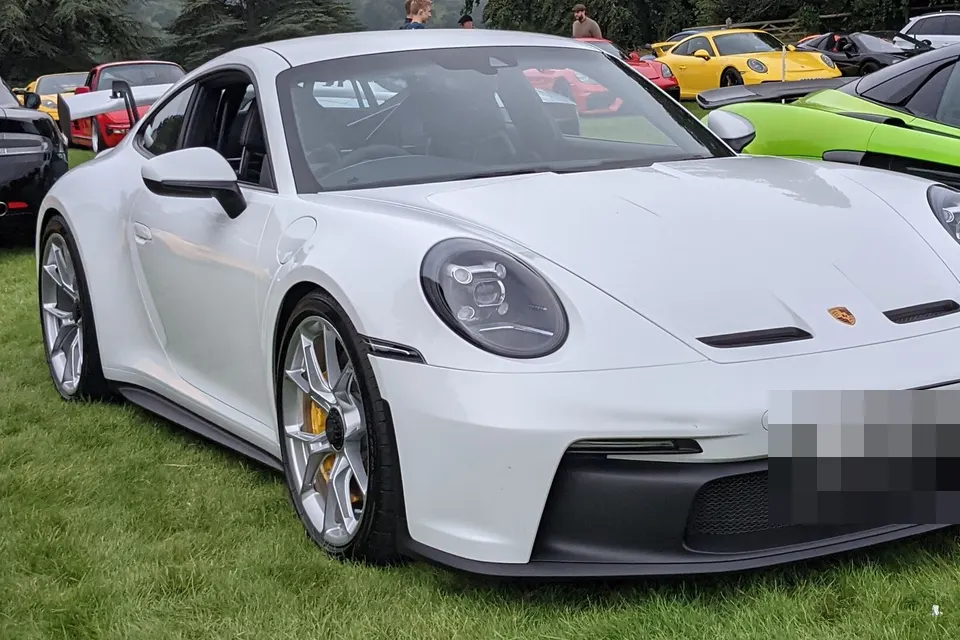
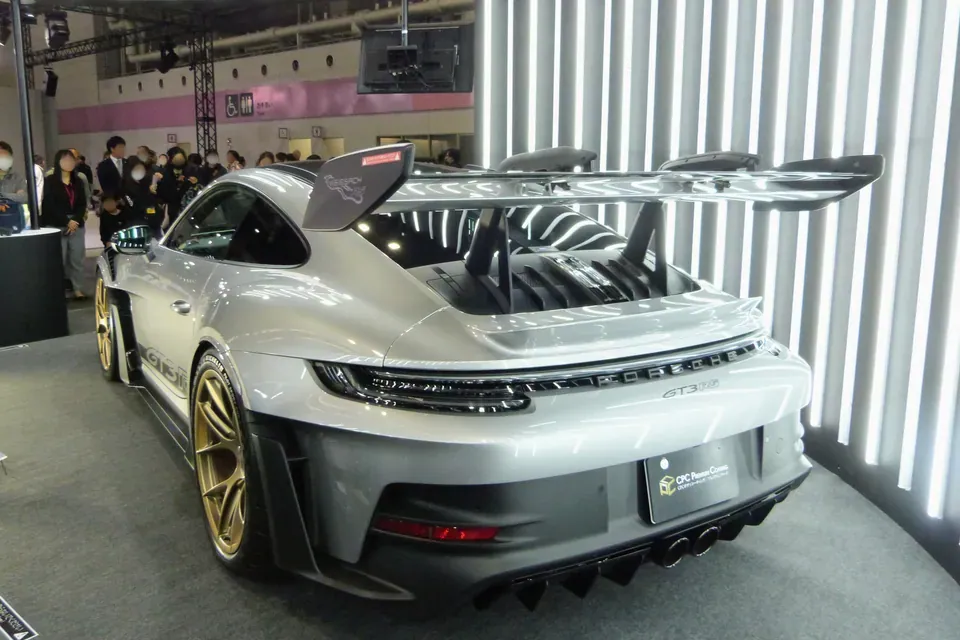
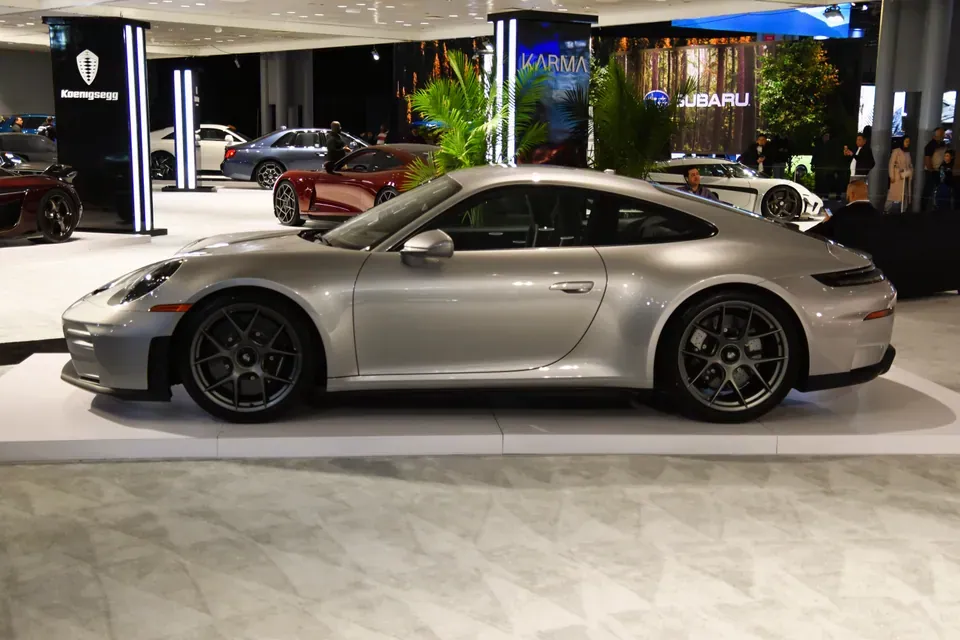
Photo: Calreyn88 · CC BY 4.0 · resized and cropped · Registration identifiers pixelated for privacy.