4.0 L flat-six · naturally aspirated · M97/74Longitudinal rear-engine, rear-wheel driveTopology diagram · not to scale · based on the cited primary sources
A 600-car, four-litre finale for the manual 997 GT3 RS and its Mezger-derived engine architecture.
R / production rarity
How rare is it?
A simple 1–5 rating based on completed worldwide production for this exact version. Price and desirability are not included.
The rating uses five fixed production bands. Smaller production runs receive higher ratings. Exact totals and responsibly sourced estimates for this precise version can be rated. Plans, regional totals, lower bounds, disputed figures and broader-family totals remain visible but unclassified. The evidence description is kept separate from the rating so a source limitation cannot change how scarcity is measured.
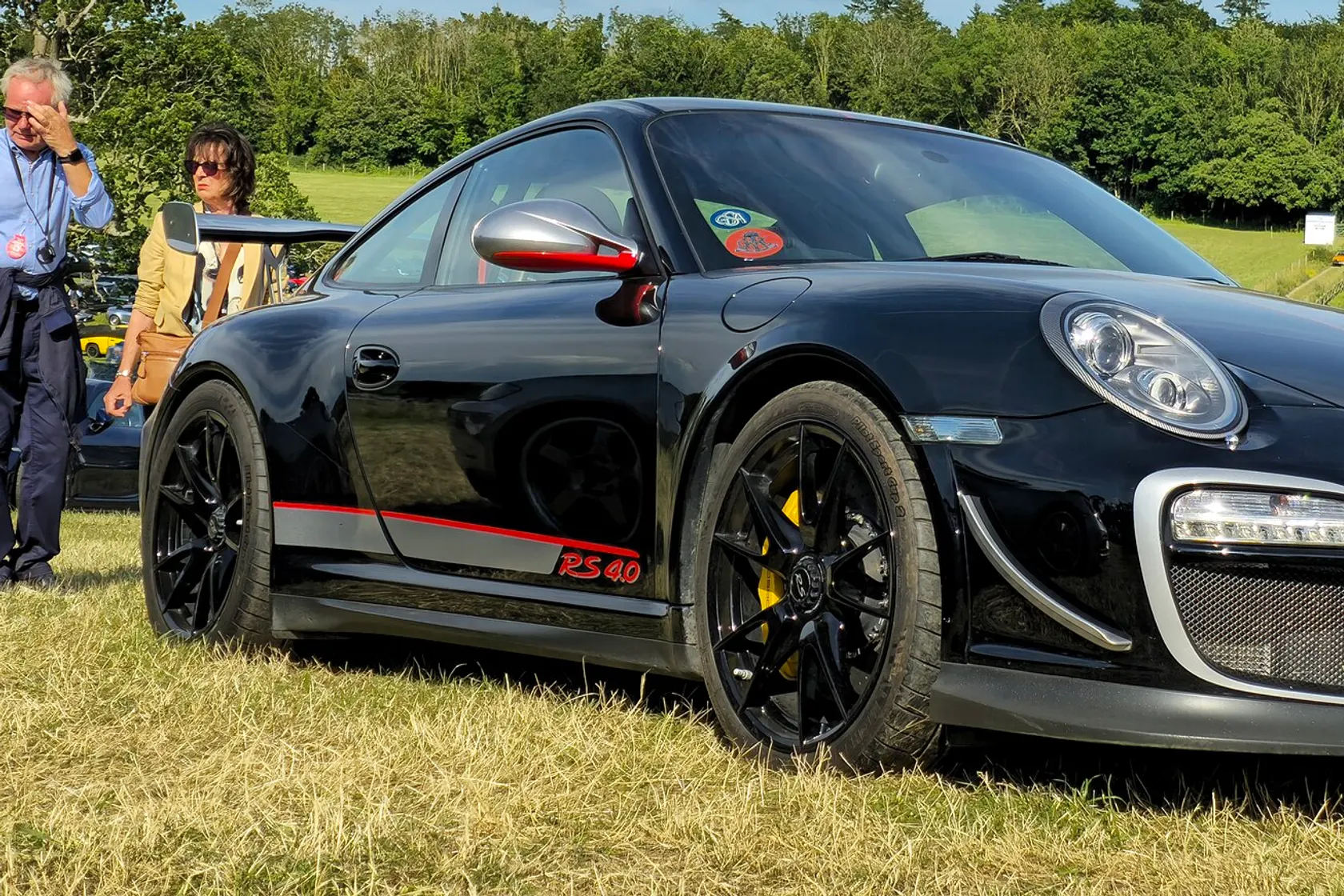
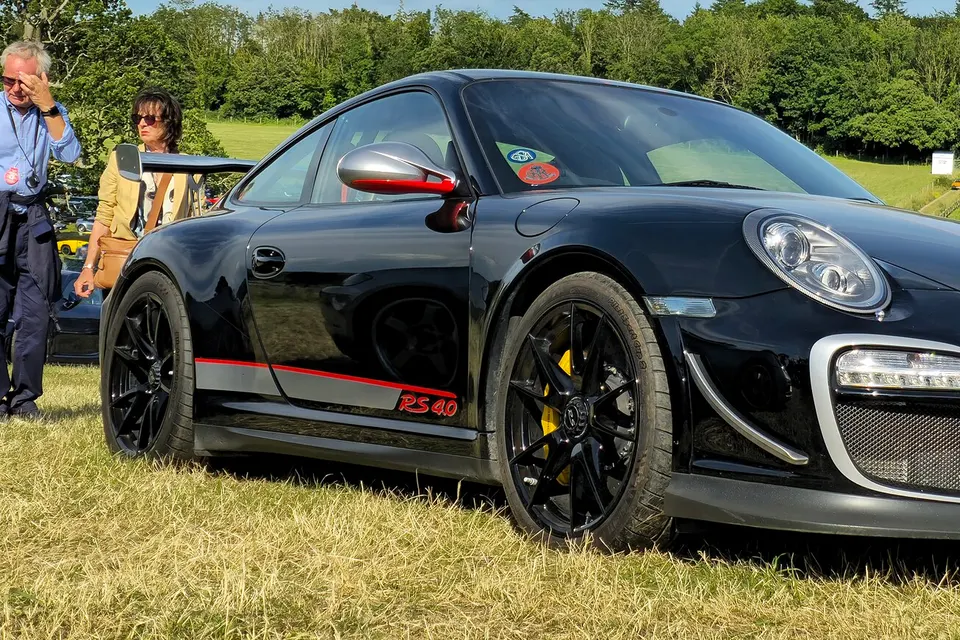
The 911 GT3 RS 4.0 arrived in 2011 as the final and most concentrated expression of the 997 GT3 line. Porsche limited production to 600 cars and described it as the first series-produced 911 with a four-litre engine. Those facts made it collectible immediately, but rarity is only the outer layer of its importance. The car closed the manual, Mezger-derived road-GT era by combining the largest displacement in that lineage with racing-derived internal components and a tightly defined lightweight package.
Its M97/74 flat-six displaced 3,996 cc and produced 368 kW (500 PS) at 8,250 rpm with 460 Nm. The crankshaft came directly from the six-cylinder 911 GT3 RSR racing engine, with titanium connecting rods linking it to forged pistons. Specific output reached 125 PS per litre without forced induction. A six-speed manual sent power to the rear wheels, ensuring that the final escalation of the 997 RS remained tied to a clutch pedal and driver-selected ratios.
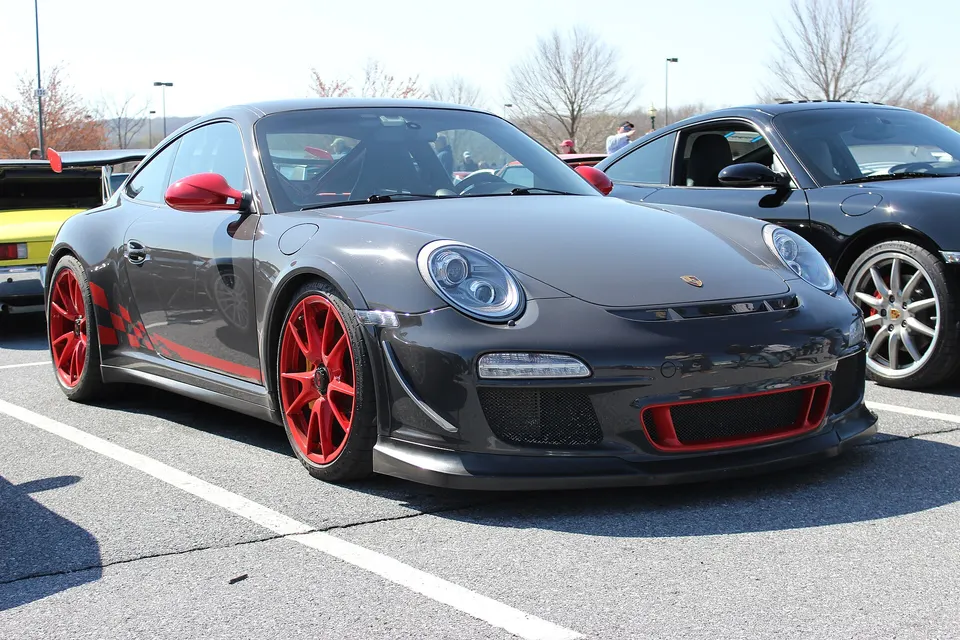
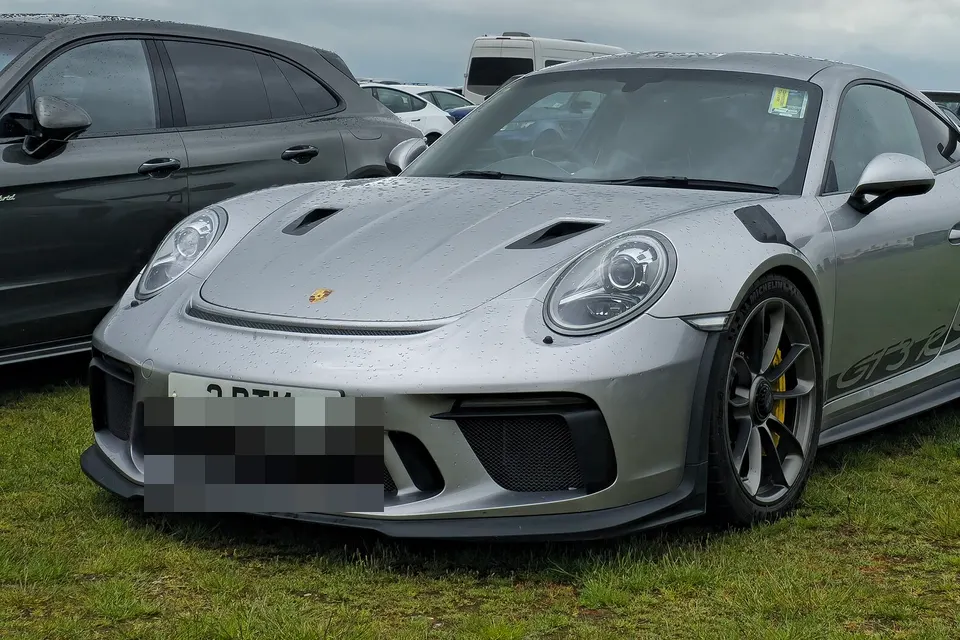
Porsche quoted 1,360 kg with a full fuel tank and a power-to-weight ratio below three kilograms per PS. The bonnet, front wings and bucket seats were carbon as standard, making lightweight construction part of the base car rather than a purely optional package. Aerodynamic details, including front dive planes, made the RS 4.0 visually distinguishable from the 3.8. Those elements belong to an integrated configuration; fitting similar parts to another 997 does not reproduce the factory model or its provenance.
Engineering and character
The engineering story is more precise than the shorthand “a bored-out GT3 RS.” A larger swept volume, RSR crankshaft, titanium rods and forged pistons changed both loading and response, while the production engine still had to satisfy road-car durability and emissions requirements. The 500 PS figure equalled the first 991-generation RS that followed, but the cars reach it through different engine architectures and transmissions. Similar outputs across generations should therefore be treated as comparison points, not evidence of mechanical continuity.
Acoustically, the four-litre combines stronger combustion pulses and intake mass with the fast-edged character of a high-speed naturally aspirated flat-six. The single-mass, manual drivetrain leaves transient and gear noise audible, particularly through a lightweight cabin. Because replacement exhausts and track preparation are common, a faithful recording must document the complete gas path, intake, flywheel, software and interior. The archival aim is not maximum loudness; it is the reproducible voice of the 600-car production specification.
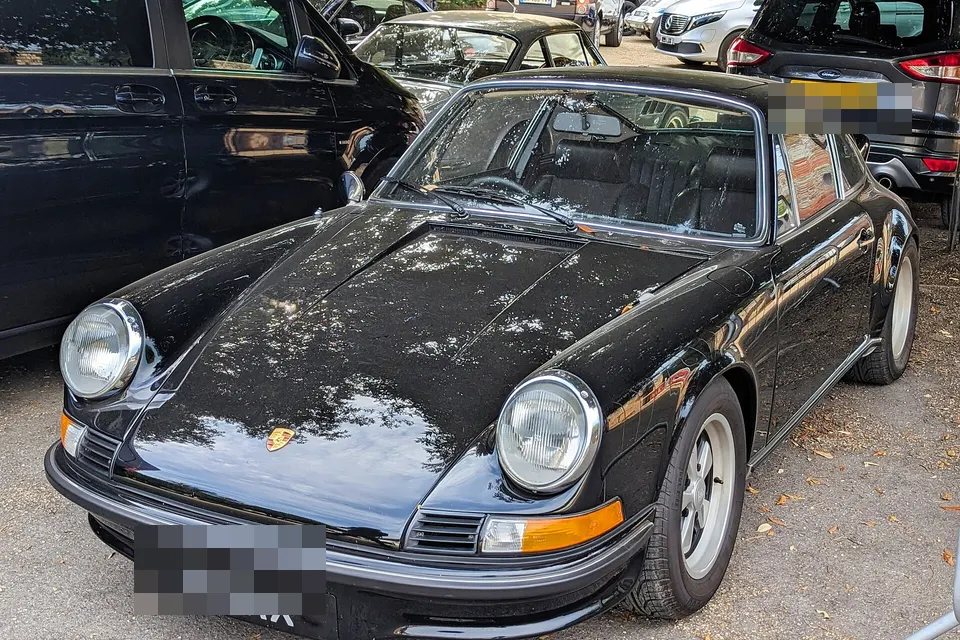
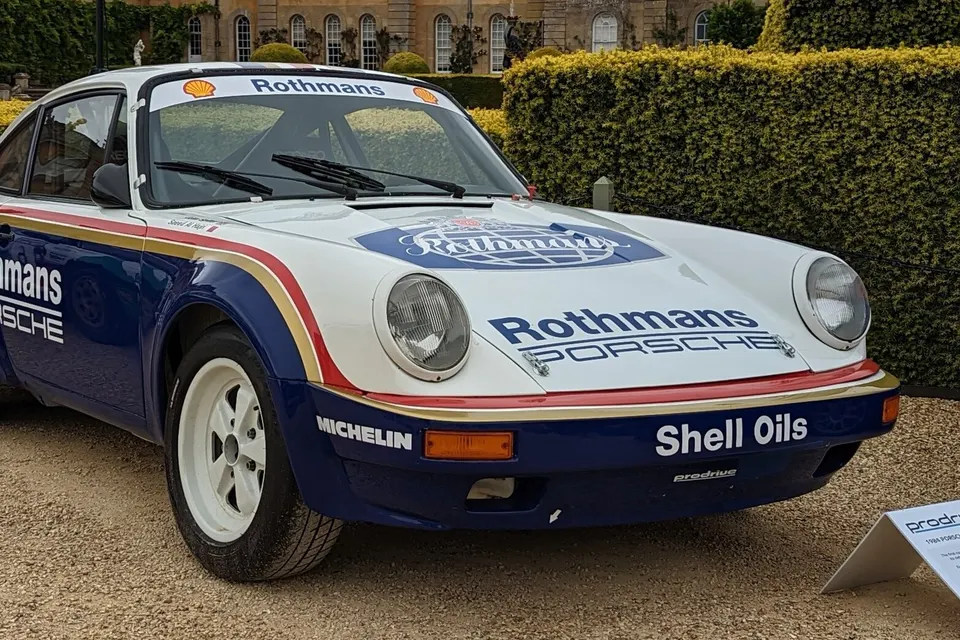
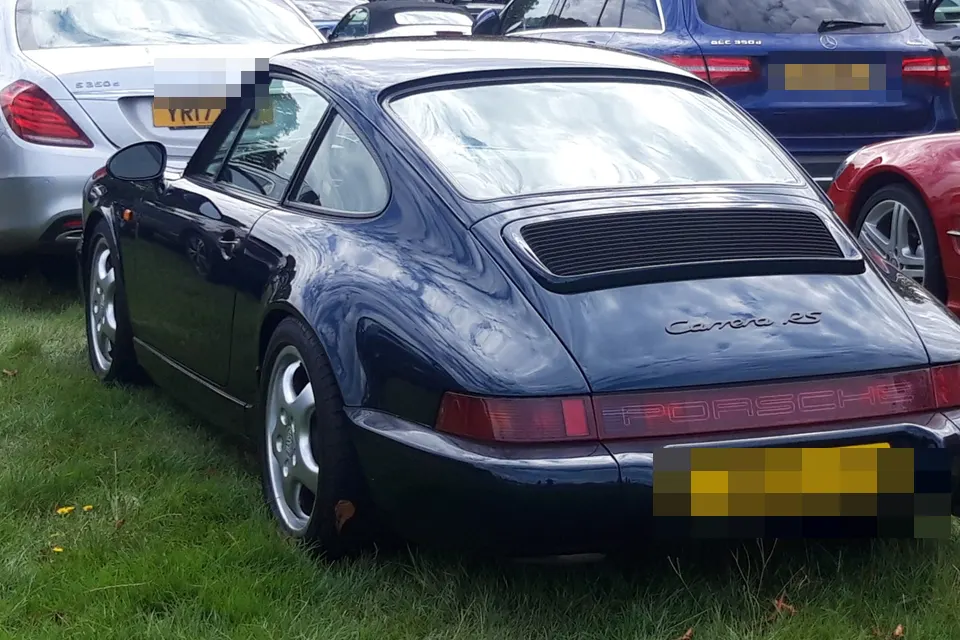
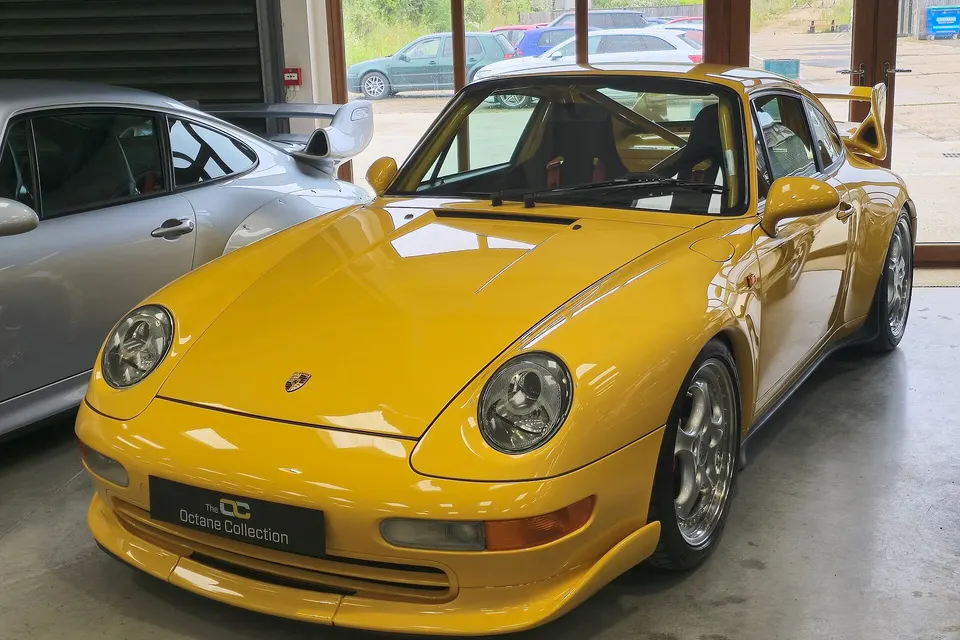
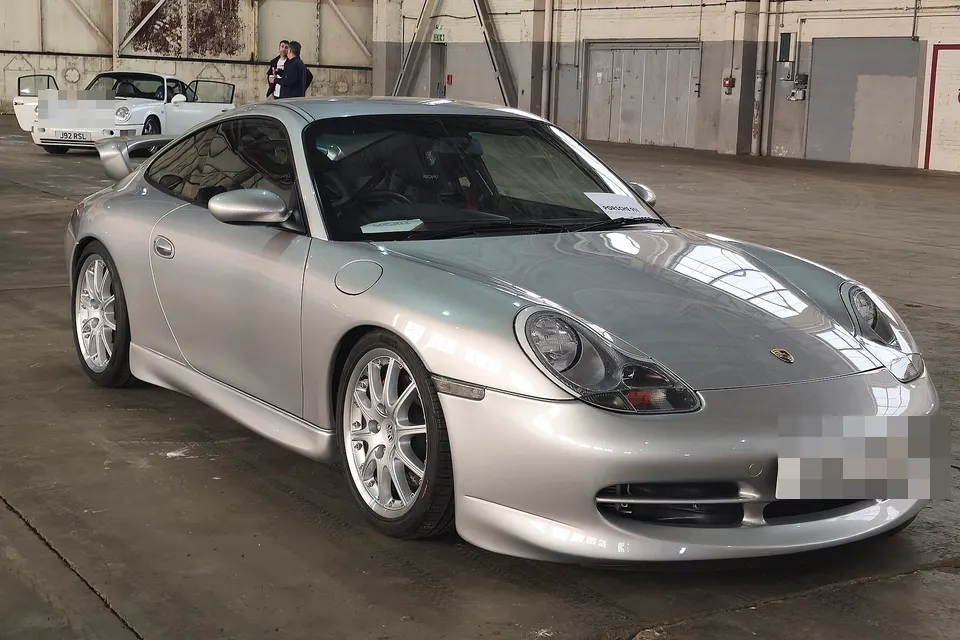
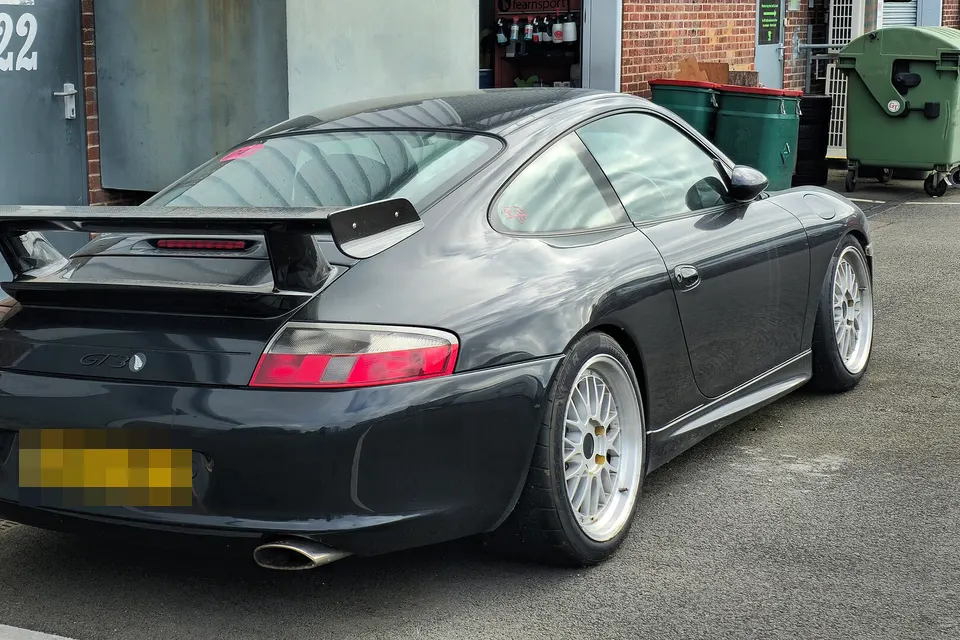
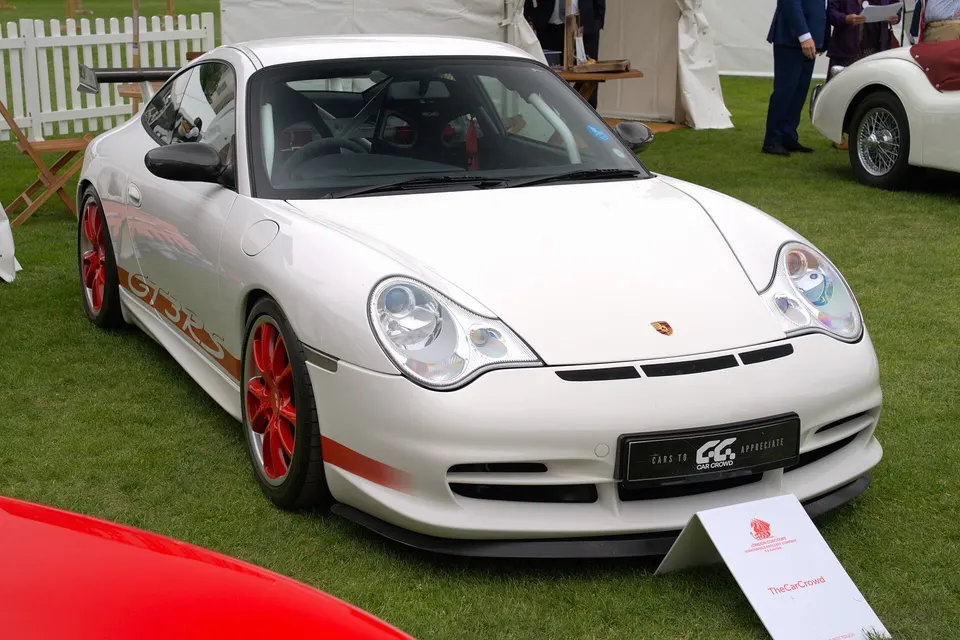
In lineage terms, this car is the endpoint of a sequence that began with the 996.1 GT3 in 1999. The 997.2 GT3 RS 3.8 had already created an RS-specific power advantage, but the 4.0 added motorsport internals and limited-series finality. The 991.1 GT3 then introduced a non-Mezger engine, PDK and rear-axle steering, a genuine technical reset. That break is why the RS 4.0 carries significance beyond its scarcity: it preserves the most developed form of the preceding philosophy.
Legacy and identity
This record covers only the 2011 Type 997.2 911 GT3 RS 4.0. It excludes the 450 PS 3.8-litre RS, competition RSR machinery and later four-litre 991 or 992 models. For a broad audience it is a compelling finale; for purists it is a specific factory system whose authenticity cannot be inferred from displacement badges alone.
01
Engineering context
Four-litre dry-sump flat-six using a GT3 RSR crankshaft and titanium connecting rods.
04 / family tree
Model lineage
1972–2024 · 19 documented milestones
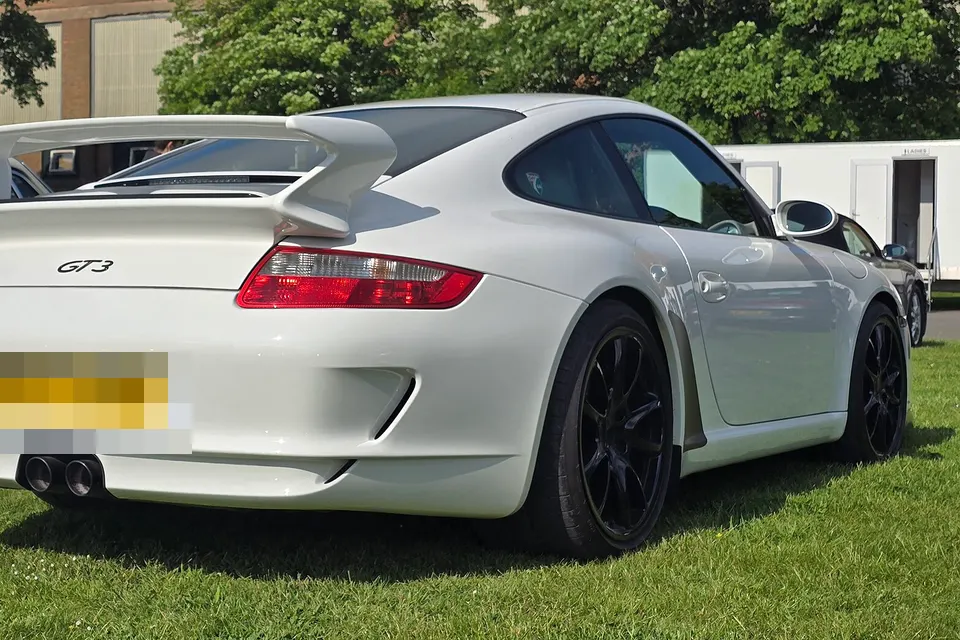
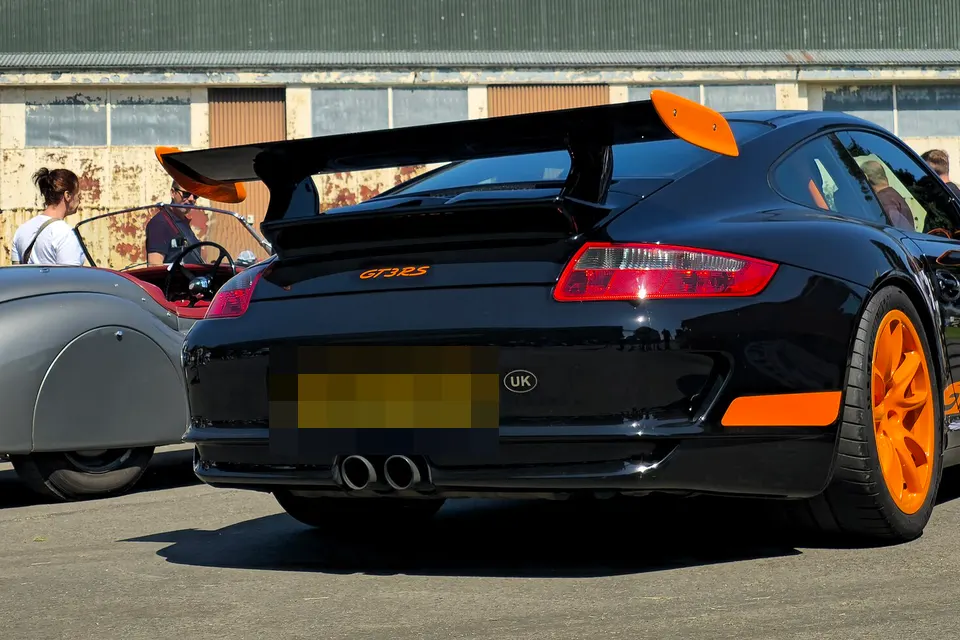
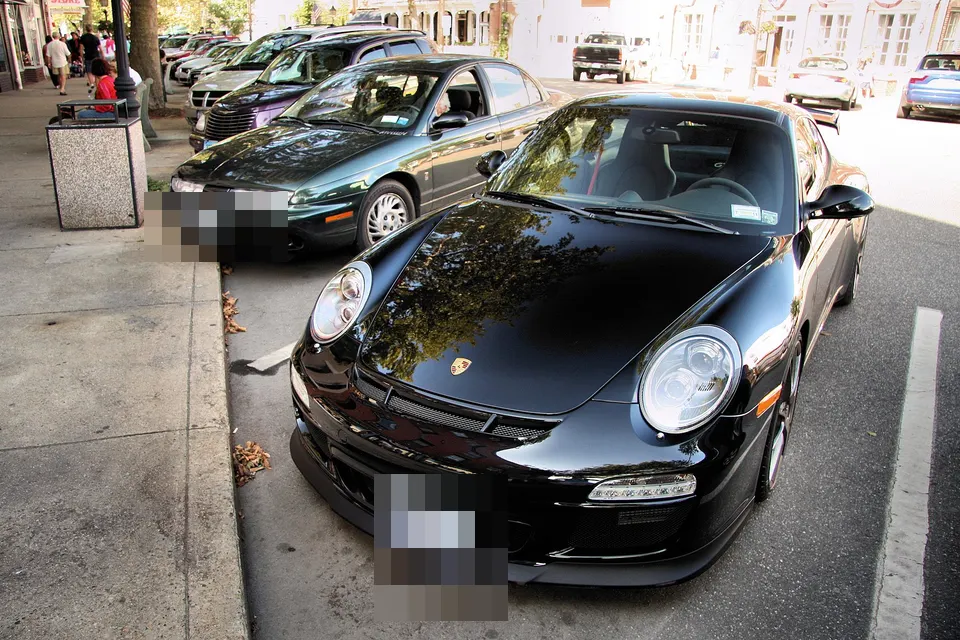
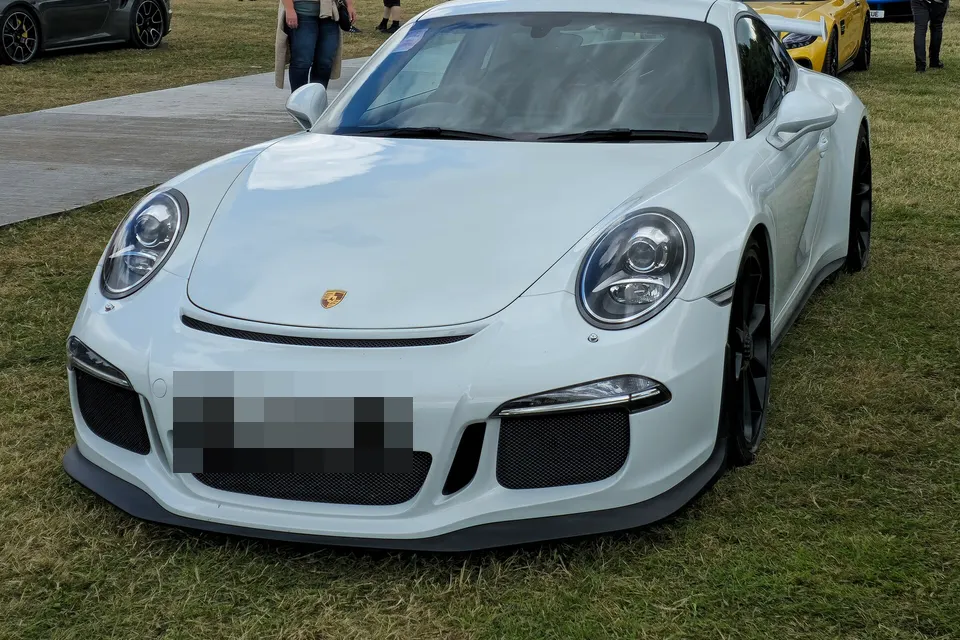
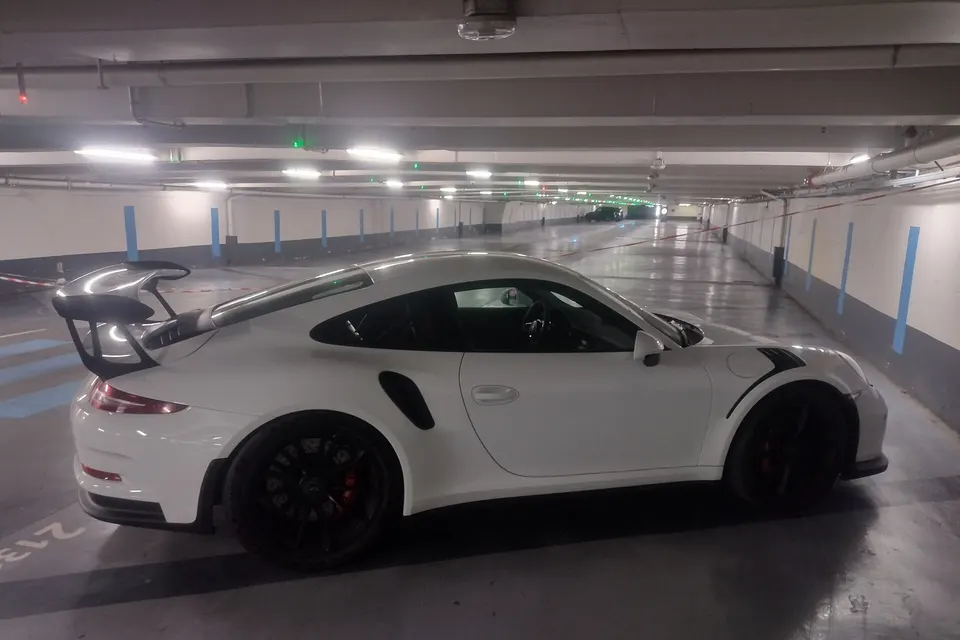
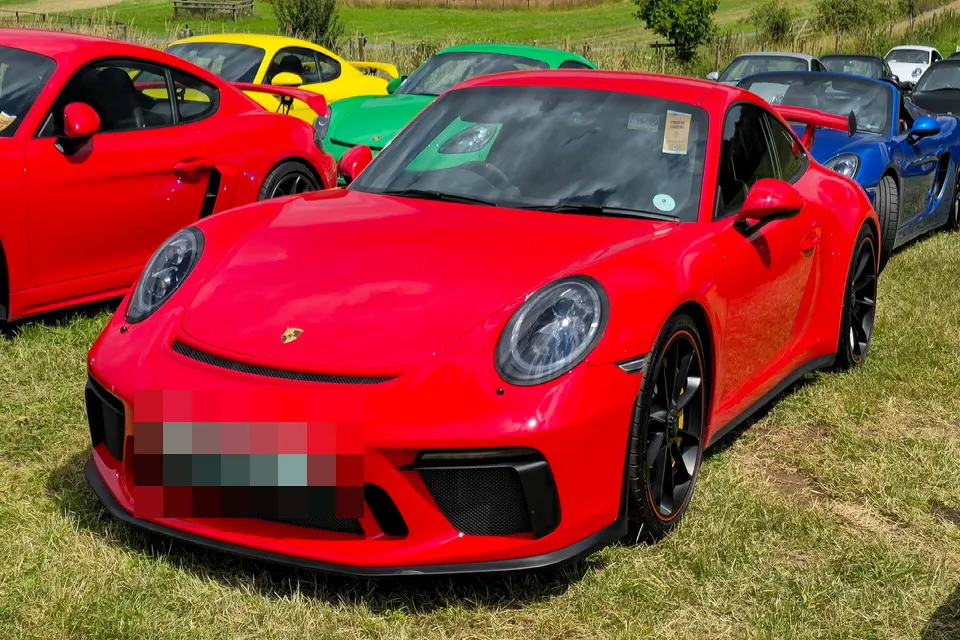
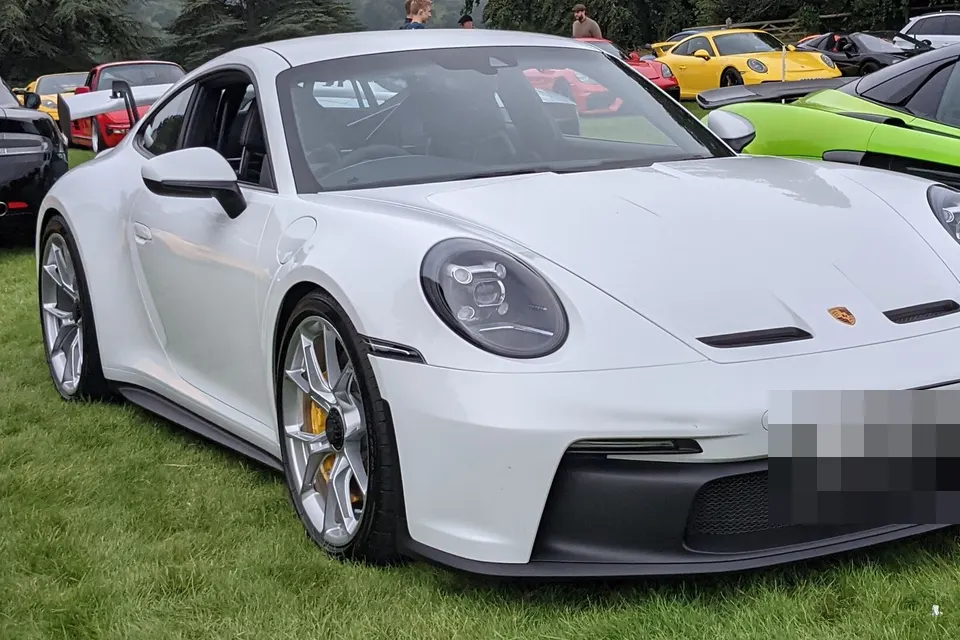
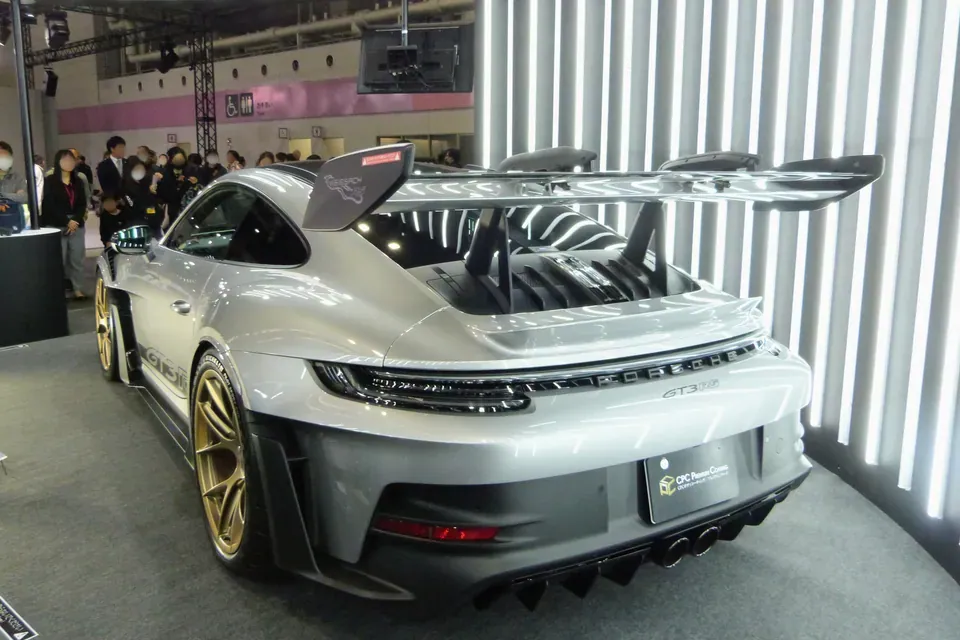
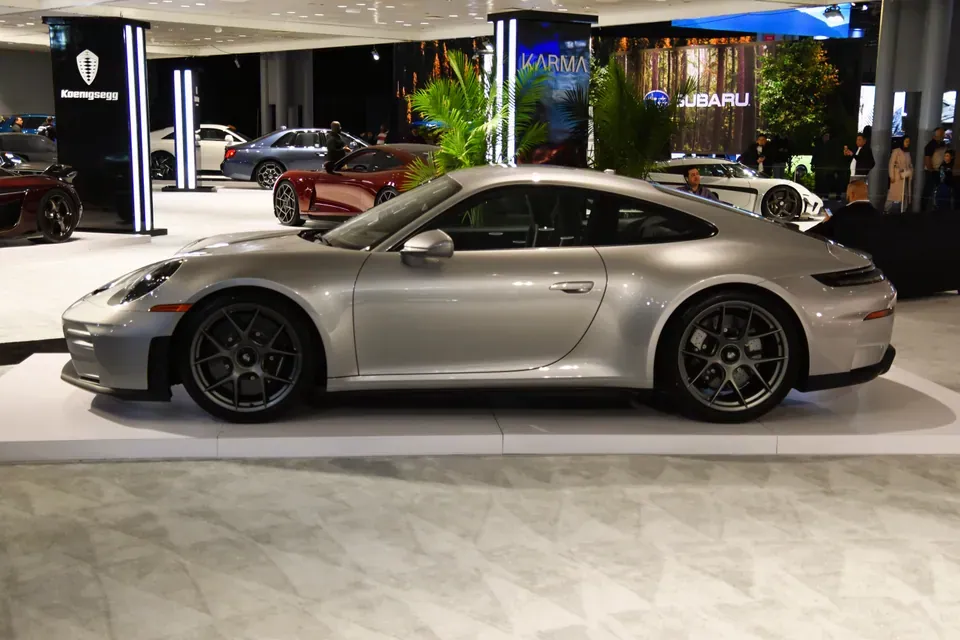
Photo: Calreyn88 · CC BY 4.0 · resized and cropped · Registration identifiers pixelated for privacy.