3.8 L flat-six · naturally aspirated · M97/77Longitudinal rear-engine, rear-wheel driveTopology diagram · not to scale · based on the cited primary sources
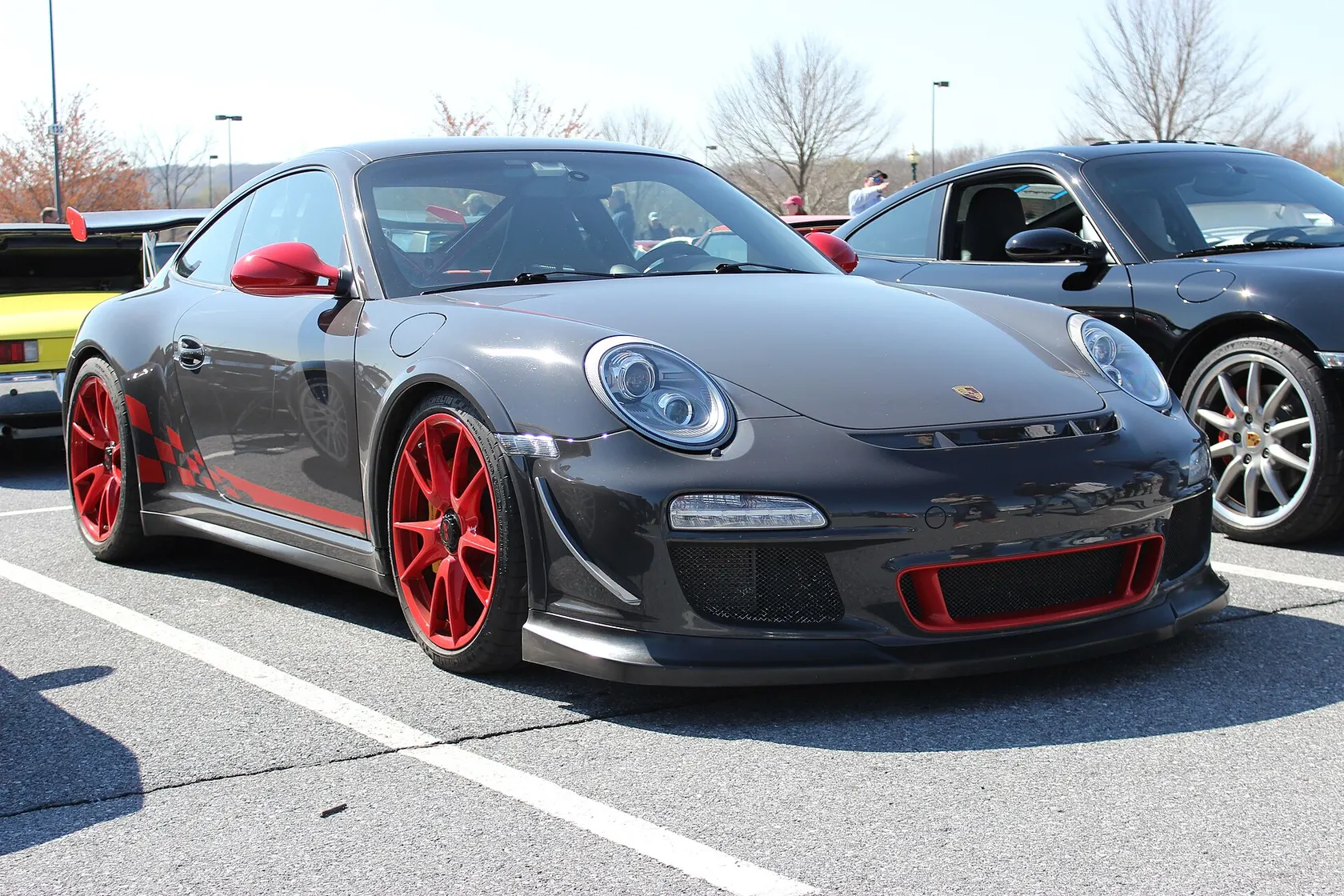
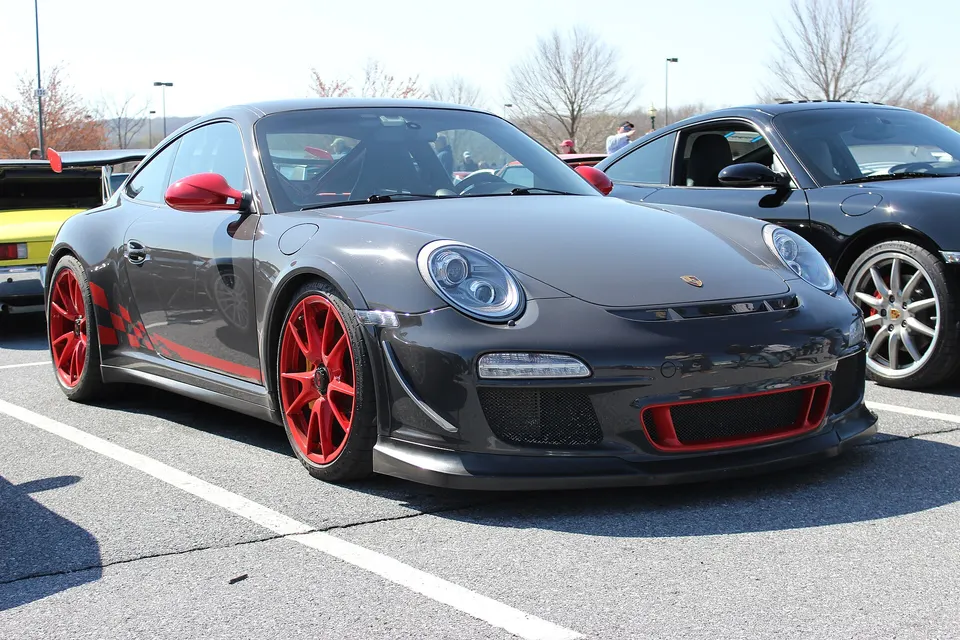
The first GT3 RS to exceed its contemporary GT3 in power, with 450 PS from 3.8 litres.
R / production rarity
How rare is it?
A simple 1–5 rating based on completed worldwide production for this exact version. Price and desirability are not included.
Rarity rating3/ 5
Rare
Production band250 to 2,499 built
Production evidencePublished estimate
ProducedWorldwide total used for the rating1,619
Published approximate production
Figure type
Estimated
Scope
Type 997.2 GT3 RS coupés with the 3.8-litre engine
The rating uses five fixed production bands. Smaller production runs receive higher ratings. Exact totals and responsibly sourced estimates for this precise version can be rated. Plans, regional totals, lower bounds, disputed figures and broader-family totals remain visible but unclassified. The evidence description is kept separate from the rating so a source limitation cannot change how scarcity is measured.
Porsche introduced the 997.2 GT3 RS in 2009 as the second major RS development of the water-cooled era. Where the 997.1 RS had shared its engine output with the standard GT3, this version received a model-specific advantage. The change made the relationship between GT3 and RS more explicit: the regular 3.8-litre GT3 remained the road-and-track foundation, while the RS added power, shorter gearing, greater track width and focused lightweight measures for owners who placed circuit response ahead of discretion.
The M97/77 naturally aspirated flat-six displaced 3,797 cc and produced 331 kW (450 PS) with a baseline 430 Nm. Porsche’s retrospective identifies it as the first naturally aspirated GT3 RS whose engine was stronger than the contemporary GT3, which produced 435 PS. Specific output reached 118 PS per litre and the engine could turn to 8,500 rpm. A six-speed manual and single-mass flywheel drove the rear wheels, preserving the direct powertrain format while extracting more from the mature Mezger-derived architecture.
The Sport button reveals why torque figures require context. Porsche stated that activating it increased mid-range torque by 35 Nm, up to 465 Nm, rather than changing the engine’s absolute identity into a different derivative. The front track was widened as well as the rear, the brakes used aluminium chambers, and PASM received an RS-specific calibration. Porsche Stability Management gained a circuit-developed control strategy that could be disabled in two stages, giving the driver more graduated authority over intervention.
Engineering and character
Lightweight components included a titanium rear silencer and a single-mass flywheel 1.4 kg lighter than the relevant comparison part. Porsche quoted 1,370 kg unladen, 25 kg below the narrower GT3, while an optional lithium-ion battery could remove a further 10 kg for track operation. These are configuration-sensitive claims: a car with the conventional battery, replacement exhaust or added equipment should not inherit the lightest possible number simply because its decklid carries RS lettering.
A striking validation came at the 2010 Nürburgring 24 Hours. Porsche records that a series-model GT3 RS completed the race, finished thirteenth overall and travelled to and from the event on public roads. The result did not turn every road car into a competition machine, but it demonstrated the durability behind the road-approved track brief. It also expresses why the RS story is larger than lap-time marketing: sustained thermal, braking and drivetrain performance matter when a car is designed for repeated circuit work.
The sound combines greater 3.8-litre body with a hard 8,500 rpm upper register. Short ratios make the engine traverse that range rapidly, while the light flywheel changes transient response and the titanium silencer shapes the factory exhaust note. Modifications to any of those systems can be obvious or visually subtle. Premium audio documentation therefore records exhaust part specification, battery and cabin configuration, intake hardware, engine temperature and selected Sport mode rather than presenting one dramatic clip as universal.
Legacy and identity
The focus here is the 2009–2011 Type 997.2 GT3 RS and excludes the standard 435 PS GT3, the earlier 3.6-litre RS and the 2011 RS 4.0. The last exclusion is especially important: the RS 4.0 uses different displacement, internal components and production context despite sharing the updated 997 body. Exact boundaries let the 3.8 stand on its own—as the first RS with an output advantage over its GT3 sibling and the fullest series-production development before the four-litre finale.
01
Engineering context
Naturally aspirated dry-sump 3.8-litre flat-six with a lightweight flywheel and RS-specific breathing.
04 / family tree
Model lineage
1972–2024 · 19 documented milestones
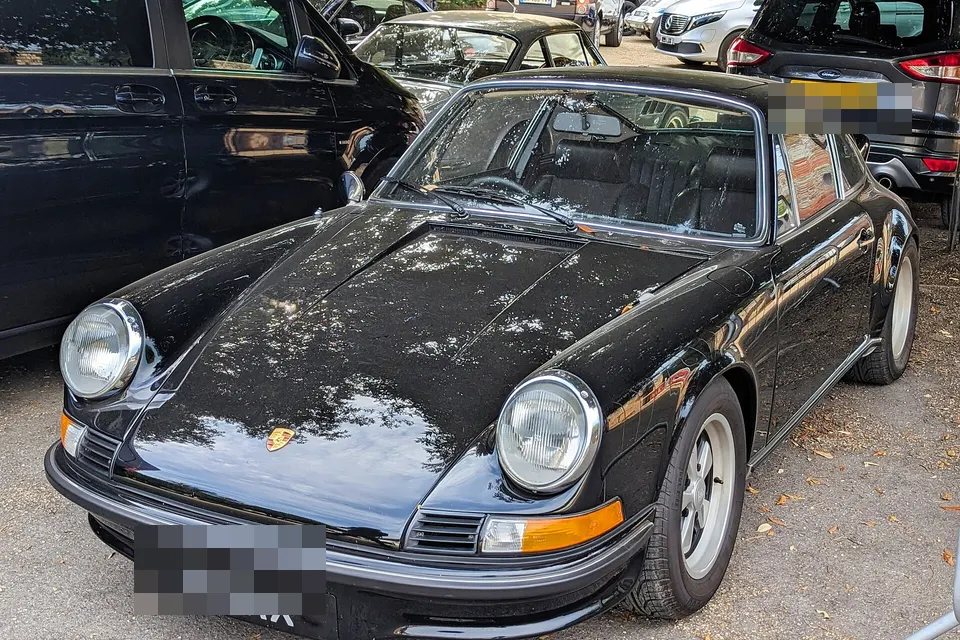
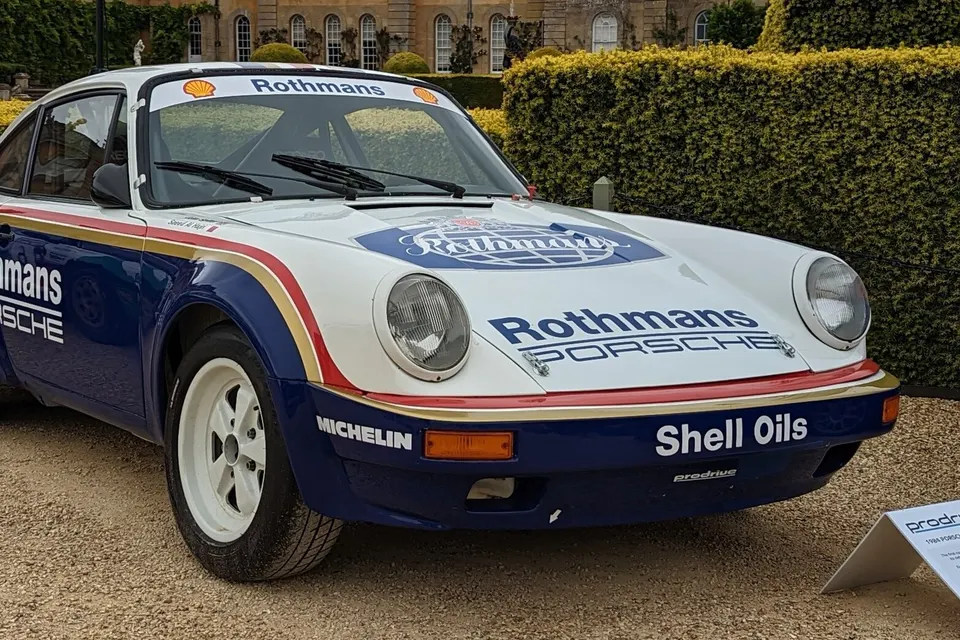
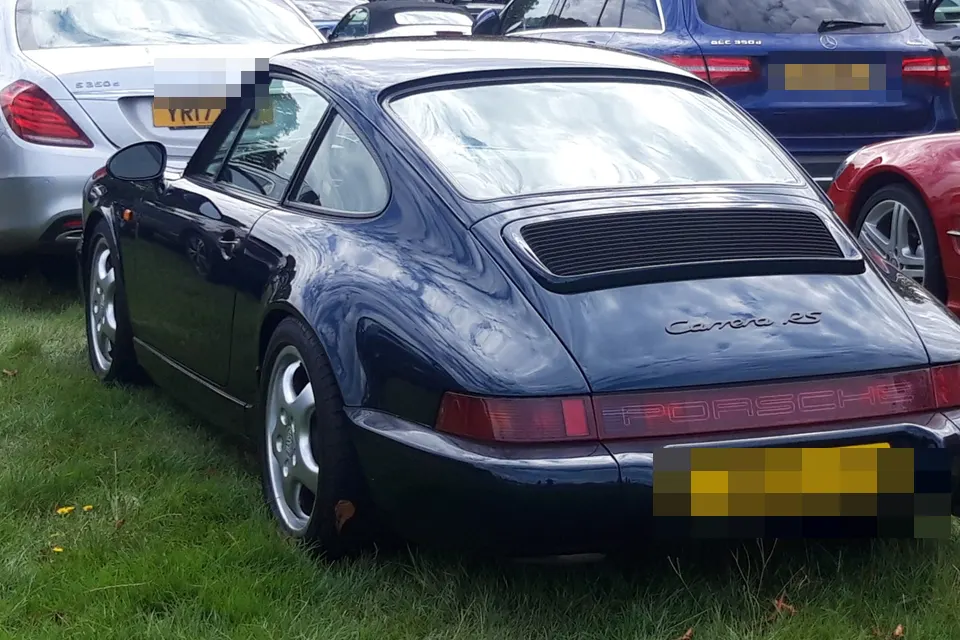
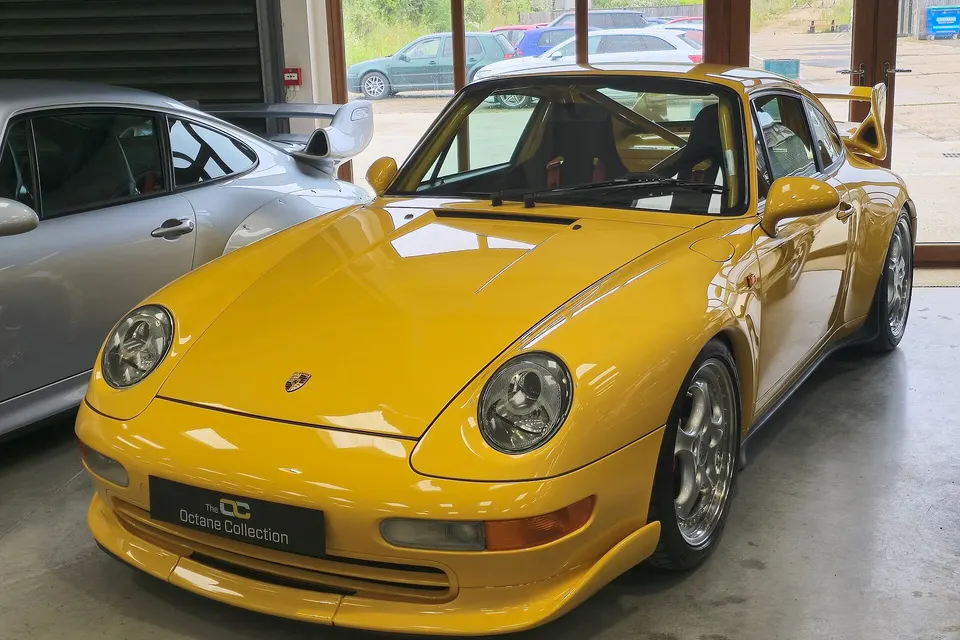
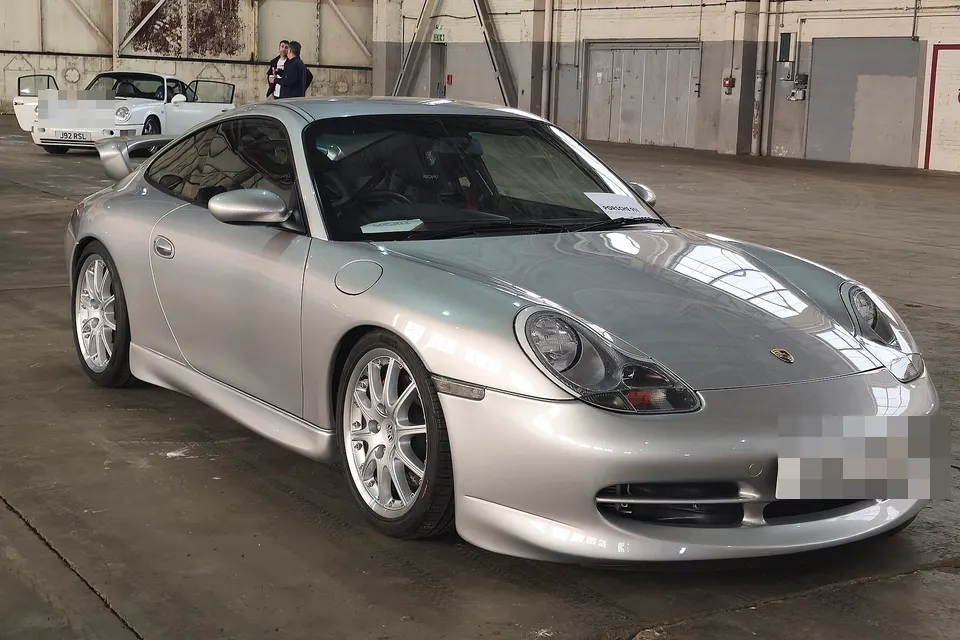
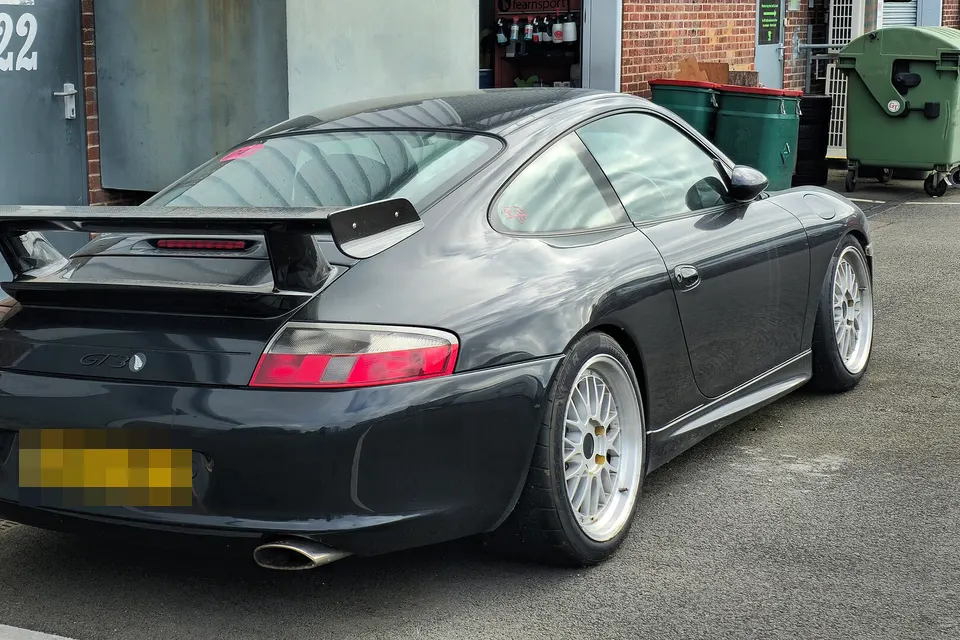
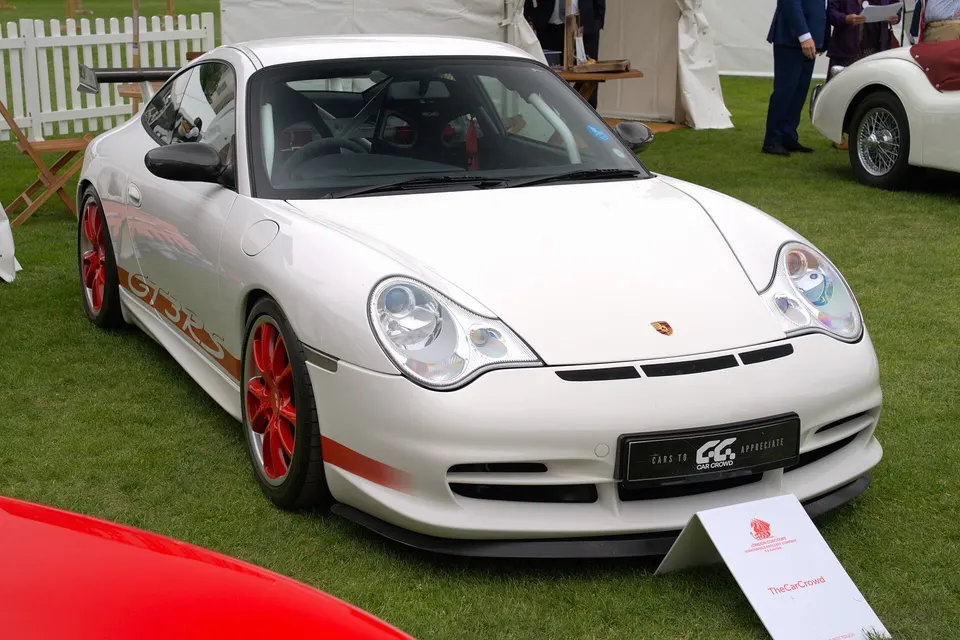
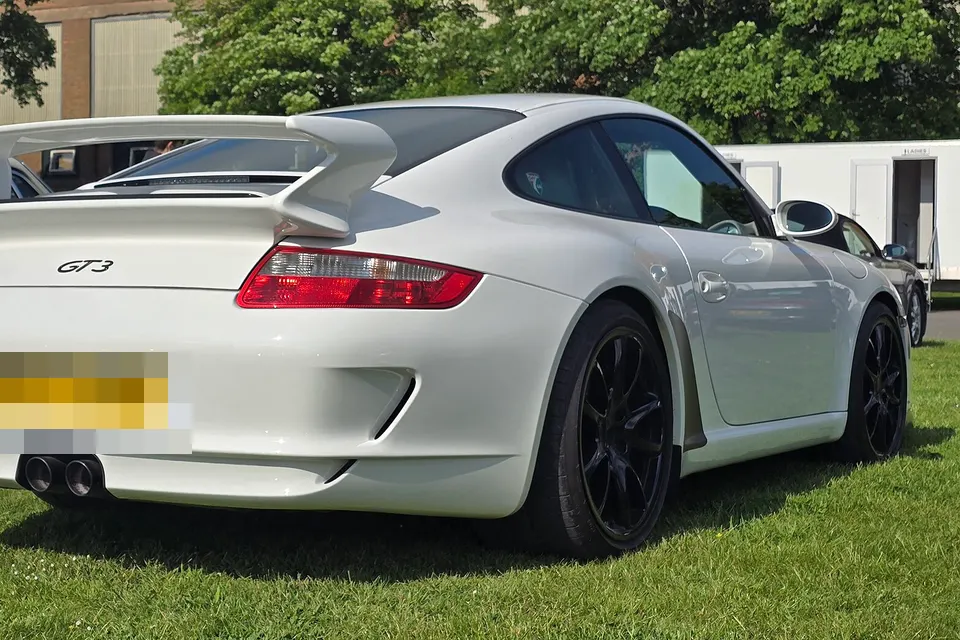
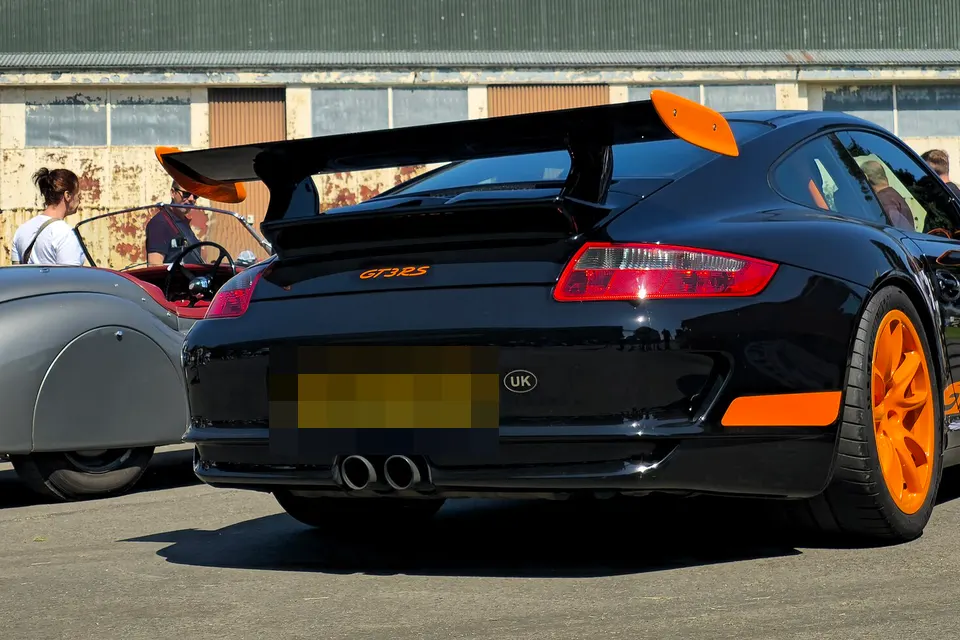
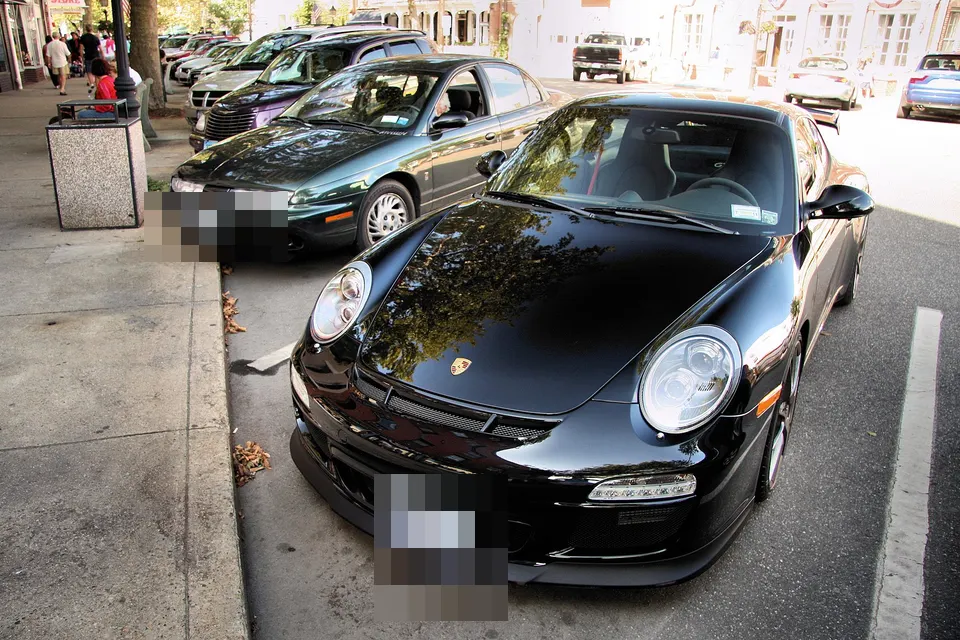
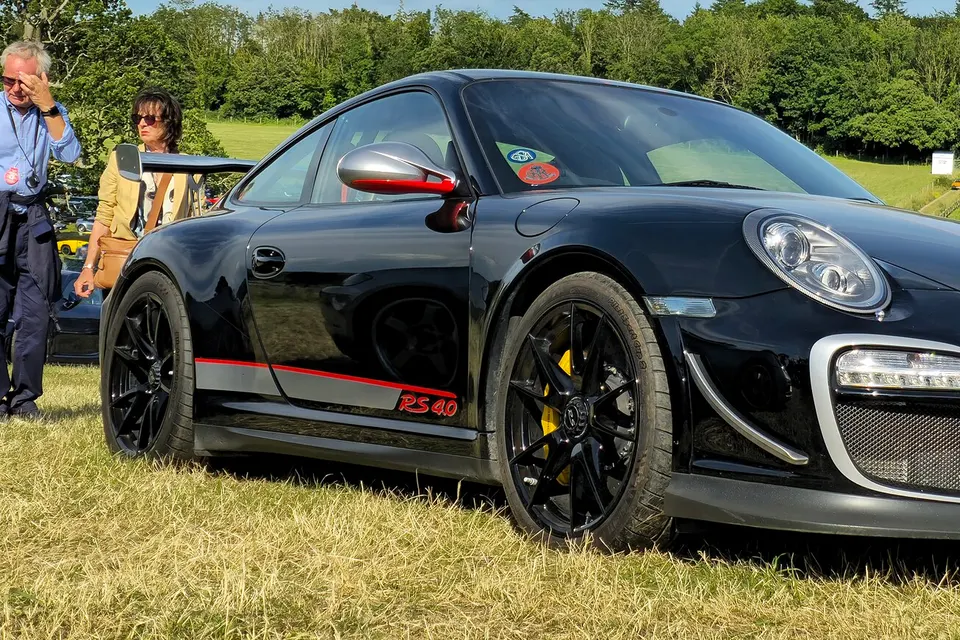
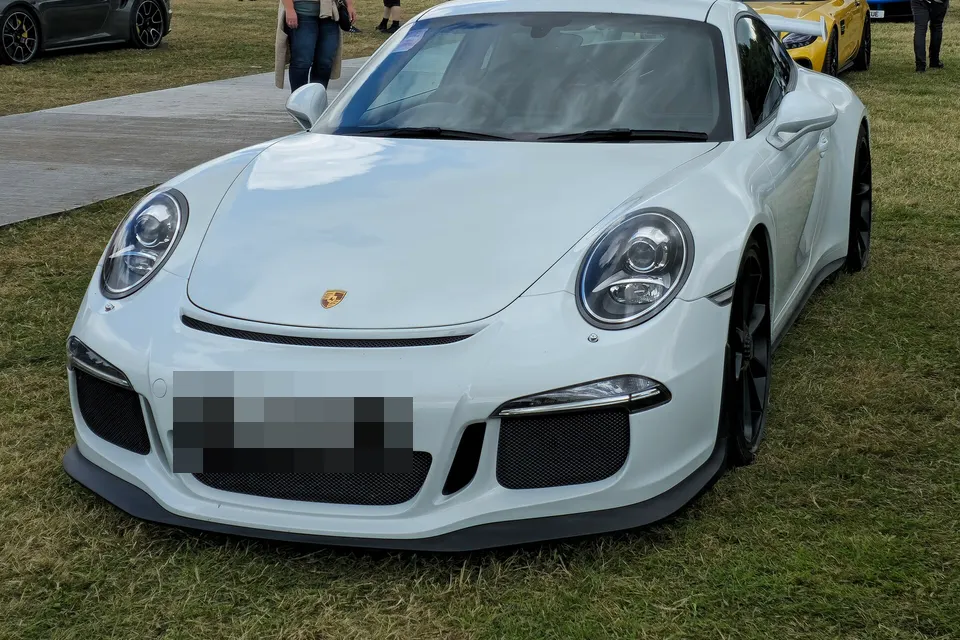
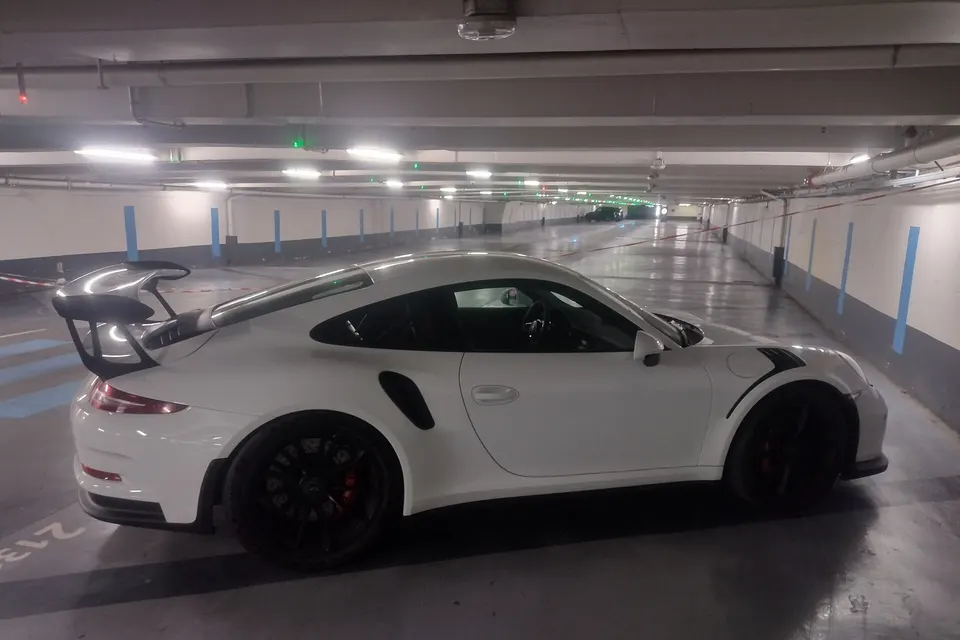
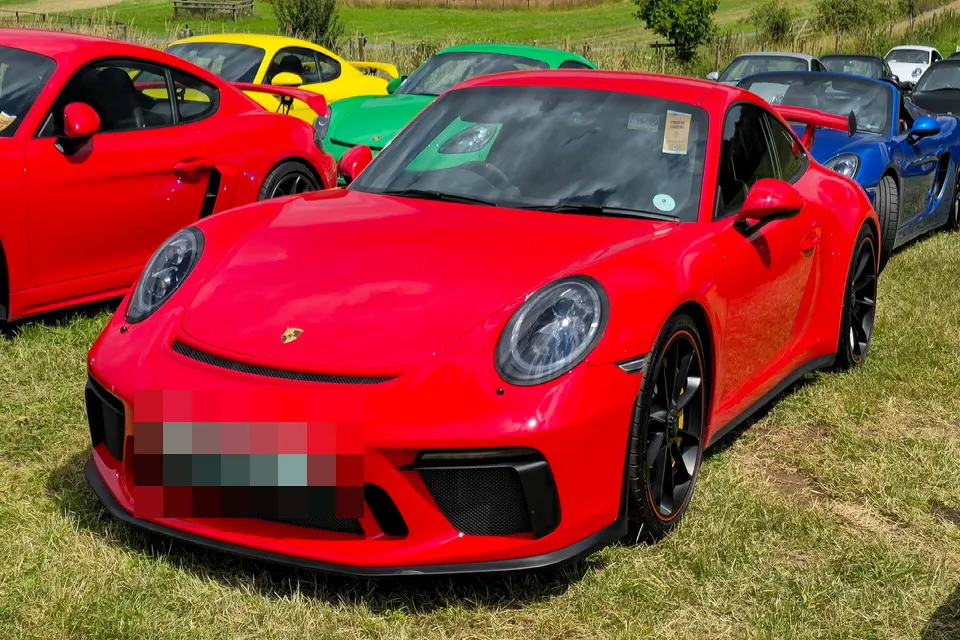
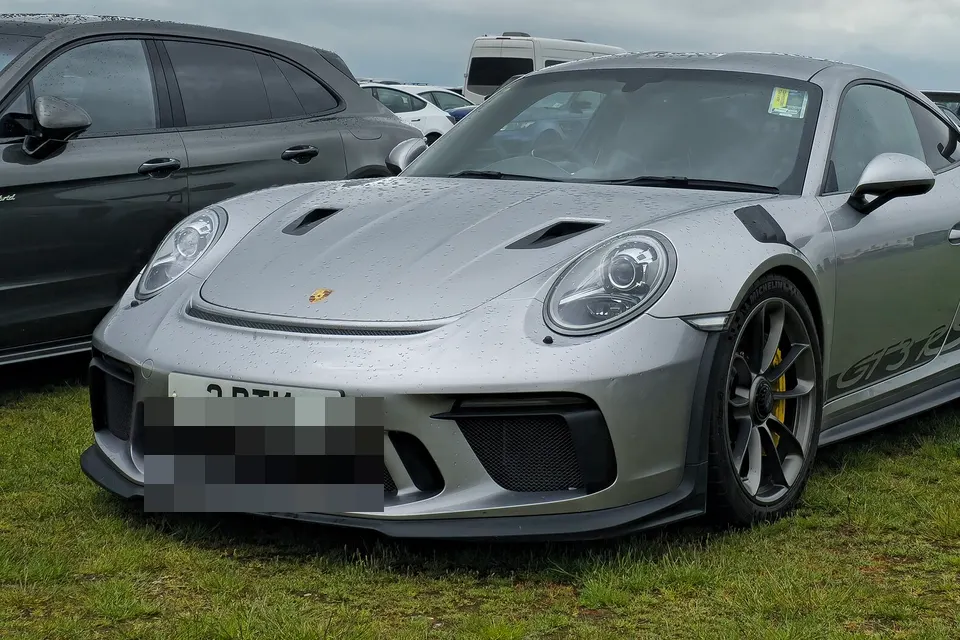
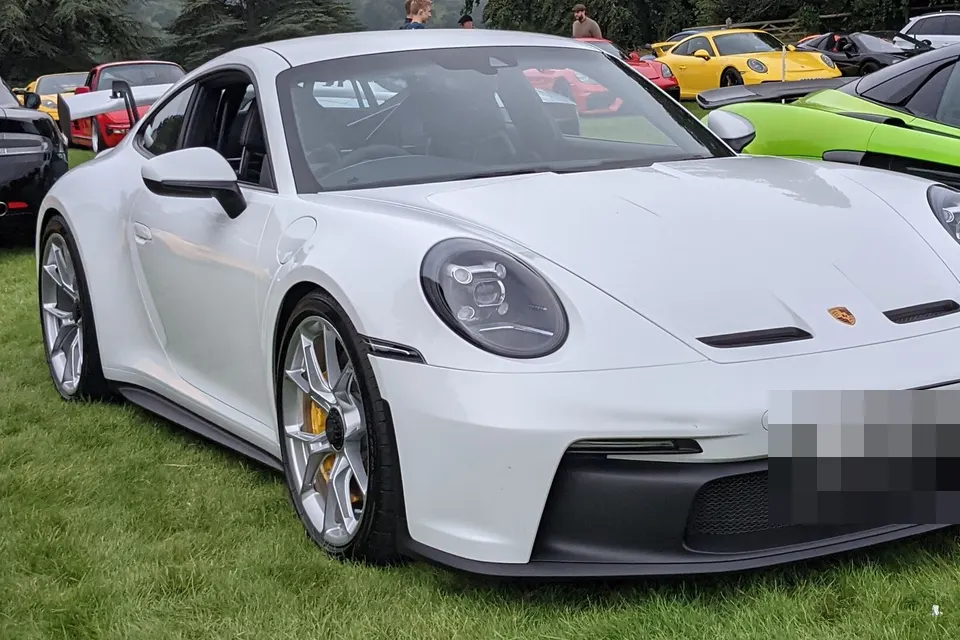
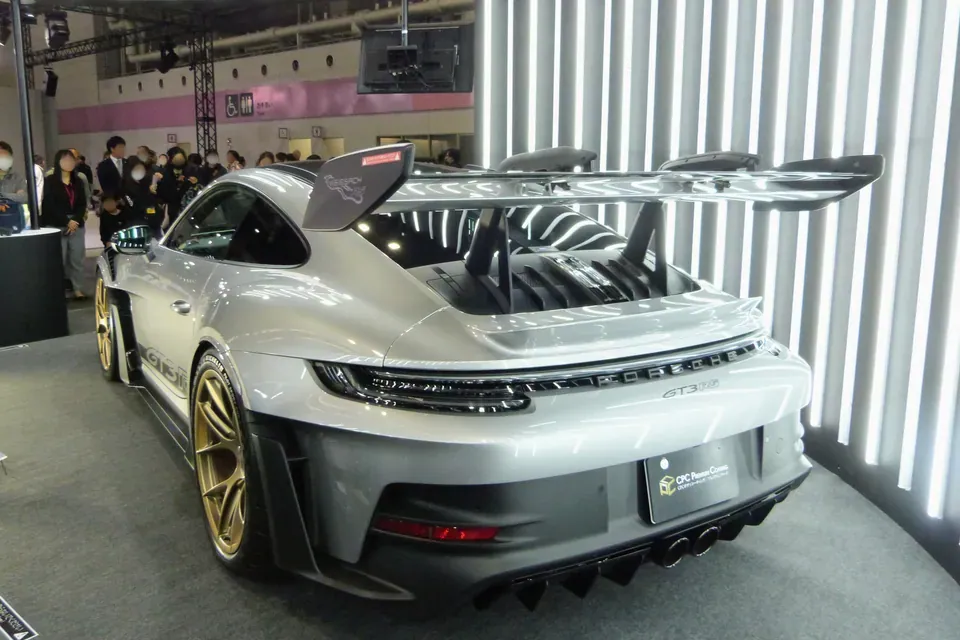
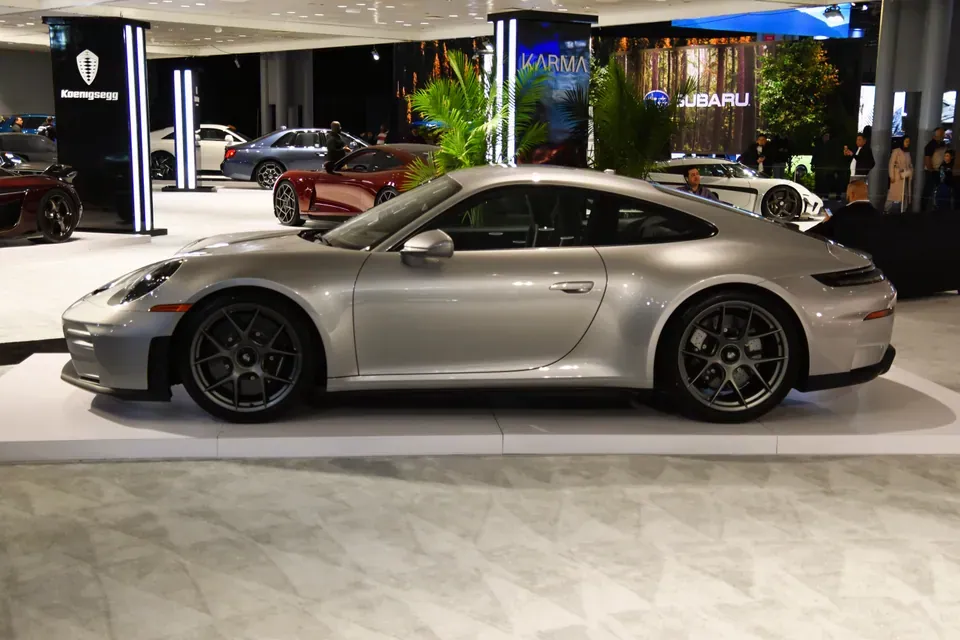
Photo: Calreyn88 · CC BY 4.0 · resized and cropped · Registration identifiers pixelated for privacy.