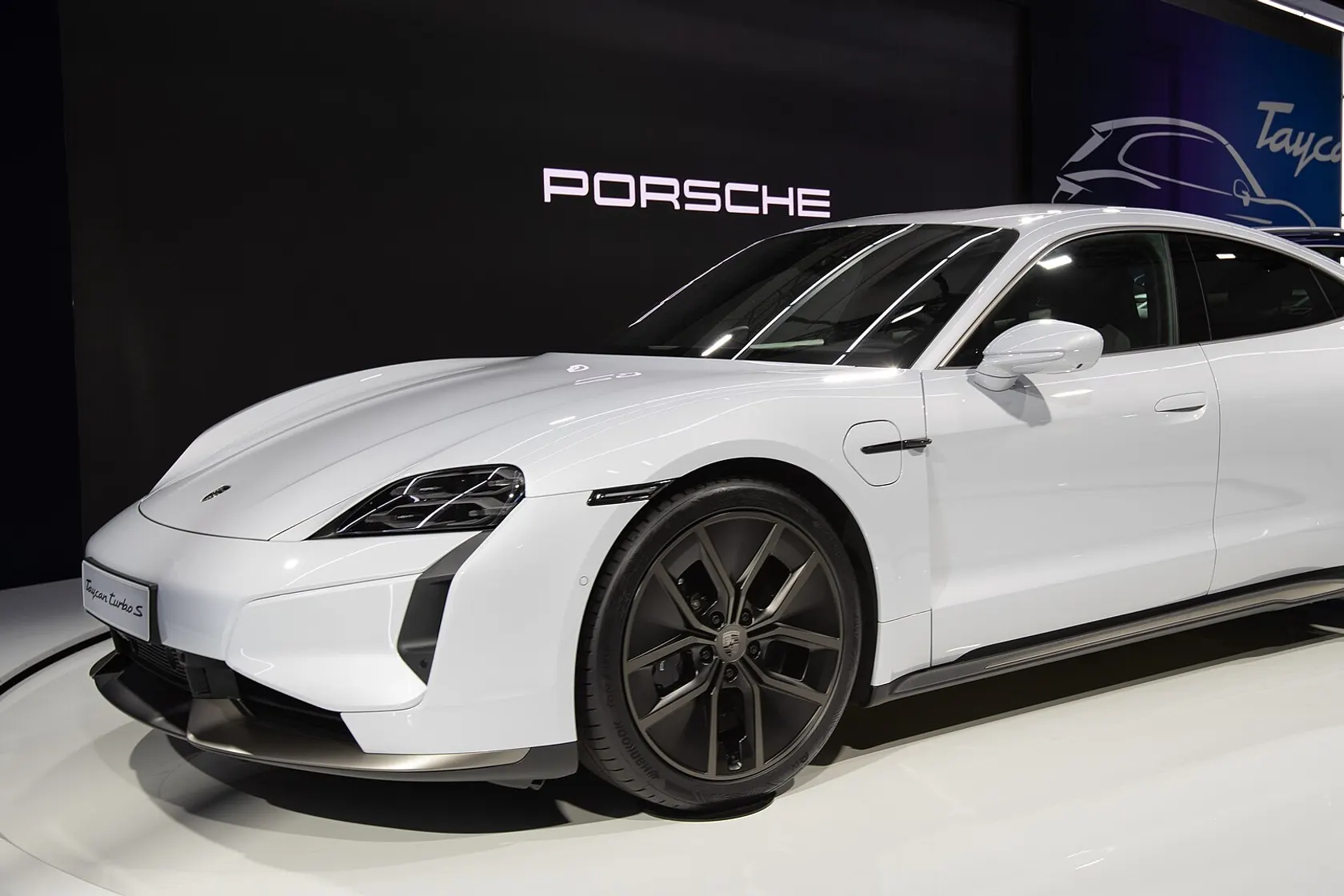
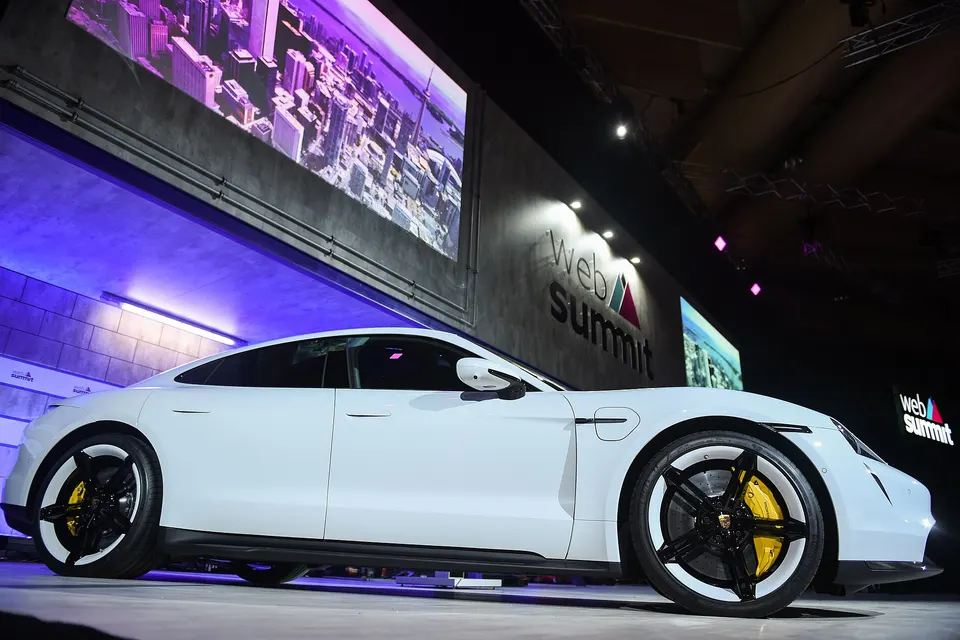
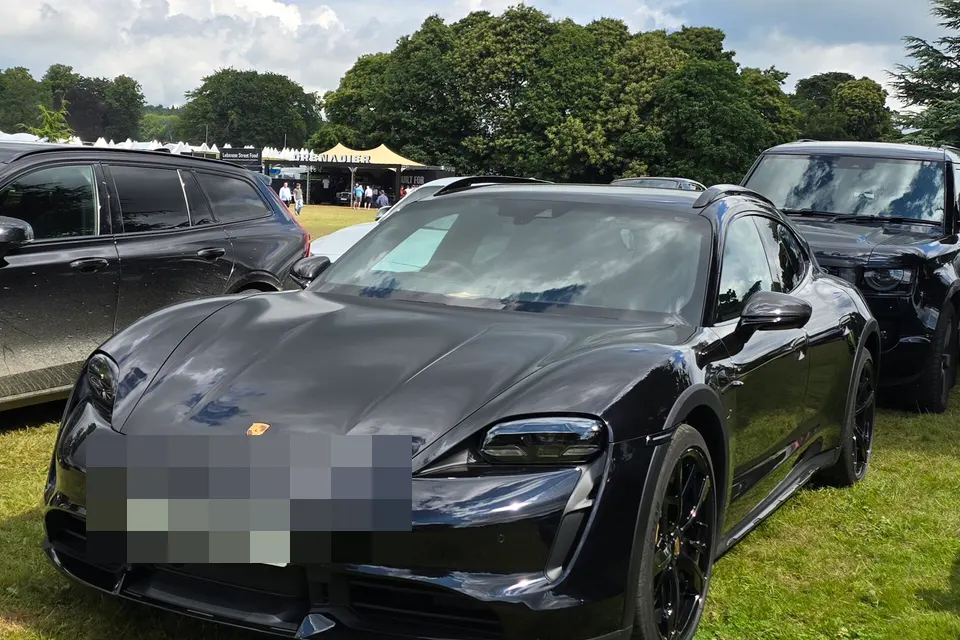
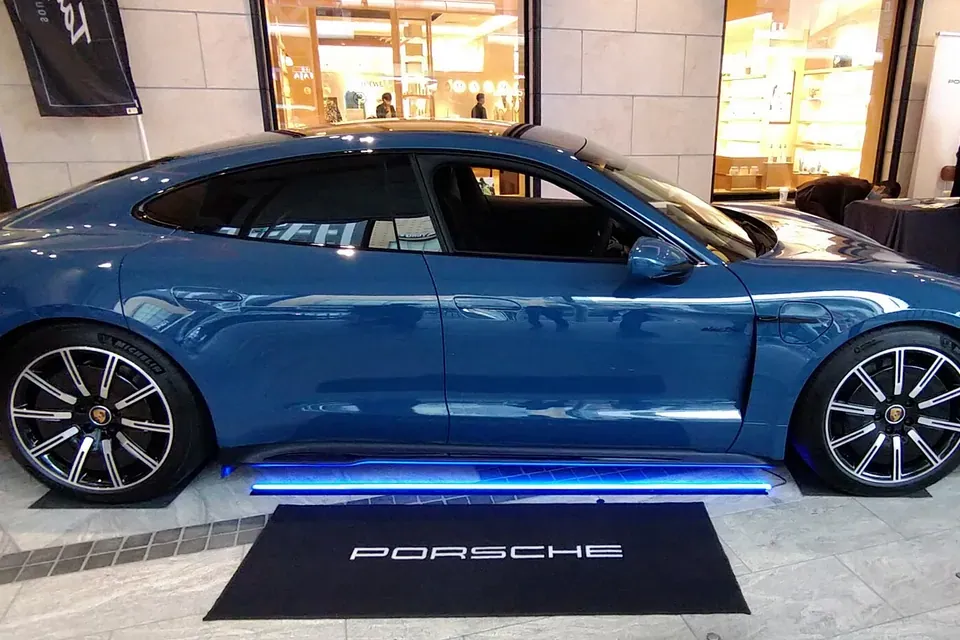
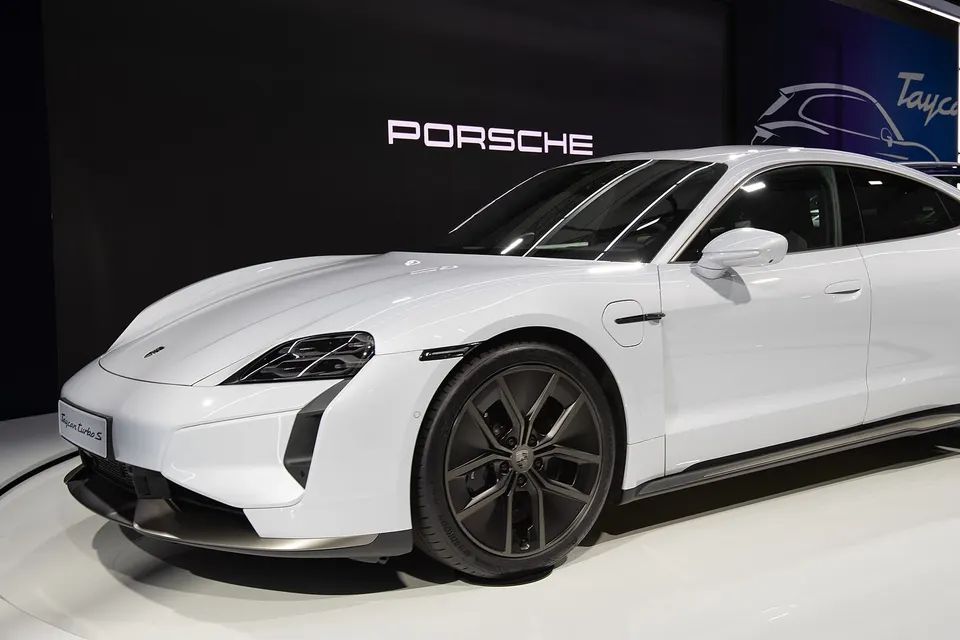
Documentary photographPhoto: Mustang Joe · CC0 1.0 · resized and cropped
Engine redprint / verifiedDual PSM AWD
Updated dual-motor 800 V architectureFront and rear motors, variable all-wheel driveTopology diagram · not to scale · based on the cited primary sources
Taycan Turbo S is the exact Y1A production representative for the Updated Taycan milestone in this archive’s source-led family tree.
R / production rarity
How rare is it?
A simple 1–5 rating based on completed worldwide production for this exact version. Price and desirability are not included.
Rarity ratingNot availableNo comparable worldwide production total
Production bandNot available
Production evidenceNo exact production total
ProducedWorldwide total used for the rating
Production total unavailable
A reliable worldwide figure is not listed in the references.
How the rating works
The rating uses five fixed production bands. Smaller production runs receive higher ratings. Exact totals and responsibly sourced estimates for this precise version can be rated. Plans, regional totals, lower bounds, disputed figures and broader-family totals remain visible but unclassified. The evidence description is kept separate from the rating so a source limitation cannot change how scarcity is measured.
Open-licence recordings can appear with a visible Unregistered note; archive verification still requires independent identity and configuration evidence.
Listening descriptors remain editorial; architecture and output claims trace to the cited manufacturer material.
Porsche presented the comprehensively updated Taycan in February 2024, retaining the J1 platform and Y1A saloon code while changing nearly every performance and energy figure around them. The Turbo S remained the range-topping four-seat derivative at launch, but its output rose far beyond the 2019 car.
The updated dual-motor all-wheel-drive system produces up to 700 kW (952 PS) with Launch Control—140 kW more than its predecessor under Porsche’s stated comparison—and peak Launch Control torque reaches 1,110 Nm in the EU technical context. A single-speed front reduction and two-speed rear transmission preserve the distinctive Taycan driveline format. Porsche quotes 0–100 km/h in 2.4 seconds, four tenths quicker than the first Turbo S, while the operating result still depends on battery charge, temperature and launch readiness.
A new rear-axle motor contributes to the gain while weighing less than the previous unit, and revised pulse inverters manage higher current. The Performance Battery Plus grows to 105 kWh gross, with maximum recuperation and DC charging capability increased. Porsche quotes charging from 10 to 80 percent in as little as 18 minutes under ideal conditions. Those are system and protocol claims, not guarantees at any charger; cell temperature, state of charge, infrastructure voltage and charging curve belong beside a measured session.
Engineering and character
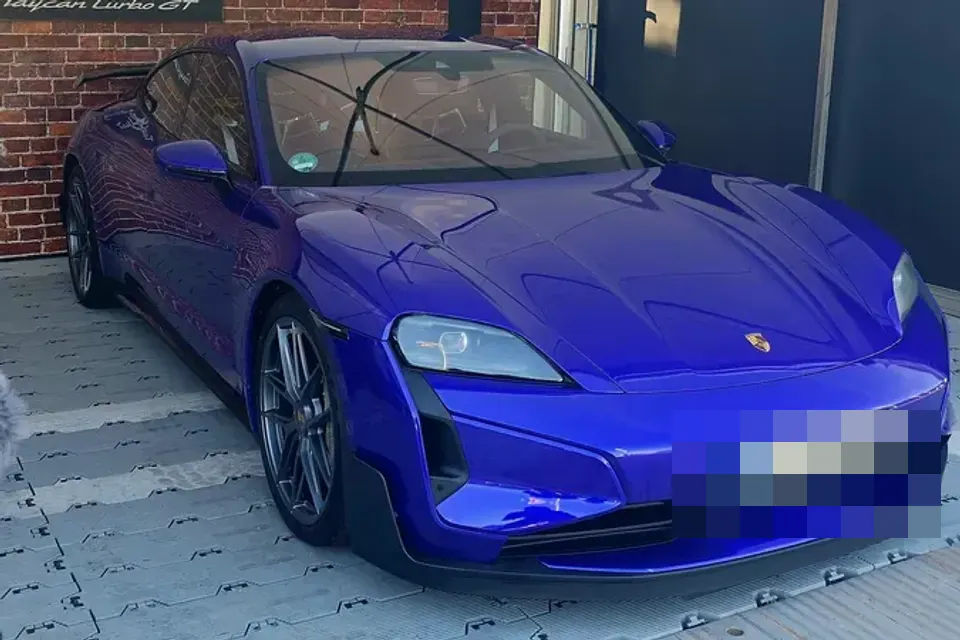
Porsche Active Ride became available on all-wheel-drive derivatives, using an active hydraulic system to manage wheel load and body motion. Revised air suspension remained part of the range, while changes to wheels, tyres and aerodynamics supported greater efficiency. The updated Turbo S is not the Turbo GT: the latter uses different inverters, stronger rear transmission components, track-focused calibration and an optional two-seat Weissach Package. Their peak numbers and chassis equipment must not be interchanged.
The sound record combines revised motors and inverter control, the two-speed rear gearbox, tyre and wind noise, plus Porsche Electric Sport Sound when enabled. Software is part of the instrument: an update can alter control strategy or authored feedback without visible hardware changes. Edited amplification or third-party sound cannot represent the production system.
Within the Taycan chronology, this car marks the second development phase between the 2019 launch range and the Turbo GT introduced shortly afterward. It demonstrates how a platform can retain its basic voltage and transmission layout while motors, battery, charging, suspension and thermal management advance materially. The 700 kW number is specifically Launch Control system output, not a constant rating, and should never be shortened to a context-free motor figure or silently applied to the earlier Y1A.
Legacy and identity
The focus here is the updated 2024-onward Y1A Taycan Turbo S saloon with 700 kW Launch Control output. It excludes the 2019–2024 first-phase Turbo S, Cross Turismo, lower Taycan derivatives and Turbo GT. The broader story explains why a facelift can be an engineering event rather than a styling exercise. Its battery capacity, launch conditions, transmission, software and chassis-option fields make the performance reproducible and prevent two visually similar generations from becoming one inaccurate search result.
01
Model identity
Y1A is displayed prominently so this record cannot be confused with an adjacent derivative.
02
Original soundtrack
Modified exhausts, aftermarket induction and replacement EV sound packs are excluded.
04 / family tree
Model lineage
1900–2024 · 8 documented milestones
No archive image
1900Lohner–Porsche ElectromobileEarly Porsche wheel-hub electric drive[6]
→
No archive image
2015Mission E conceptElectric sports-car concept[4]
→
No archive image
2018Mission E Cross TurismoCrossover concept branch[4]