The rating uses five fixed production bands. Smaller production runs receive higher ratings. Exact totals and responsibly sourced estimates for this precise version can be rated. Plans, regional totals, lower bounds, disputed figures and broader-family totals remain visible but unclassified. The evidence description is kept separate from the rating so a source limitation cannot change how scarcity is measured.
5/5Fewer than 25 builtUltra rare
4/525 to 249 builtVery rare
3/5250 to 2,499 builtRare
2/52,500 to 24,999 builtLimited production
1/525,000 or more builtSeries production
Recorded sales
Documented sales
Prices never affect the rarity rating.
Sold$912,5002020 · RM Sotheby's · The Elkhart Collection
Auction result
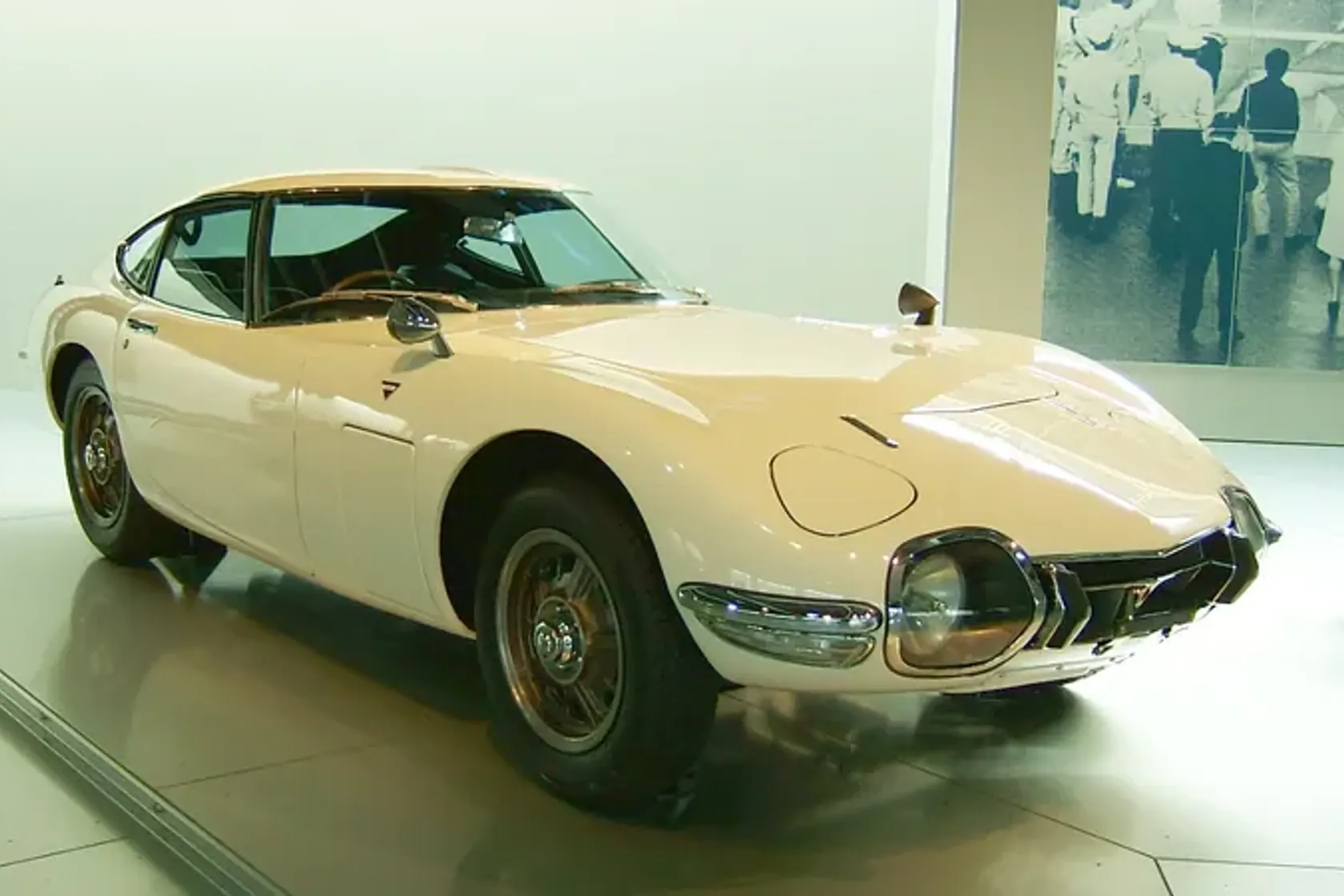
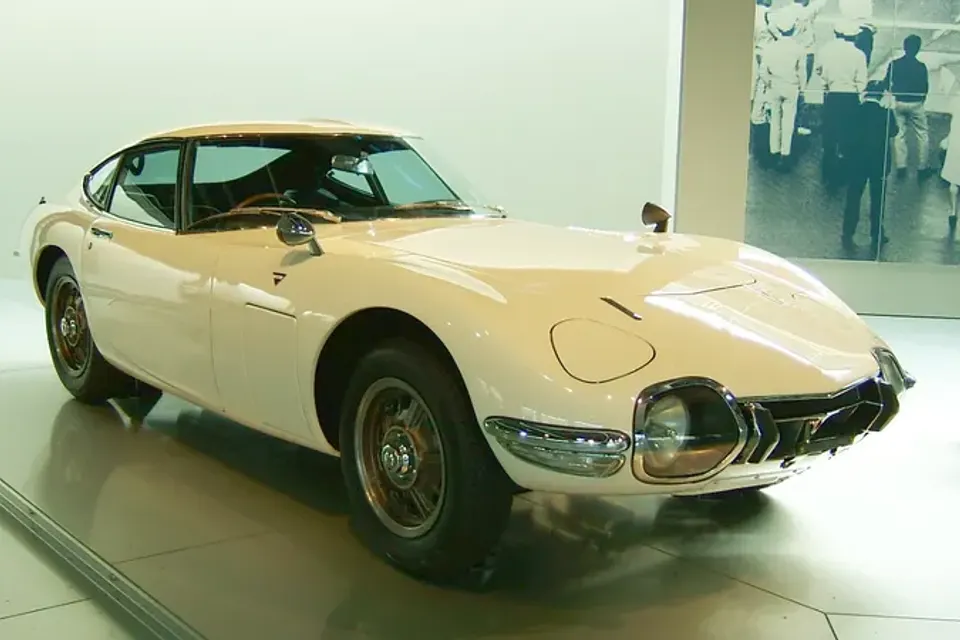
Exact road model · 1967 Toyota 2000GT
Published sale total. The linked auction catalogue reports 351 cars, but no factory completed-production ledger is bound; the secondary-source count remains unscored.
Open-licence recordings can appear with a visible Unregistered note; archive verification still requires independent identity and configuration evidence.
Listening descriptors remain editorial; architecture and output claims trace to the cited manufacturer material.
Toyota launched the 2000GT in 1967 as a dedicated grand-touring sports car developed with Yamaha. At a time when Japanese manufacturers were known internationally chiefly for practical vehicles, its low coupé body, twin-cam six-cylinder engine and competition record made a different industrial claim. Toyota itself later described the model as a turning point in global perception. Production ended in 1970; the linked auction catalogue reports 351 cars, which RedlineCodex retains as secondary-source context rather than a scored factory total. That scarcity makes precise differentiation between production specification, export variants and prototypes especially important.
The MF10 production car used Toyota’s 3M engine, a 1,988 cc naturally aspirated inline-six with a Yamaha-developed double-overhead-camshaft cylinder head. Output was 110 kW (150 PS), sent to the rear wheels through a five-speed manual gearbox. Triple carburettors and a relatively high-speed breathing system distinguished it from Toyota’s more ordinary saloon engines. Its mechanical identity is therefore not just “two litres”: the head, induction, gearbox and installation turn the capacity into the specific 2000GT experience.
A backbone-style central structure, independent suspension and disc brakes at all four wheels supported the long-bonnet, short-cabin shape. The car combined contemporary European grand-tourer proportions with Japanese manufacture and detail. Before sales began, a prototype completed speed and endurance demonstrations at Yatabe, while competition appearances built credibility. Period record claims require careful category and course context, but they show that the project was engineered to prove durability and speed rather than exist solely as an exhibition object.
Engineering and character
Two open-top cars built for the 1967 film “You Only Live Twice” became the most familiar 2000GT images for many viewers. They were special conversions created because the coupé cabin did not suit filming, not a series roadster offered to ordinary customers. A later MF12L prototype branch used a 2.3-litre SOHC engine, with Toyota reporting only a handful of prototypes. Neither configuration should lend its body or engine description to this production MF10 coupé passport.
Its sound is more delicate than modern power figures suggest: six evenly spaced combustion events, carburettor intake, twin-cam valvetrain and a period exhaust create the character. Restoration can easily substitute carburettors, manifolds, silencers or ignition components, each changing response and timbre. Historic status does not make an altered car unsuitable for the archive, but the recording must describe what is actually heard.
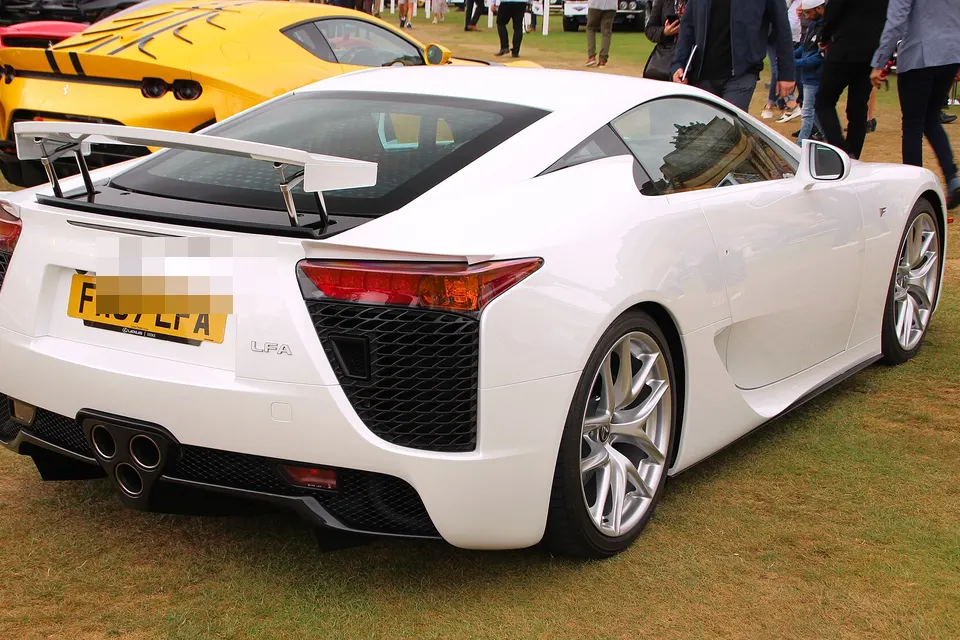
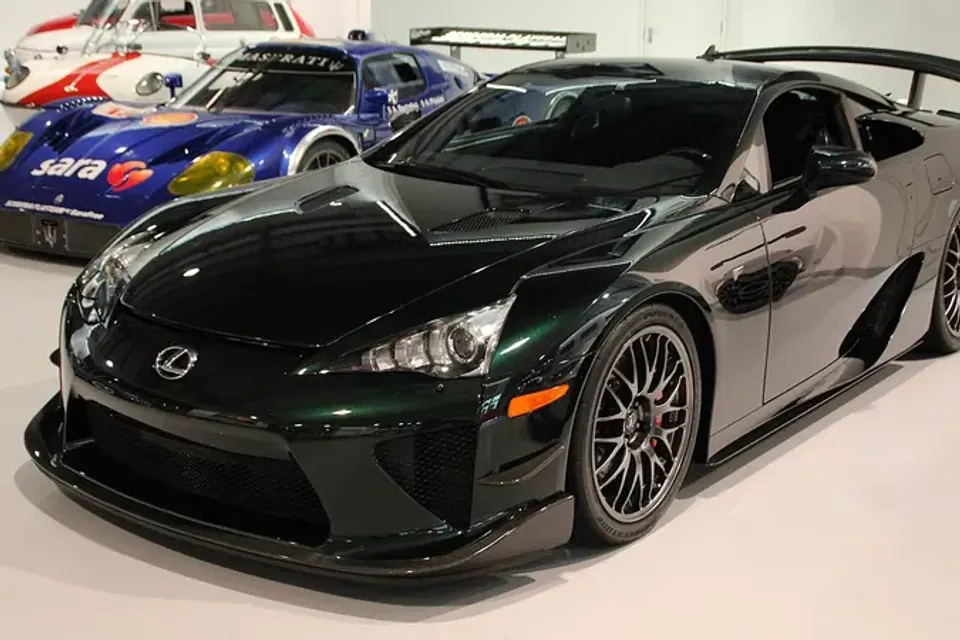
Lexus later cited the 2000GT as a halo-car forebear when presenting the LFA story. The connection is cultural rather than a direct parts lineage: the LFA uses a carbon structure, front-mid V10 and rear transaxle, while the 2000GT is a steel-era two-litre inline-six coupé. Both aimed to reset expectations of their maker, and both involved Yamaha collaboration, but merging their engineering would weaken rather than strengthen the comparison. Their value lies in how differently they pursued the same ambition.
Legacy and identity
The focus here is the 1967–1970 Toyota 2000GT MF10 coupé with the 1,988 cc 3M DOHC engine and five-speed manual. It excludes the two film roadsters, MF12L 2.3-litre prototypes, competition modifications and replicas. The broader story explains why the car mattered beyond rarity and screen fame. The production total, engine, carburetion, body and prototype boundaries provide the factual structure needed to evaluate identity, restoration and provenance without letting a famous silhouette answer every question.
01
Model identity
MF10 is displayed prominently so this record cannot be confused with an adjacent derivative.
02
Original soundtrack
Modified exhausts, aftermarket induction and replacement EV sound packs are excluded.