3.4 L flat-six · naturally aspirated · M97.21Longitudinal mid-engine, rear-wheel driveTopology diagram · not to scale · based on the cited primary sources
The first production Cayman and the closed-roof foundation of Porsche’s modern mid-engine GT branch.
R / production rarity
How rare is it?
A simple 1–5 rating based on completed worldwide production for this exact version. Price and desirability are not included.
Rarity ratingNot availableNo comparable worldwide production total
Production bandNot available
Production evidenceNo exact production total
ProducedWorldwide total used for the rating
Production total unavailable
A reliable worldwide figure is not listed in the references.
How the rating works
The rating uses five fixed production bands. Smaller production runs receive higher ratings. Exact totals and responsibly sourced estimates for this precise version can be rated. Plans, regional totals, lower bounds, disputed figures and broader-family totals remain visible but unclassified. The evidence description is kept separate from the rating so a source limitation cannot change how scarcity is measured.
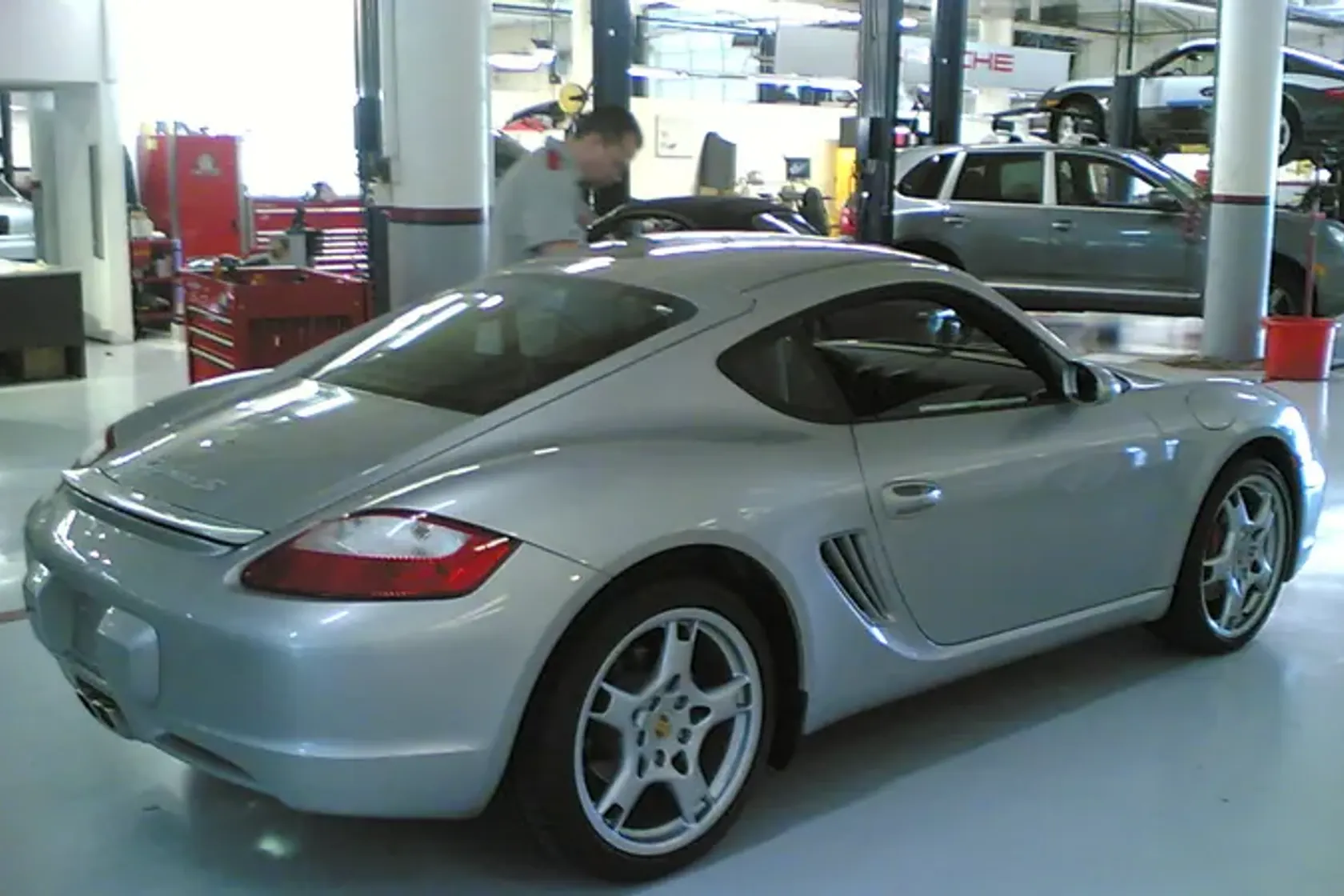
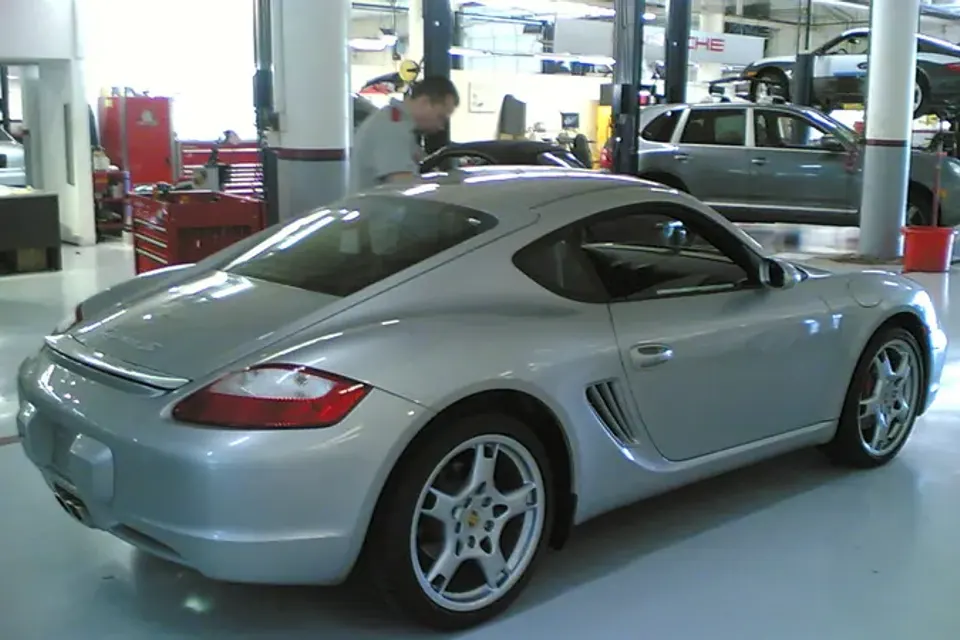
The Cayman S entered production in 2005 as Porsche’s first modern closed-roof, mid-engined series model. Its name did not yet include 718, and its internal 987C identity separated the coupé from the related Boxster while acknowledging their shared architecture. Porsche launched the higher-output S first, making this car—not a later entry model—the original production Cayman reference. It established a compact two-seat line whose balance and structural rigidity would eventually support a dedicated GT4 programme developed by the motorsport department.
The M97.21 flat-six displaced 3,387 cc and produced 217 kW (295 PS) with 340 Nm. Mounted longitudinally behind the seats but ahead of the rear axle, the water-cooled naturally aspirated engine concentrated mass near the centre of the wheelbase. A six-speed manual was standard, while a five-speed Tiptronic S automatic was optional. Those transmissions produce different performance and acoustic sequences, so a source-quality vehicle record must state the fitted gearbox rather than treating every early Cayman S as mechanically identical.
The coupé body did more than place a roof over a Boxster. Its closed structure gave engineers a stiff platform, while the mid-engine layout allowed predictable balance and compact responses without copying the rear-engined 911. The Cayman consequently developed its own dynamic vocabulary: steering load builds around a front axle not burdened by the engine, and the power unit sits close enough to the cabin for intake and valvetrain texture to form a large part of the experience. That architecture became the line’s enduring advantage.
Engineering and character
This first version predates the direct-injected 987.2 engines, PDK and the focused Cayman R. Its 3.4-litre M97 belongs to the earlier port-injected engine family, and an automatic car uses Tiptronic rather than Porsche’s later dual-clutch transmission. Those distinctions are essential in buyer and maintenance searches because “987 Cayman S” spans two mechanical phases. A facelift headlamp or later wheel cannot establish engine generation; model year, engine code and transmission need to agree with the individual chassis evidence.
Acoustically, the original Cayman S places a resonant flat-six directly behind the occupants. Induction rises through the upper range while the short physical distance transmits accessory, valvetrain and exhaust layers that a front-engined car filters differently. Manual examples add clutch and deliberate shift transients; Tiptronic cars produce a different cadence and converter behaviour. Exhaust modifications are extremely common, making factory silencers, catalysts, intake housing and software critical fields for any recording offered as representative of the production model.
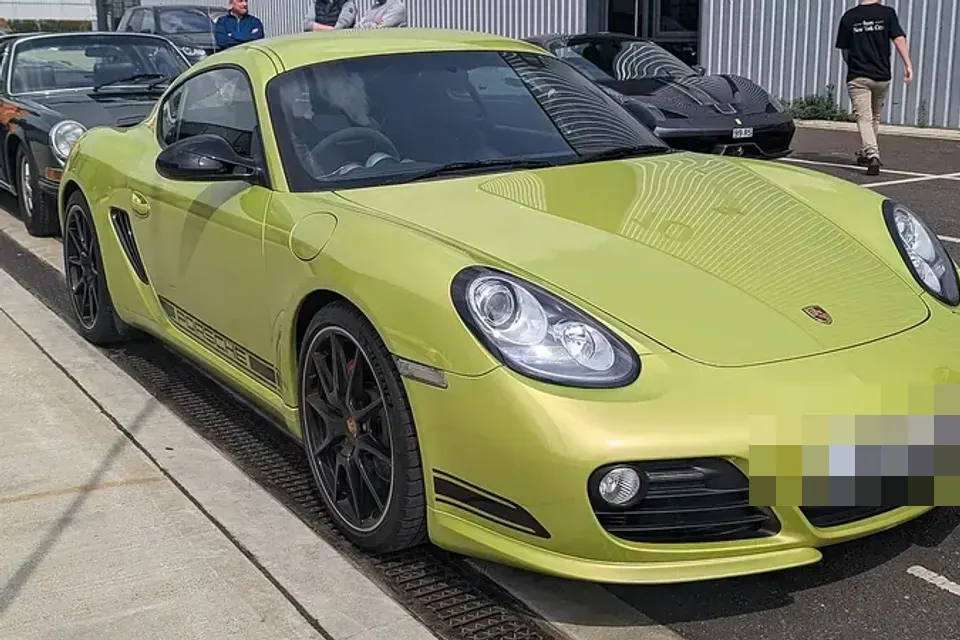
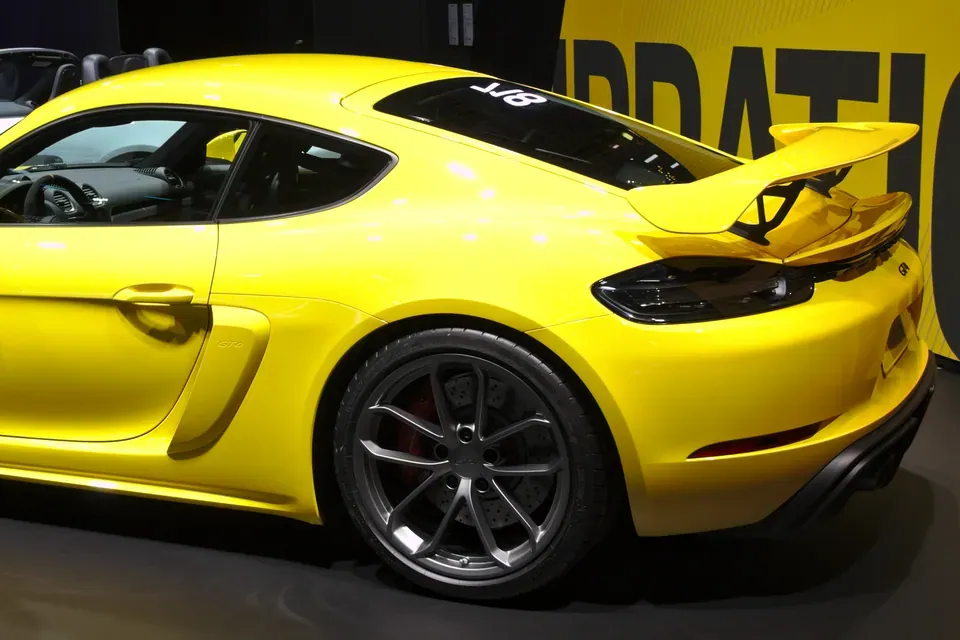
In Porsche’s mid-engine history, the Cayman follows competition and road precedents including the 550, 904 and 914, but it is not a retro recreation of any one of them. Within the modern line it precedes the 330 PS Cayman R, the second-generation 981 and the first Cayman GT4. The progression is important: the GT4 did not invent the platform’s virtues in 2015; it amplified a balance, packaging concept and closed-body foundation introduced by this original S a decade earlier.
Legacy and identity
The focus here is the 2005–2008 Type 987C.1 Cayman S with the 3,387 cc M97.21. It excludes the base Cayman, facelift 987.2 S, Cayman R and all later 981 or 718 variants. The six-speed manual is the primary configuration, with Tiptronic explicitly noted as an alternative rather than merged into its figures. For newcomers the car explains where the Cayman story begins; for purists the engine and gearbox boundary prevents a broad generation label from concealing meaningful technical differences.
01
Engineering context
Water-cooled 3.4-litre flat-six mounted longitudinally behind the cabin and ahead of the rear axle.