3.0 L flat-six · naturally aspirated · 930/18Longitudinal rear-engine, rear-wheel driveTopology diagram · not to scale · based on the cited primary sources
An exceptionally scarce Group B homologation special that carried the naturally aspirated RS idea into the G-model era.
R / production rarity
How rare is it?
A simple 1–5 rating based on completed worldwide production for this exact version. Price and desirability are not included.
Rarity ratingNot availableNo comparable worldwide production total
Production bandNot available
Production evidenceConflicting evidence
ProducedWorldwide total used for the rating20
Conflicting factory total: 20 versus 21
Figure type
Disputed
Scope
Type 954 911 SC/RS road-legal Group B homologation cars; Porsche archive publications disagree on the completed total
The rating uses five fixed production bands. Smaller production runs receive higher ratings. Exact totals and responsibly sourced estimates for this precise version can be rated. Plans, regional totals, lower bounds, disputed figures and broader-family totals remain visible but unclassified. The evidence description is kept separate from the rating so a source limitation cannot change how scarcity is measured.
5/5Fewer than 25 builtUltra rare
4/525 to 249 builtVery rare
3/5250 to 2,499 builtRare
2/52,500 to 24,999 builtLimited production
1/525,000 or more builtSeries production
Recorded sales
Documented sales
Prices never affect the rarity rating.
Sold$48,4002003 · RM Sotheby's · Amelia Island
Auction result
Exact Type 954 SC/RS
Published historic sale result; date is essential context and the amount is not a current valuation.
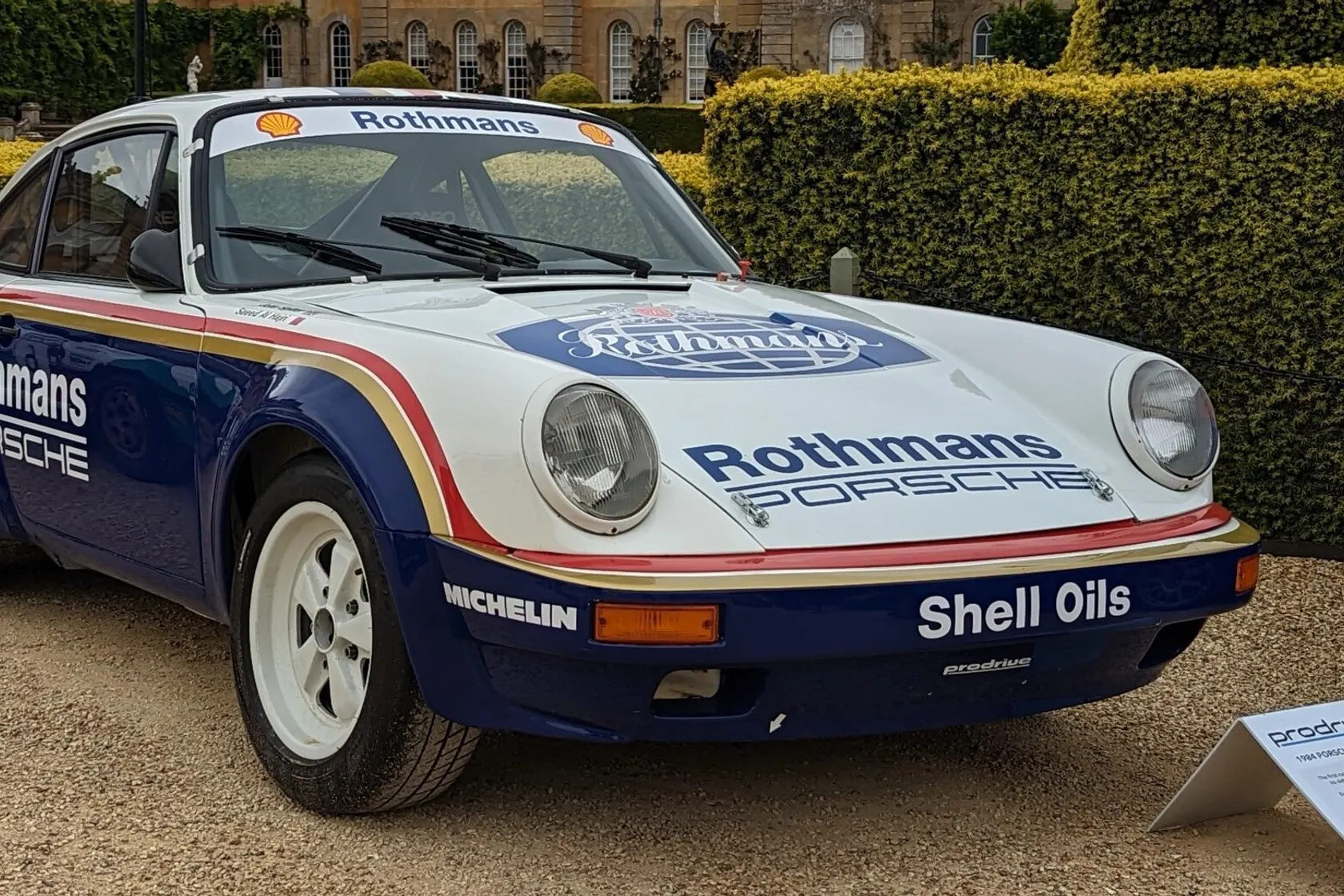
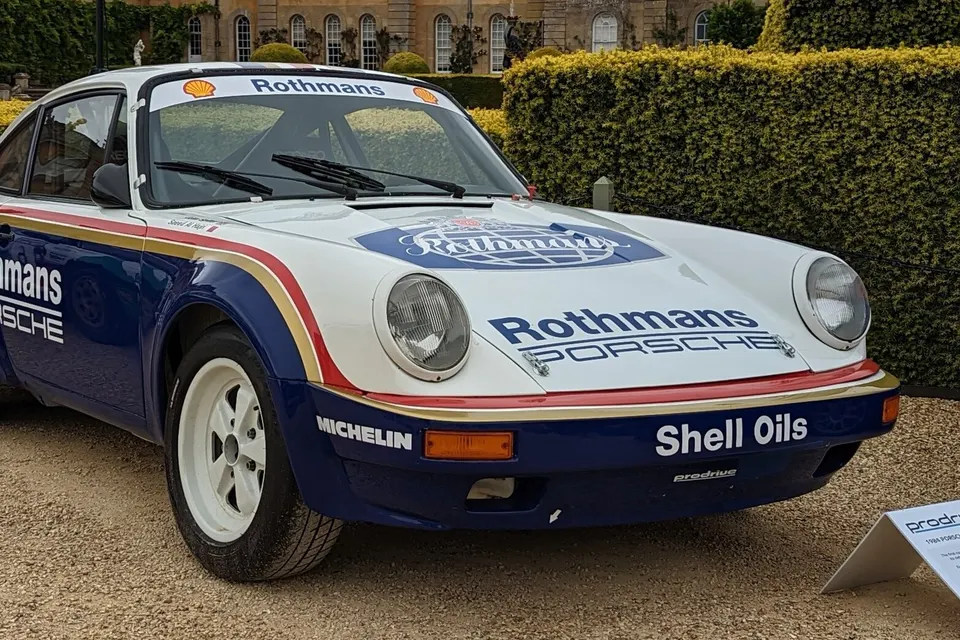
The 911 SC RS appeared in 1984, twelve years after the Carrera RS 2.7, as a pure homologation model for Porsche’s rally programme. It belongs to the G-model era but was not a normal 911 SC with a competition kit. Porsche’s own archive material places the completed run at either 20 or 21 cars, making it one of the narrowest and most specialised branches in the road-going RS chronology. Its purpose explains both the rarity and the unusually direct relationship between production identity and the demands of Group B rallying.
At its centre was the type 930/18, a 2,994 cc naturally aspirated air-cooled flat-six producing 184 kW (250 PS) and 250 Nm. A five-speed type 915 manual drove the rear wheels. The absence of turbocharging is important: the contemporary road range already demonstrated Porsche’s forced-induction expertise, but the SC RS pursued response, low mass and competition suitability through a simpler naturally aspirated package. Its 960 kg figure gave the engine an entirely different task from moving a luxurious road 911.
The shell and equipment followed the homologation brief. Weight reduction mattered throughout, and the car’s narrow production purpose left little room for the comfort-led interpretation normally associated with a road model. That does not make every surviving SC RS identical today; rally preparation, restoration and period competition use can change hardware extensively.
Engineering and character
Its place between the RS 2.7 and 964 Carrera RS is historically valuable. The early Carrera RS was conceived around GT homologation, while the SC RS brought the badge into a rally context during the long G-model period. The 964 that followed transferred Carrera Cup thinking back into a series-production road car. The SC RS is the connecting chapter that shows the Rennsport idea did not disappear—it narrowed into a highly specific motorsport instrument before returning more visibly.
The sound combines air-cooled flat-six pulse, fan noise, induction and the hard mechanical presence of a lightweight car. Rally-prepared exhausts can make surviving examples far louder than the production reference, so a recording must identify silencers, intake, ignition and competition modifications. Period-correct does not automatically mean factory-original. That distinction is especially important for a car whose intended use made subsequent mechanical change likely rather than exceptional.
Porsche’s “Mental trainer” archive article describes a run of 20, while its published RS chronology gives 21. RedlineCodex therefore displays both factory figures and withholds a rarity rating until the discrepancy can be reconciled.
Legacy and identity
The focus here is confined to the 1984 Type 911 SC/RS with its 930/18 engine and type 915 gearbox. It excludes ordinary 911 SC models, later Carrera 3.2-based cars, rally evolutions and replicas. For a newcomer, the SC RS explains the otherwise large chronological gap between famous RS generations. For a specialist, the visible engine, production total and homologation context protect a rare car from being reduced to badge mythology.
01
Engineering context
Air-cooled three-litre flat-six with dry-sump lubrication in a stripped, lightweight shell.
04 / family tree
Model lineage
1972–2024 · 19 documented milestones
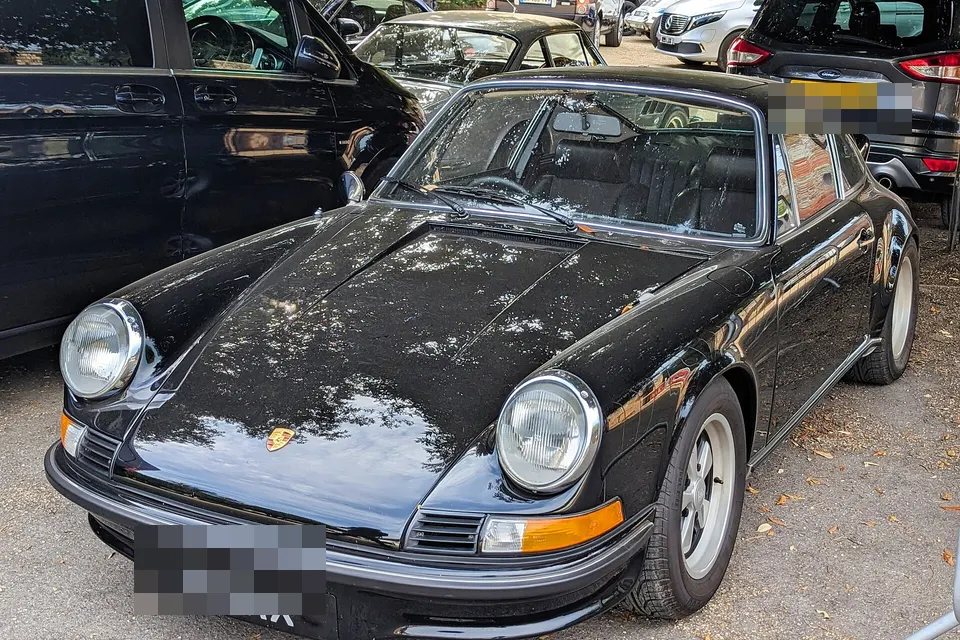
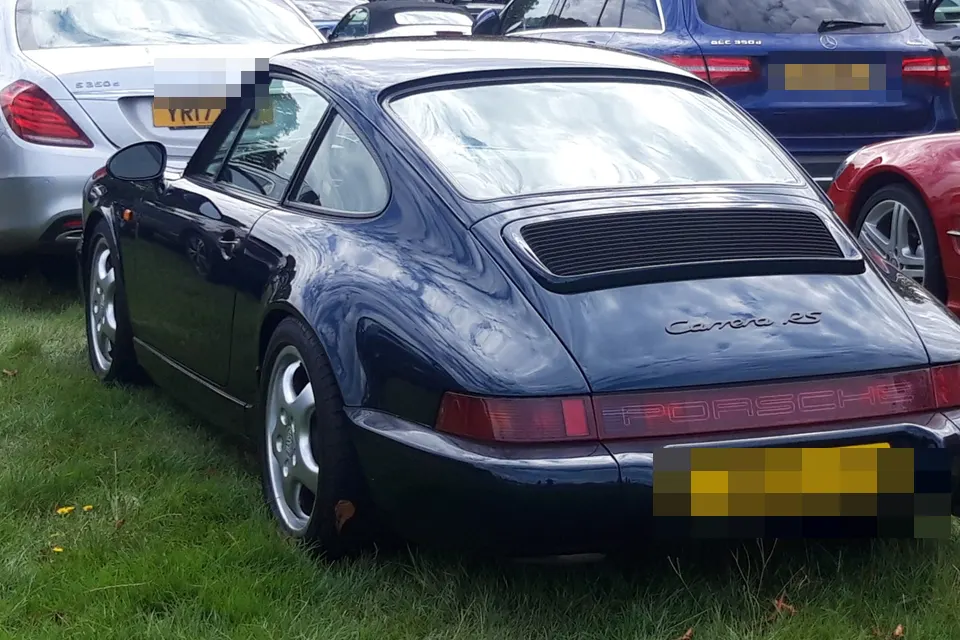
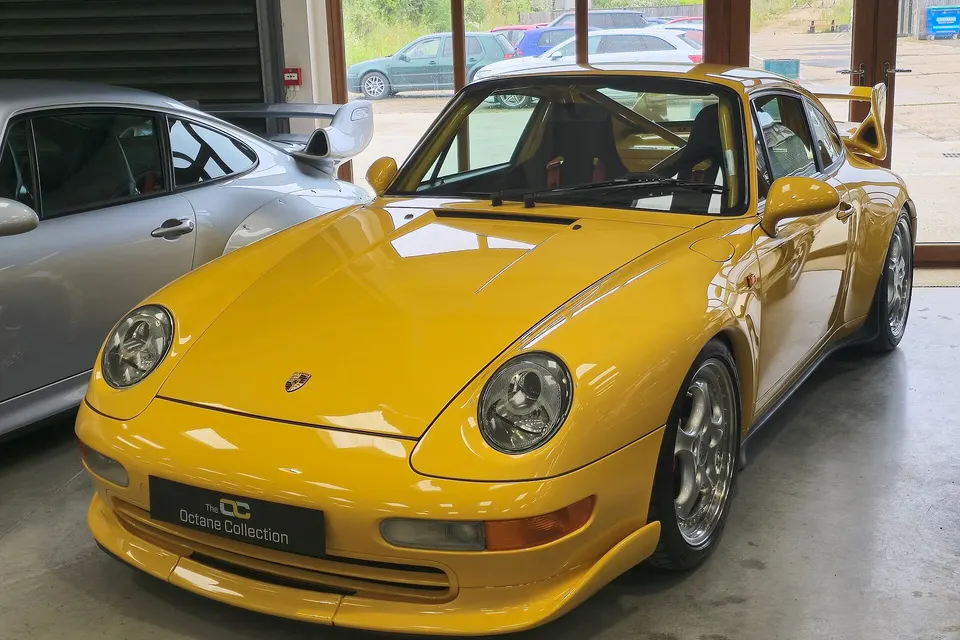
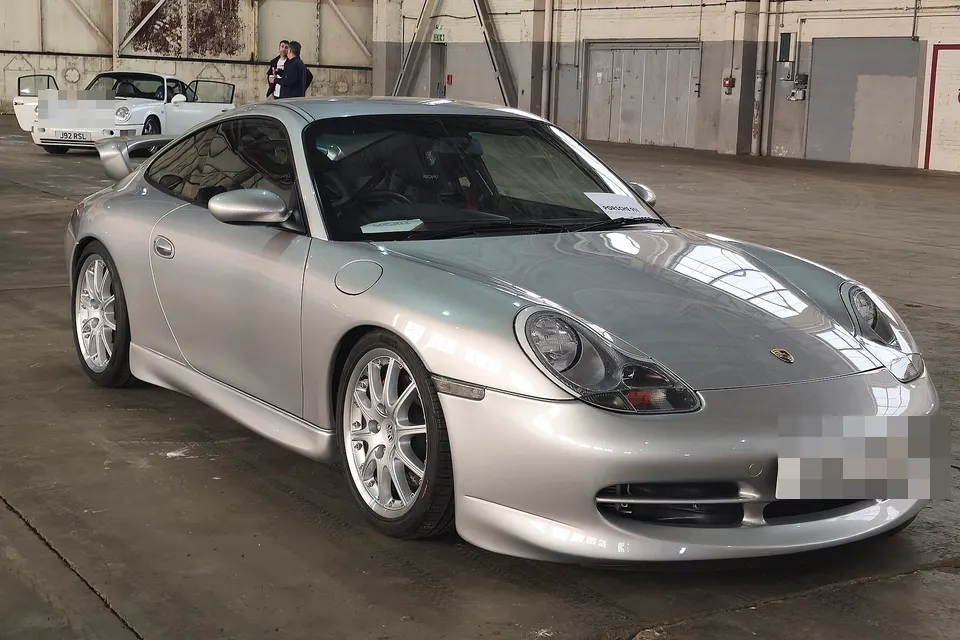
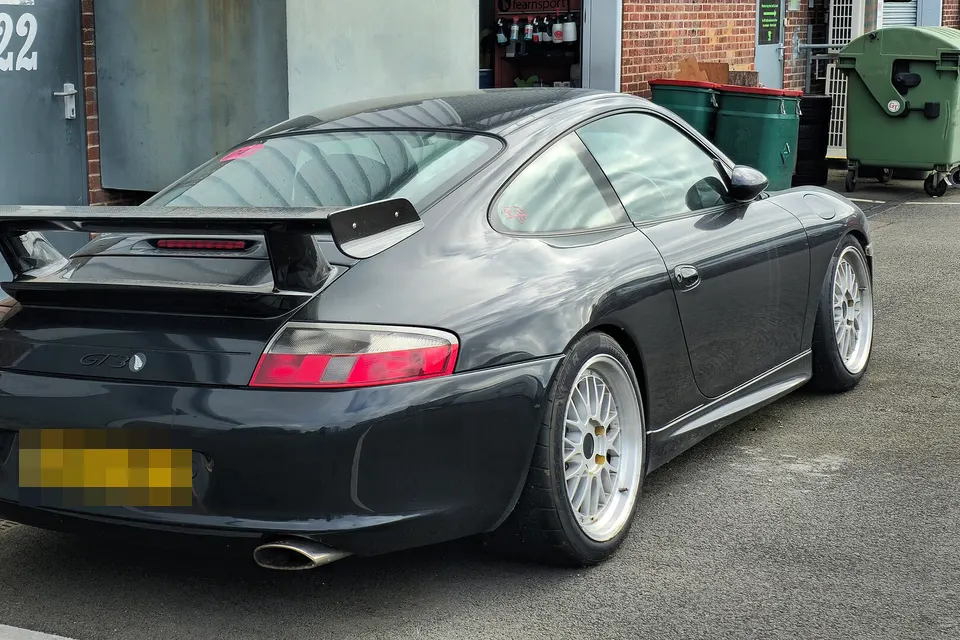
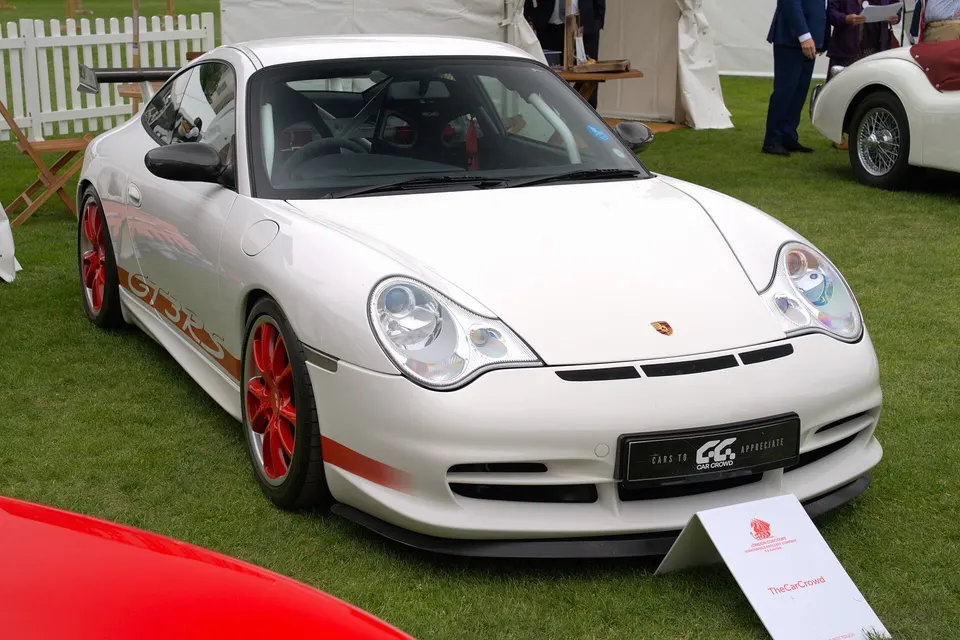
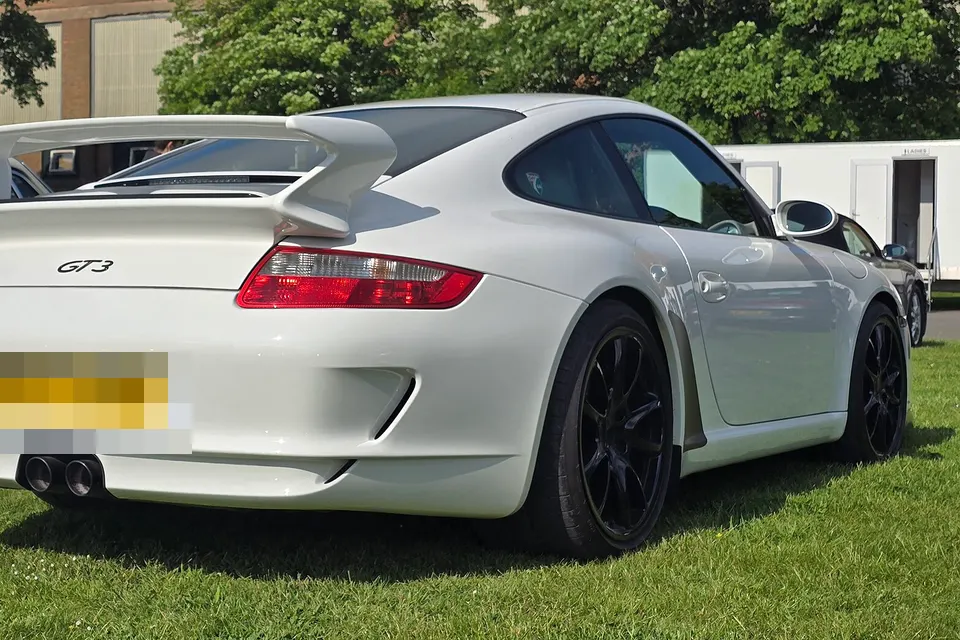
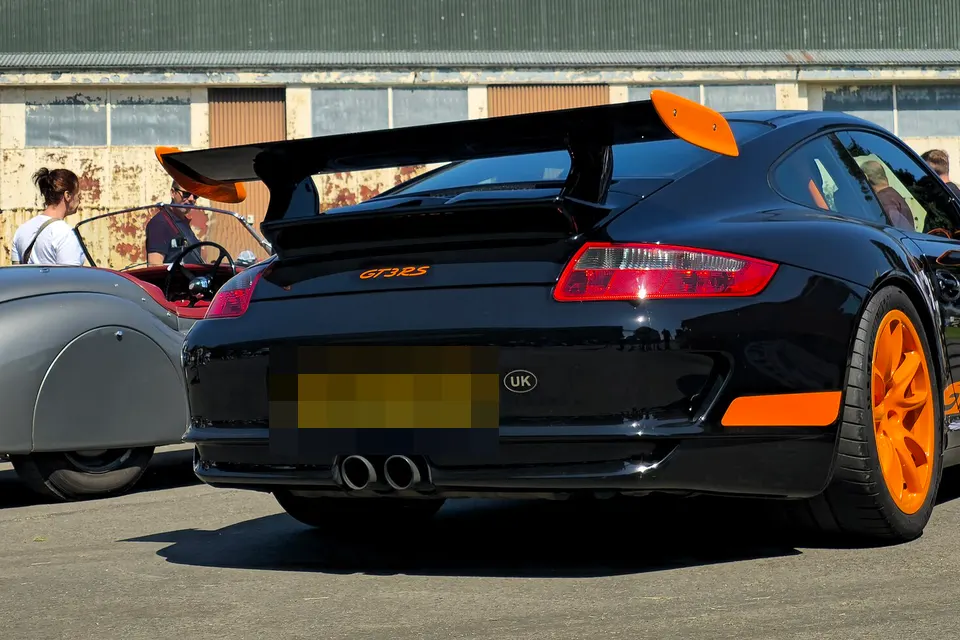
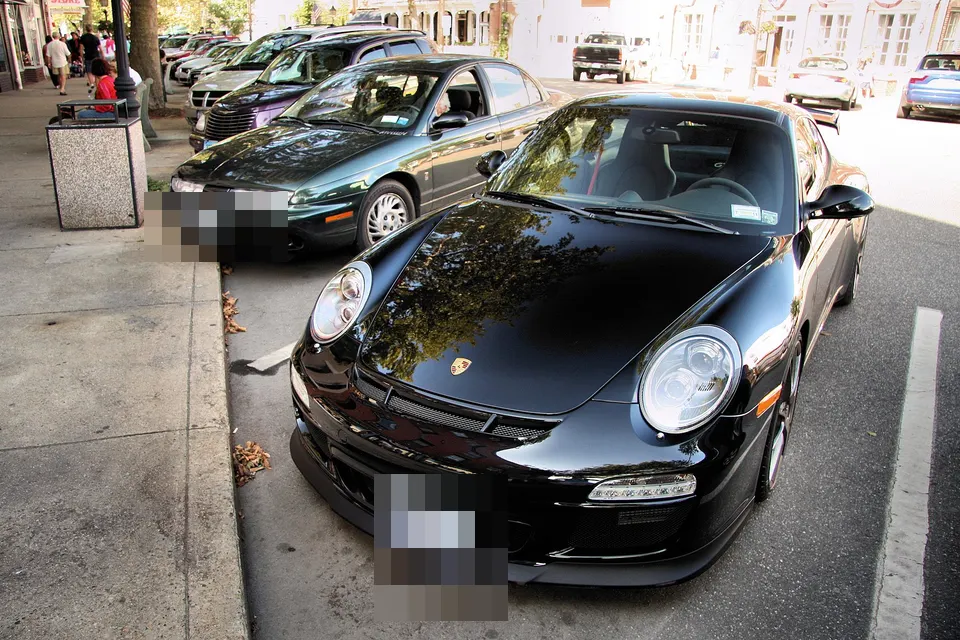
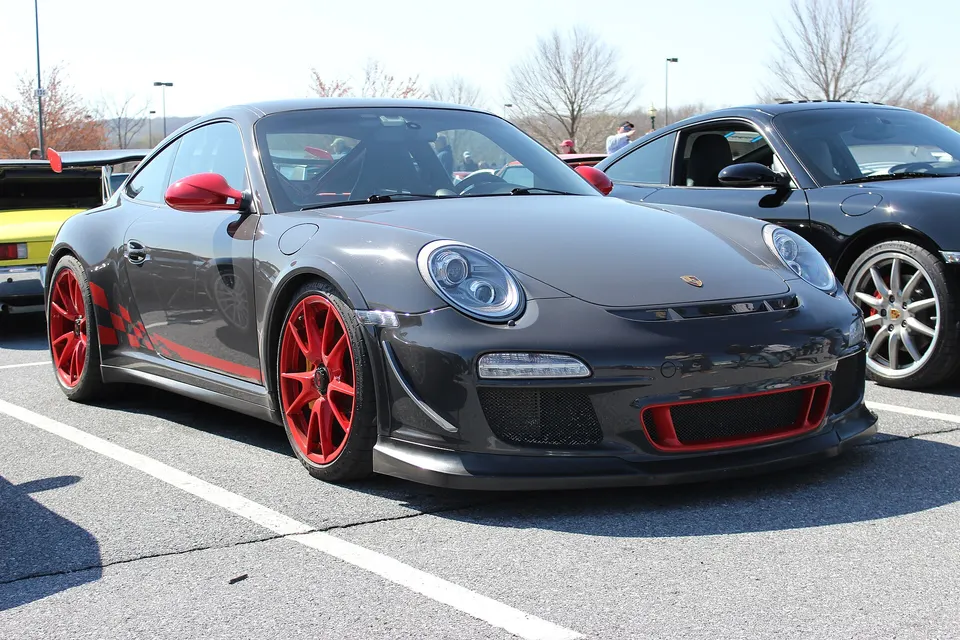
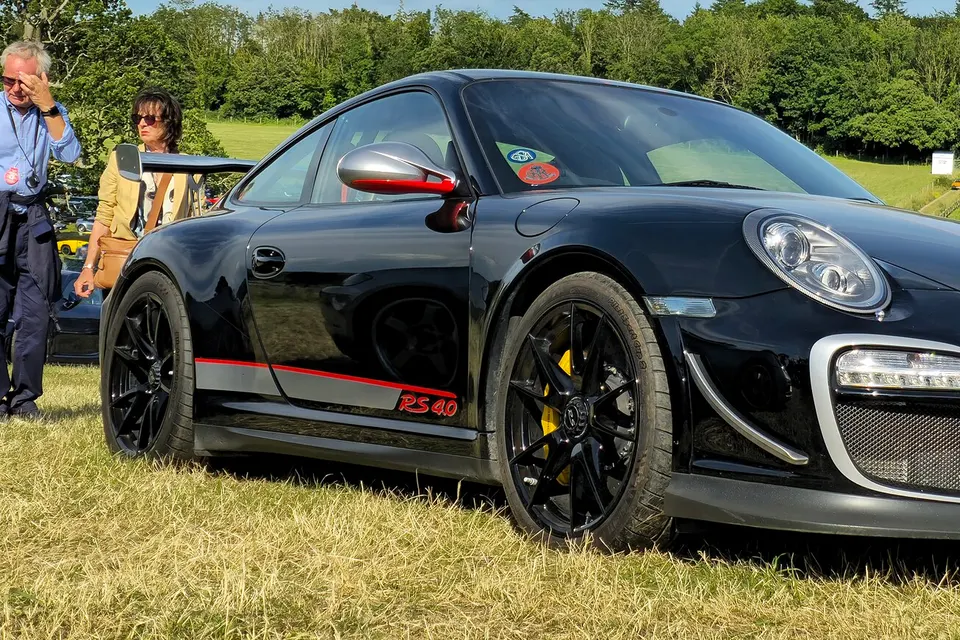
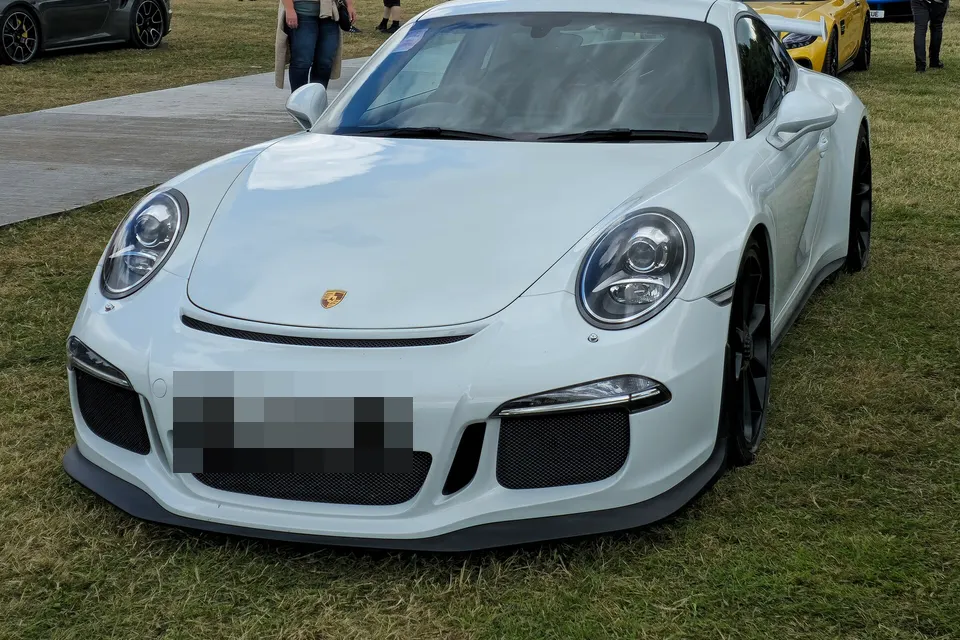
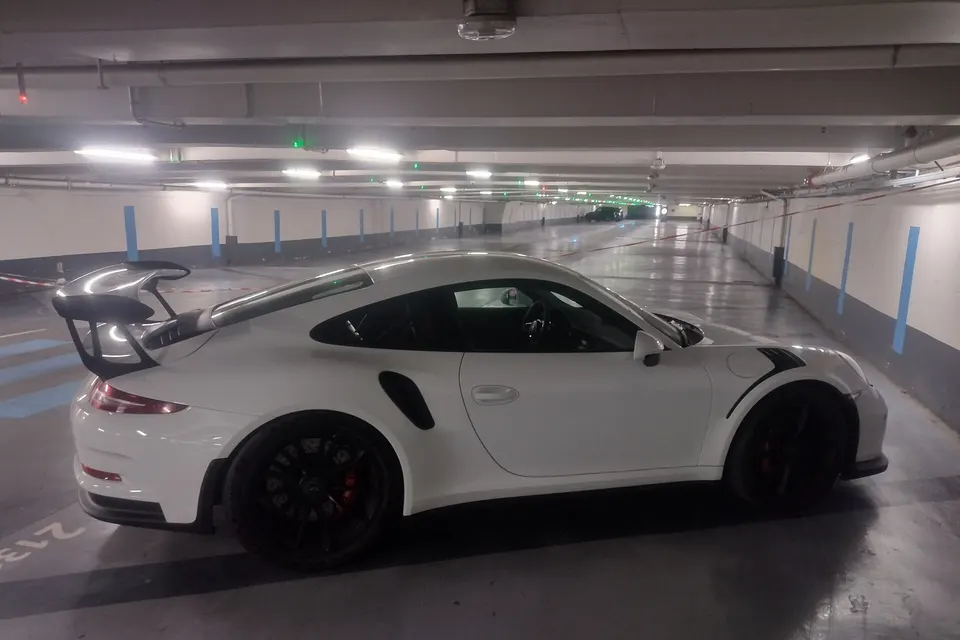
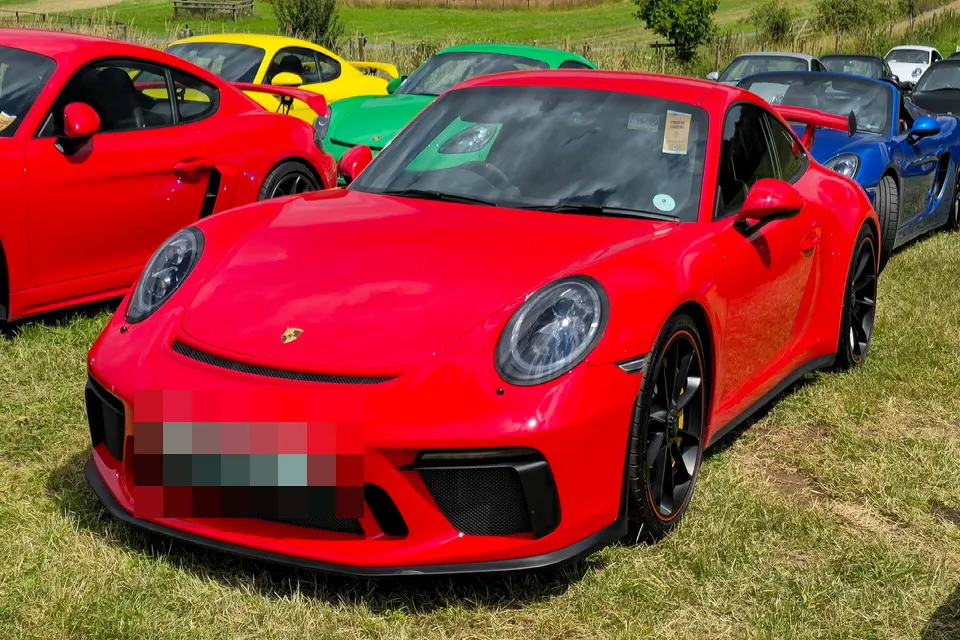
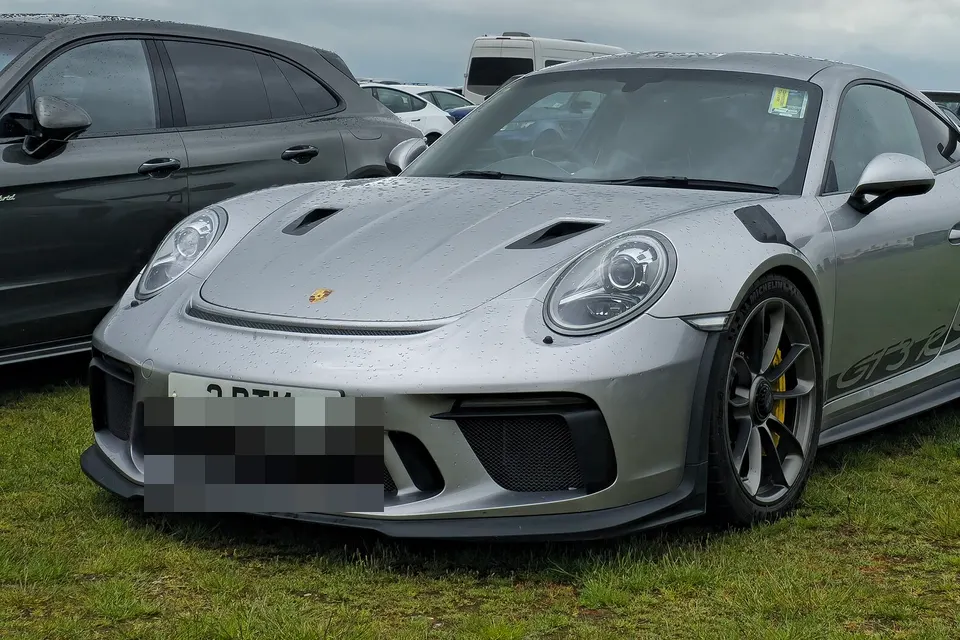
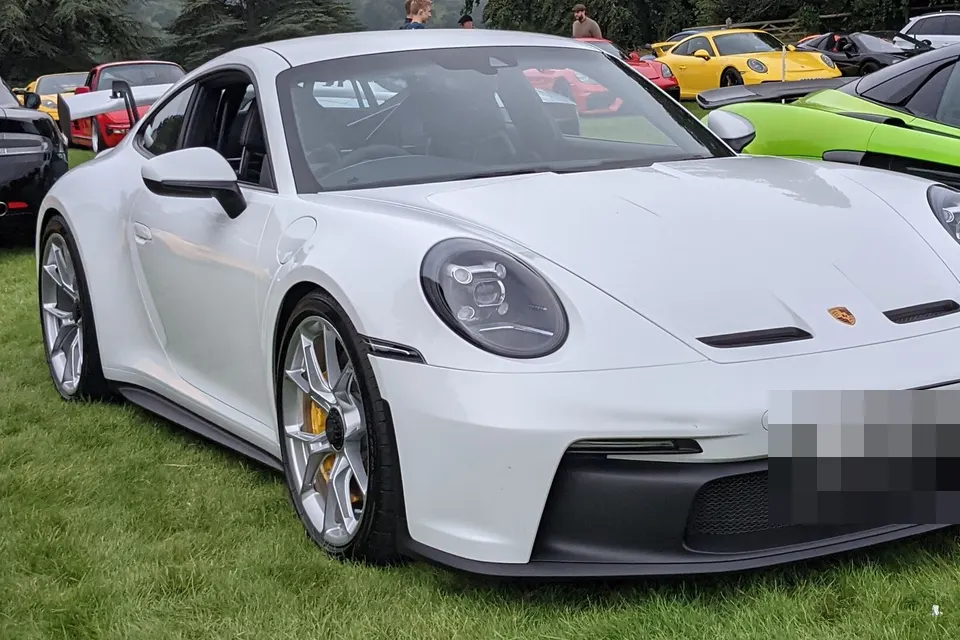
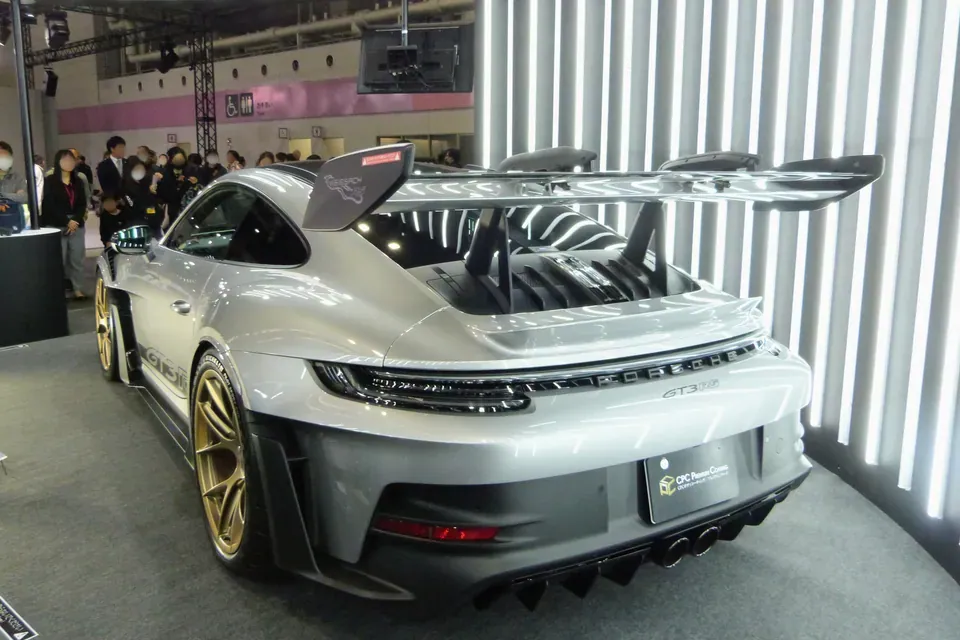
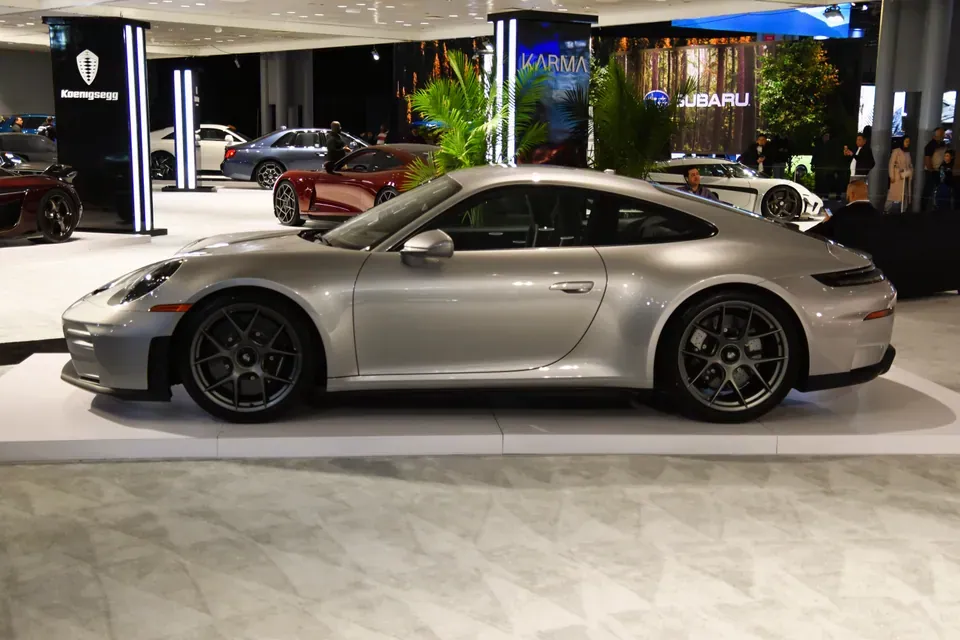
Photo: Calreyn88 · CC BY 4.0 · resized and cropped · Registration identifiers pixelated for privacy.