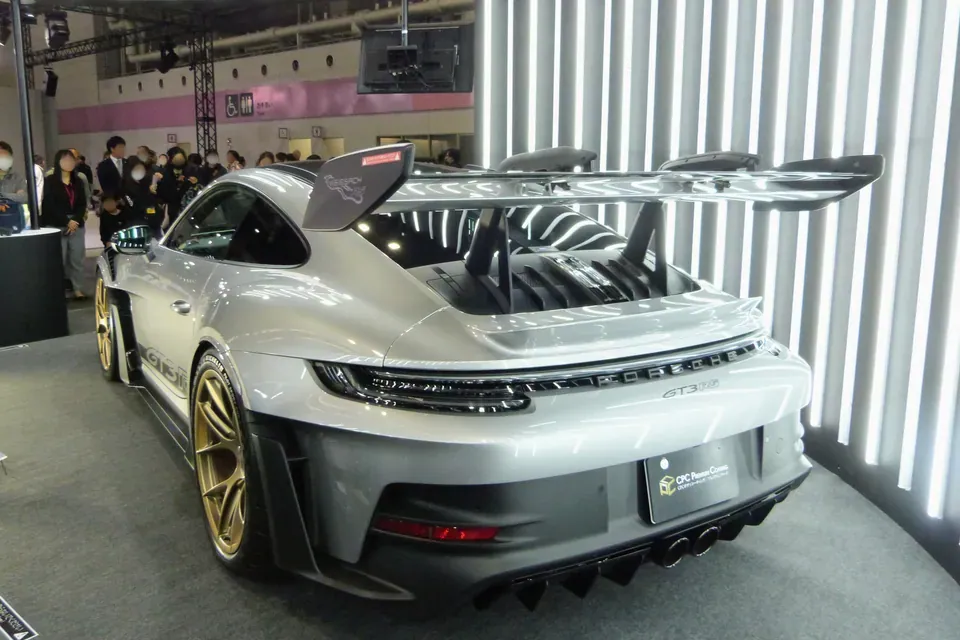
Documentary photographPhoto: Calreyn88 · CC BY-SA 4.0 · resized and cropped · Registration identifier pixelated for privacy.
Engine redprint / verifiedMA1.77
4.0 L flat-six · naturally aspirated · MA1.77Longitudinal rear-engine, rear-wheel driveTopology diagram · not to scale · based on the cited primary sources
The 520 PS second-generation 991 RS, adding the optional Weissach Package and a 9,000 rpm ceiling.
R / production rarity
How rare is it?
A simple 1–5 rating based on completed worldwide production for this exact version. Price and desirability are not included.
Rarity ratingNot availableNo comparable worldwide production total
Production bandNot available
Production evidenceNo exact production total
ProducedWorldwide total used for the rating
Production total unavailable
A reliable worldwide figure is not listed in the references.
How the rating works
The rating uses five fixed production bands. Smaller production runs receive higher ratings. Exact totals and responsibly sourced estimates for this precise version can be rated. Plans, regional totals, lower bounds, disputed figures and broader-family totals remain visible but unclassified. The evidence description is kept separate from the rating so a source limitation cannot change how scarcity is measured.
The 991.2 GT3 RS arrived in 2018 as a comprehensive refinement of the first 991 RS rather than a clean-sheet change. Porsche retained the wide, PDK-only, naturally aspirated formula but increased output, extended the engine speed range and recalibrated the chassis and rear-axle steering. The resulting car became the most developed conventional-aero GT3 RS before the 992 generation adopted a central radiator, active wing elements and cockpit-adjustable chassis systems.
Its MA1.77 flat-six displaced 3,996 cc and produced 383 kW (520 PS) with 470 Nm—20 PS and 10 Nm more than the 991.1 RS. Porsche stated that the engine could reach 9,000 rpm. A seven-speed PDK remained the sole transmission, driving the rear wheels. The manufacturer quoted 0–100 km/h in 3.2 seconds and 312 km/h, figures that belong to this facelift and should not be attached to the 500 PS predecessor simply because both are commonly called “991 GT3 RS.”
Aerodynamics determined the wide body, from the fixed rear wing to the front openings and underbody management, while ball-jointed suspension links and recalibrated rear steering pursued precision under high load. The car’s Nürburgring result gave that integration a public measure: Kévin Estre completed the customary 20.6-kilometre Nordschleife record route in 6:56.4, around 24 seconds quicker than Porsche’s cited predecessor time. The achievement reflects tyres, conditions and a complete vehicle, not engine output in isolation.
Engineering and character
The optional Weissach Package is a key identity field, not a synonym for every 991.2 RS. It added exposed carbon-weave components and further lightweight measures, with magnesium wheels available separately in conjunction with the package. Clubsport equipment likewise varied by market and order. Consequently, weight and visual descriptions must identify actual options. A standard car remains a genuine RS, while a Weissach-equipped example cannot lend its lightest component claims to every vehicle in the production run.
The acoustic character builds toward an unusually high 9,000 rpm peak for a four-litre road engine. PDK makes the transitions percussive and repeatable, while lightweight cabin trim exposes gear, tyre and induction layers alongside the exhaust. Valve position and emissions hardware remain part of the factory sound system. A premium audio record logs exhaust mode, intake, catalysts or particulate-filter specification where applicable, transmission mode and engine temperature so that regional and modified cars are not mistaken for one universal voice.
This generation occupies a revealing place in the lineage. It develops the 991.1 formula rather than reversing it, while its 992.1 successor changes the dominant performance mechanism toward active aerodynamics and an unprecedented downforce load. The 991.2 is therefore the culmination of the fixed-wing approach: still visually related to the first 991 RS, yet faster through numerous detailed gains in breathing, control, chassis connection and mass management rather than through a dramatic increase in displacement.
Legacy and identity
The focus here is the 2018–2019 Type 991.2 GT3 RS with MA1.77 engine and seven-speed PDK. It excludes the earlier 500 PS car, GT2 RS, standard GT3 and later 992 RS. It also distinguishes base, Clubsport and Weissach-related equipment instead of treating option names as decorative keywords. The car demonstrates how refinement can produce a generational leap; for purists, its exact power, rev limit, lap protocol and configuration boundaries keep that achievement measurable and honest.
01
Engineering context
Four-litre naturally aspirated flat-six with dry-sump lubrication, solid valve gear and motorsport-derived internals.
04 / family tree
Model lineage
1972–2024 · 19 documented milestones
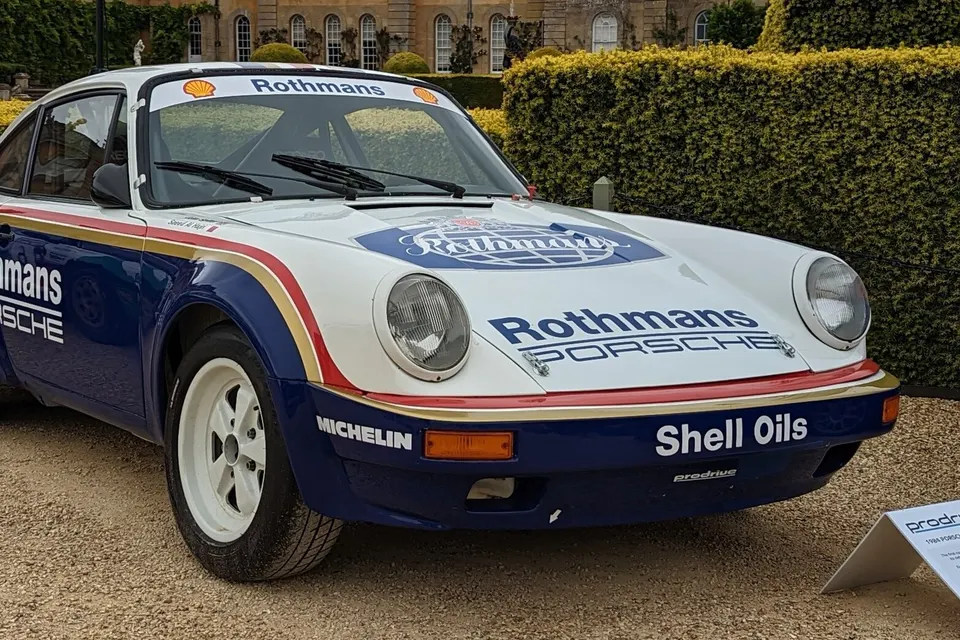
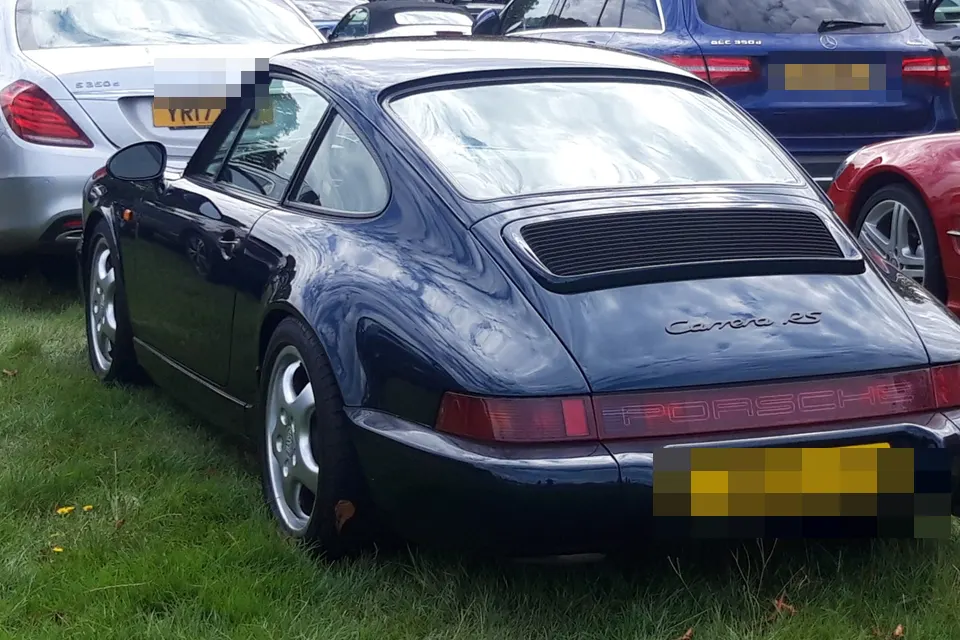
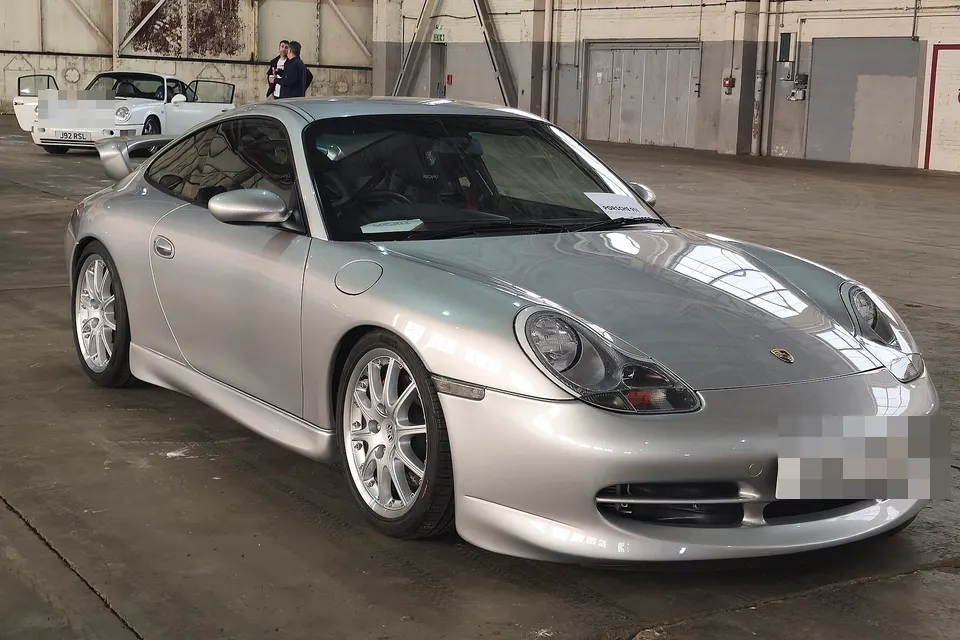
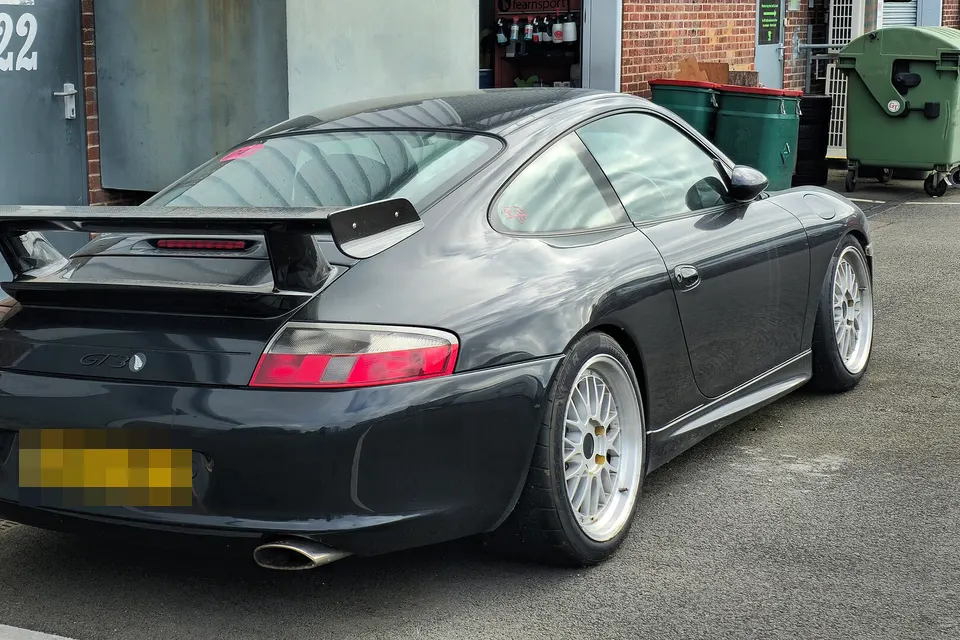
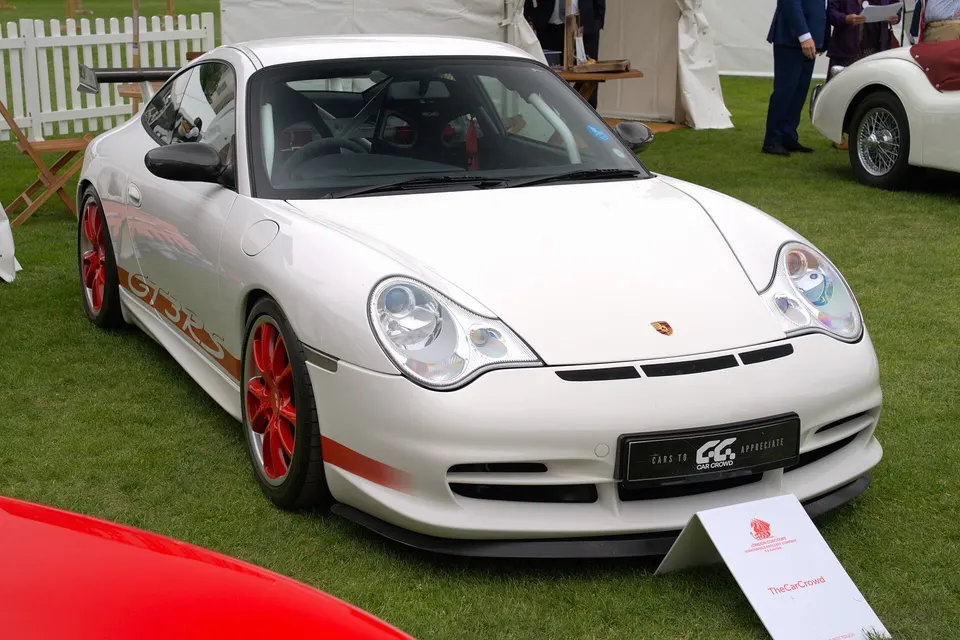
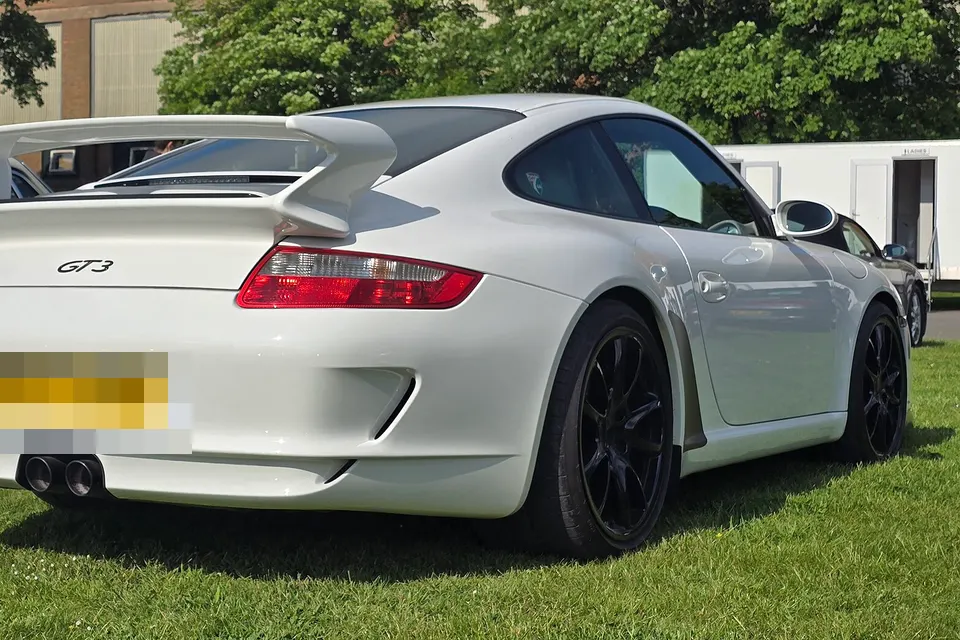
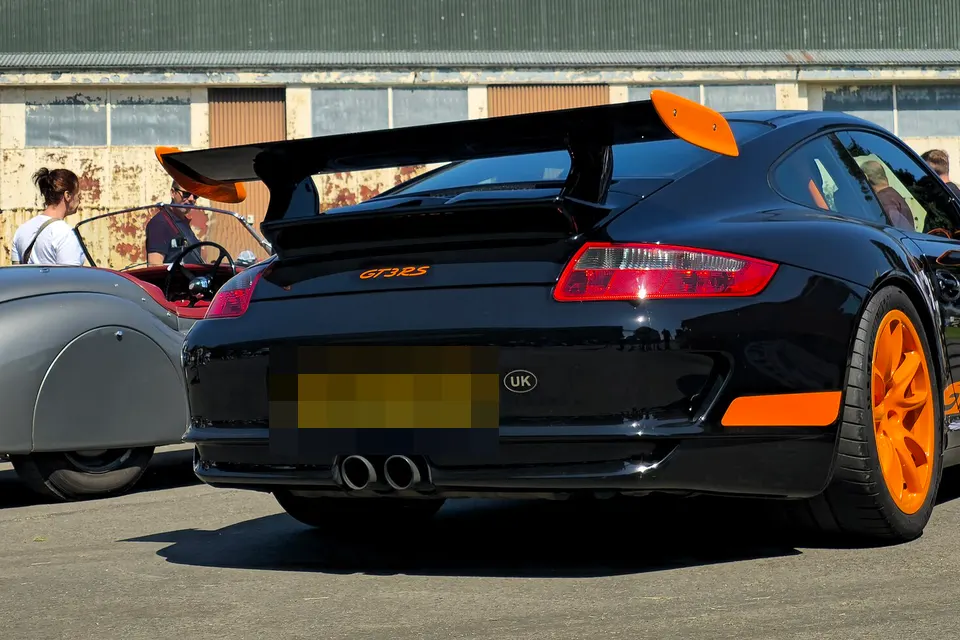
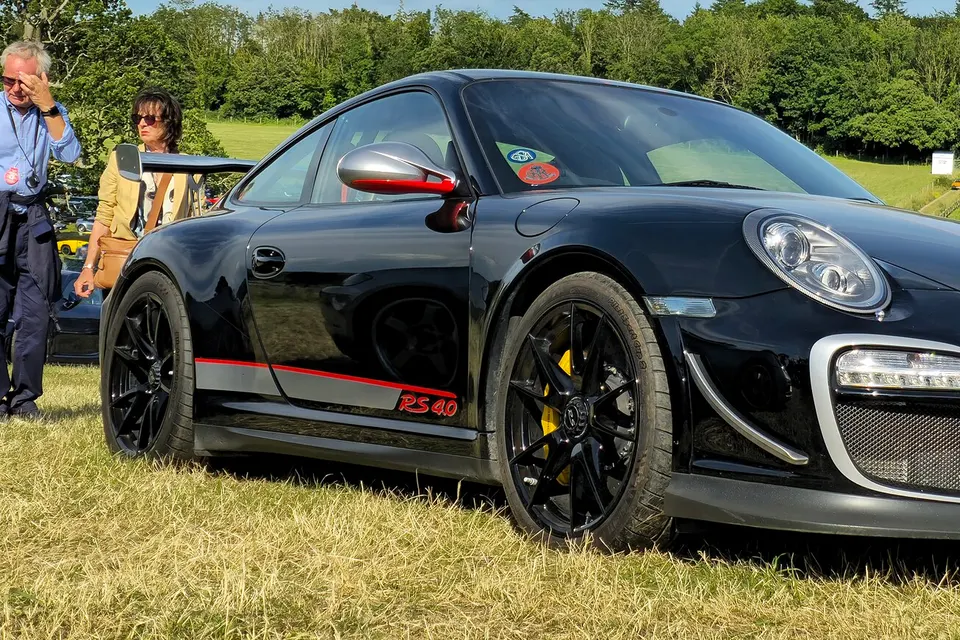
Photo: Calreyn88 · CC BY 4.0 · resized and cropped · Registration identifiers pixelated for privacy.