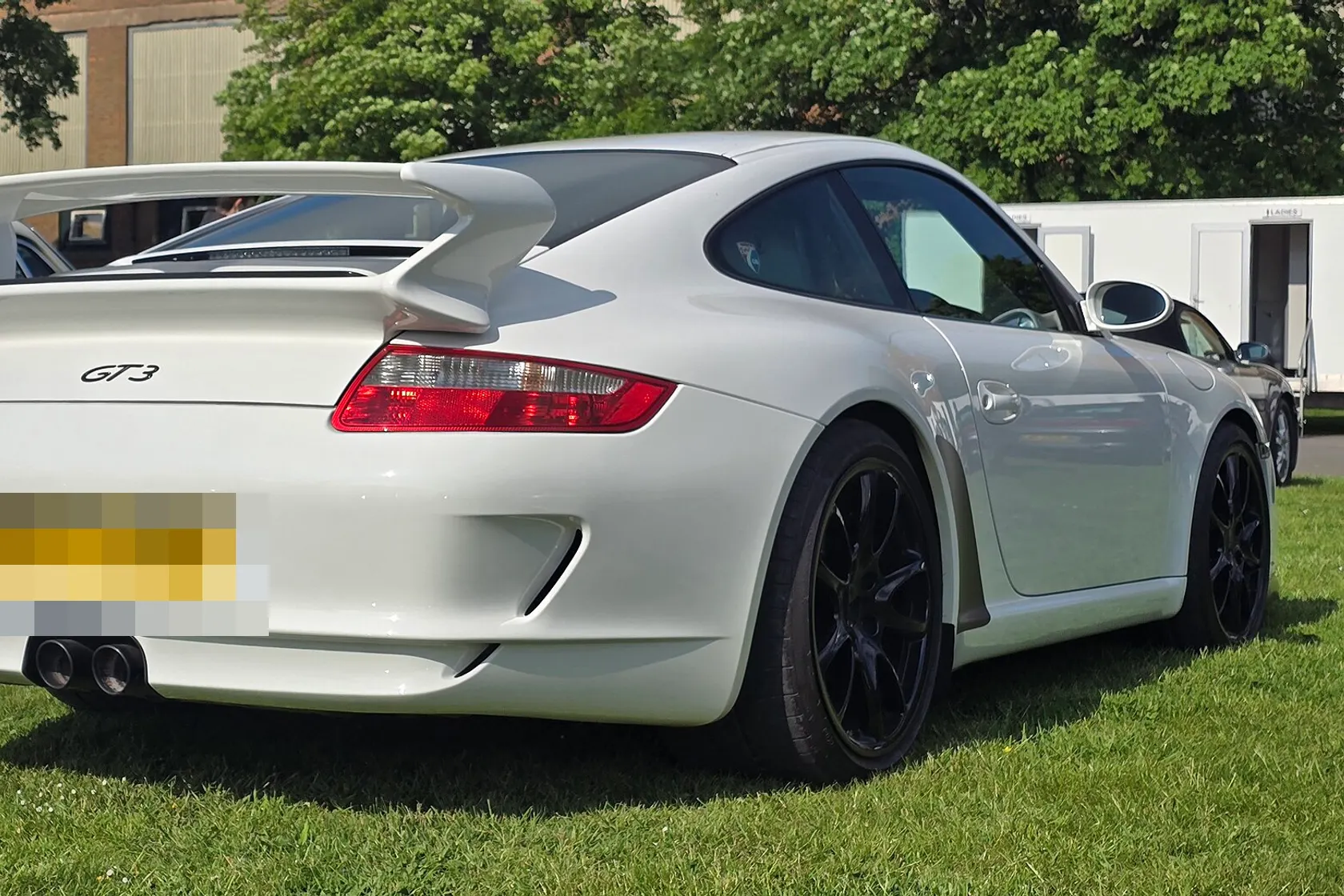
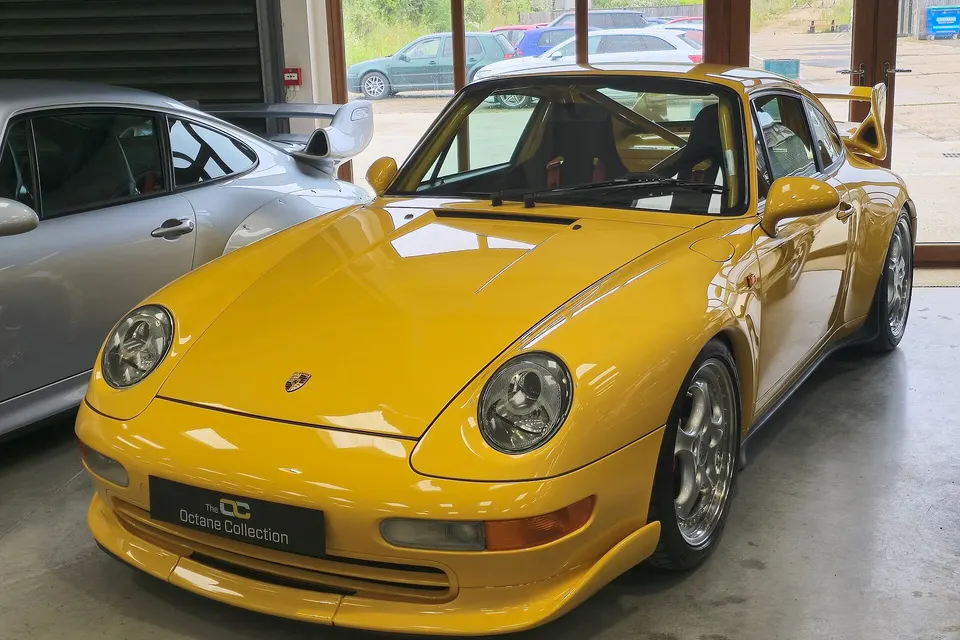
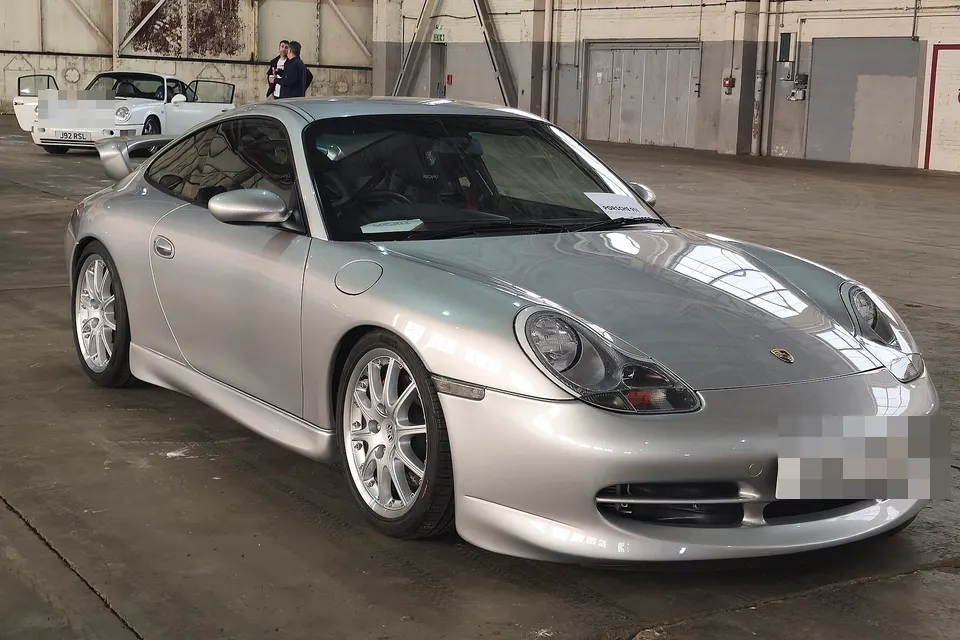
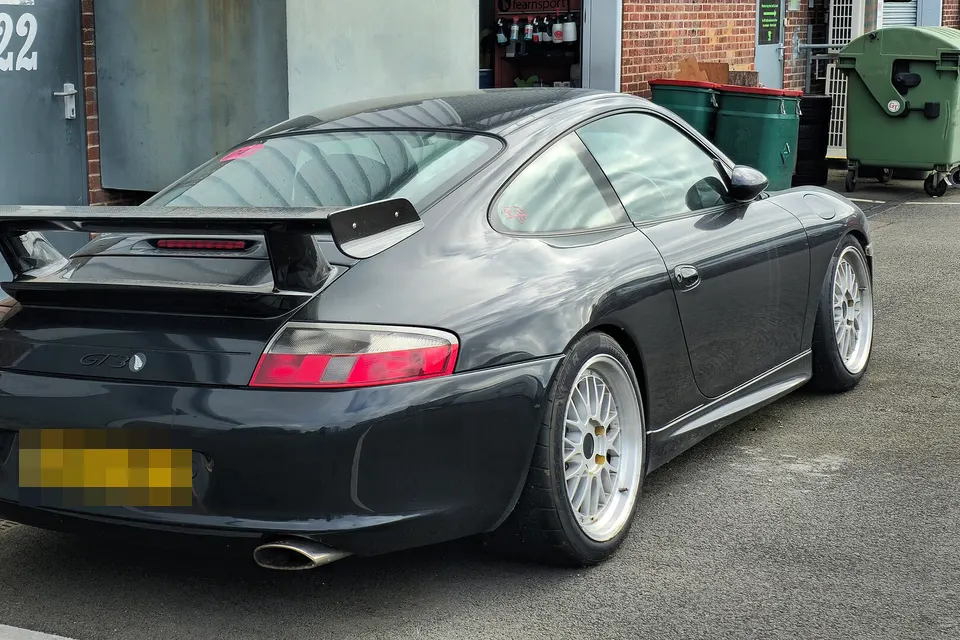
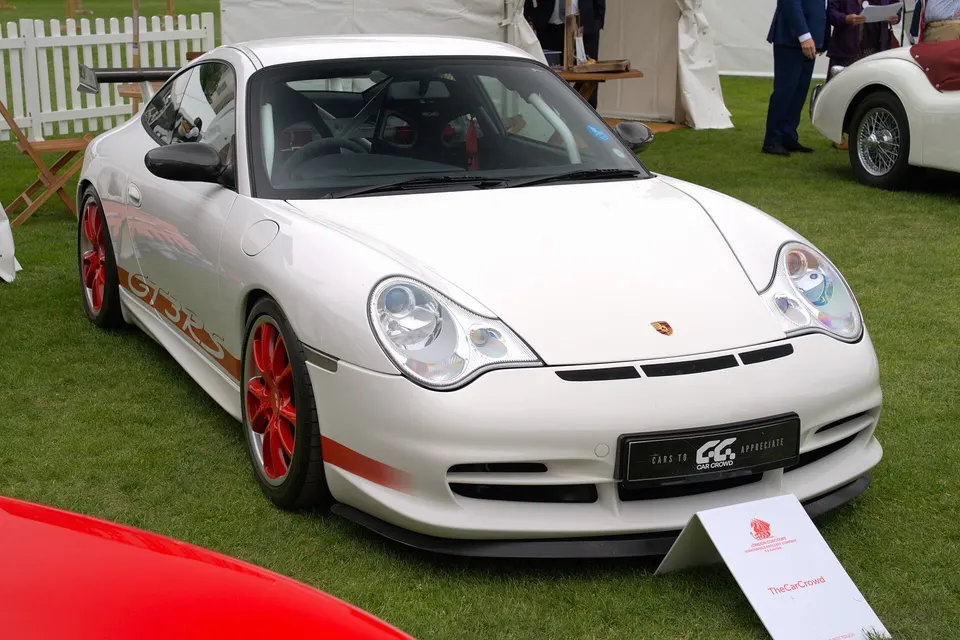
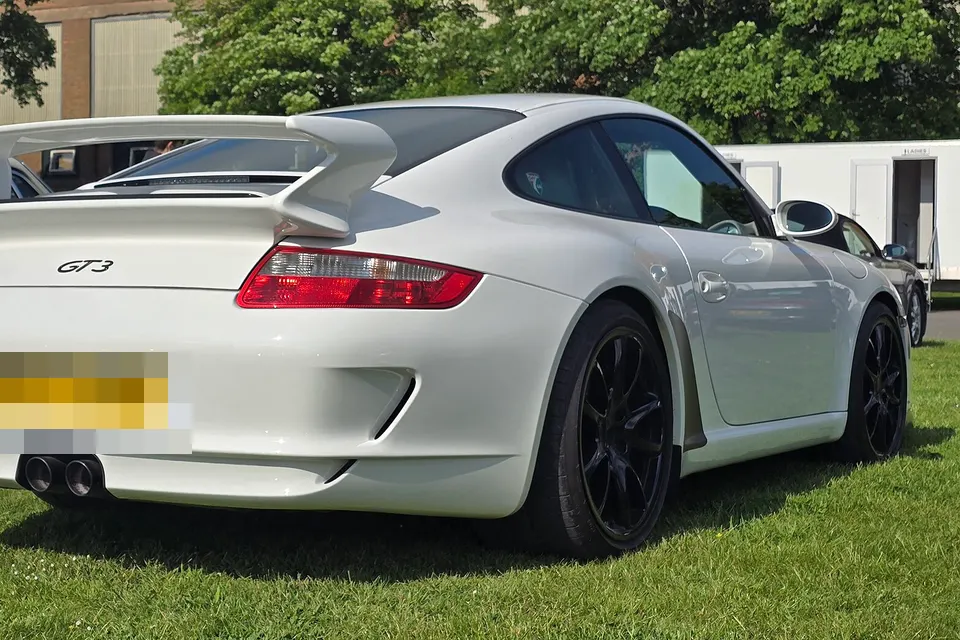
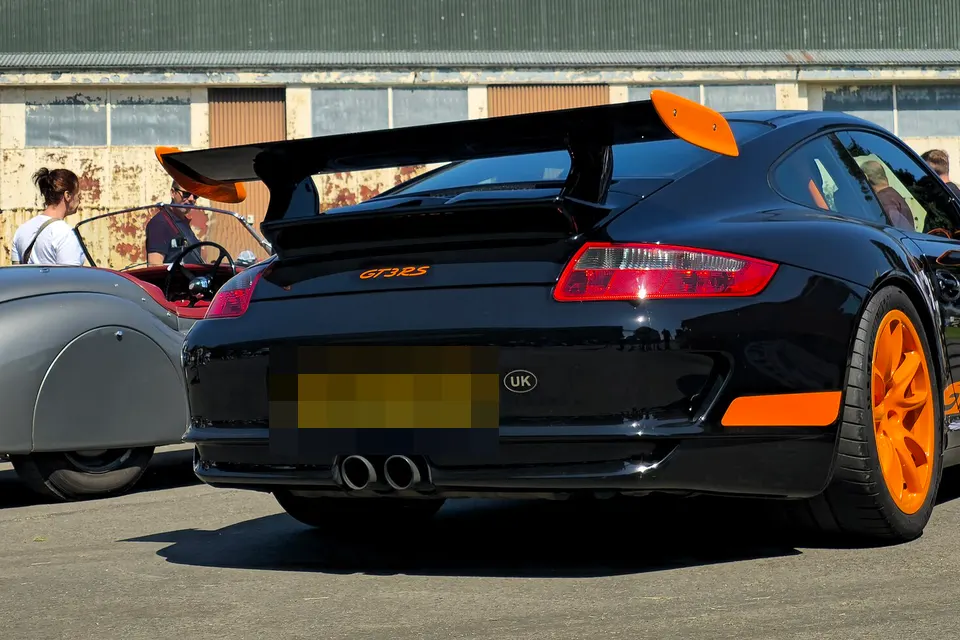
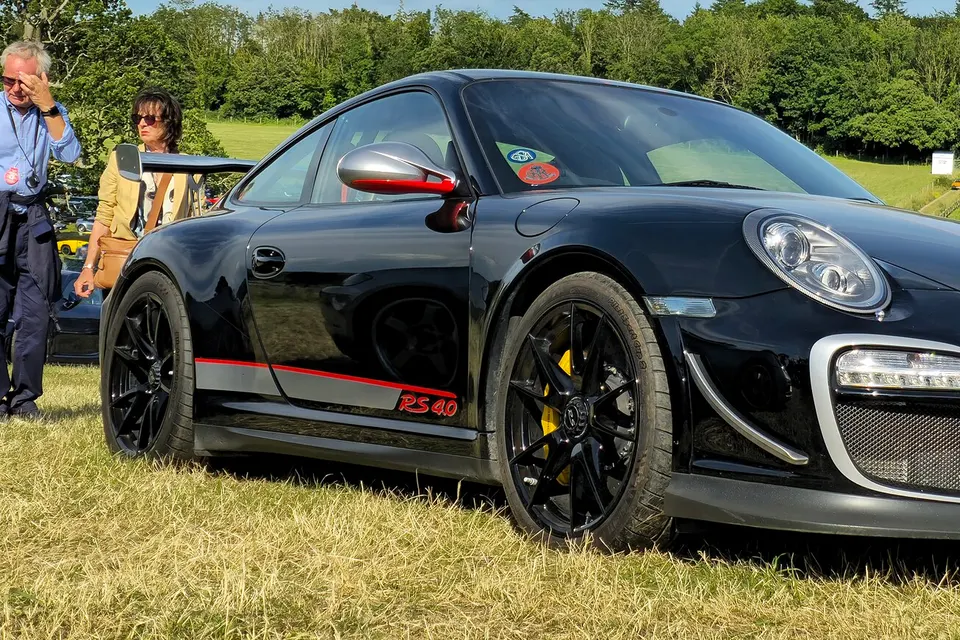
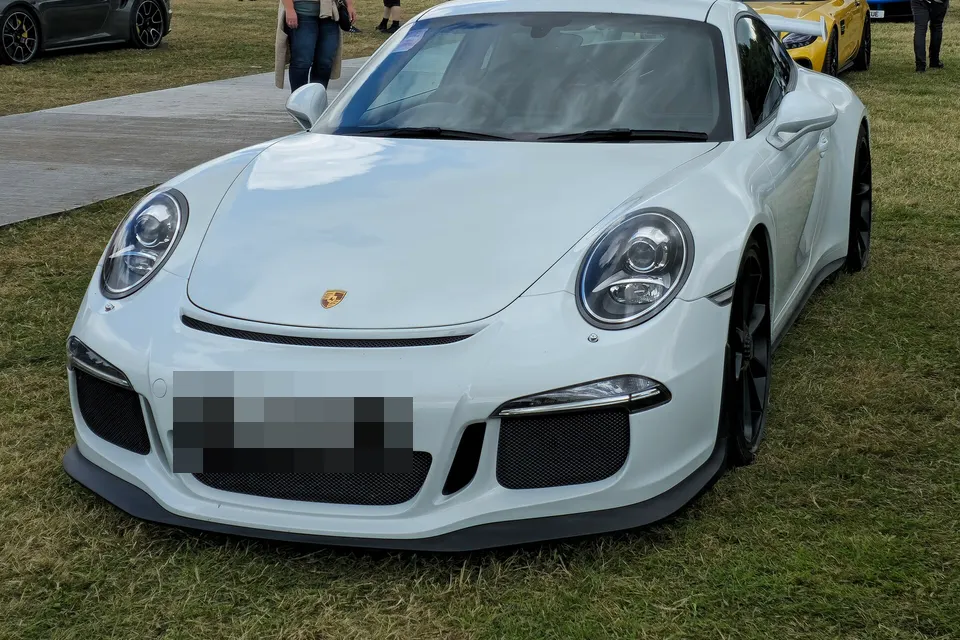
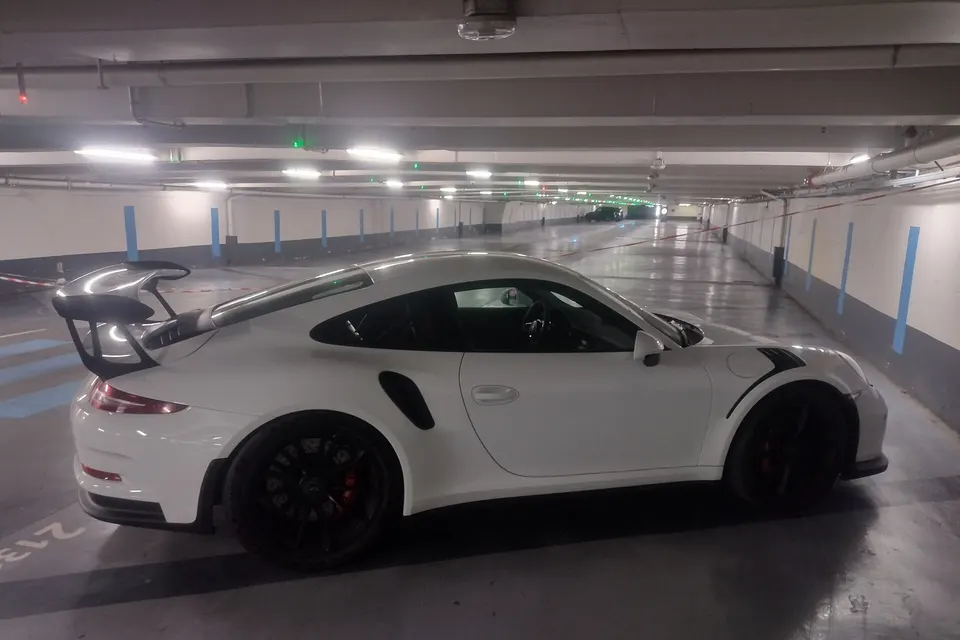
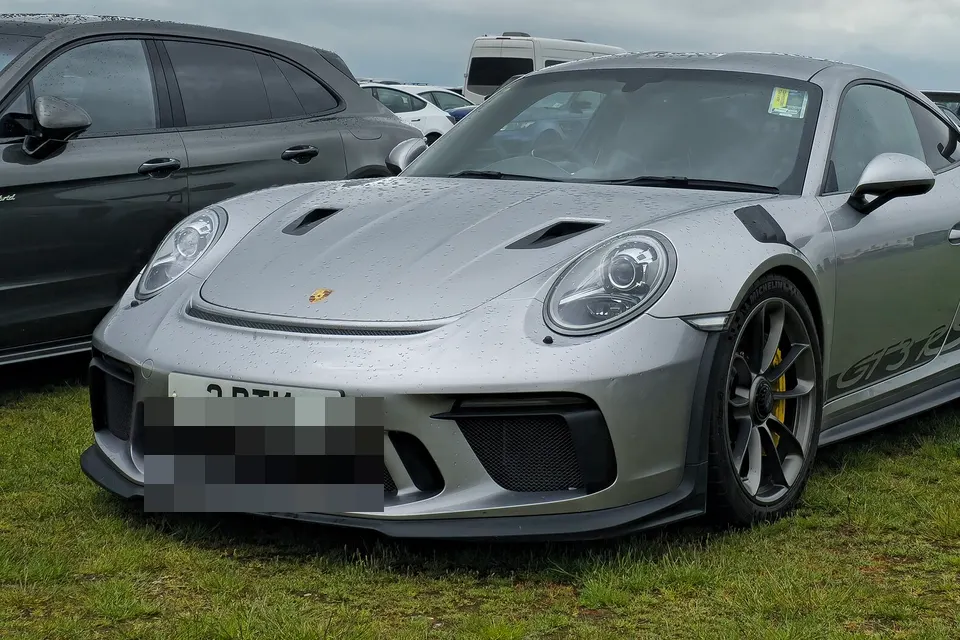
Documentary photographPhoto: Calreyn88 · CC BY-SA 4.0 · resized and cropped · Registration identifier pixelated for privacy.
Engine redprint / verifiedM97/76
3.6 L flat-six · naturally aspirated · M97/76Longitudinal rear-engine, rear-wheel driveTopology diagram · not to scale · based on the cited primary sources
The 997-generation GT3 introduced PASM while keeping a 3.6-litre Mezger flat-six and manual gearbox.
R / production rarity
How rare is it?
A simple 1–5 rating based on completed worldwide production for this exact version. Price and desirability are not included.
Rarity ratingNot availableNo comparable worldwide production total
Production bandNot available
Production evidenceNo exact production total
ProducedWorldwide total used for the rating
Production total unavailable
A reliable worldwide figure is not listed in the references.
How the rating works
The rating uses five fixed production bands. Smaller production runs receive higher ratings. Exact totals and responsibly sourced estimates for this precise version can be rated. Plans, regional totals, lower bounds, disputed figures and broader-family totals remain visible but unclassified. The evidence description is kept separate from the rating so a source limitation cannot change how scarcity is measured.
The 997.1 GT3 appeared in 2006 as a substantial technical and aesthetic development of the 996 formula. Familiar round headlamps made the new generation look more traditionally 911-like, but Porsche did not rely on nostalgia. The GT3 gained adaptive suspension for the first time, a revised aerodynamic package and a more powerful 3.6-litre engine, widening its capability while retaining the naturally aspirated, manual, rear-drive architecture enthusiasts associated with the badge.
Its M97/76 flat-six displaced 3,600 cc and produced 305 kW (415 PS) with 405 Nm. The dry-sump Mezger-derived architecture used variable intake geometry and could reach 8,400 rpm. A six-speed manual remained the sole transmission. Compared with the 996.2, the increase was 34 PS, but the more important continuity lay in preserving the engine family and driver-operated gearbox while the surrounding chassis became more sophisticated.
Porsche Active Suspension Management became standard on a GT3 for the first time. PASM allowed electronically controlled damping to broaden the car’s operating range without abandoning the fixed geometry and adjustment expected of a circuit-oriented model. A new front spoiler lip and one-piece rear wing improved aerodynamics. Porsche’s history records 312 km/h and 0–100 km/h in 4.3 seconds, but those outcomes came from the combined engine, chassis and aero development.
Engineering and character
The same 415 PS engine then powered the 997.1 GT3 RS without an output increase. The RS used the wider Carrera 4 body, a broader rear track, reduced mass and shorter gearing to create a different purpose. That relationship helps explain the standard GT3: it was not a softened RS, but the production foundation that combined serious track ability with a less specialised road brief. Specifications from the two should remain separate.
Acoustically, the engine is crisp and layered, moving from induction resonance toward a hard metallic upper register. PASM itself does not define the sound, but tyres, cabin trim and road surface influence what a microphone captures around the engine. Exhaust replacement is common, so premium documentation requires the original intake, catalysts and silencers plus the selected operating conditions. A louder 997 is not automatically a more accurate 997.
The 997.1 sits between the updated 996.2 and the 3.8-litre 997.2. It introduced chassis adaptability while remaining within the manual Mezger era; the later car added displacement, centre-lock wheels and further aero development. Seen in sequence, the 997.1 is the bridge between the raw visual identity of the 996 and the mature final standard GT3 built around this engine lineage.
Legacy and identity
This record covers the 2006–2009 Type 997.1 GT3 with M97/76 power and six-speed manual transmission. It excludes the wider GT3 RS, the later 3.8-litre update and Cup machinery. Premium status comes from holding those boundaries while explaining the car’s broader importance: this was the generation that showed adaptive damping could join the GT3 toolkit without replacing its analogue powertrain core. That balance also makes the car a useful reference for understanding how Porsche broadened road usability while preserving circuit adjustment, high engine speed and direct driver control in the final years of the 3.6-litre standard GT3.
01
Engineering context
Naturally aspirated dry-sump 3.6-litre flat-six with variable intake geometry and an 8,400 rpm ceiling.
04 / family tree
Model lineage
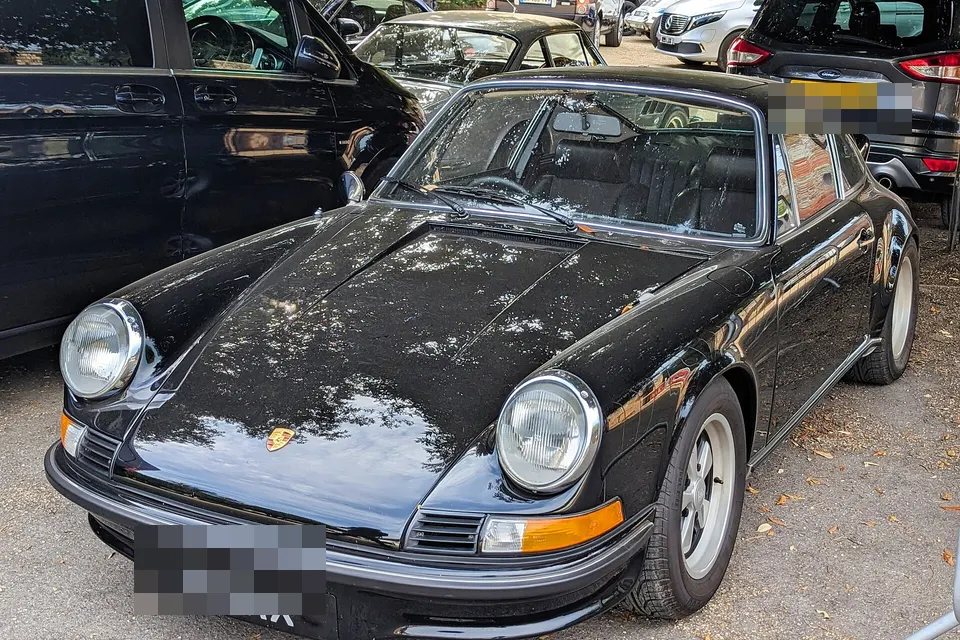
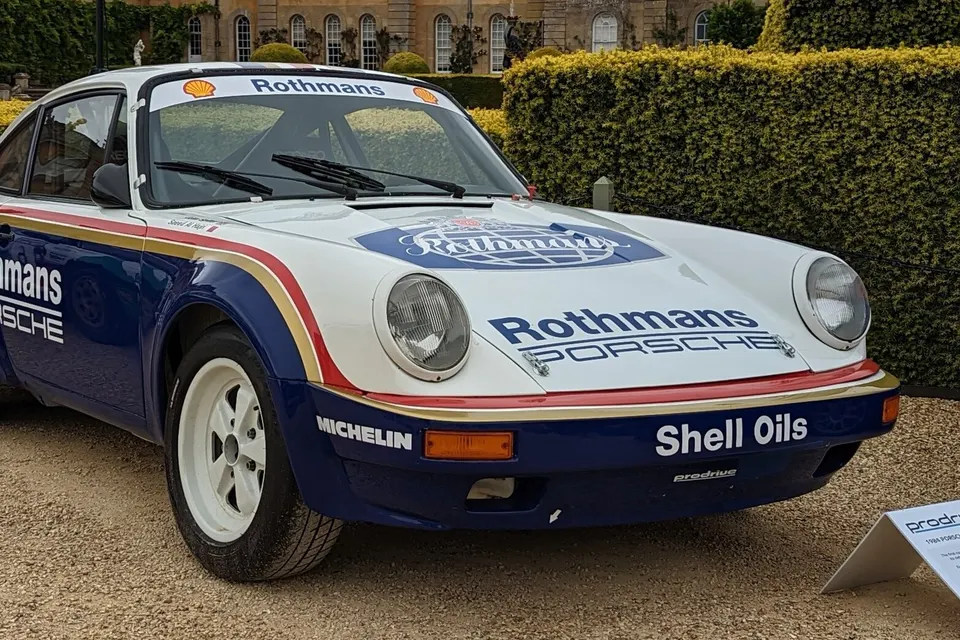
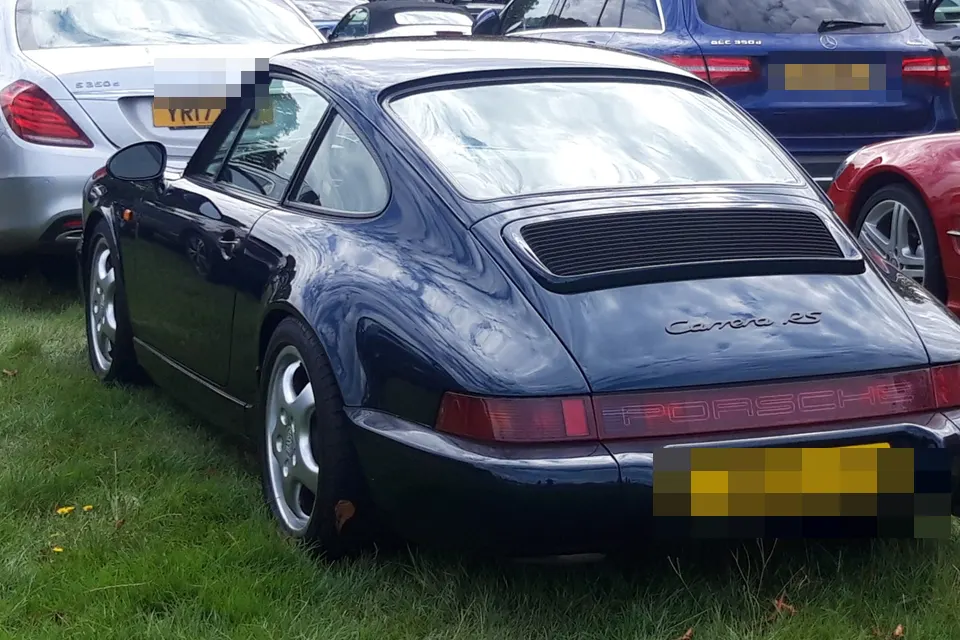
1972–2024 · 19 documented milestones
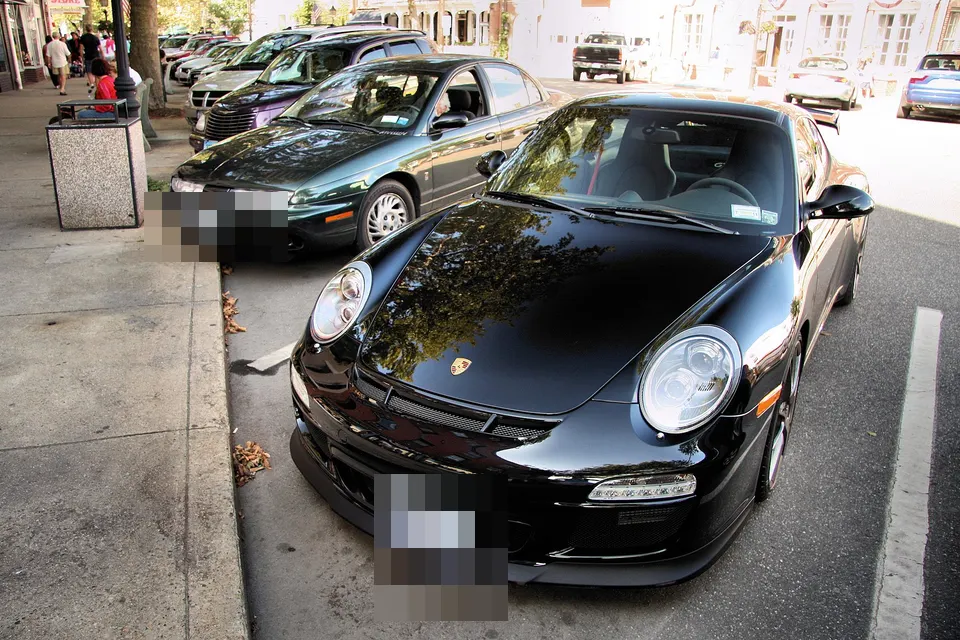
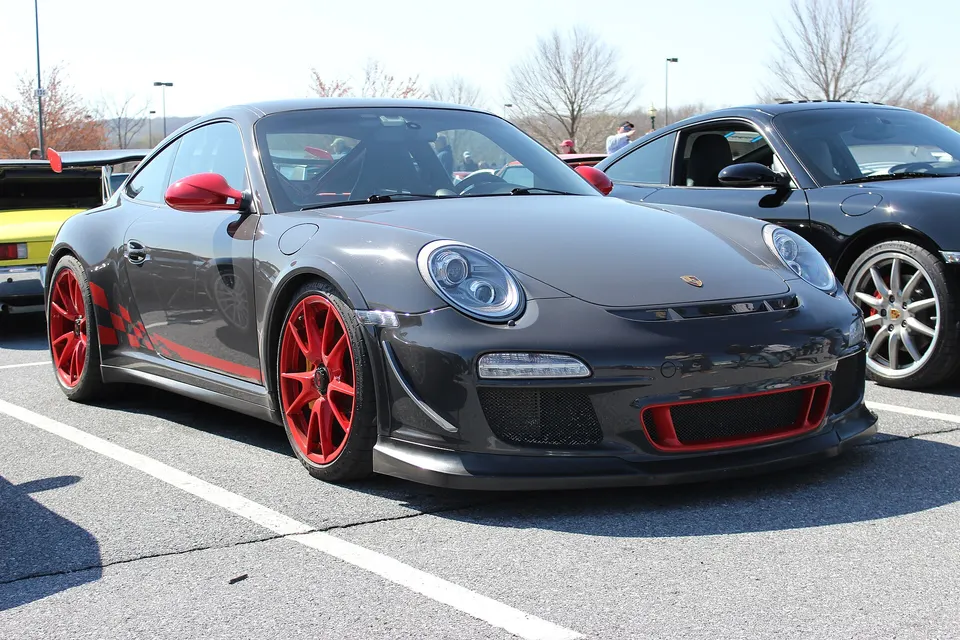
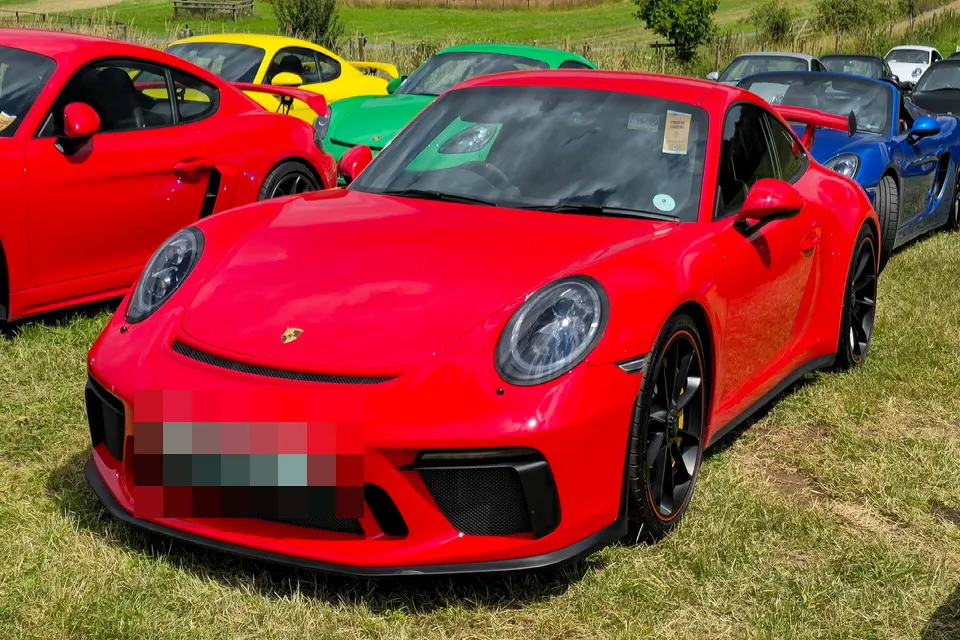
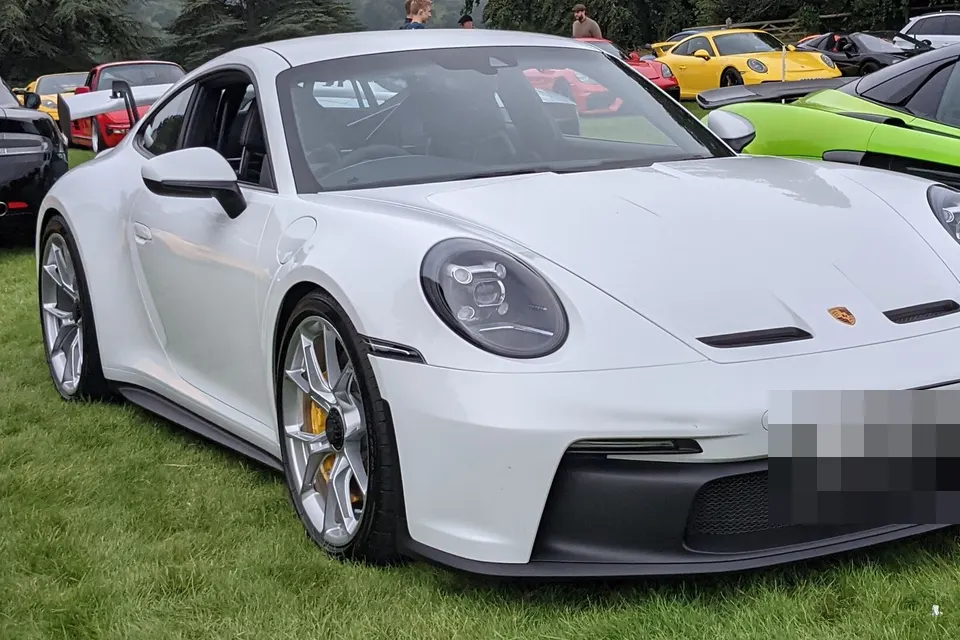
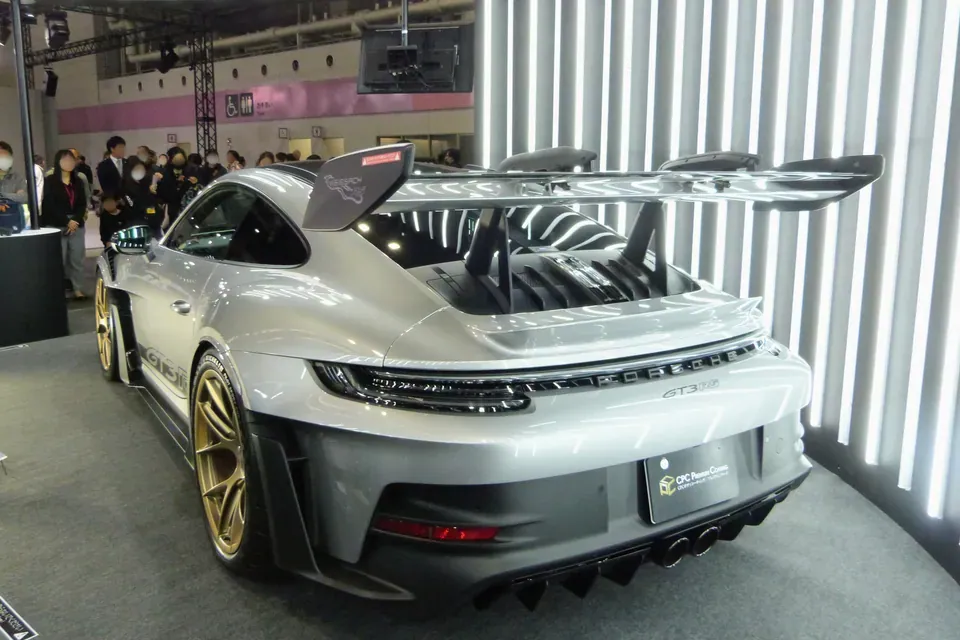
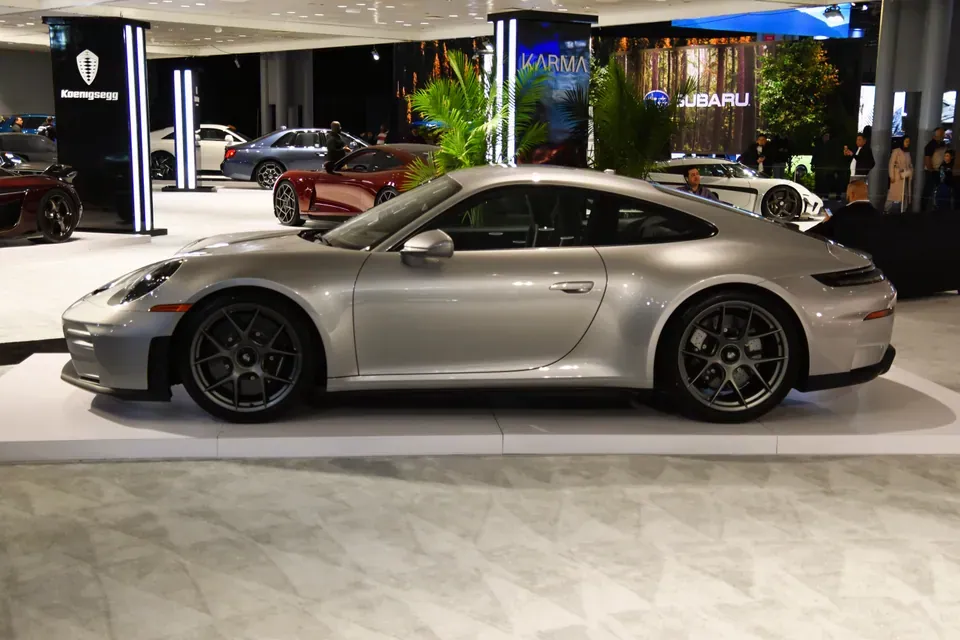
Photo: Calreyn88 · CC BY 4.0 · resized and cropped · Registration identifiers pixelated for privacy.