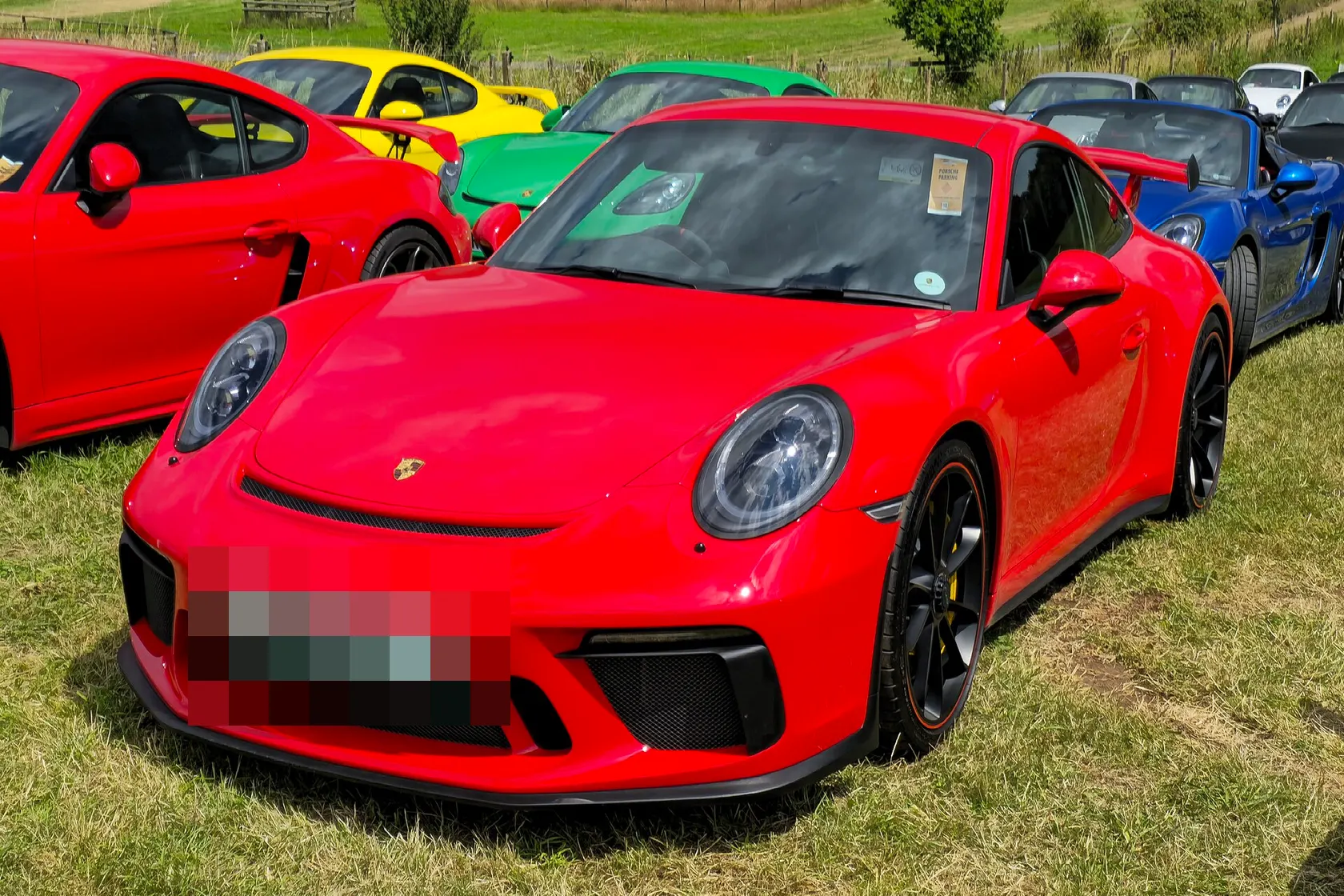
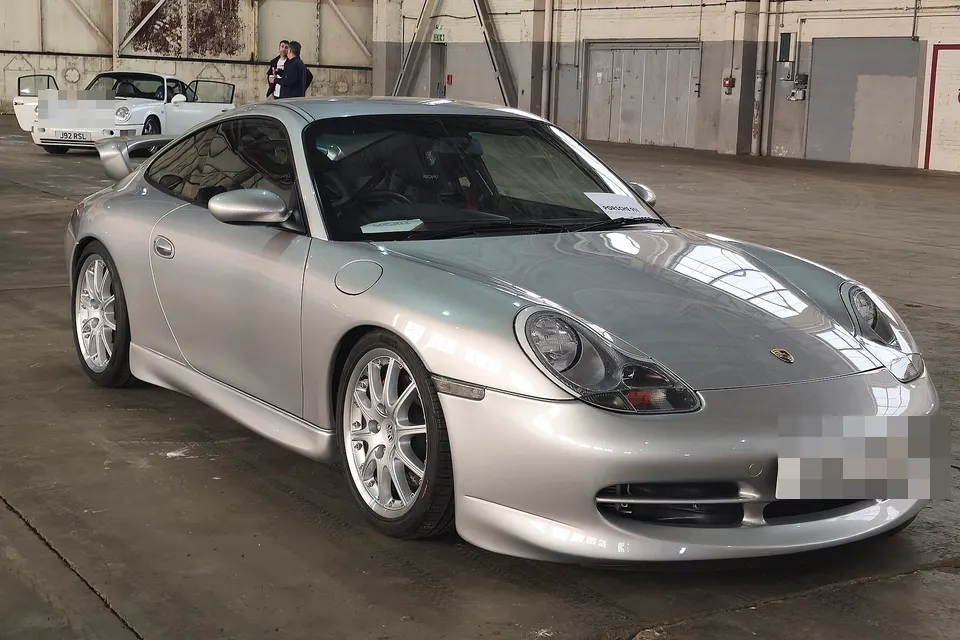
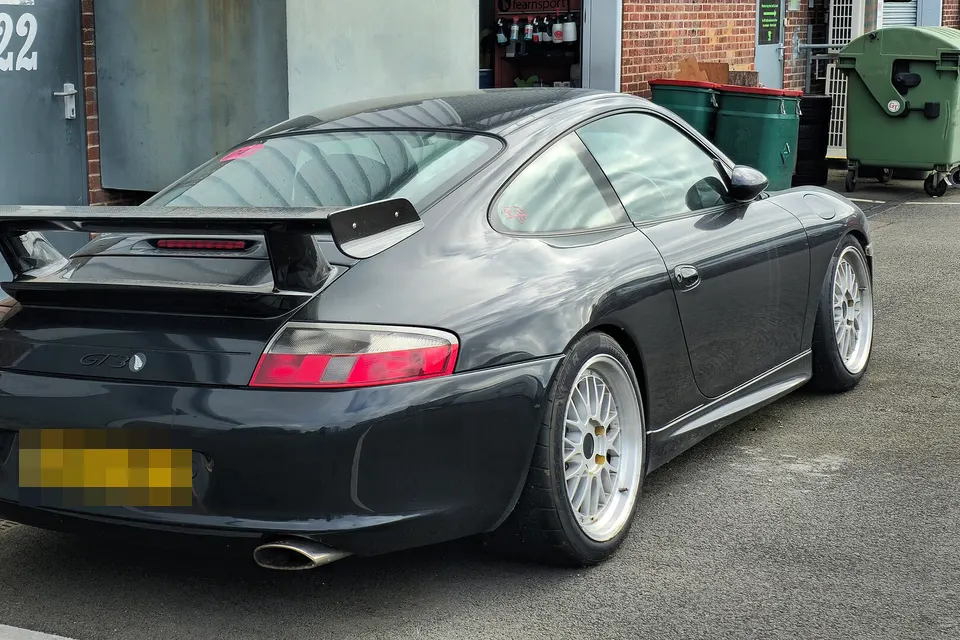
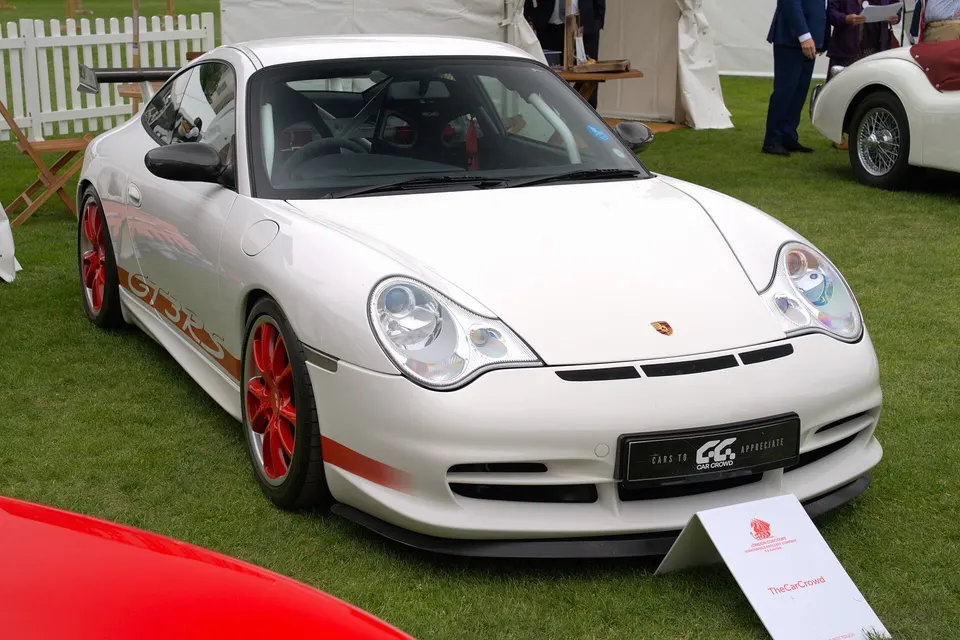
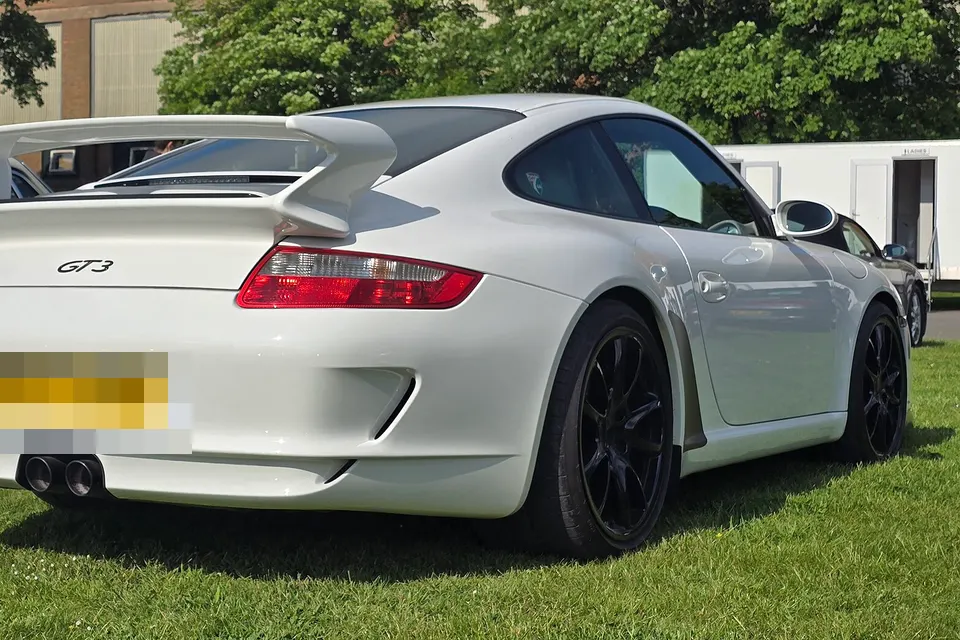
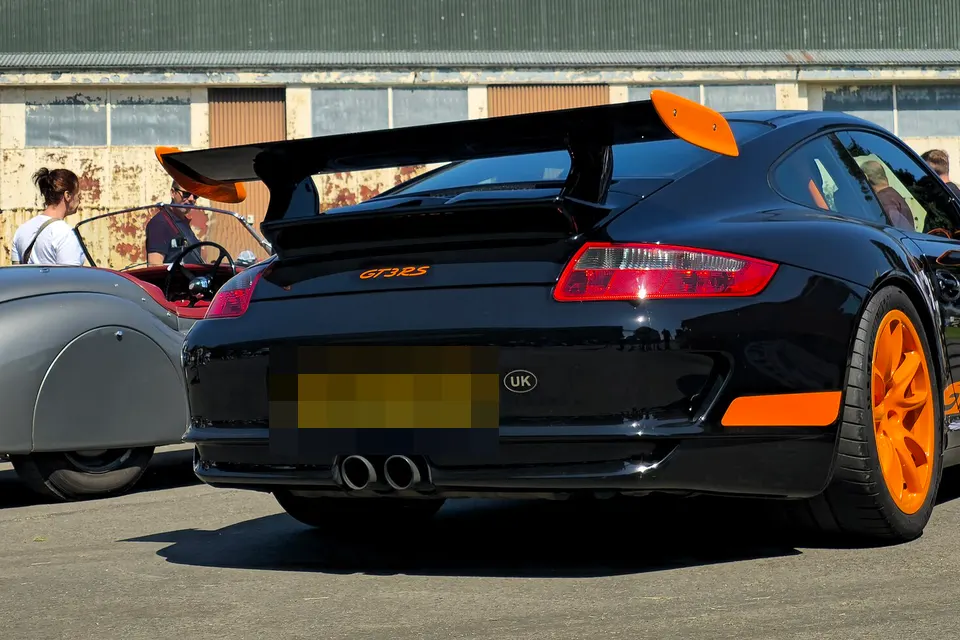
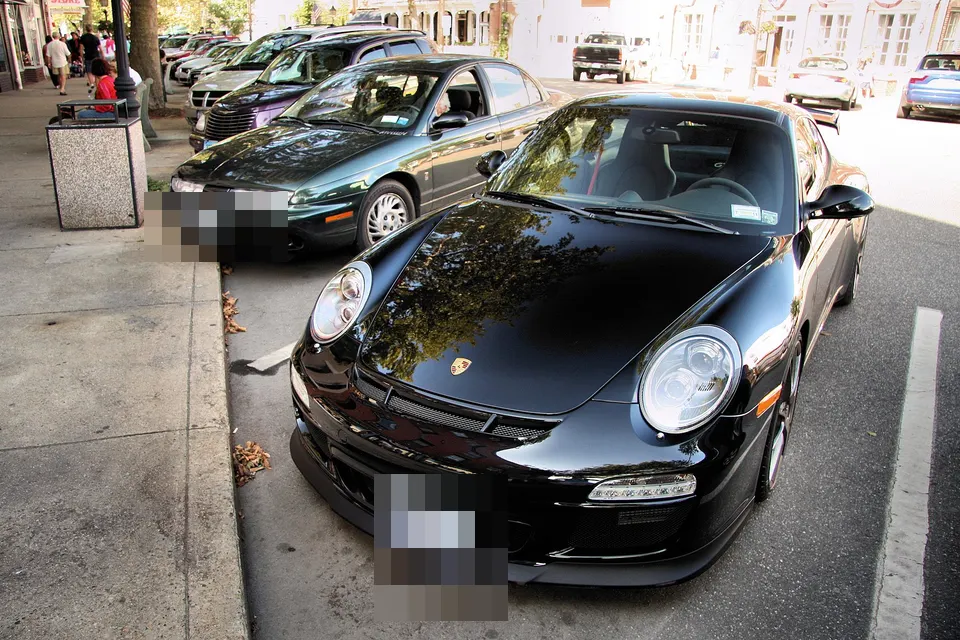
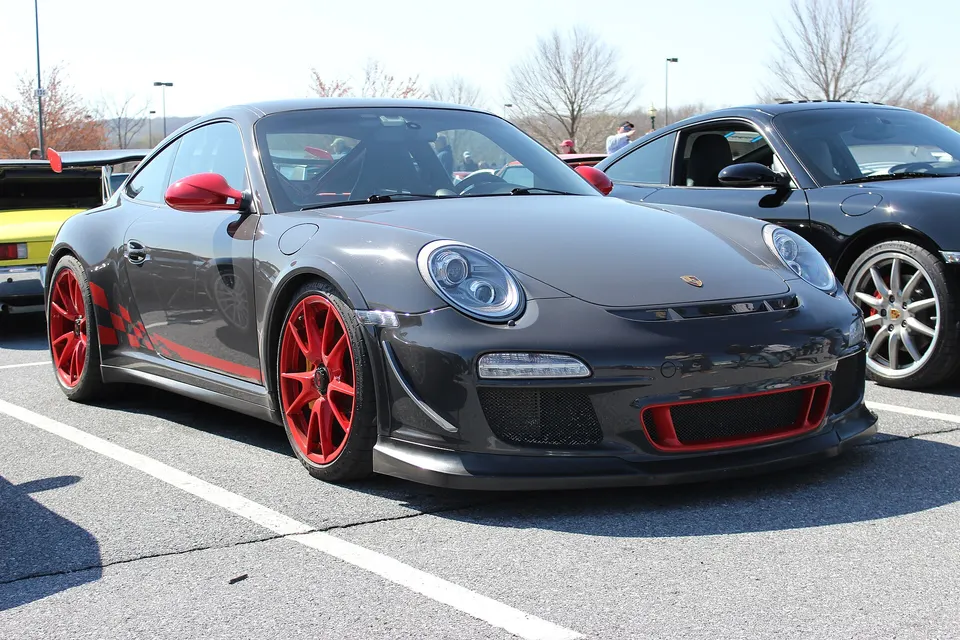
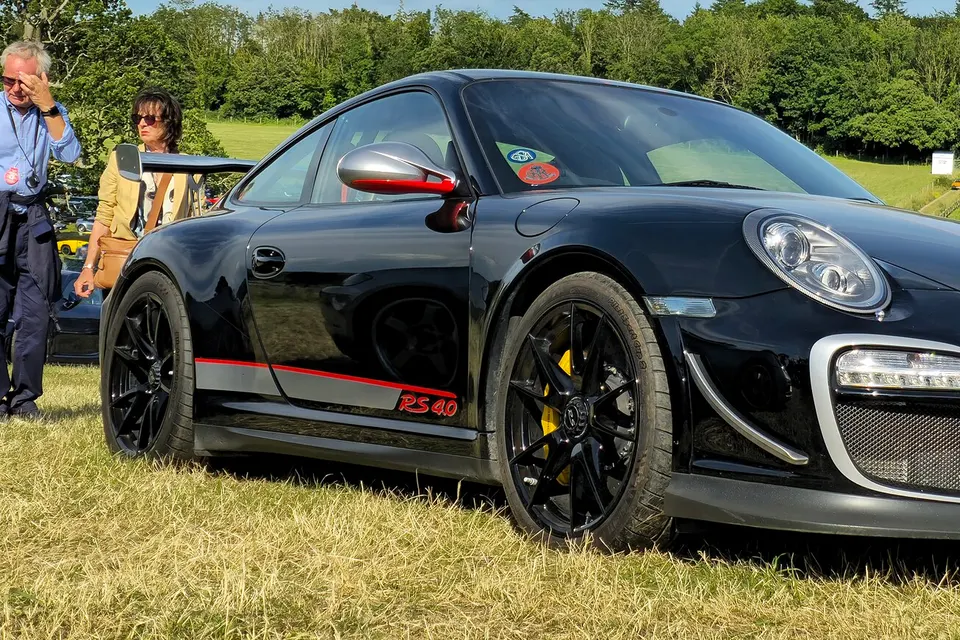
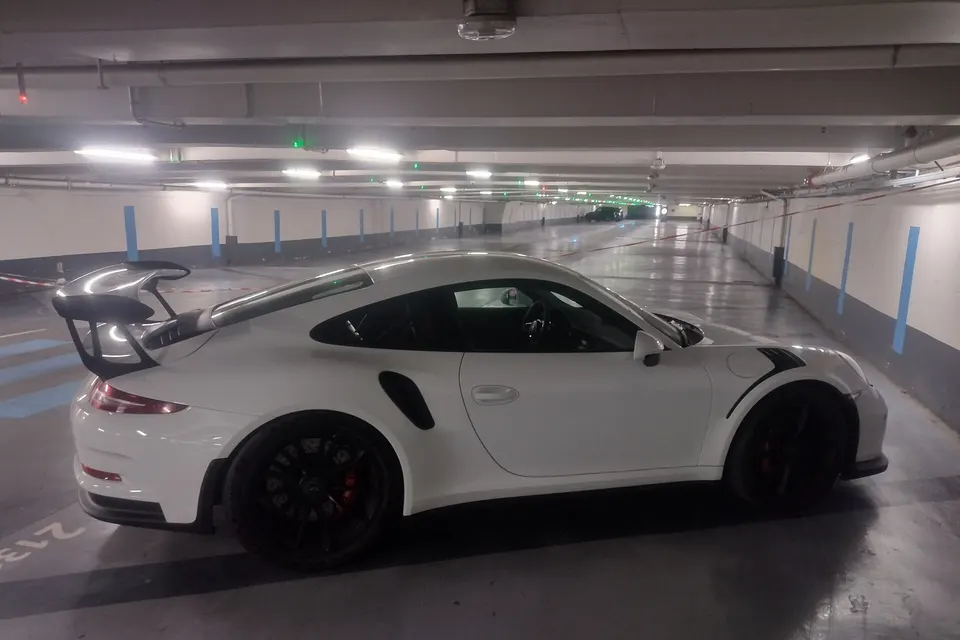
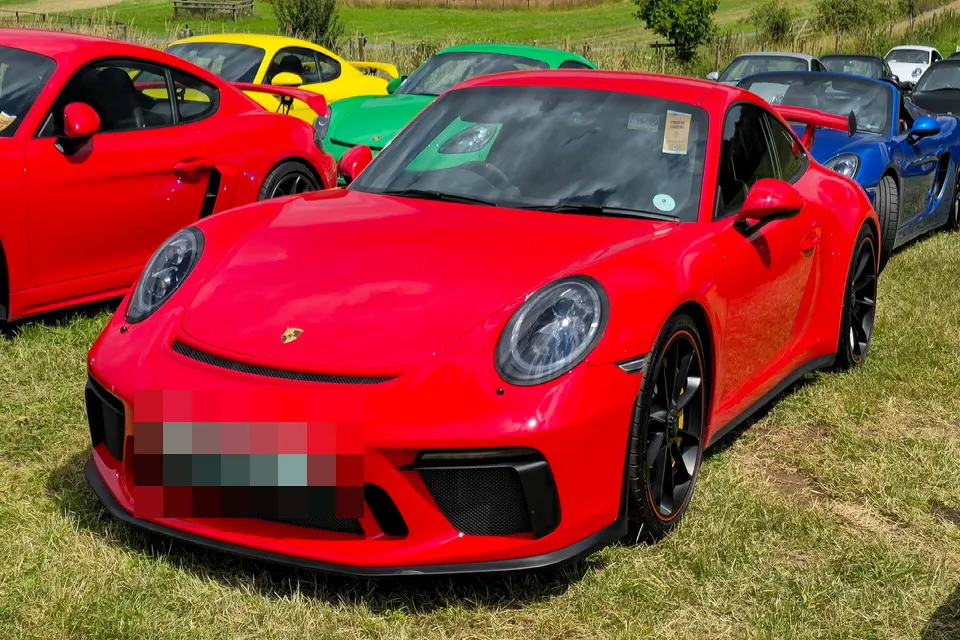
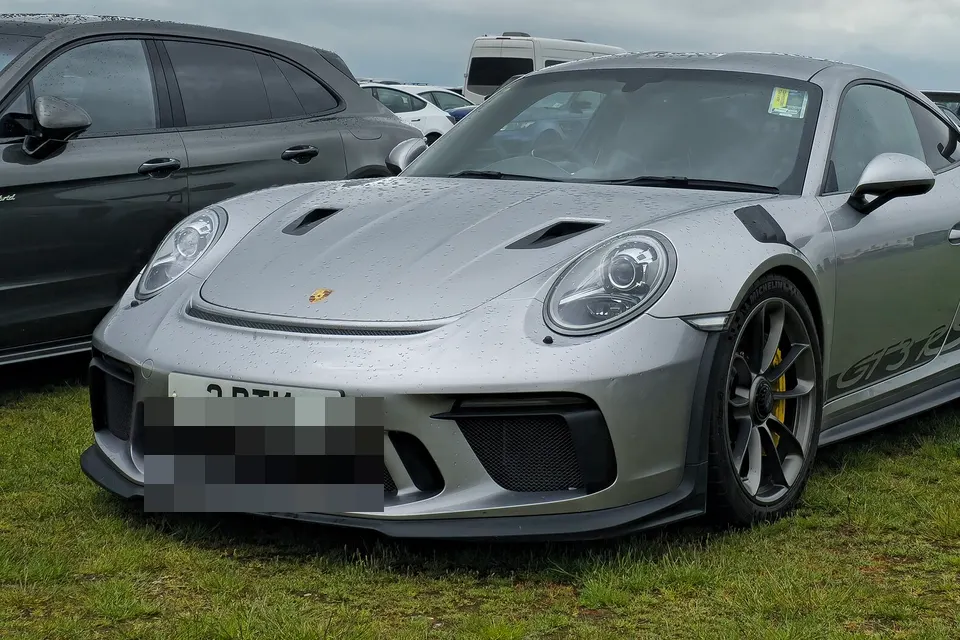
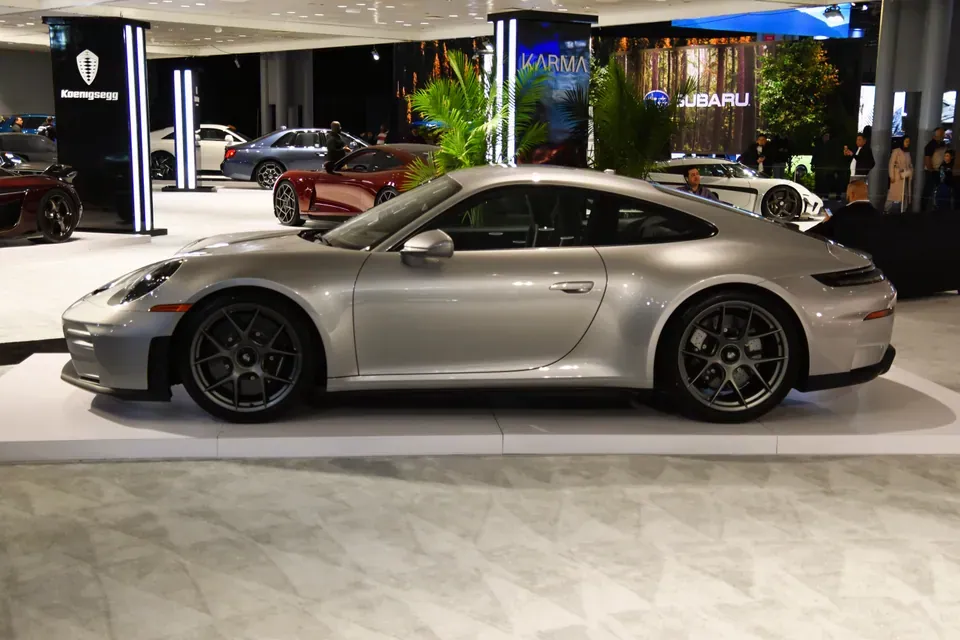
Documentary photographPhoto: Calreyn88 · CC BY-SA 4.0 · resized and cropped · Registration identifier pixelated for privacy.
Engine redprint / verifiedMA1.77
4.0 L flat-six · naturally aspirated · MA1.77Longitudinal rear-engine, rear-wheel driveTopology diagram · not to scale · based on the cited primary sources
The four-litre GT3 that restored a factory six-speed manual and introduced the understated Touring Package.
R / production rarity
How rare is it?
A simple 1–5 rating based on completed worldwide production for this exact version. Price and desirability are not included.
Rarity ratingNot availableNo comparable worldwide production total
Production bandNot available
Production evidenceNo exact production total
ProducedWorldwide total used for the rating
Production total unavailable
A reliable worldwide figure is not listed in the references.
How the rating works
The rating uses five fixed production bands. Smaller production runs receive higher ratings. Exact totals and responsibly sourced estimates for this precise version can be rated. Plans, regional totals, lower bounds, disputed figures and broader-family totals remain visible but unclassified. The evidence description is kept separate from the rating so a source limitation cannot change how scarcity is measured.
Porsche introduced the 991.2 GT3 in 2017 at a moment when the model needed to reconcile progress with enthusiast expectations. The preceding 991.1 had brought PDK, rear-axle steering and a new engine family, improving performance but ending the manual-only continuity of earlier GT3s. The update retained the modern chassis technology while restoring a six-speed GT manual as an alternative. That choice made the 991.2 more than a conventional facelift: it reopened two valid interpretations of the same road-going GT car.
The new 3,996 cc naturally aspirated flat-six produced 368 kW (500 PS) and 460 Nm. Its rigid valve gear drew on the contemporary GT3 Cup engine concept, and the engine could reach 9,000 rpm. Buyers could pair it with a seven-speed PDK or the returning six-speed manual. The shared engine does not make manual and PDK records interchangeable.
Porsche also introduced the Touring Package to the GT3 line. Touring removed the fixed rear wing, substituted a retractable spoiler and presented the car with a quieter visual language while retaining the GT3 powertrain and core chassis. It was initially linked to the manual gearbox and became an important new branch of the model. A Touring car is not a standard GT3 with an owner-deleted wing, and a winged GT3 should not inherit Touring-specific equipment or weight claims.
Engineering and character
Underneath, rear-axle steering and active engine mounts continued the 991 generation’s effort to combine stability with agility in a larger 911 body. The four-litre engine restored the displacement reached by the 997 RS 4.0 but did so within a different architecture and production context. That distinction is central to Porsche history: familiar capacities and power figures can recur while the internal design, emissions system, gearbox and chassis around them change substantially.
The sound follows the engine’s high-speed breathing and solid valve operation, rising from a dense mechanical base toward a clear 9,000 rpm climax. Manual cars add clutch, shift and gear-noise events that PDK recordings do not reproduce in the same way. Any sound contribution must therefore record gearbox, exhaust mode and factory hardware. A modified silencer may be exciting, but it prevents the archive from answering the more valuable question of how Porsche delivered the car originally.
In the chronology, the 991.2 follows the PDK-only 991.1 and precedes the 992.1 with its double-wishbone front suspension and more overt aerodynamics. It is the point where Porsche demonstrated that technical modernity and manual involvement did not have to be mutually exclusive. The later 991.2 GT3 RS increased output and adopted an even more circuit-focused brief, but the standard GT3 remained the broader road-and-track interpretation.
Legacy and identity
Body treatment and transmission are primary identity fields, not footnotes. The name “991.2 GT3” can describe winged or Touring cars and manual or PDK drivetrains; accurate figures require the combination to be stated. That precision makes a complicated range understandable. It protects the details that create the car’s appeal: four-litre response, a choice of interaction and a chassis developed before the GT3 entered the double-wishbone 992 era.
01
Engineering context
Four-litre dry-sump flat-six with rigid valve gear derived from the 911 GT3 Cup engine.
04 / family tree
Model lineage
1972–2024 · 19 documented milestones
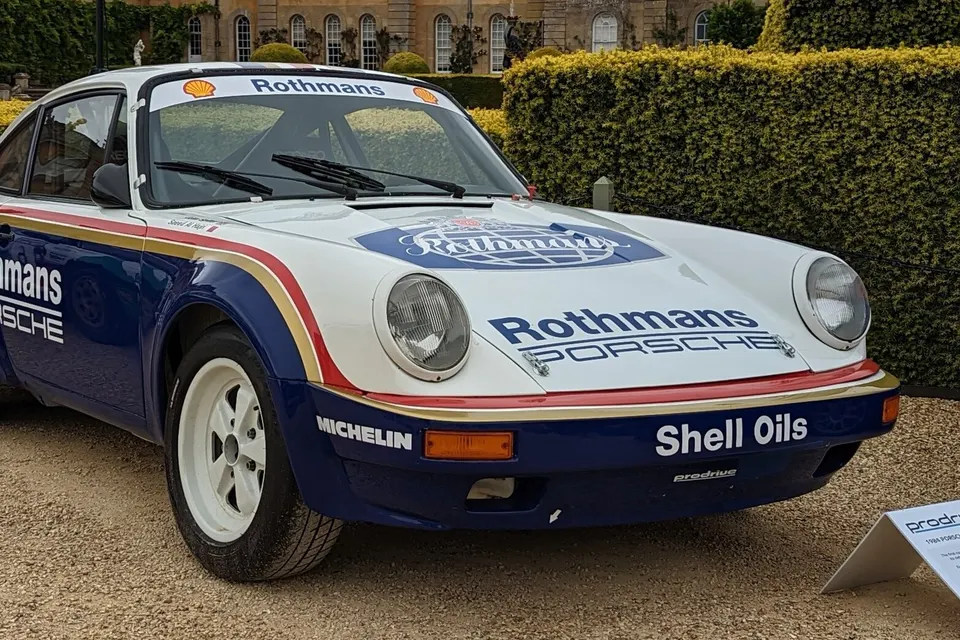
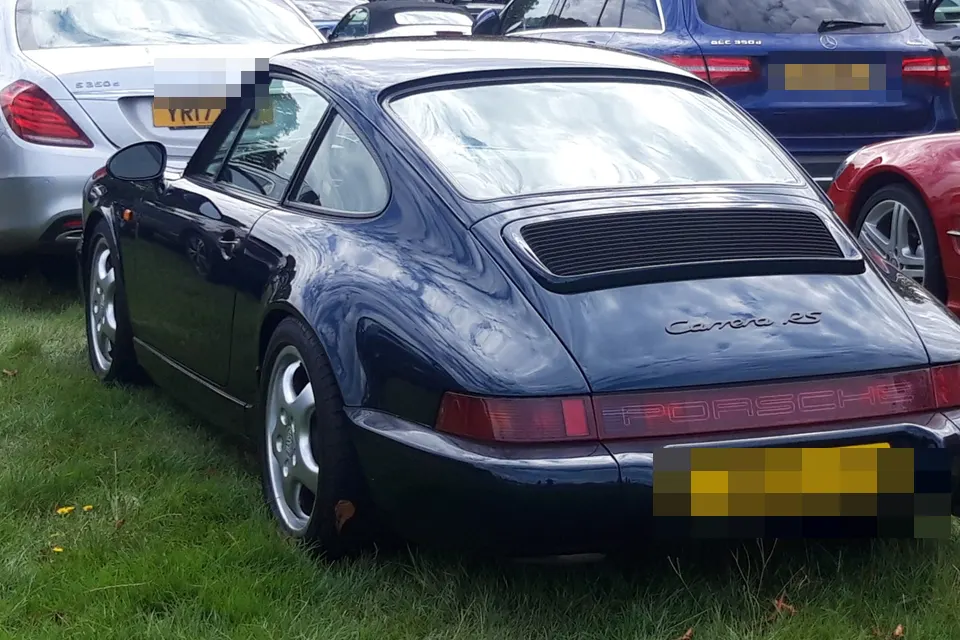
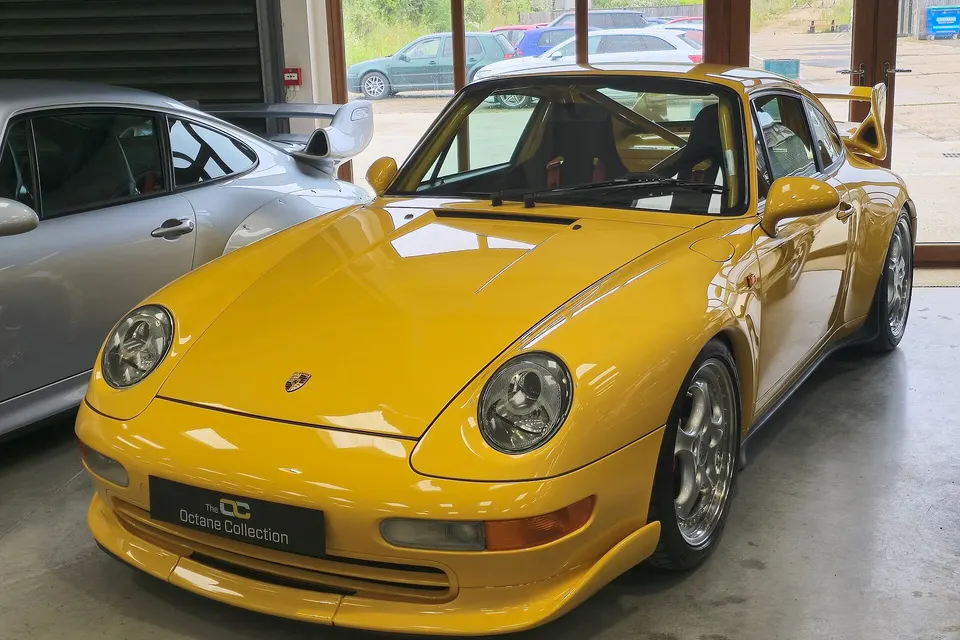
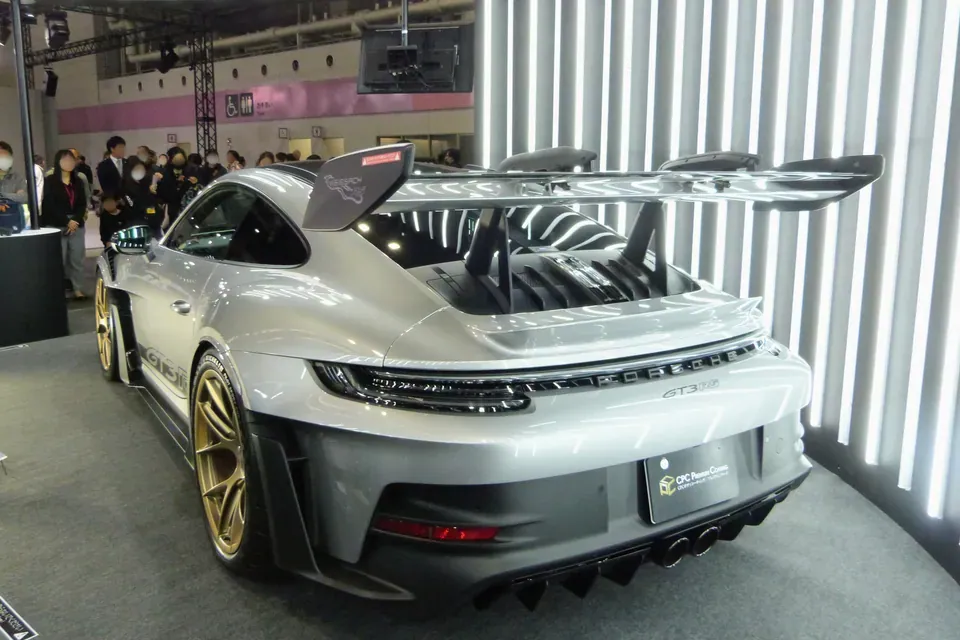
Photo: Calreyn88 · CC BY 4.0 · resized and cropped · Registration identifiers pixelated for privacy.