3.8 L flat-six · naturally aspirated · M64/20Longitudinal rear-engine, rear-wheel driveTopology diagram · not to scale · based on the cited primary sources
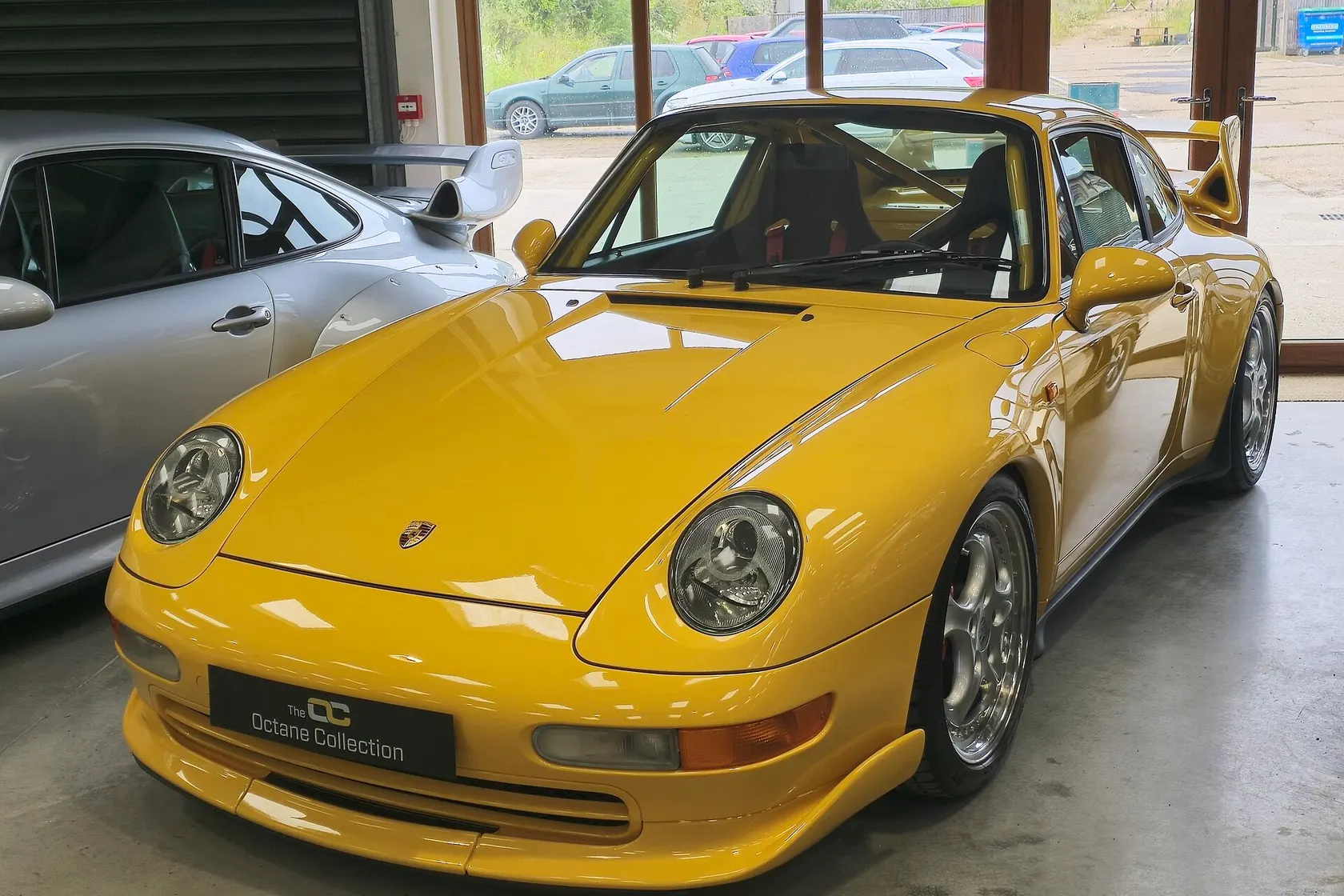
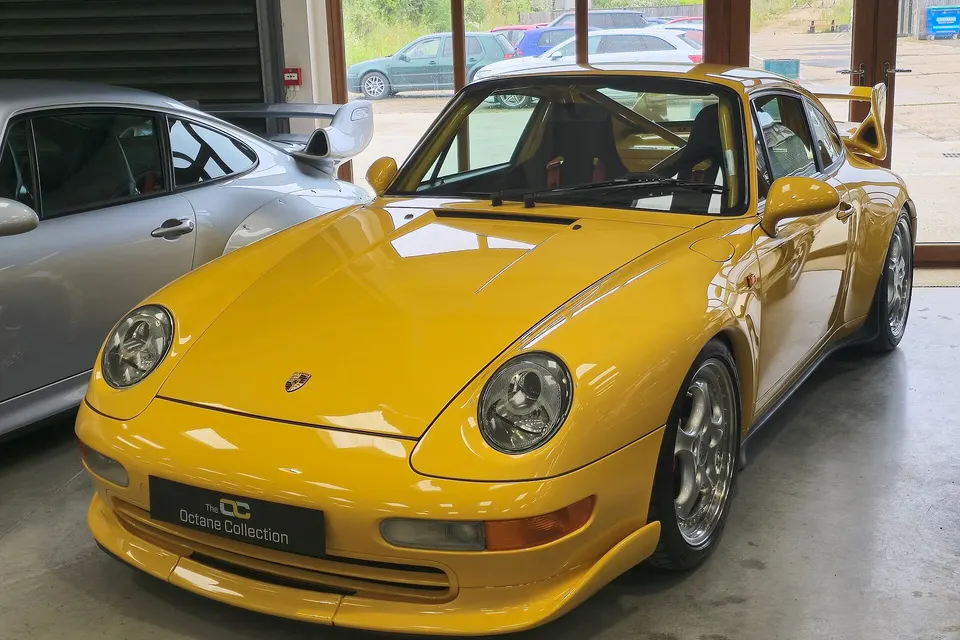
The final air-cooled Carrera RS, pairing a 3.8-litre flat-six with the wide-track 993 chassis.
R / production rarity
How rare is it?
A simple 1–5 rating based on completed worldwide production for this exact version. Price and desirability are not included.
Rarity ratingNot availableNo comparable worldwide production total
Production bandNot available
Production evidenceConflicting evidence
ProducedWorldwide total used for the rating1,104
Auction-catalogue researched total
Figure type
Disputed
Scope
Type 993 Carrera RS including the catalogue’s stated production scope
The rating uses five fixed production bands. Smaller production runs receive higher ratings. Exact totals and responsibly sourced estimates for this precise version can be rated. Plans, regional totals, lower bounds, disputed figures and broader-family totals remain visible but unclassified. The evidence description is kept separate from the rating so a source limitation cannot change how scarcity is measured.
5/5Fewer than 25 builtUltra rare
4/525 to 249 builtVery rare
3/5250 to 2,499 builtRare
2/52,500 to 24,999 builtLimited production
1/525,000 or more builtSeries production
Recorded sales
Documented sales
Prices never affect the rarity rating.
Sold$555,0002023 · RM Sotheby's · The White Collection
Auction result
Exact Carrera RS · 1996 Japanese-market configuration
Published sale total. The linked auction catalogue reports 1,104 cars, but no factory completed-production ledger is bound; the secondary-source count remains unscored.
The 993 Carrera RS appeared in 1995 as the final air-cooled road-going Carrera RS generation. It inherited the lightweight road-and-track logic of the 964 RS but applied it to the wider-track, more mature 993 platform. In hindsight the car is often treated as the end of an era, yet it was not designed as a museum piece. It was Porsche’s contemporary answer to the continuing question of how far a naturally aspirated production 911 could be focused toward circuit use.
The M64/20 flat-six displaced 3,746 cc—marketed as 3.8 litres—and used air cooling, dual ignition, dry-sump lubrication and Varioram induction. Output was 221 kW (300 PS) with 355 Nm, delivered through a six-speed G50/31 manual to the rear wheels. The six-speed transmission and broader torque distinguished its operating character from the five-speed 964 RS, while the engine remained unmistakably part of Porsche’s air-cooled M64 family.
Body, chassis and equipment decisions pursued lower mass and sharper response rather than luxury. The wide-track 993 structure gave the RS a different stance, and the fixed aerodynamic elements made its purpose visible without reaching the scale of later GT3 RS wings. A more extreme Clubsport or RSR-oriented specification existed around the model, so roll cages, wings and interior equipment must be recorded carefully. A dramatic surviving car is not automatically representative of the standard road RS.
Engineering and character
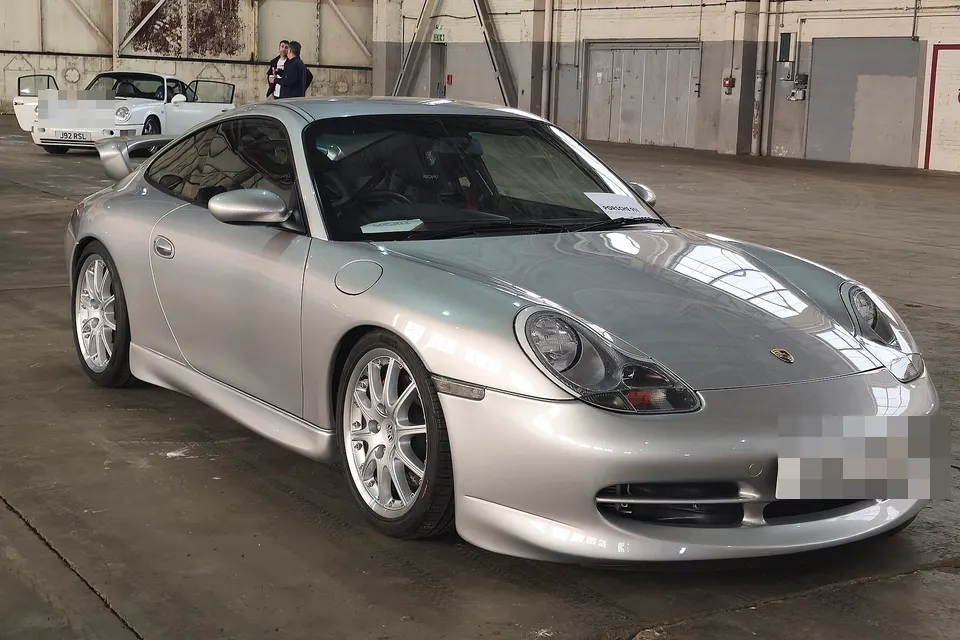
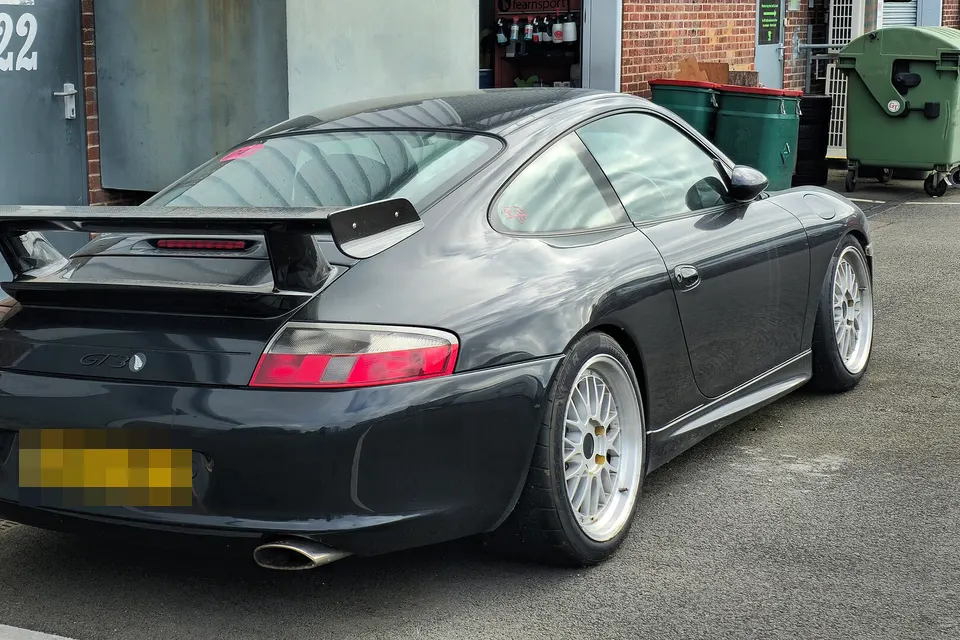
Porsche’s chronology places the 993 after the 964 Carrera RS and before the water-cooled GT3 era. That succession matters more than the shared letters. The 993 perfected the air-cooled Carrera RS route; the 996.1 GT3 that followed in 1999 adopted a new badge, a water-cooled Mezger-derived engine and a different production platform. The later car continued the purpose but not the same mechanical architecture.
Varioram induction, fan noise and the reduced cabin give the 993 RS an intake-rich, resonant character that changes markedly with load. Sound recording is vulnerable to specification drift: aftermarket exhausts, lightweight flywheels and track conversions can all be historically sympathetic while still differing from production. Premium documentation therefore separates originality from period style and records the actual hardware heard in the file.
The car offers a clear endpoint to the classic air-cooled RS story that began with the 2.7. The important details are more exact: 3,746 cc rather than a rounded assumption, M64/20 rather than a generic 3.8, six-speed G50/31 and the correct production body. Those identifiers turn nostalgia into a checkable technical record and keep the car distinct from ordinary 993s or later recreations.
Legacy and identity
The focus here is the 1995–1996 Type 993 Carrera RS road car. It does not merge Clubsport, RSR, Cup or modified Carrera specifications, and it does not borrow figures from the 964 RS 3.8. Its premium status comes from preserving both meanings of “last”: the final air-cooled Carrera RS in the lineage and a fully developed contemporary performance car whose engineering deserves more than a closing-chapter caption. Its legacy should be understood through that complete factory package, not air cooling alone. The transmission, body and induction are equally important.
01
Engineering context
Air-cooled 3.8-litre flat-six with Varioram induction, dual ignition and dry-sump lubrication.
04 / family tree
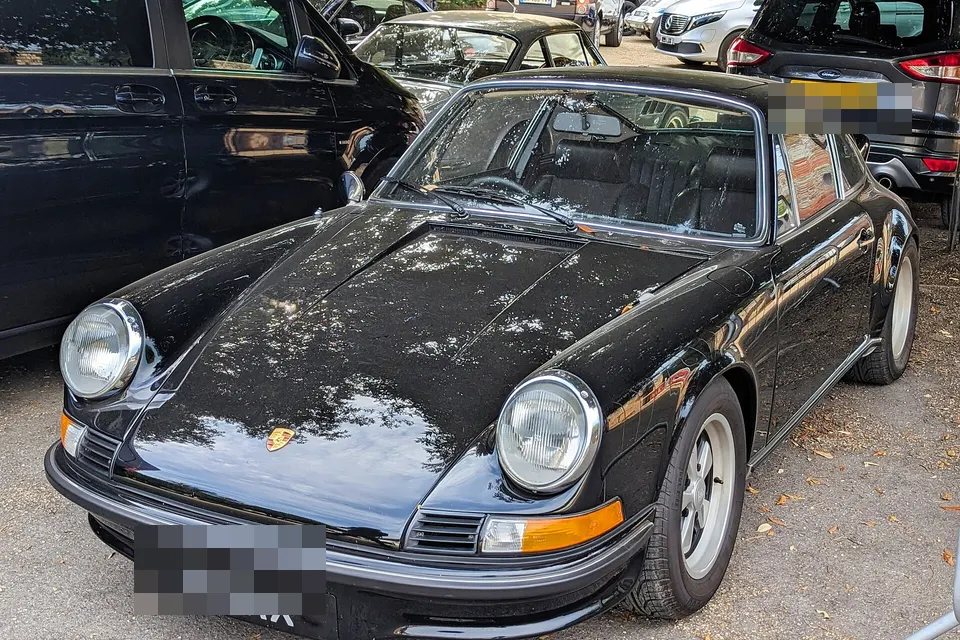
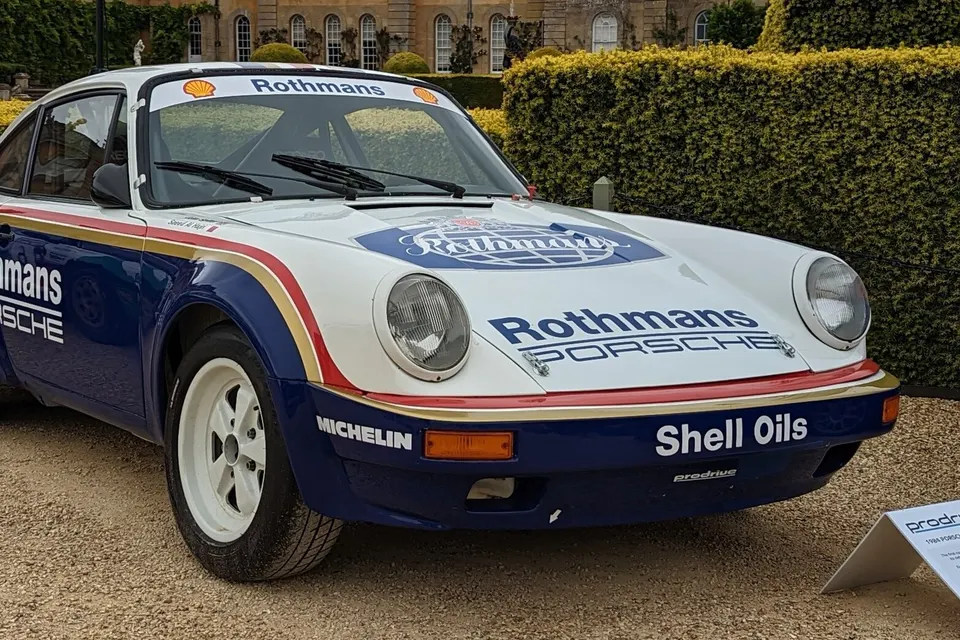
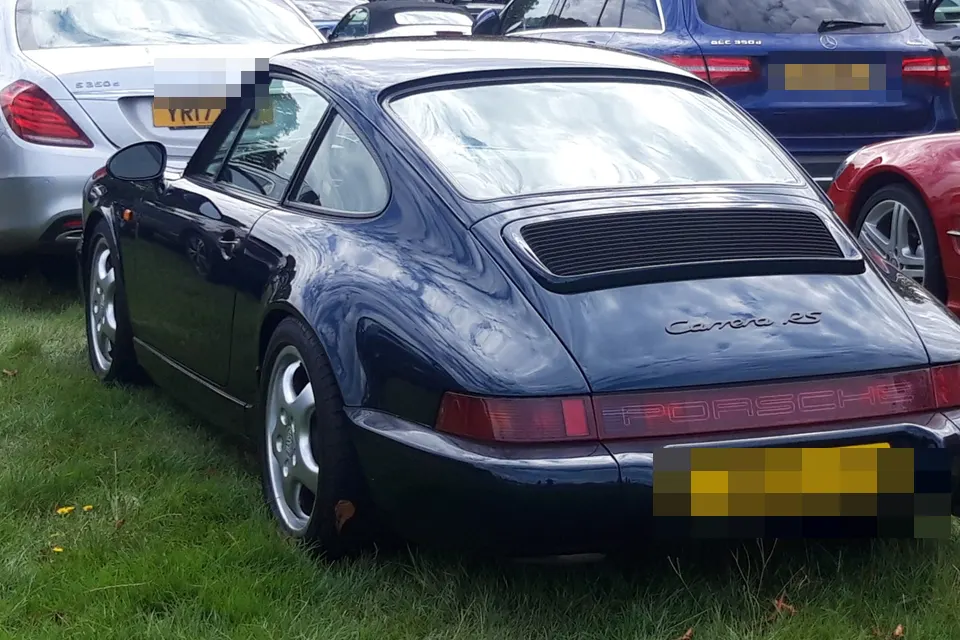
Model lineage
1972–2024 · 19 documented milestones
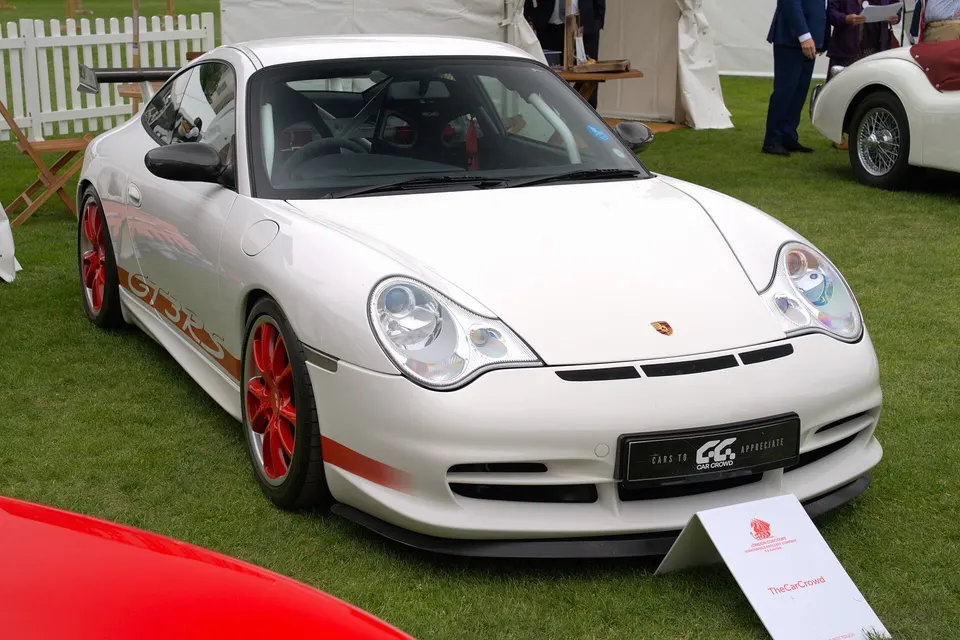
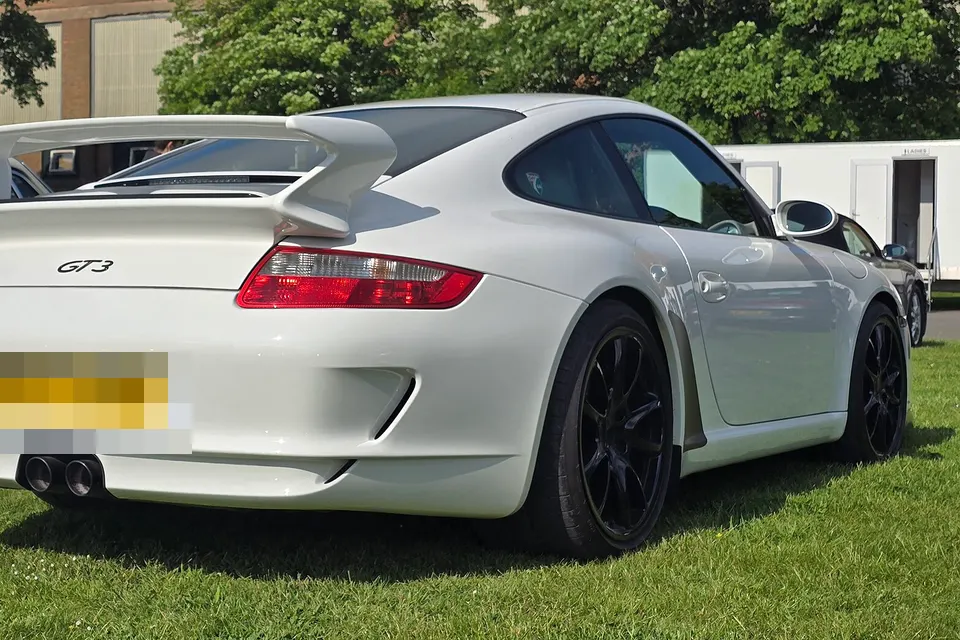
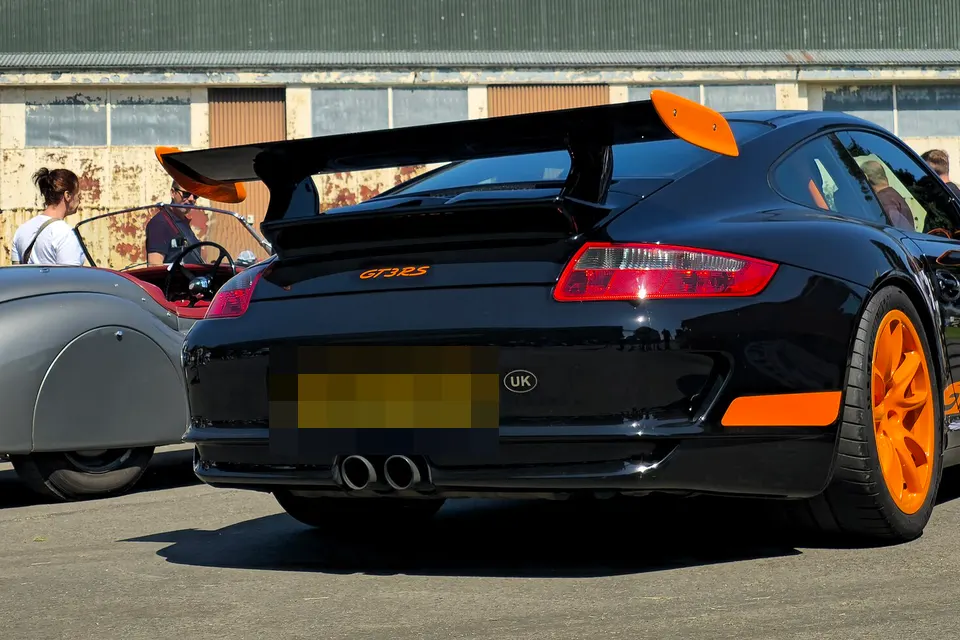
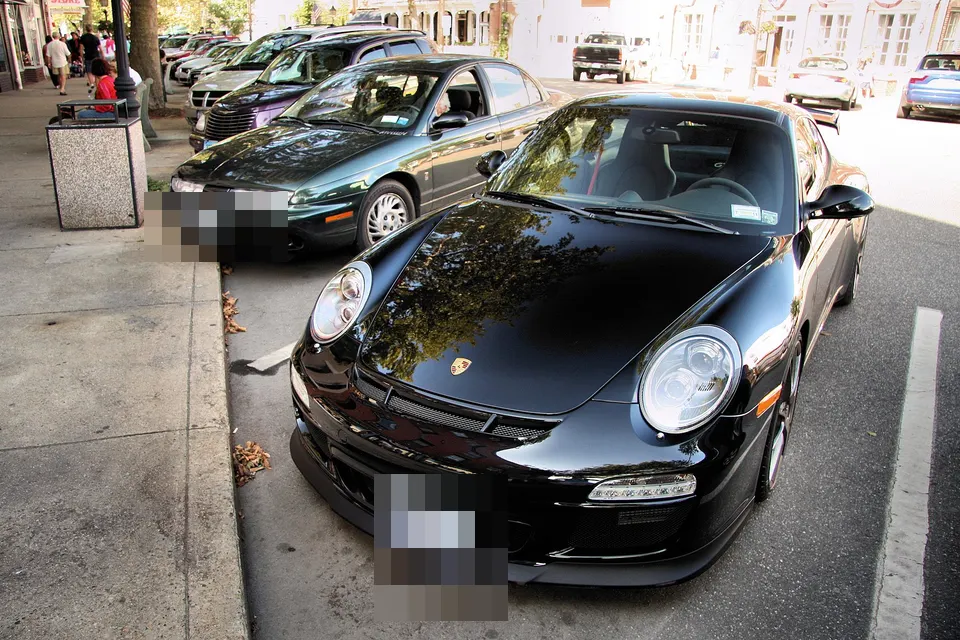
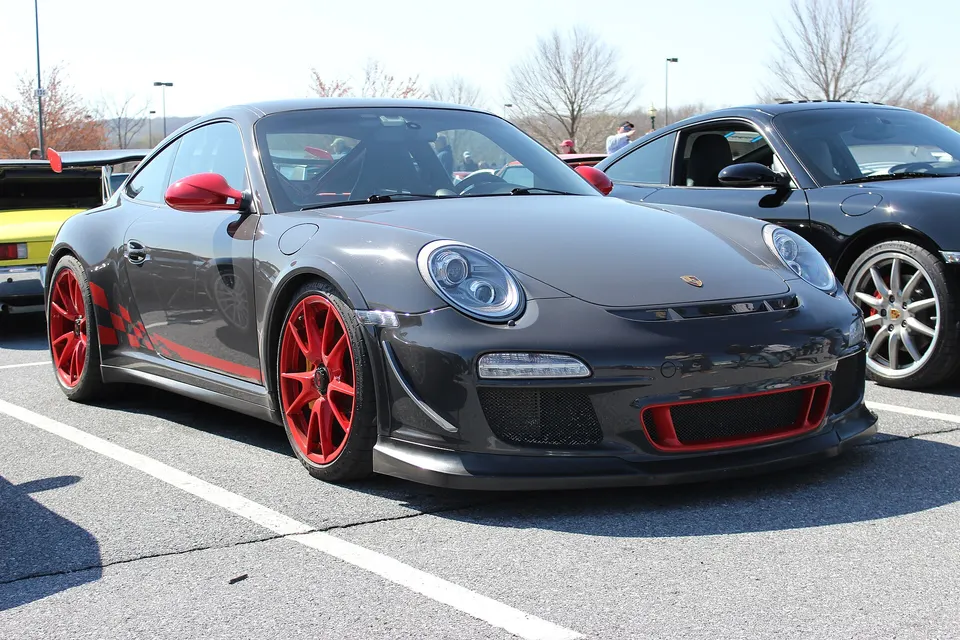
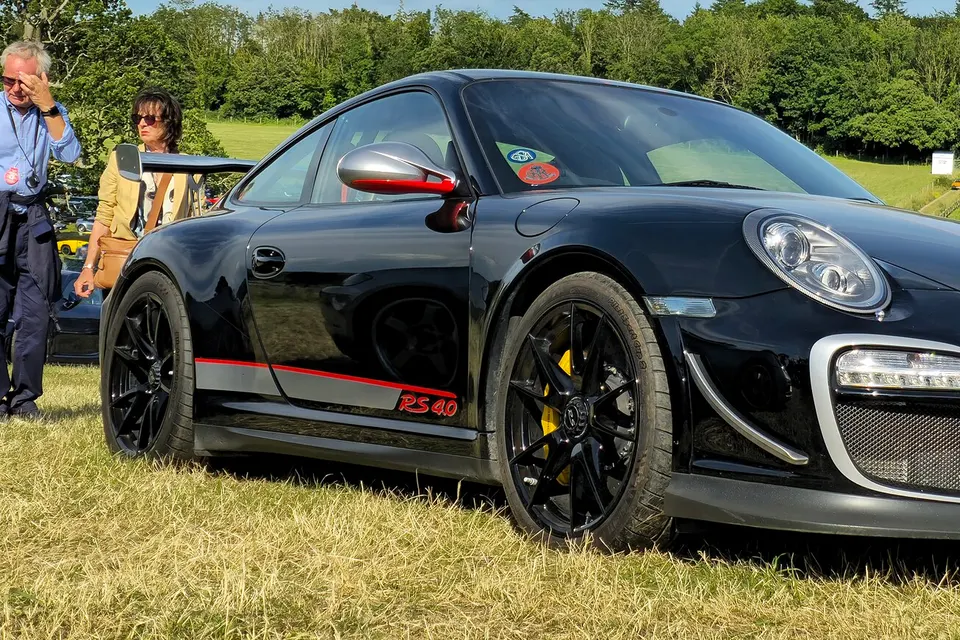
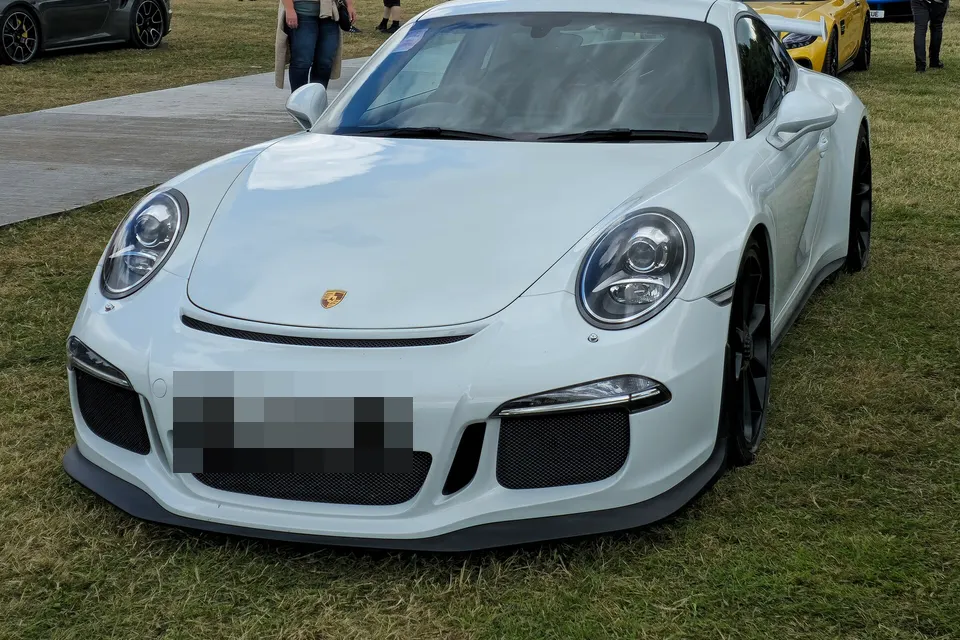
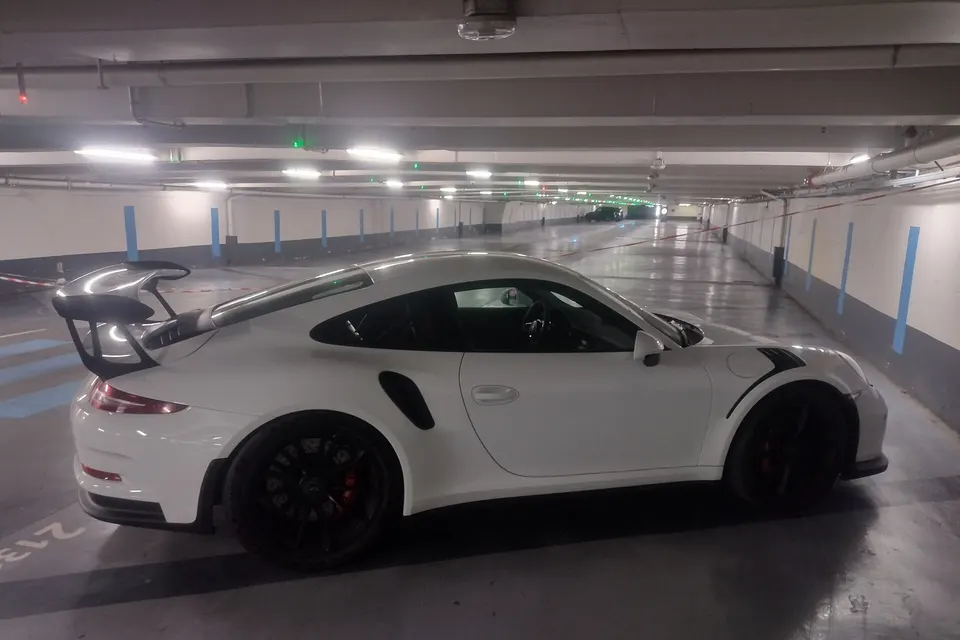
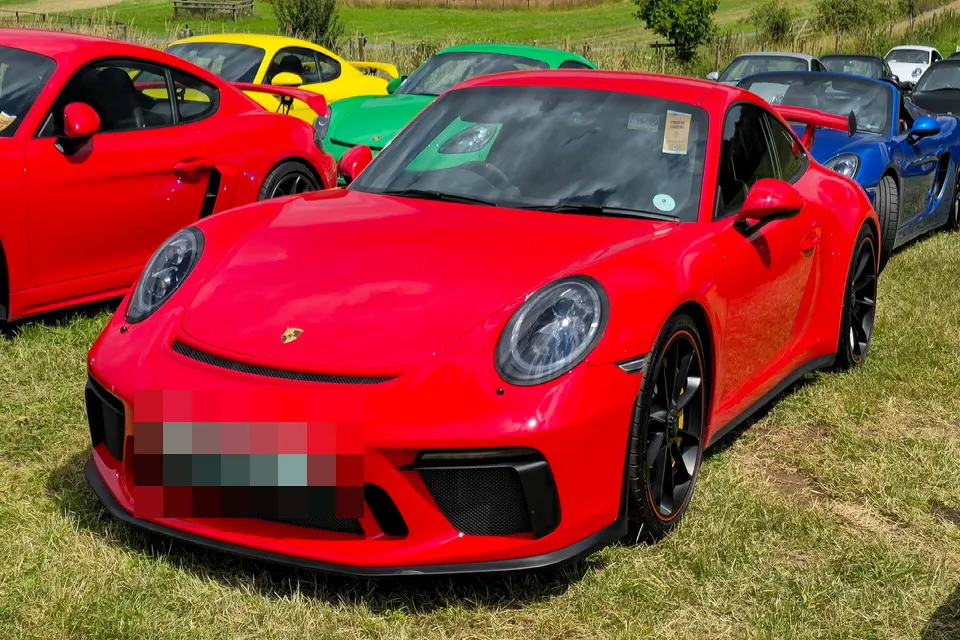
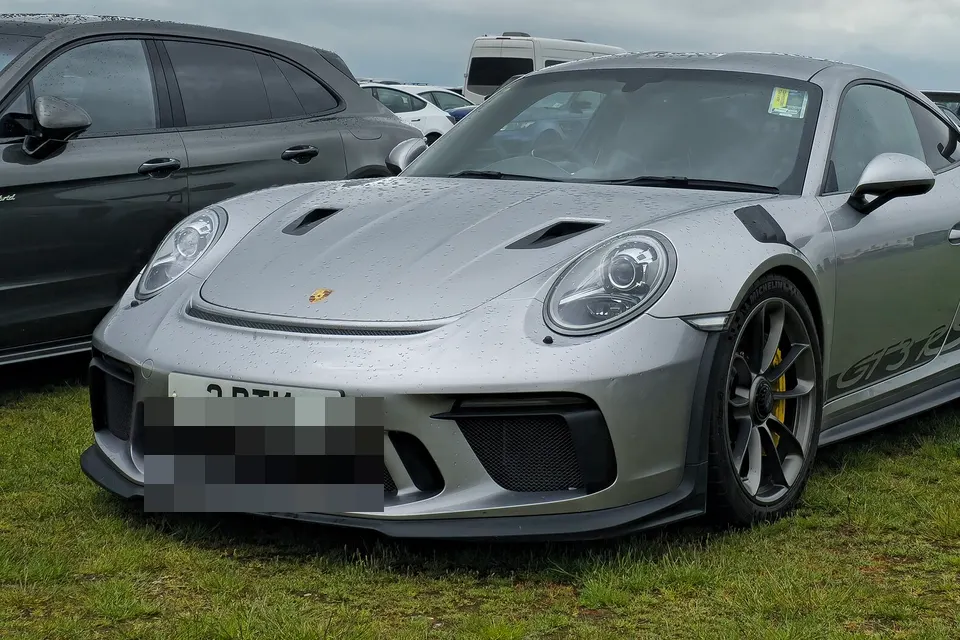
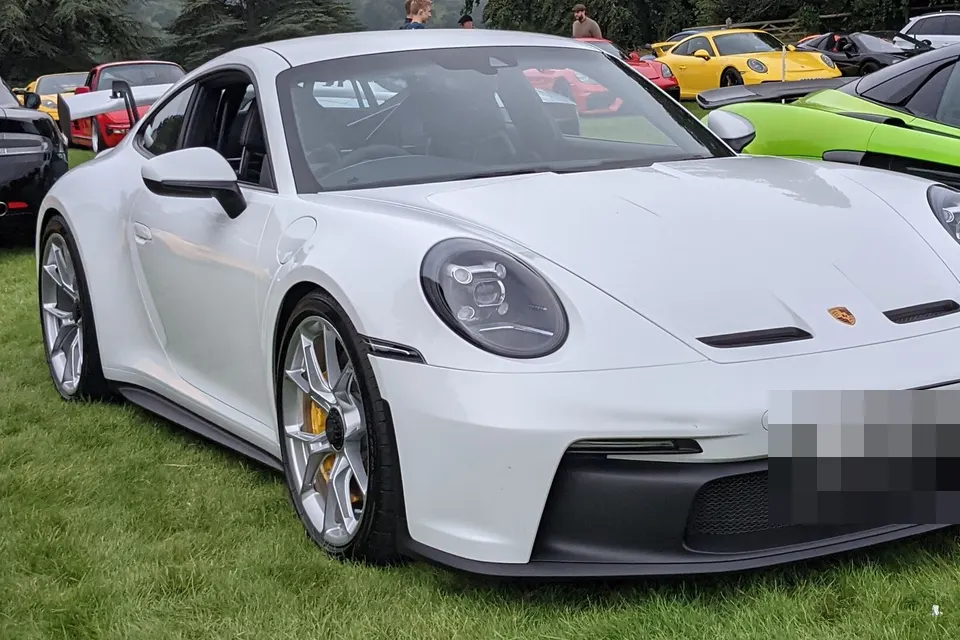
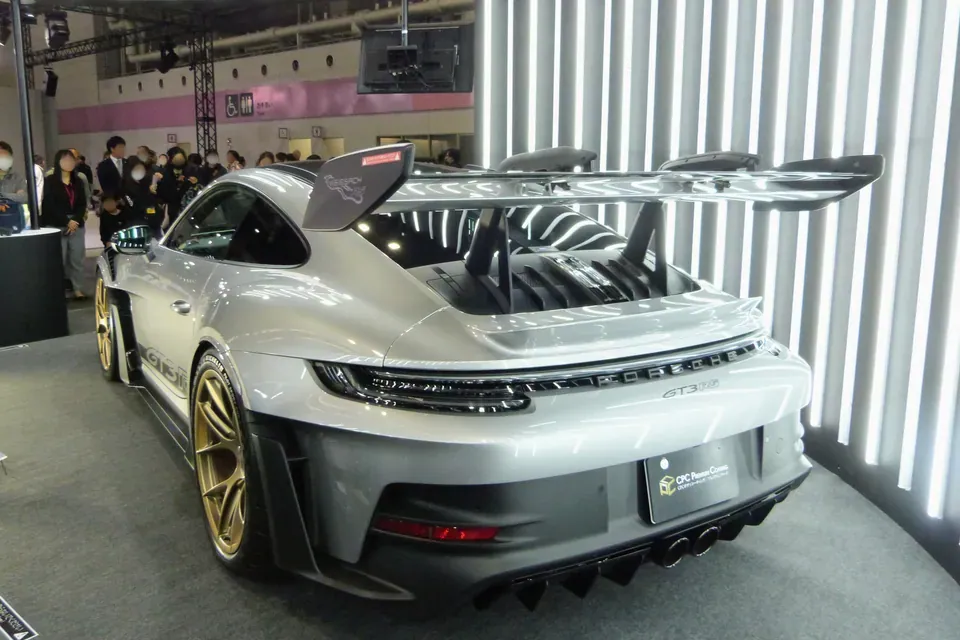
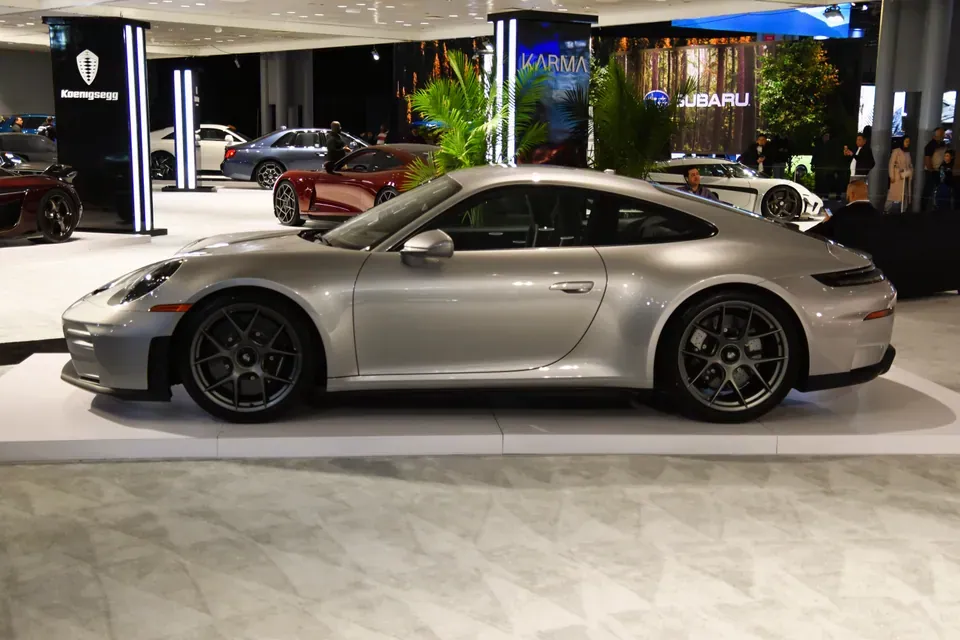
Photo: Calreyn88 · CC BY 4.0 · resized and cropped · Registration identifiers pixelated for privacy.