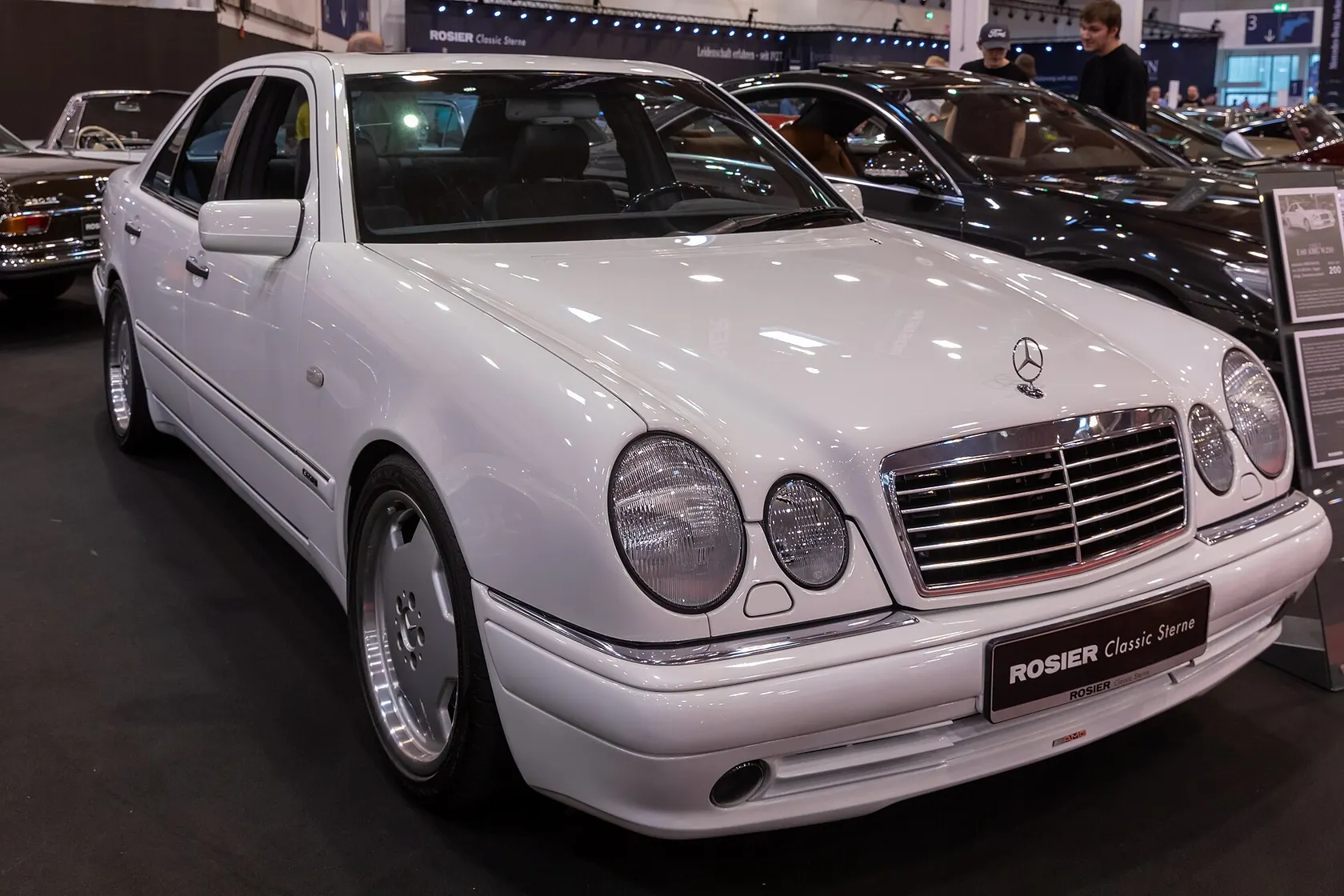
6.0 L 90° v8 · naturally aspirated · M 119 E 60Longitudinal front engine, rear-wheel driveTopology diagram · not to scale · based on the cited primary sources
The E 60 AMG was the highest-output W124 E-Class derivative documented by Mercedes-Benz.
R / production rarity
How rare is it?
A simple 1–5 rating based on completed worldwide production for this exact version. Price and desirability are not included.
Rarity ratingNot availableNo comparable worldwide production total
Production bandNot available
Production evidenceNo exact production total
ProducedWorldwide total used for the rating
Production total unavailable
A reliable worldwide figure is not listed in the references.
How the rating works
The rating uses five fixed production bands. Smaller production runs receive higher ratings. Exact totals and responsibly sourced estimates for this precise version can be rated. Plans, regional totals, lower bounds, disputed figures and broader-family totals remain visible but unclassified. The evidence description is kept separate from the rating so a source limitation cannot change how scarcity is measured.
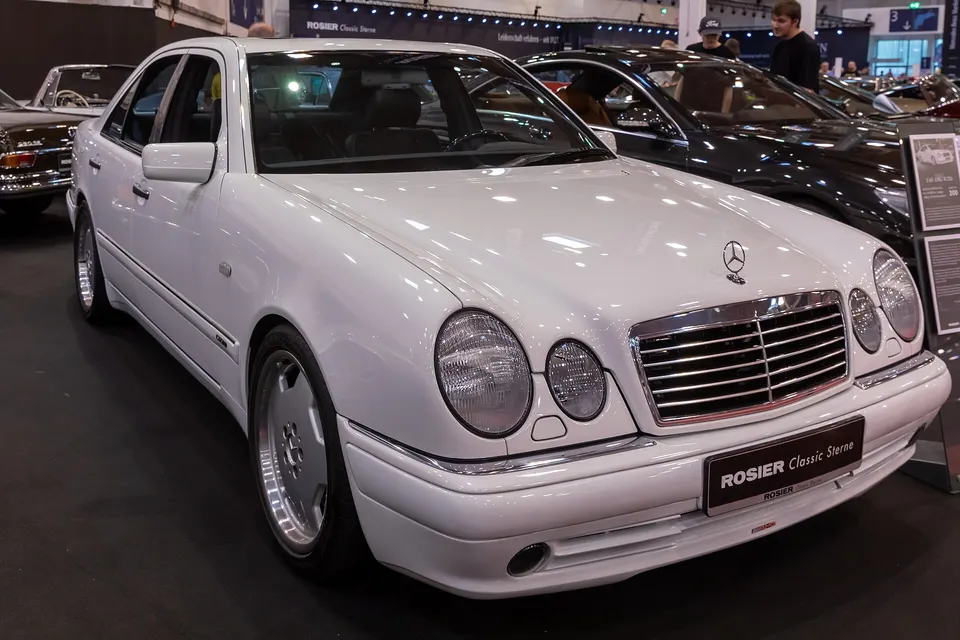
E 60 AMG (W124) records one precise Mercedes-Benz performance-car configuration from 1993–1995. The E 60 AMG was the highest-output W124 E-Class derivative documented by Mercedes-Benz.
At its centre is a 5,956 cc naturally aspirated v8 identified as M 119 E 60. Mercedes-Benz publishes 280 kW (381 PS) for this scope and 580 Nm. AMG enlarged the four-valve M119 V8 to six litres and paired it with W124 chassis and driveline changes.
The engine sits in a longitudinal front engine, rear-wheel drive layout and works through a 4-speed automatic.
This entry belongs to a deliberately narrow Mercedes-Benz chronology. Related badges, body styles and competition derivatives can share a visual or mechanical vocabulary without sharing exact specifications. The family tree supplies context, not permission to transfer a recording or fact from a neighbouring model.
Engineering and character
The listening cues six-litre V8, four-speed automatic, AMG exhaust, W124 saloon body are orientation rather than proof. A cold start can expose idle control and mechanical texture; acceleration can document induction, combustion and shift behaviour; a fly-by can place exhaust and tyre sound in an exterior context.
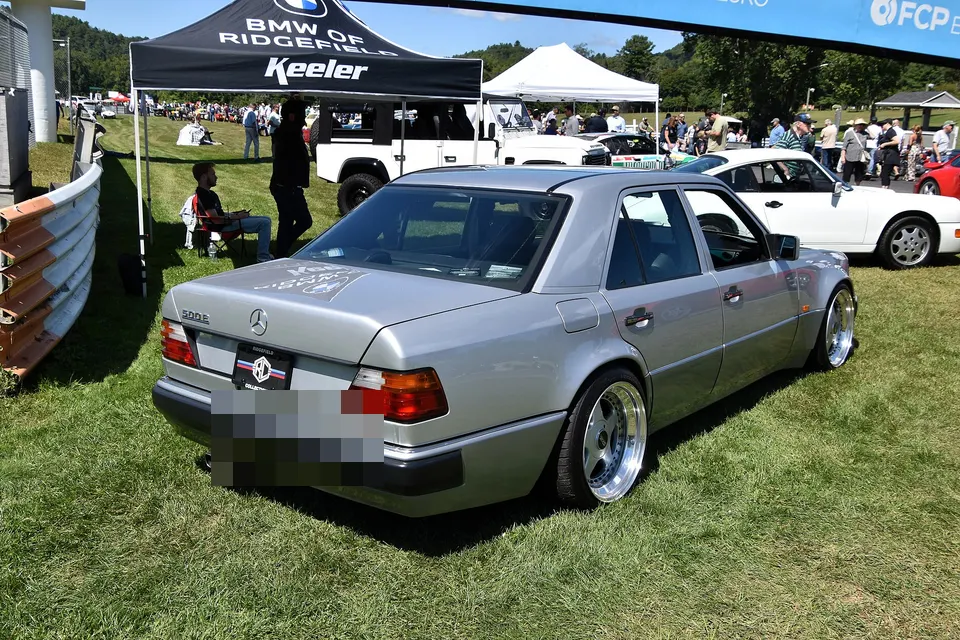
The focus here is the factory-recognised W124 E 60 AMG saloon. It excludes 500 E, E 500, later conversions and estates. Many survivors have replacement exhausts, engine work or other changes. An openly licensed recording may still be useful when its exact state is uncertain, but the page will show a visible Unregistered note until evidence resolves the match.
It invites cold start, acceleration and fly-by recordings, as well as photographs, documents and corrections.
A photograph identifies the model but does not prove every detail of a surviving car.
Legacy and identity
Exact location and ownership evidence stay private while the technical context remains available to later listeners.
That evidence also helps readers compare like with like. A useful submission therefore describes what was heard and how it was recorded, while avoiding claims that the microphone alone cannot establish. Photographs of permitted mechanical details and contemporary documents can strengthen the record, but personal identifiers and ownership evidence remain private.
Preservation means keeping every claim inspectable and correctable. That structure protects the exact identity on which a meaningful sound archive depends.
01
Model identity
The focus here is the factory-recognised W124 E 60 AMG saloon. It excludes 500 E, E 500, later conversions and estates.
02
Why it matters
The E 60 AMG was the highest-output W124 E-Class derivative documented by Mercedes-Benz.