The rating uses five fixed production bands. Smaller production runs receive higher ratings. Exact totals and responsibly sourced estimates for this precise version can be rated. Plans, regional totals, lower bounds, disputed figures and broader-family totals remain visible but unclassified. The evidence description is kept separate from the rating so a source limitation cannot change how scarcity is measured.
Open-licence recordings can appear with a visible Unregistered note; archive verification still requires independent identity and configuration evidence.
Listening descriptors remain editorial; architecture and output claims trace to the cited manufacturer material.
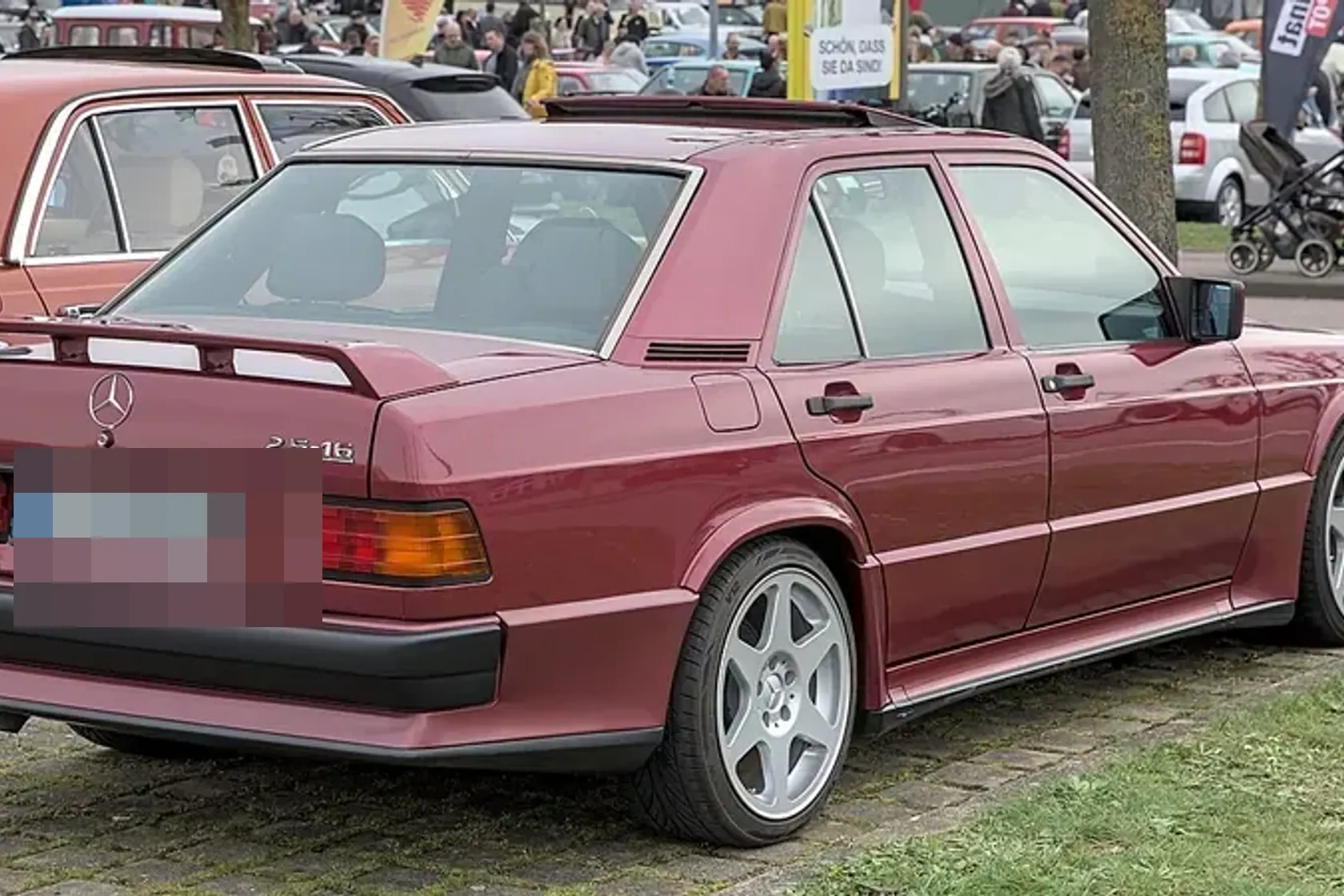
Mercedes-Benz introduced the 190 E 2.5-16 in 1988 as the new sixteen-valve flagship of the compact W201 range. It followed the 2.3-16, whose competition and record-running history had established the small saloon as more than an entry Mercedes. Enlarging the engine and updating the body did not create an AMG product—the car predates the fully integrated AMG C-Class line. It belongs to Mercedes-Benz’s own high-performance W201 development and should retain that identity in the later AMG family chronology.
The M102 E25/2 is a 2,498 cc naturally aspirated inline-four with a sixteen-valve cylinder head, producing 143 kW (195 PS) in the relevant non-catalyst European specification. A five-speed manual with a dog-leg first-gear pattern sent power to the rear wheels, while automatic and catalyst-dependent market configurations require separate figures. The unusual shift gate places the frequently used second-to-third plane directly across, reflecting sporting intent but not turning the road car into a racing homologation model by itself.
The W201 chassis combined a strut-based front axle with Mercedes-Benz’s multi-link rear suspension, giving the compact saloon unusually sophisticated wheel control for its period. Self-levelling rear suspension and a limited-slip differential formed part of the sixteen-valve package. Deeper spoilers, wheel-arch treatment and a raised rear wing managed airflow while remaining integrated with the four-door body. Evolution I and Evolution II derivatives later made the competition relationship more explicit, but their aero and engines are separate specifications.
Engineering and character
Its historical context includes the Deutsche Tourenwagen Meisterschaft, where regulations drove the homologation Evolutions. The regular 2.5-16 is the production foundation, not an Evolution II without the large wing. Likewise, the earlier 2.3-16 has different displacement and output, and the six-cylinder 190 E 2.6 serves a different brief. Premium coverage keeps these branches apart so searches for a familiar “Cosworth Mercedes” do not collapse every sixteen-valve W201 into one convenient model.
The sound is a taut four-cylinder mixture of intake, timing gear, exhaust and a relatively close mechanical path through the front-engine, rear-drive layout. Market catalysts, automatic transmission and exhaust replacements can materially change both timbre and operating cadence. A reliable recording states engine version, emissions equipment, gearbox, final drive and warm-up condition. Period competition exhausts may be historically interesting, but they cannot stand in for the quieter and more complex gas path of a production road car.
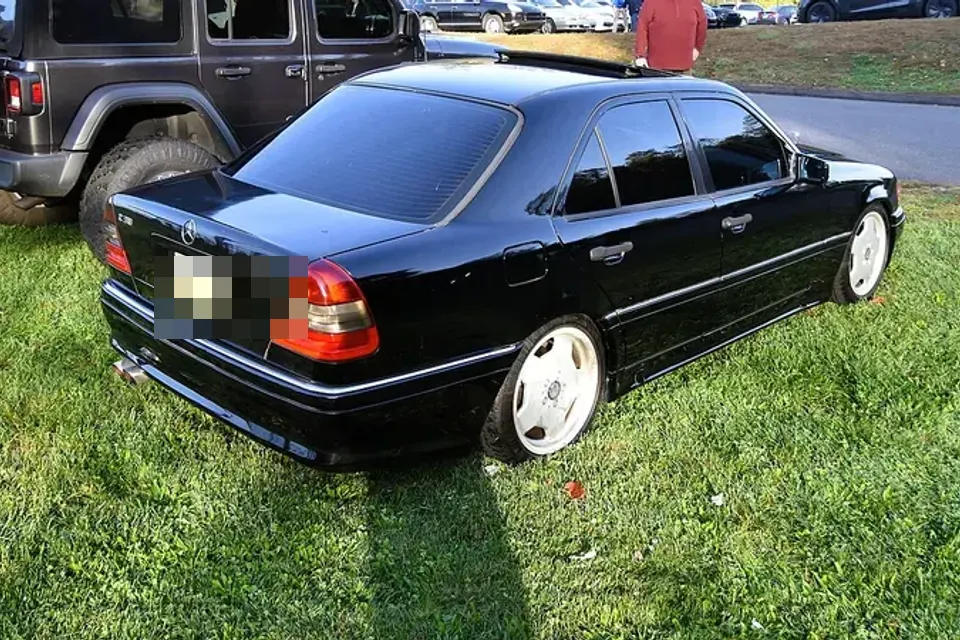
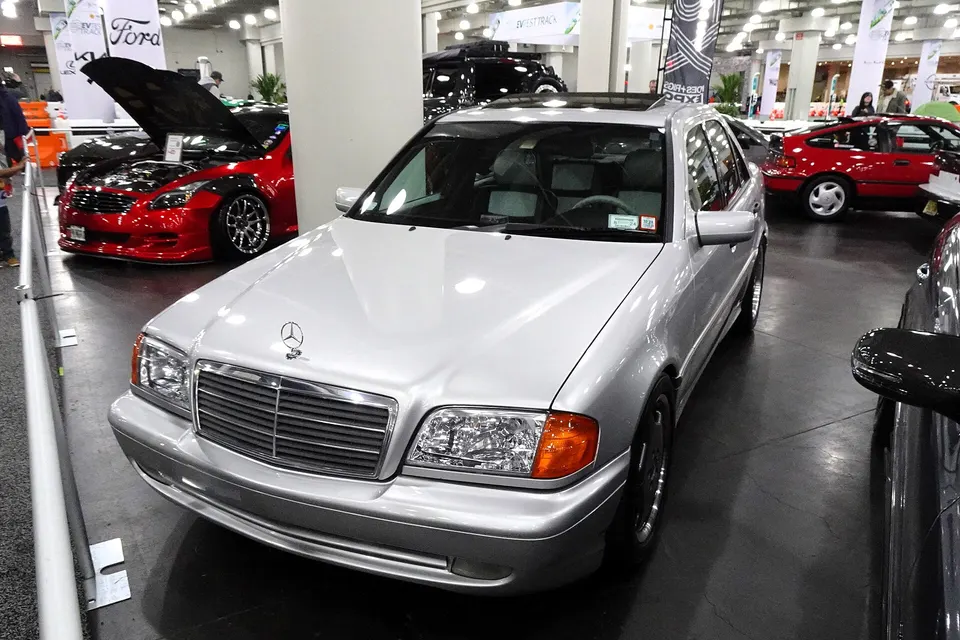
In the broader lineage, the 190 E 2.5-16 precedes the factory AMG C-Class era. Mercedes-Benz and AMG were still distinct organisations when this derivative appeared; the C 36 AMG that followed in the W202 generation became the first jointly developed series model after closer integration. That makes the W201 an engineering ancestor rather than a badge ancestor. It established the compact performance-saloon platform that later AMG cars would reinterpret with six- and eight-cylinder engines.
Legacy and identity
The focus here is the 1988–1993 W201 / 201.035 Mercedes-Benz 190 E 2.5-16 in 195 PS manual form. It excludes the 2.3-16, catalyst-specific lower-output markets, automatic cars, Evolution I, Evolution II and competition racers. The distinction clarifies how Mercedes performance history reached AMG. Engine, emissions, gearbox and homologation boundaries prevent valuable Evolution data from being borrowed by the much broader production model, while still giving that foundation the recognition it deserves.
01
Model identity
W201 / 201.035 is displayed prominently so this record cannot be confused with an adjacent derivative.
02
Original soundtrack
Modified exhausts, aftermarket induction and replacement EV sound packs are excluded.
04 / family tree
Model lineage
1988–2022 · 8 documented milestones
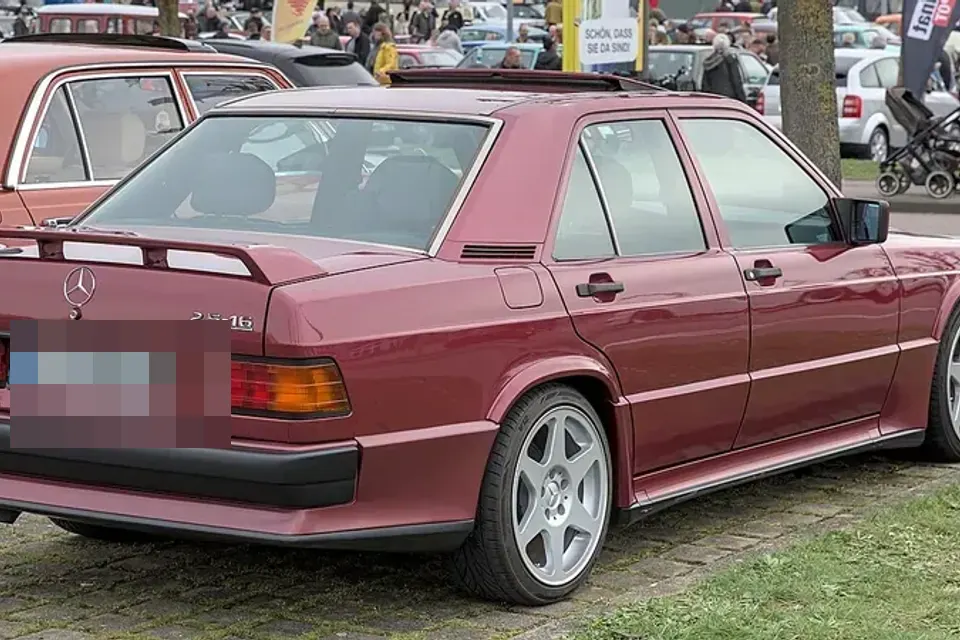
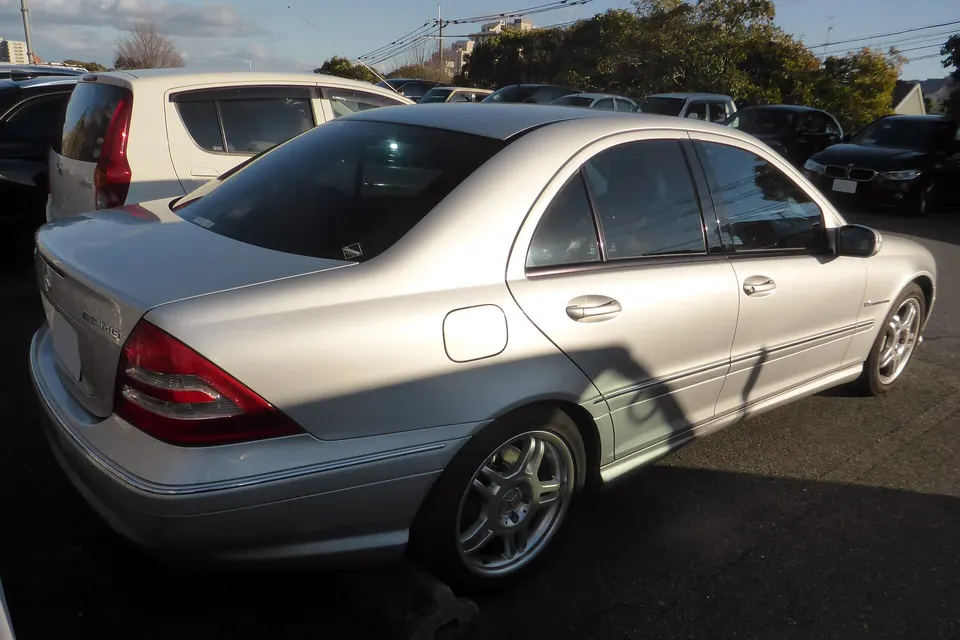
Photo: Alexander-93 · CC BY-SA 4.0 · resized and cropped · Registration identifier pixelated for privacy.
1988190 E 2.5-16 (W201)Compact sports-saloon precursor[5]
→
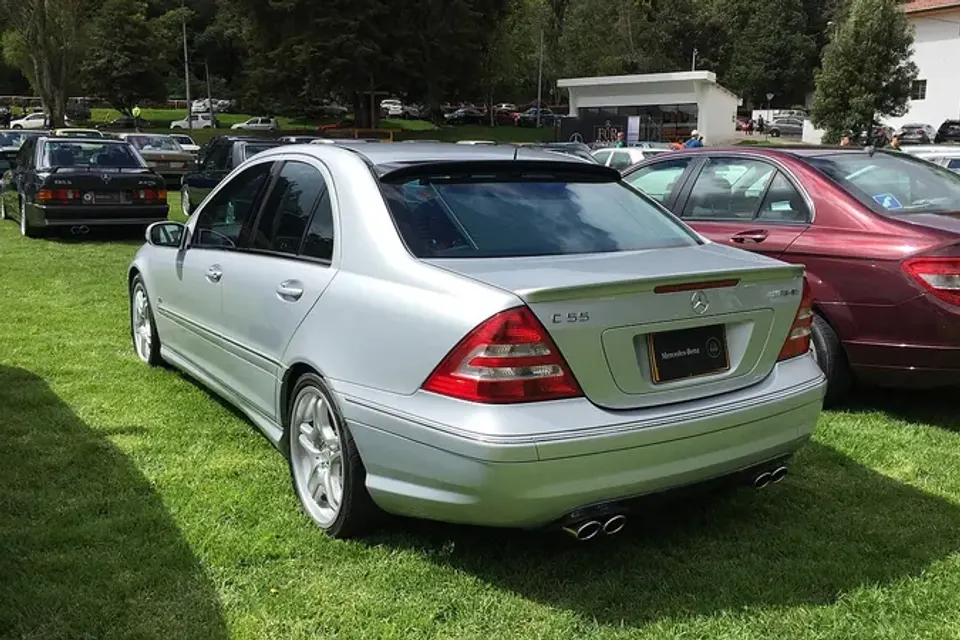
Photo: Charles · CC0 1.0 · resized and cropped · Registration identifier pixelated for privacy.