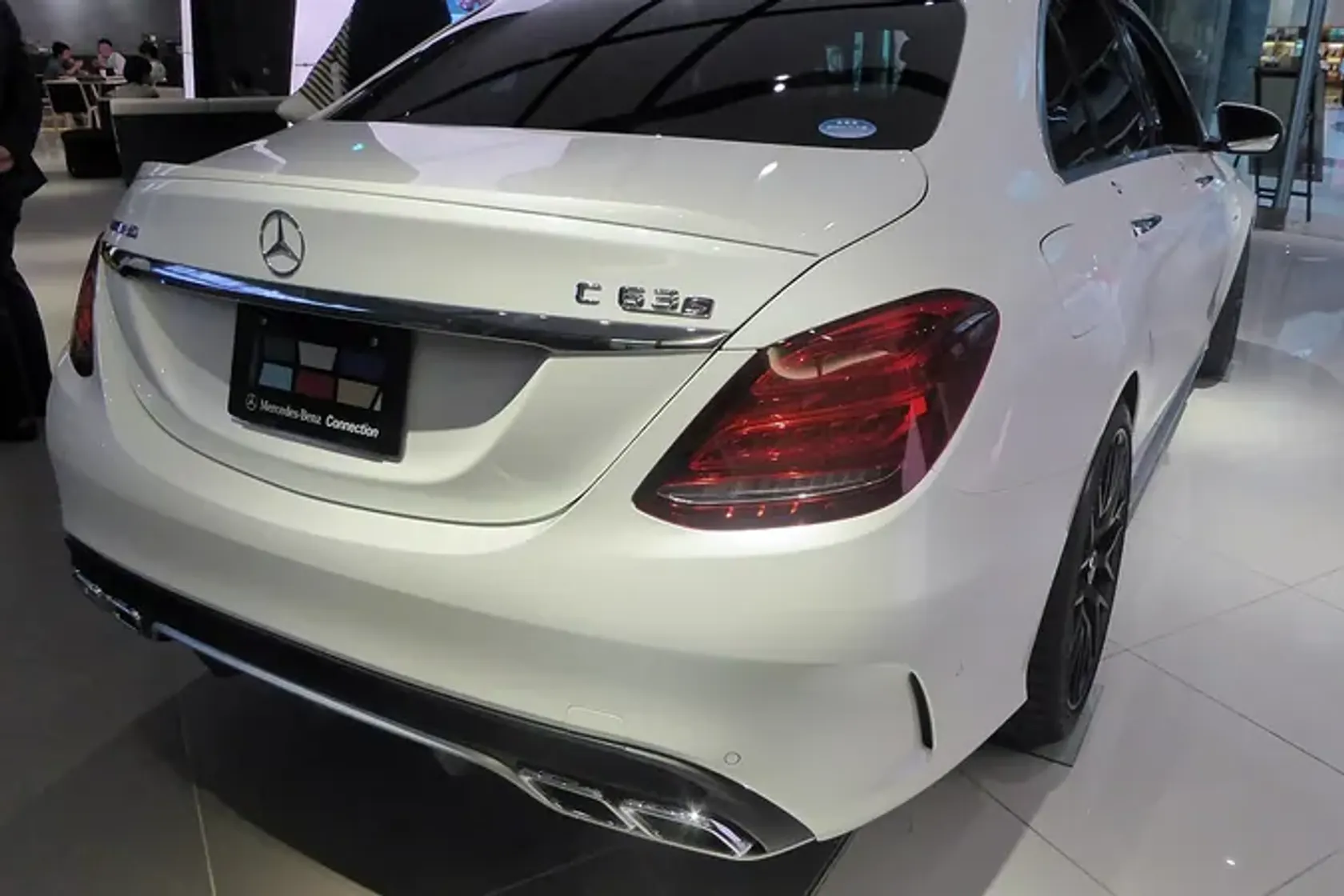
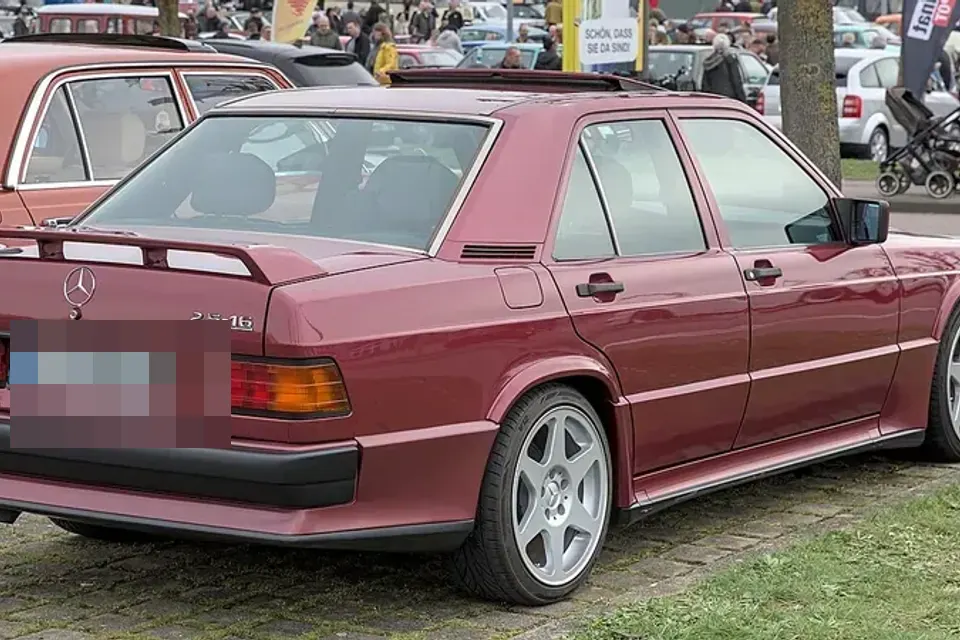
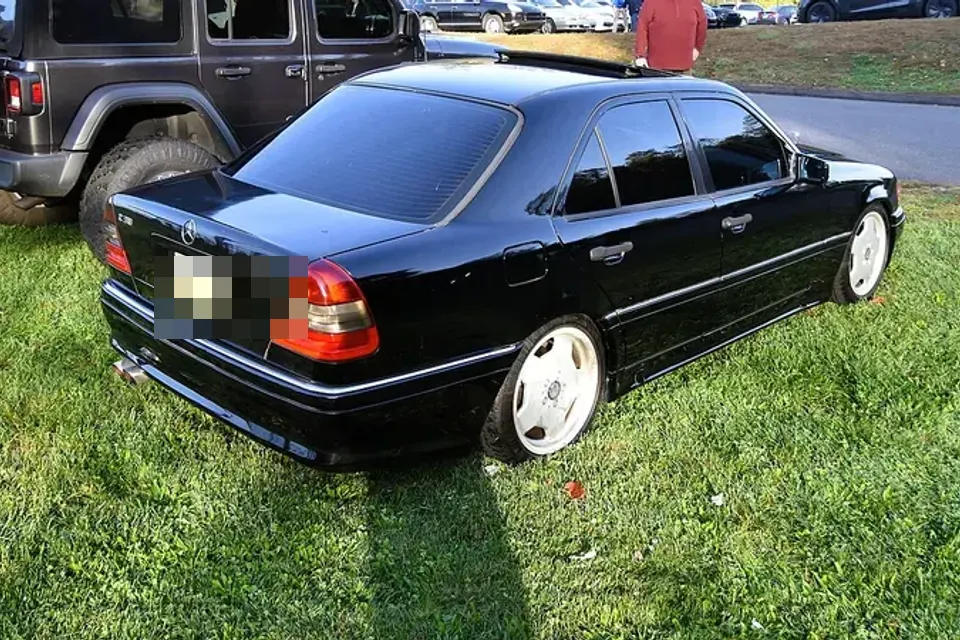
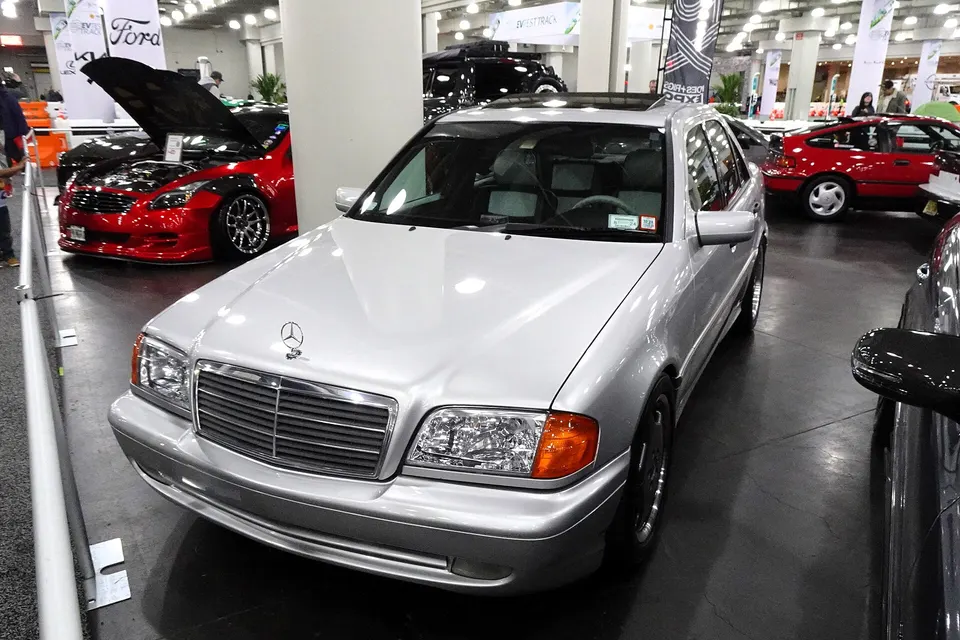
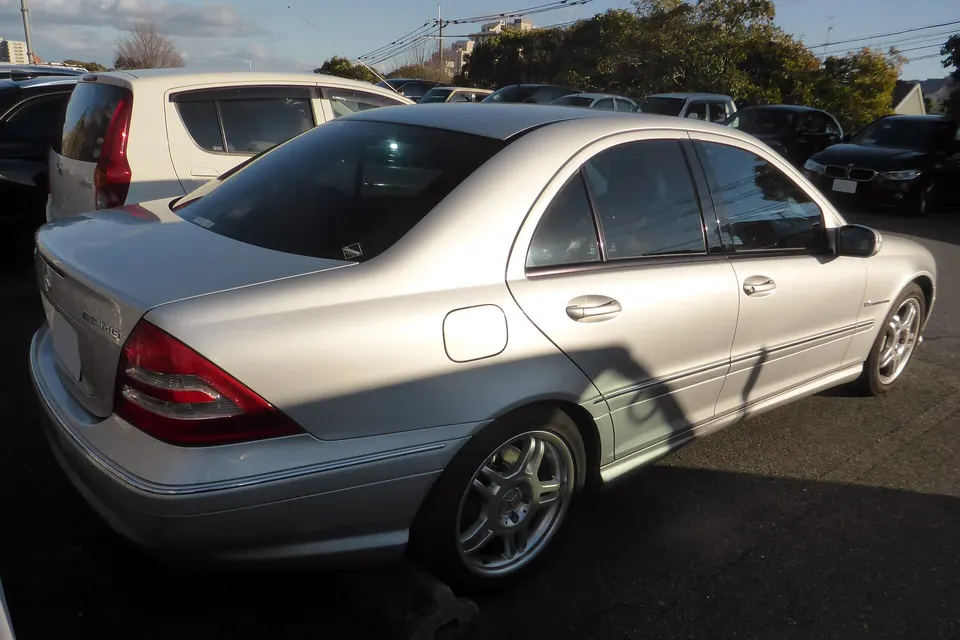
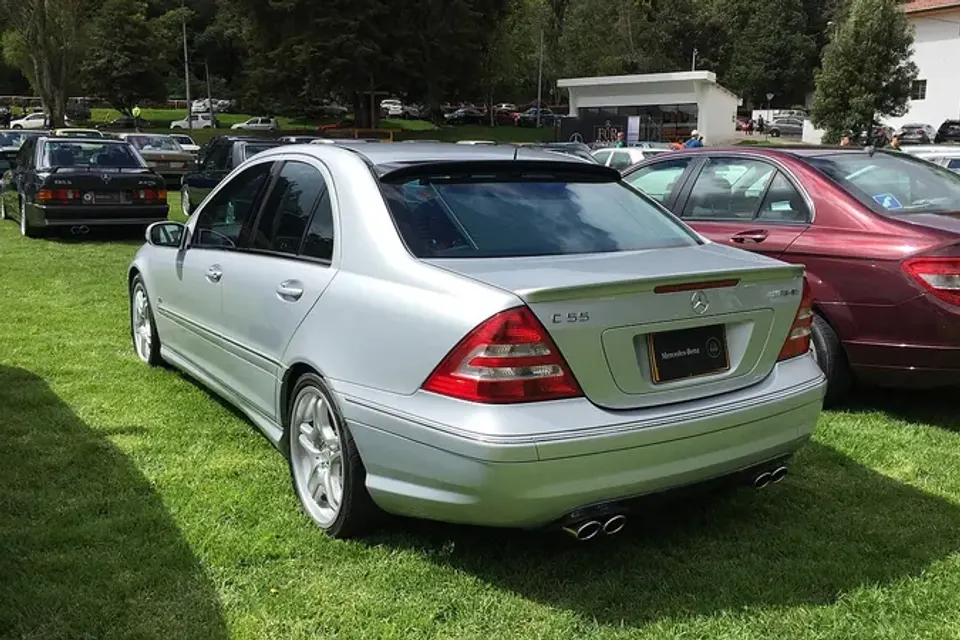
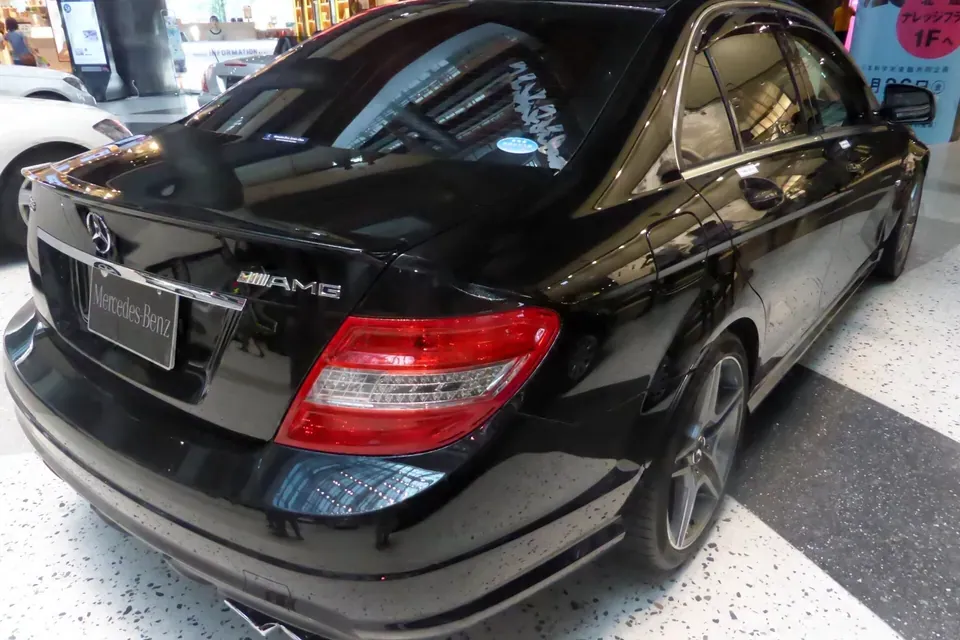
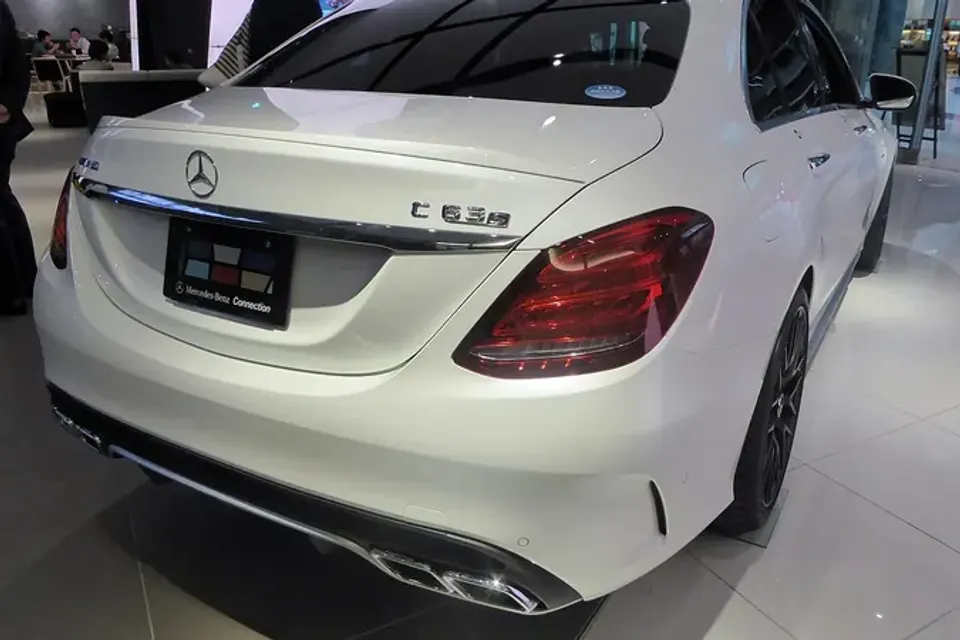
4.0-litre hot-V twin-turbo V8Longitudinal front-engine, rear-wheel driveTopology diagram · not to scale · based on the cited primary sources
C 63 S is the exact W205 / 205.087 production representative for the Mercedes-AMG C 63 (W205) milestone in this archive’s source-led family tree.
R / production rarity
How rare is it?
A simple 1–5 rating based on completed worldwide production for this exact version. Price and desirability are not included.
Rarity ratingNot availableNo comparable worldwide production total
Production bandNot available
Production evidenceNo exact production total
ProducedWorldwide total used for the rating
Production total unavailable
A reliable worldwide figure is not listed in the references.
How the rating works
The rating uses five fixed production bands. Smaller production runs receive higher ratings. Exact totals and responsibly sourced estimates for this precise version can be rated. Plans, regional totals, lower bounds, disputed figures and broader-family totals remain visible but unclassified. The evidence description is kept separate from the rating so a source limitation cannot change how scarcity is measured.
Open-licence recordings can appear with a visible Unregistered note; archive verification still requires independent identity and configuration evidence.
Listening descriptors remain editorial; architecture and output claims trace to the cited manufacturer material.
The W205 Mercedes-AMG C 63 S arrived for the 2015 model year with a radical powertrain change: the 6.2-litre naturally aspirated M156 gave way to a 4.0-litre twin-turbo V8. AMG preserved eight cylinders and rear-wheel drive, but moved the turbochargers between the cylinder banks in a “hot-V” layout. That shortened the exhaust path to the turbines and compacted the installation, changing response, thermal management and sound while allowing greater torque and efficiency from substantially less displacement.
The C 63 S uses the M177 DE40 AL, a 3,982 cc, 90-degree V8 producing 375 kW (510 PS) and 700 Nm. The standard C 63 was rated at 350 kW (476 PS) and 650 Nm, so S specification is a primary identity field rather than an equipment flourish. A seven-speed AMG SPEEDSHIFT MCT uses a wet start-off clutch instead of a conventional torque converter and drives the rear wheels through an electronically controlled limited-slip differential in the S model.
Turbochargers, charge-air cooling, direct injection and cylinder-bank heat management define the engine as much as its output. Exhaust energy reaches the centrally mounted turbines through short runners, improving response but concentrating temperature in the valley. Active engine mounts and multiple drive programmes alter the relationship between powertrain and body. A facelift in 2018 added a nine-speed MCT and other technical revisions, so production year and gearbox must be stated even within the broad 2015–2021 W205 span.
Engineering and character
The chassis uses a broader track and AMG-specific multi-link geometry, with electronically controlled damping and configurable stability systems. Saloon, estate, coupé and cabriolet bodies were all offered, each carrying distinct structure, mass and aero. The focus here is the saloon. A coupé review or exhaust recording can illuminate the engine family, but it cannot supply saloon weight, body resonance or model code without qualification. Body style is technical provenance, not merely presentation.
Acoustically, the hot-V M177 replaces the M156’s unfiltered displacement with turbo-muted exhaust pulses, compressor activity and stronger low-speed torque. Exhaust valves and drive mode materially change level and frequency, while facelift particulate-filter fitment varies by market and year. A premium recording logs model year, filter and catalyst hardware, valve mode, transmission, temperature and software. Aftermarket downpipes are especially disqualifying for stock reference because they change both turbine loading and the exhaust’s dominant harmonics.
The W205 sits between two very different C 63 concepts. The W204 uses a 6,208 cc naturally aspirated V8 and seven-speed torque-converter automatic in its original form; the W206 combines a 1,991 cc four-cylinder with an electrically assisted turbo, rear motor and battery. The W205 is therefore the downsized-V8 bridge: turbocharged and digitally configurable, yet still centred on an eight-cylinder combustion engine driving the rear wheels. That position gives it a coherent identity of its own.
Legacy and identity
The focus here is the W205 / 205.087 C 63 S saloon at 510 PS, with production-phase gearbox explicitly recorded. It excludes the 476 PS base C 63, other body styles, Edition 1 appearance assumptions and later W206 hybrid. The broader story explains what hot-V packaging changed. S output, filter status, gearbox phase and body code prevent a seven-year, four-body model family from collapsing into a single inaccurate set of specifications or an exhaust clip whose modification history is unknown.
01
Model identity
W205 / 205.087 is displayed prominently so this record cannot be confused with an adjacent derivative.
02
Original soundtrack
Modified exhausts, aftermarket induction and replacement EV sound packs are excluded.
04 / family tree
Model lineage
1988–2022 · 8 documented milestones
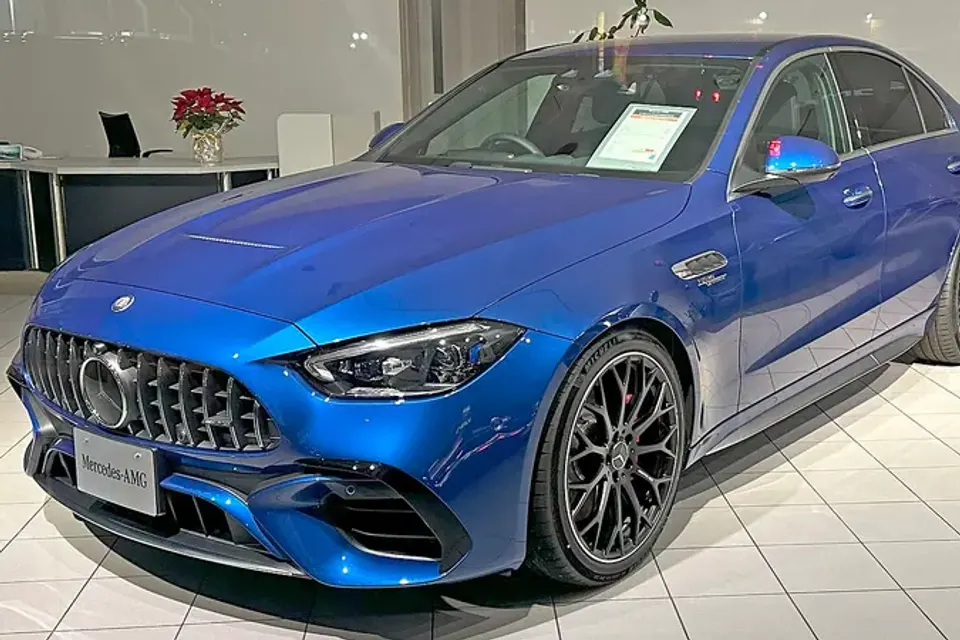
Photo: Alexander-93 · CC BY-SA 4.0 · resized and cropped · Registration identifier pixelated for privacy.