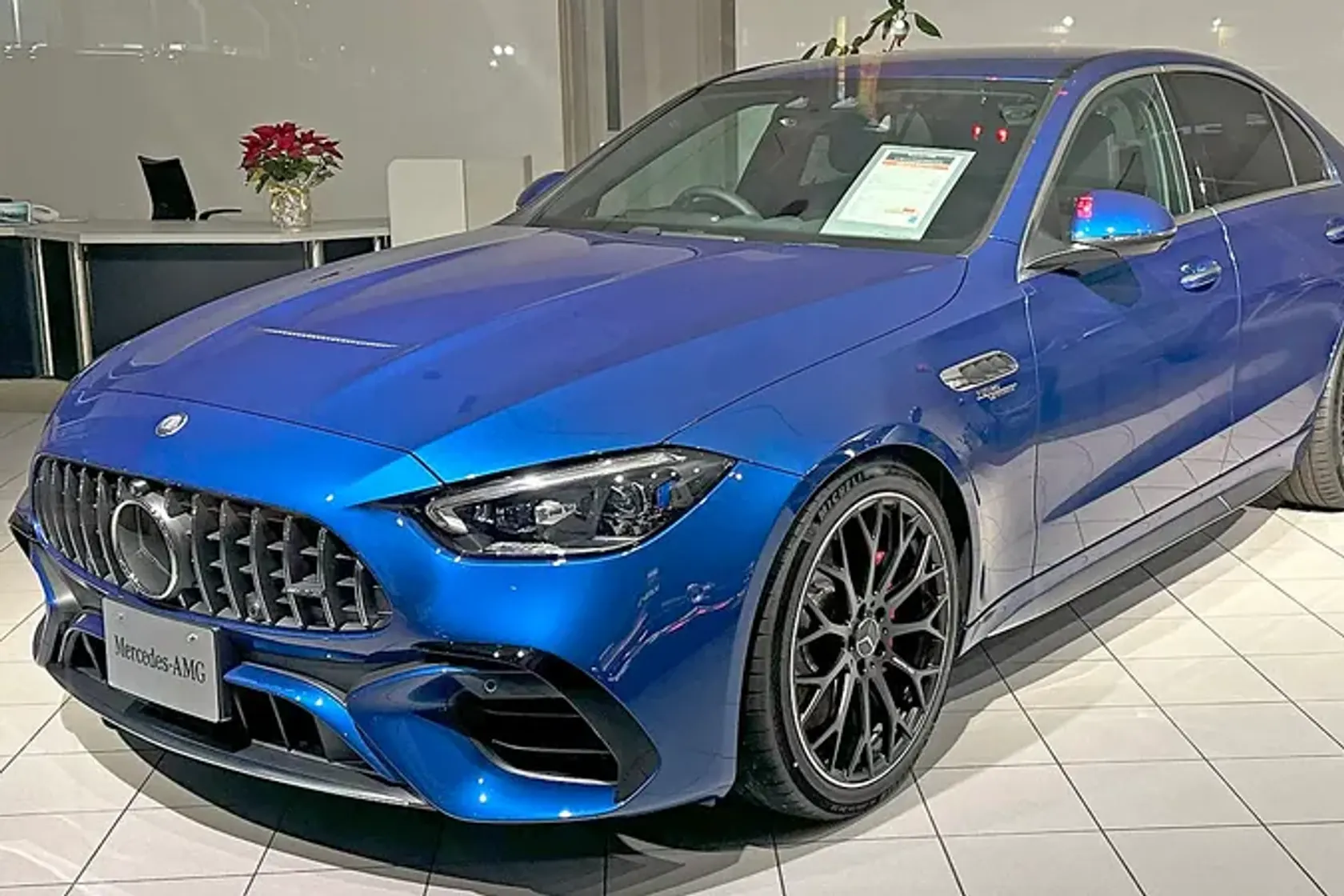
2.0-litre turbo inline-four · rear electric motorFront combustion engine, rear electric drive unitTopology diagram · not to scale · based on the cited primary sources
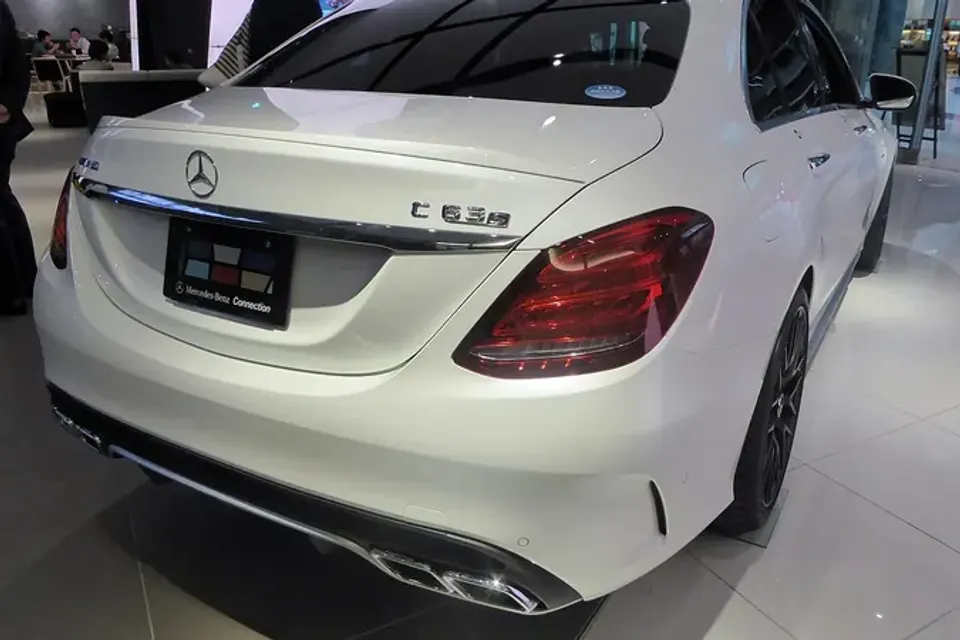
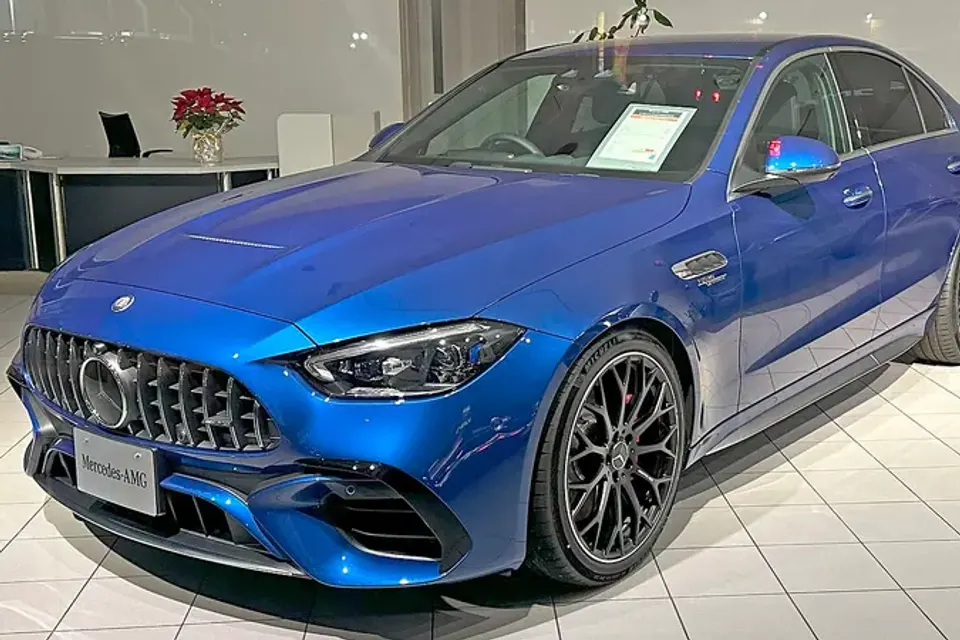
C 63 S E Performance is the exact W206 / 206.080 production representative for the Mercedes-AMG C 63 S E Performance (W206) milestone in this archive’s source-led family tree.
R / production rarity
How rare is it?
A simple 1–5 rating based on completed worldwide production for this exact version. Price and desirability are not included.
Rarity ratingNot availableNo comparable worldwide production total
Production bandNot available
Production evidenceNo exact production total
ProducedWorldwide total used for the rating
Production total unavailable
A reliable worldwide figure is not listed in the references.
How the rating works
The rating uses five fixed production bands. Smaller production runs receive higher ratings. Exact totals and responsibly sourced estimates for this precise version can be rated. Plans, regional totals, lower bounds, disputed figures and broader-family totals remain visible but unclassified. The evidence description is kept separate from the rating so a source limitation cannot change how scarcity is measured.
Open-licence recordings can appear with a visible Unregistered note; archive verification still requires independent identity and configuration evidence.
Listening descriptors remain editorial; architecture and output claims trace to the cited manufacturer material.
Mercedes-AMG introduced the W206 C 63 S E Performance in 2022 as the most radical powertrain reset in the model’s history. The V8 disappeared, replaced by a longitudinal 2.0-litre four-cylinder, an electrically assisted turbocharger, a rear electric drive unit and a high-power battery. The system was not designed chiefly for long electric range. It adapted Formula 1-informed electrical response and thermal management to a road saloon, using stored energy to support acceleration and torque distribution rather than disguise the combustion engine’s reduced cylinder count.
The front-mounted M139l displaces 1,991 cc and produces 350 kW (476 PS) with 545 Nm, making 176 kW per litre in Mercedes-AMG’s launch specification. An electric motor integrated with the turbo shaft accelerates the compressor independently of exhaust flow. At the rear, a 150 kW (204 PS), 320 Nm permanent-magnet motor shares a compact unit with a two-speed gearbox and electronically controlled differential. Combined system output is 500 kW (680 PS) and 1,020 Nm; component peaks must not simply be added.
A 6.1 kWh, 400-volt AMG High Performance Battery uses direct liquid cooling around each cell to support rapid power delivery and recovery. The rear motor’s two-speed transmission shifts at high road speed, and its torque can reach the front axle mechanically through the fully variable AMG Performance 4MATIC+ system when traction demands it. The combustion engine uses a nine-speed AMG SPEEDSHIFT MCT. Together they form multiple power paths whose operating state matters more than a conventional single-engine diagram suggests.
Engineering and character
Mercedes-AMG quotes 0–100 km/h in 3.4 seconds for the saloon and a 250 km/h governed maximum, rising to 280 km/h with the relevant Driver’s Package. The road-ready EC mass is 2,111 kg in launch data, reflecting the battery, motors and all-wheel-drive hardware. Eight drive programmes and configurable regeneration alter system behaviour. Any acceleration or efficiency claim therefore needs charge, temperature, mode and option context rather than being attributed permanently to a 680 PS badge.
The acoustic identity is hybrid and deliberately layered. A highly boosted four-cylinder, electrically assisted turbo, front nine-speed transmission, rear motor and two-speed electric gearbox each contribute different frequencies and transients. Artificial cabin augmentation may also vary by mode and software. A simple tailpipe recording cannot document the system architecture that defines the car.
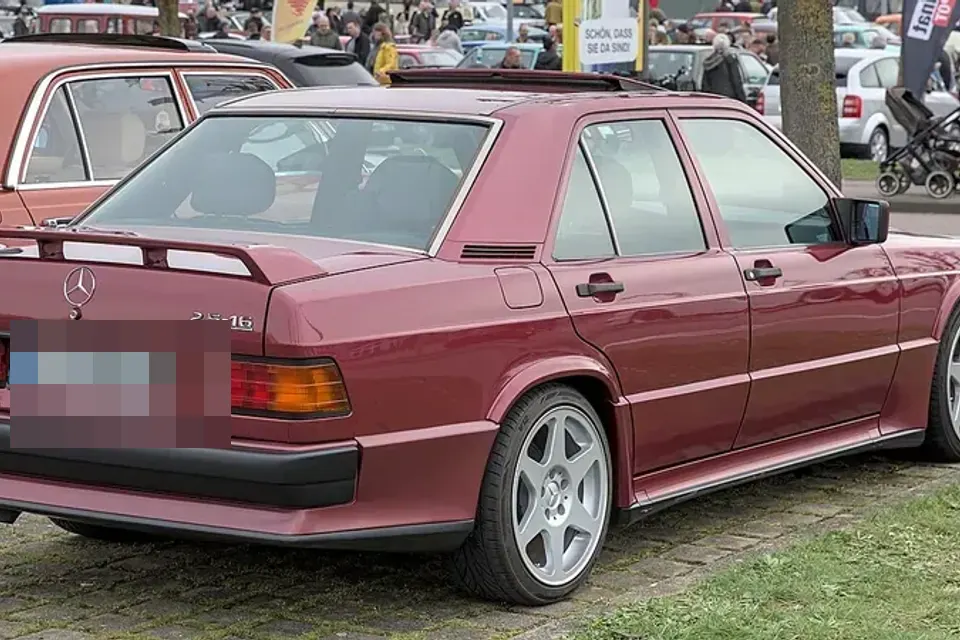
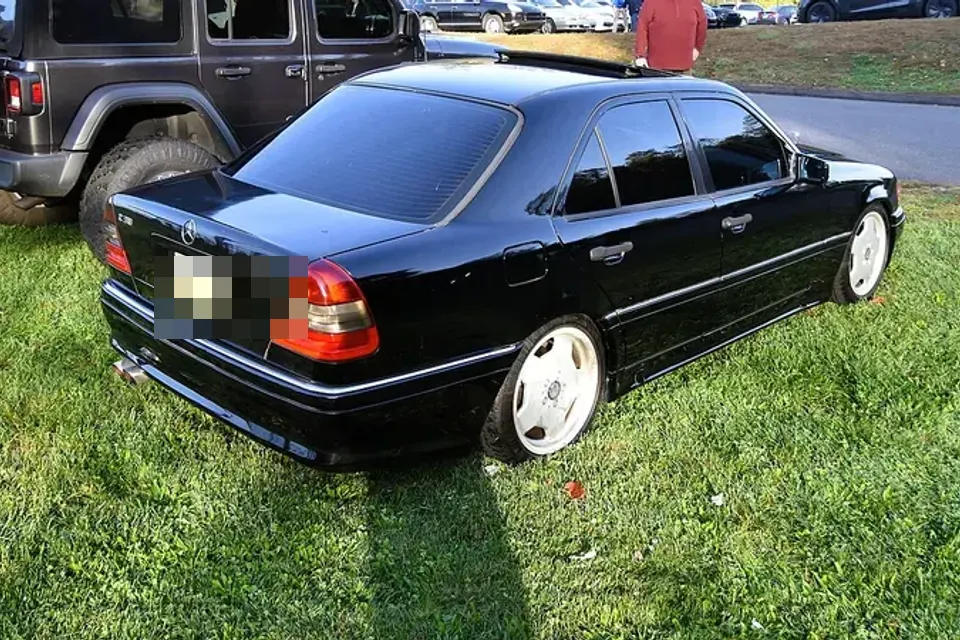
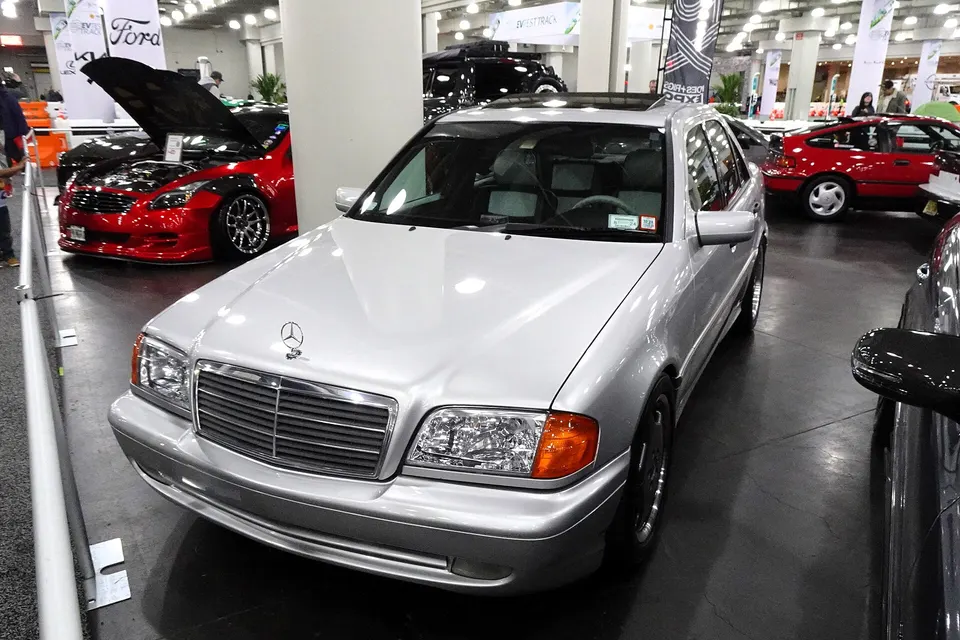
In lineage terms, the W206 follows the rear-drive hot-V V8 W205 but does not represent ordinary downsizing. It changes cylinder count, driven wheels, energy storage and response strategy simultaneously. That discontinuity explains both its performance and the strong enthusiast reaction to it. The car should neither inherit the V8’s sonic descriptors nor be dismissed as an EV with a range extender. Its petrol engine and electric drive are coordinated peers in a performance-hybrid system with only modest electric-only range.
Legacy and identity
The focus here is the 2022-onward W206 / 206.080 C 63 S E Performance saloon. It excludes the estate, C 43, W205 V8 and future software or hardware revisions not evidenced for this specification. It maps a complicated energy path in understandable terms. It separates engine, rear motor and system output, documents the two transmissions and makes state of charge and temperature mandatory provenance. That precision is the only fair way to compare it with simpler AMG generations.
01
Model identity
W206 / 206.080 is displayed prominently so this record cannot be confused with an adjacent derivative.
02
Original soundtrack
Modified exhausts, aftermarket induction and replacement EV sound packs are excluded.
04 / family tree
Model lineage
1988–2022 · 8 documented milestones
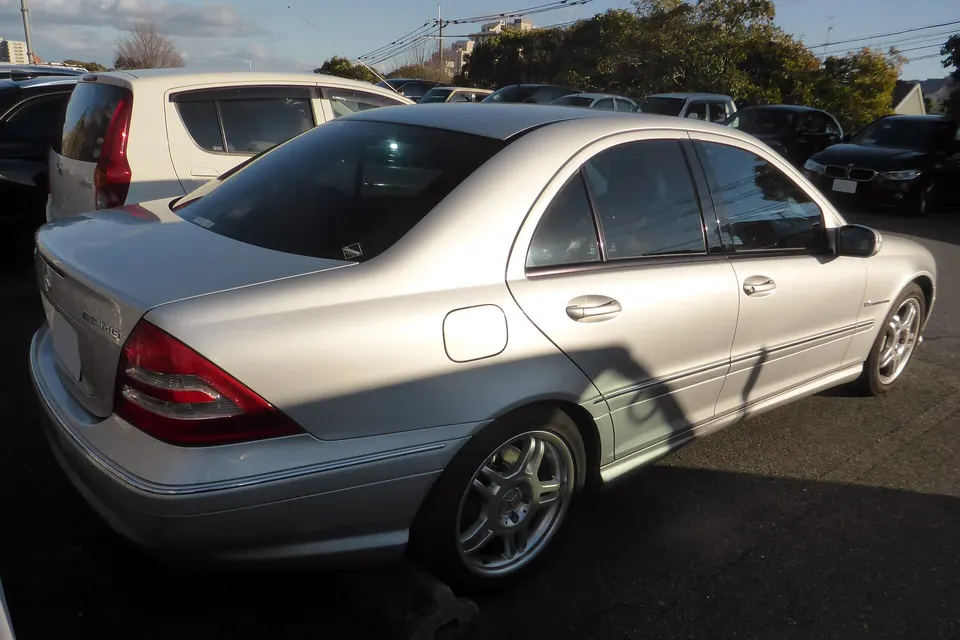
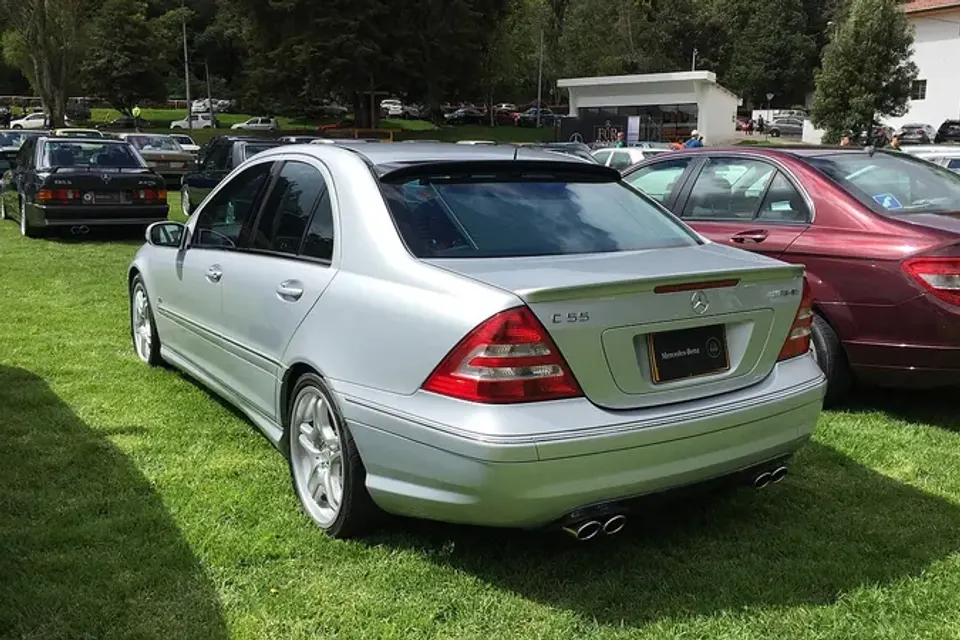
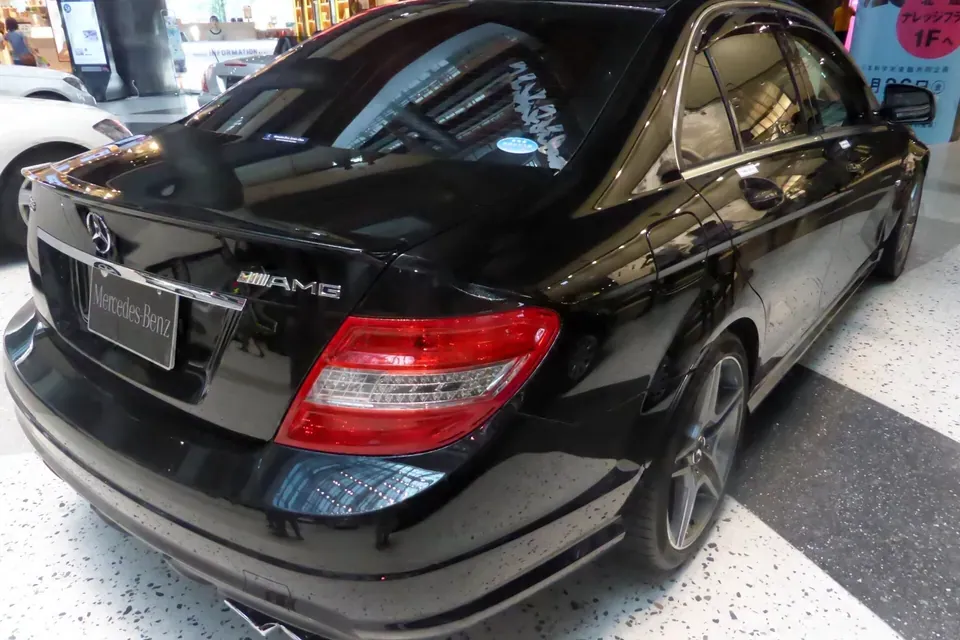
Photo: Alexander-93 · CC BY-SA 4.0 · resized and cropped · Registration identifier pixelated for privacy.