Documentary photographPhoto: Taisyo · CC BY-SA 3.0 · resized and cropped
Engine redprint / verified12A
1,146 cc twin-rotor WankelLongitudinal front-engine, rear-wheel driveTopology diagram · not to scale · based on the cited primary sources
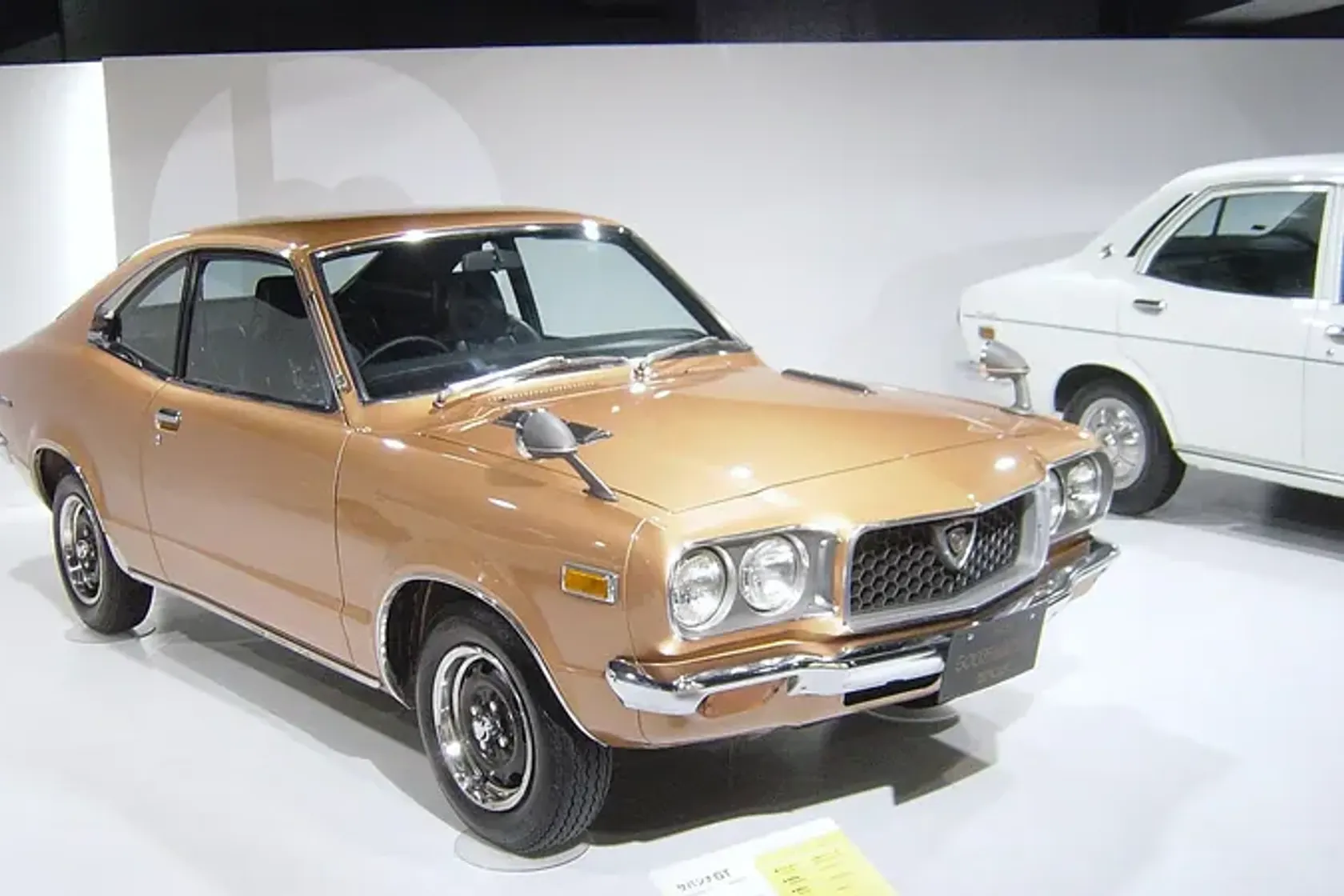
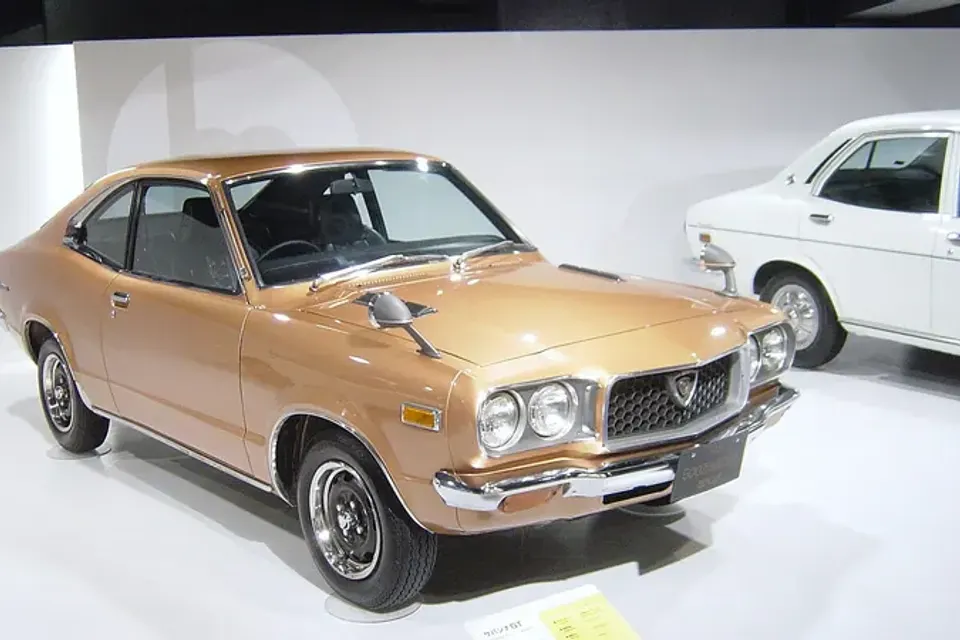
Savanna RX-3 GT is the exact S124A production representative for the Savanna RX-3 milestone in this archive’s source-led family tree.
R / production rarity
How rare is it?
A simple 1–5 rating based on completed worldwide production for this exact version. Price and desirability are not included.
Rarity ratingNot availableNo comparable worldwide production total
Production bandNot available
Production evidenceNo exact production total
ProducedWorldwide total used for the rating
Production total unavailable
A reliable worldwide figure is not listed in the references.
How the rating works
The rating uses five fixed production bands. Smaller production runs receive higher ratings. Exact totals and responsibly sourced estimates for this precise version can be rated. Plans, regional totals, lower bounds, disputed figures and broader-family totals remain visible but unclassified. The evidence description is kept separate from the rating so a source limitation cannot change how scarcity is measured.
5/5Fewer than 25 builtUltra rare
4/525 to 249 builtVery rare
3/5250 to 2,499 builtRare
2/52,500 to 24,999 builtLimited production
1/525,000 or more builtSeries production
Additional context
Other useful counts
Useful allocation, delivery or registry figures that do not alter the production-based rating.
Original sales / deliveries5,406First-month sales only
All Savanna coupé and saloon variants sold in the first month; not a lifetime RX-3 total
Open-licence recordings can appear with a visible Unregistered note; archive verification still requires independent identity and configuration evidence.
Listening descriptors remain editorial; architecture and output claims trace to the cited manufacturer material.
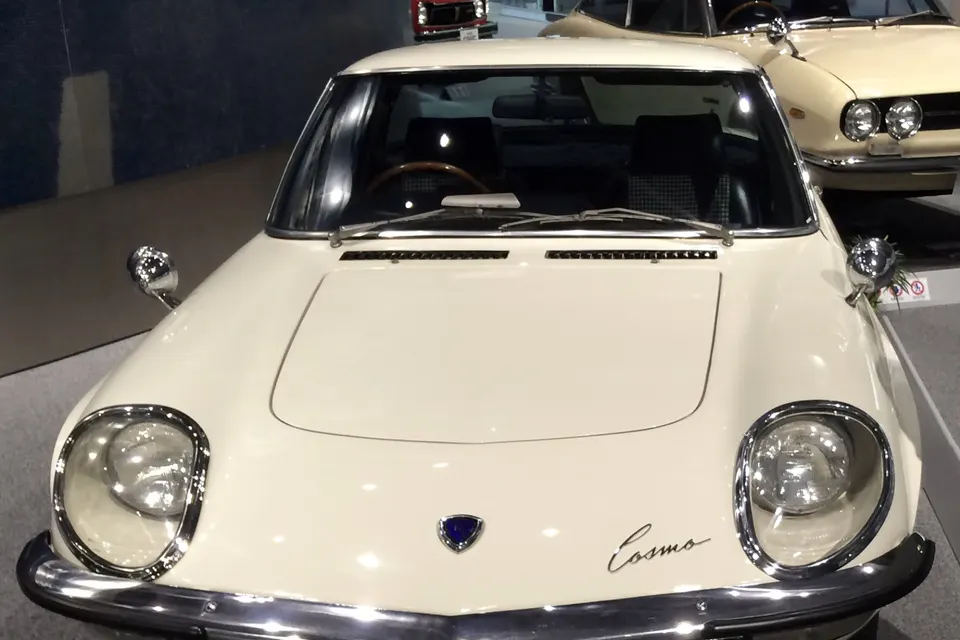
Mazda launched the Savanna in Japan in September 1971, selling its rotary versions internationally under the RX-3 name. The GT derivative recorded here followed with the larger 12A engine and became one of the most visible early links between Mazda’s expanding rotary road-car range and touring-car competition. Unlike the low-volume Cosmo Sport, the Savanna placed rotary performance into a more attainable coupé body shared with piston-engine relatives, helping the technology reach customers at materially greater scale.
The 12A uses two 573 cc rotor chambers, giving Mazda’s nominal 1,146 cc total, and drives the rear wheels through a five-speed manual. The compact engine sits longitudinally ahead of the cabin, allowing useful weight distribution without the length of a comparable multi-cylinder piston engine. Carburetion, ignition and emissions equipment varied by year and market, so export RX-3 outputs cannot be treated as universal Savanna GT figures.
The coupé’s competition record became central to its reputation. Rotary Savannas challenged established piston-engined touring cars in Japan and accumulated a major domestic win count, while international privateers used RX-3s in touring and endurance categories. Race engines, peripheral-port induction, exhausts and body preparation differed significantly from production. A premium road passport can explain the relationship without implying that a standard S124A shares the output, rev range or sound of a contemporary works or customer race car.
Engineering and character
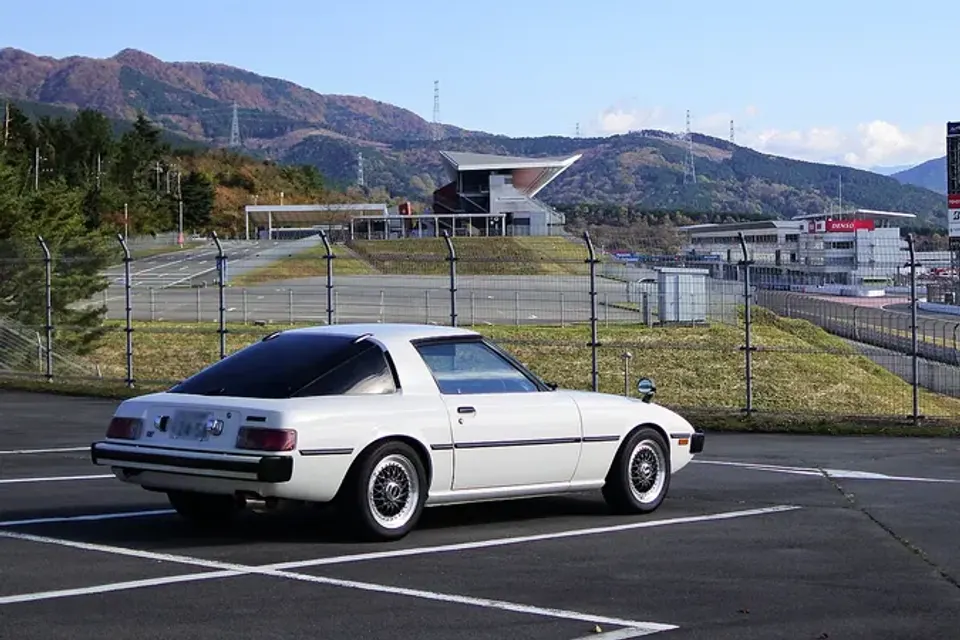
Historically, the RX-3 arrived after the Cosmo Sport, Familia Rotary and Capella Rotary, at a point when Mazda was applying Wankel engines across a broad catalogue. The oil crisis and tightening emissions standards soon made that strategy harder to sustain. Mazda responded by improving fuel consumption and concentrating rotary identity increasingly around sporting models. The first RX-7 in 1978 would formalise that change, but the Savanna’s road and racing success supplied crucial continuity through the difficult middle of the decade.
A stock 12A sounds crisp and pulse-rich, with carburettor intake and a compact exhaust creating a harder edge than later turbocharged rotaries. Port timing, mufflers and ignition have enormous acoustic influence, and period-style modifications can move a car far from production while appearing historically plausible. Archival recording must identify port configuration, carburettor, oil metering, ignition and complete exhaust. A bridge-ported restoration may celebrate racing culture, but it cannot document the factory GT soundtrack.
The model name needs careful handling. “Savanna,” “RX-3,” body code S124A and GT equipment vary across domestic and export literature, while saloon, coupé and wagon bodies existed in the wider family. This record is the Japanese-market rotary GT coupé context defined in the catalogue, not every Mazda sold with an RX-3 badge. Exact market and build-date evidence should precede any claim about output, gearbox or trim on an individual surviving car.
Legacy and identity
The focus here is the 1972–1978 Savanna RX-3 GT S124A coupé with 12A and five-speed manual. It excludes 10A cars, piston-engined Savannas, other bodies and competition-prepared RX-3s. The broader story explains how Mazda moved the rotary from a futuristic flagship into a successful sporting series. The market, body, port, induction and transmission boundaries make the page useful when modified race-inspired examples are far more audible online than the restrained and now exceptionally rare factory road car.
01
Model identity
S124A is displayed prominently so this record cannot be confused with an adjacent derivative.
02
Original soundtrack
Modified exhausts, aftermarket induction and replacement EV sound packs are excluded.