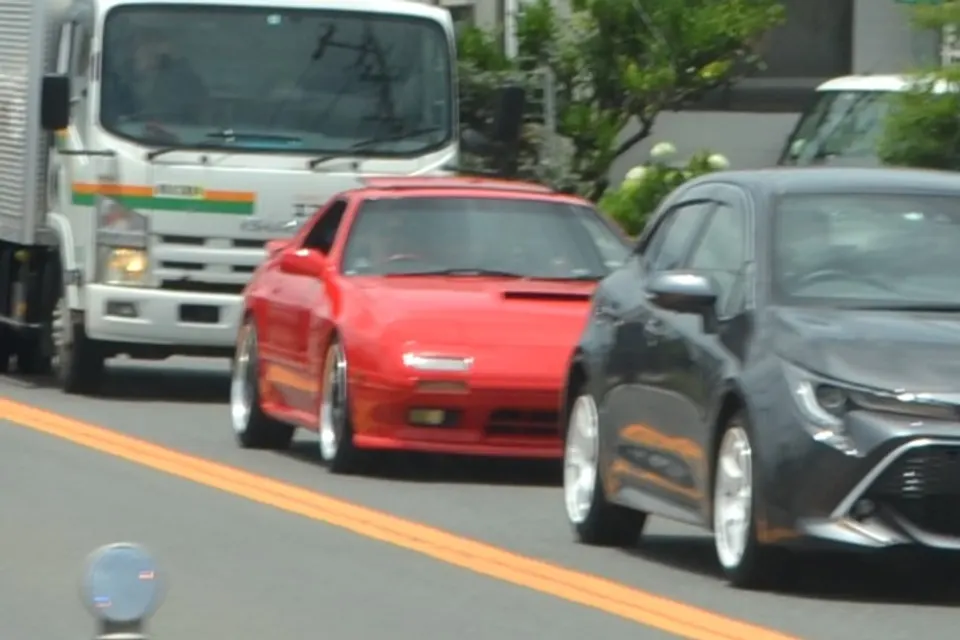
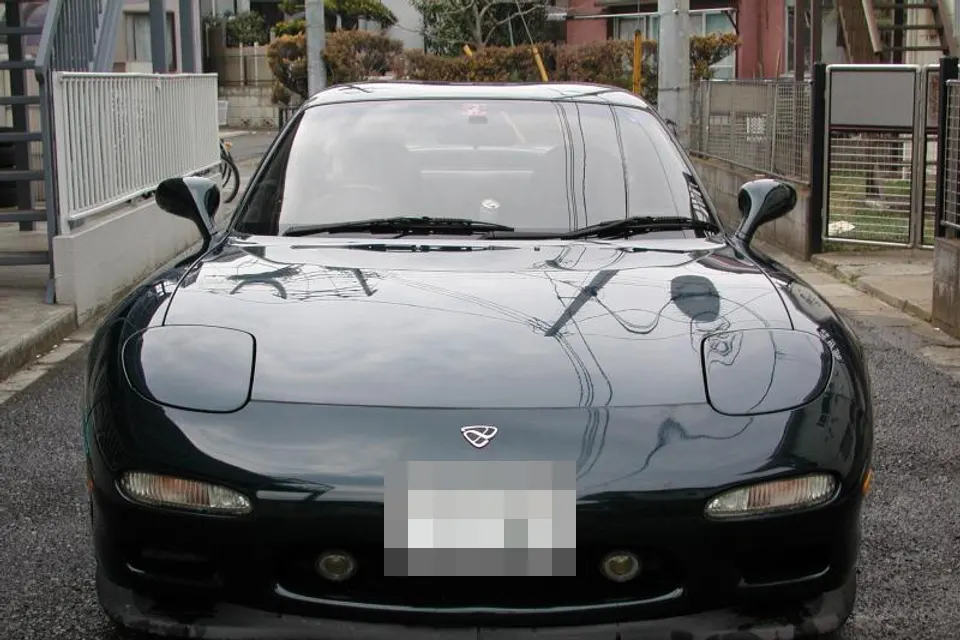
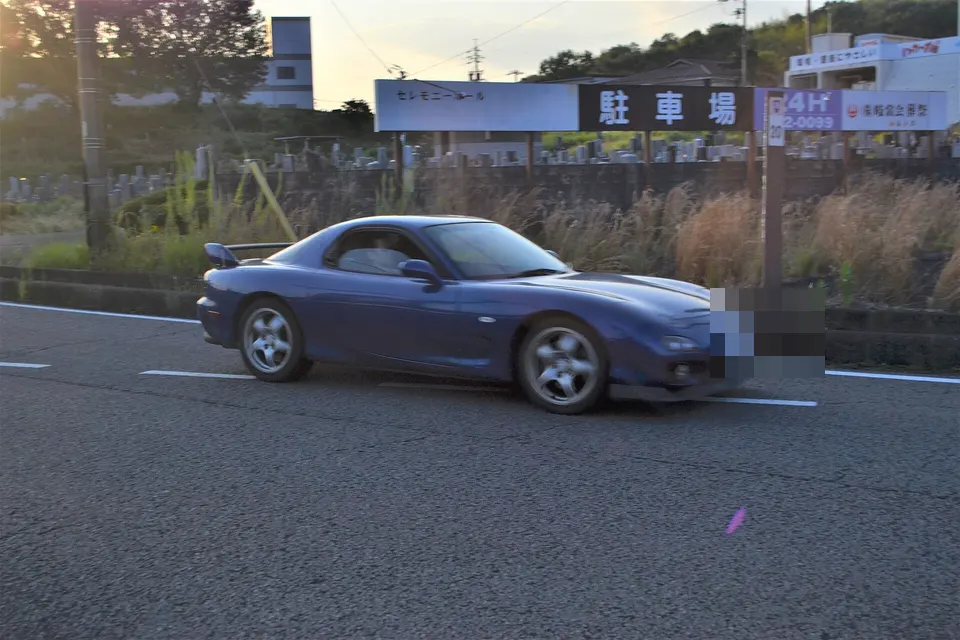
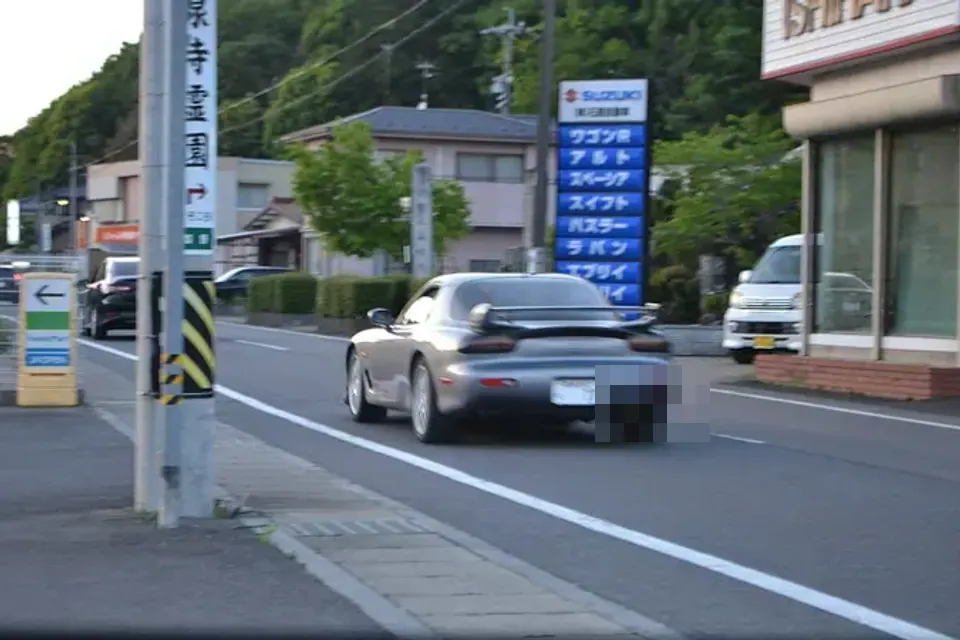
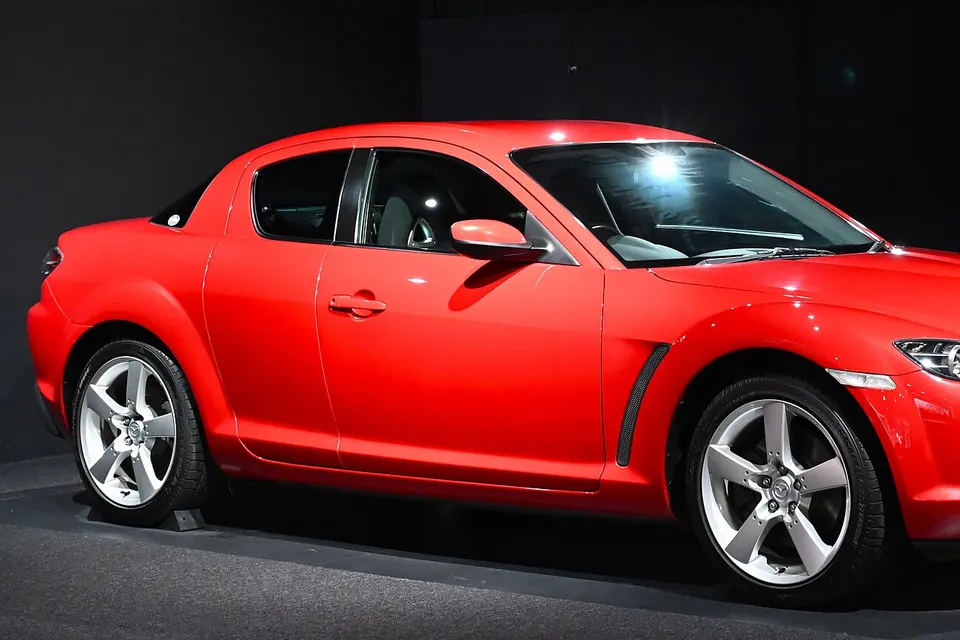
Documentary photographPhoto: 先従隗始 · CC0 1.0 · resized and cropped
Engine redprint / verified13B-T
1,308 cc twin-rotor turbo WankelFront-mid engine, rear-wheel driveTopology diagram · not to scale · based on the cited primary sources
Savanna RX-7 GT Limited is the exact E-FC3S production representative for the Savanna RX-7 (FC3S) milestone in this archive’s source-led family tree.
R / production rarity
How rare is it?
A simple 1–5 rating based on completed worldwide production for this exact version. Price and desirability are not included.
Rarity ratingNot availableNo comparable worldwide production total
Production bandNot available
Production evidenceNo exact production total
ProducedWorldwide total used for the rating
Production total unavailable
A reliable worldwide figure is not listed in the references.
How the rating works
The rating uses five fixed production bands. Smaller production runs receive higher ratings. Exact totals and responsibly sourced estimates for this precise version can be rated. Plans, regional totals, lower bounds, disputed figures and broader-family totals remain visible but unclassified. The evidence description is kept separate from the rating so a source limitation cannot change how scarcity is measured.
Open-licence recordings can appear with a visible Unregistered note; archive verification still requires independent identity and configuration evidence.
Listening descriptors remain editorial; architecture and output claims trace to the cited manufacturer material.
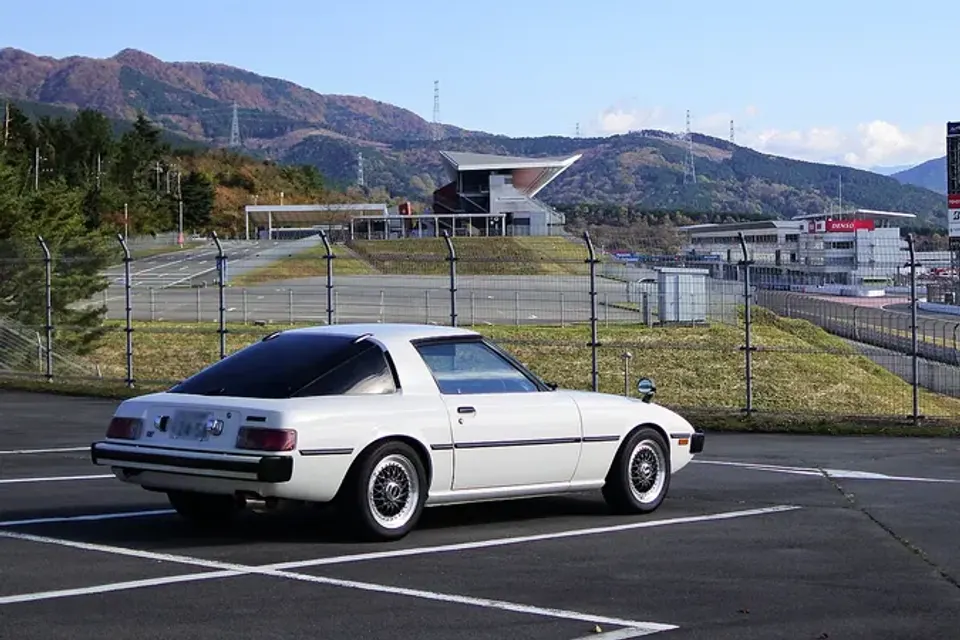
Mazda introduced the second-generation Savanna RX-7 in October 1985 with a broader brief than the original. The FC3S remained a front-mid-engine, rear-drive rotary sports car, but its chassis, turbocharged output and cabin refinement aimed to combine serious dynamics with grand-touring composure. The timeline begins with the 1989 Japanese facelift and its GT Limited grade, not the lower-output initial phase. It should not be confused with pre-facelift cars, convertible models or export Turbo II specifications that use familiar names but different calibration.
The 13B-T uses two 654 cc rotor chambers, nominally 1,308 cc, with a turbocharger feeding the water-cooled rotary engine. Mazda’s facelift history records 151 kW (205 PS), transmitted here through a five-speed manual. It also identifies an independently operating twin-scroll turbo arrangement for the revised car. This remains a single-turbo architecture and is fundamentally different from the staged pair used by the third-generation FD’s 13B-REW, despite both generations often being described simply as turbo RX-7s.
The FC adopted independent rear suspension and, on relevant grades, Mazda’s Dynamic Tracking Suspension System and speed-sensitive assistance to balance stability with response. Its wheelbase and body grew relative to the SA22C, while the rotary remained behind the front axle. GT Limited equipment added comfort and trim within the sporting range, so it should not be described as the lightest or most austere FC by default. Grade, production phase and market are real configuration fields, not interchangeable badges.
Engineering and character
The 1989 revision matters because Mazda changed more than the visible exterior. The documented output increase and revised turbo operation belong to the facelift phase represented here; applying them to an earlier FC would create the same error as carrying later FD ratings backward. A premium record therefore needs year, market, engine family, body and transmission before an output figure is attached to a surviving car.
Acoustically, the 13B-T overlays turbine and bypass noise on the rotary pulse sequence. The twin-scroll turbine housing shapes response, but intake, intercooler, wastegate, catalyst and silencer determine what reaches a microphone. Boost upgrades and free-flow exhausts are common and often visually subtle. A stock reference must document turbocharger specification, boost control, porting, intercooler and complete exhaust, plus engine temperature and load. Compressor sound by itself cannot authenticate the factory system or its facelift calibration.
The FC sits between the light, naturally aspirated SA22C and the aluminium-intensive, sequential-turbo FD. Its larger and more refined body reflects a deliberate change in sports-car values rather than mission drift. The facelift shows Mazda continuing to develop that proposition through powertrain response as well as presentation. The later FD would reduce mass and return to a more uncompromising “best rotary pure sports car” objective while retaining the front-midship principle and rear-drive layout.
Legacy and identity
The focus here is the 1989–1991 E-FC3S Savanna RX-7 GT Limited with the 151 kW (205 PS) 13B-T and five-speed manual. It excludes naturally aspirated FCs, convertible bodies, pre-facelift ratings, export-specific Turbo II configurations, competition cars and modified boost systems. The broader story explains how Mazda refined the second RX-7 without abandoning its layout. Turbo architecture, market, grade and production phase protect a frequently modified generation from being represented by whichever power number or exhaust clip happens to be most dramatic.
01
Model identity
E-FC3S is displayed prominently so this record cannot be confused with an adjacent derivative.
02
Original soundtrack
Modified exhausts, aftermarket induction and replacement EV sound packs are excluded.