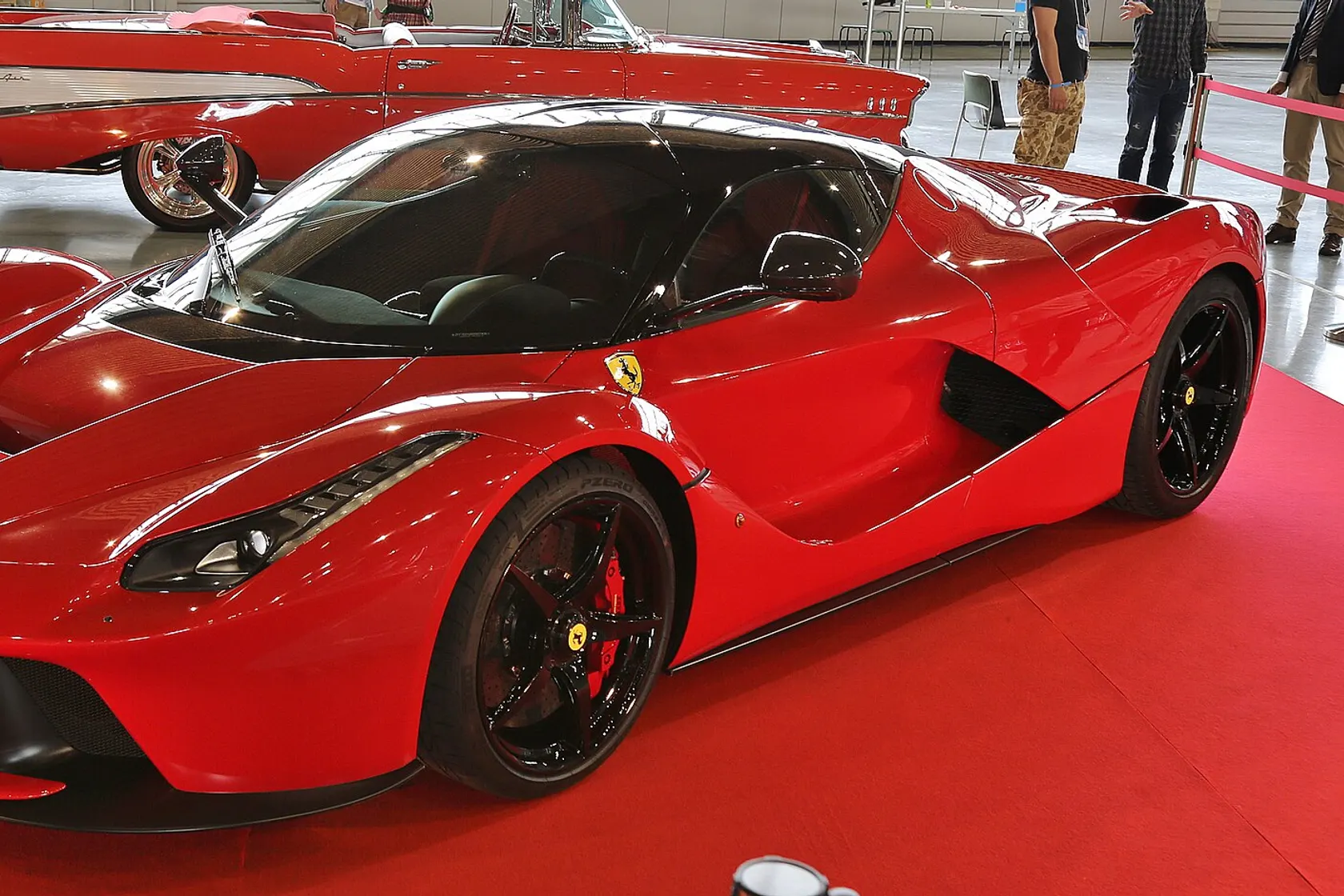
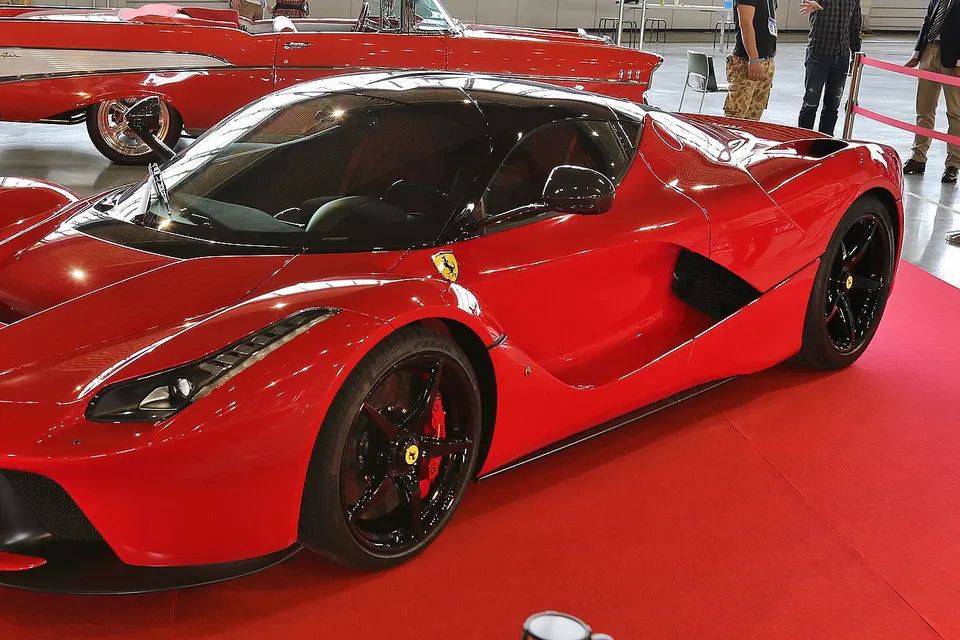
Documentary photographPhoto: TTTNIS · CC0 1.0 · resized and cropped
Engine redprint / verifiedF140FE V12 + HY-KERS
6,262 cc 65° V12 · 120 kW HY-KERS motorLongitudinal rear-mid hybrid, rear-wheel driveTopology diagram · not to scale · based on the cited primary sources
LaFerrari is Ferrari’s 2013–2016 the bloodline’s first hybrid, pairing v12 power with hy-kers, preserved here as an exact factory road-car passport rather than a generic supercar profile.
R / production rarity
How rare is it?
A simple 1–5 rating based on completed worldwide production for this exact version. Price and desirability are not included.
Rarity rating3/ 5
Rare
Production band250 to 2,499 built
Production evidencePrimary-source exact
ProducedWorldwide total used for the rating500
Announced coupé series plus charity car
Figure type
Exact
Scope
LaFerrari coupé; excludes LaFerrari Aperta and FXX K
The rating uses five fixed production bands. Smaller production runs receive higher ratings. Exact totals and responsibly sourced estimates for this precise version can be rated. Plans, regional totals, lower bounds, disputed figures and broader-family totals remain visible but unclassified. The evidence description is kept separate from the rating so a source limitation cannot change how scarcity is measured.
5/5Fewer than 25 builtUltra rare
4/525 to 249 builtVery rare
3/5250 to 2,499 builtRare
2/52,500 to 24,999 builtLimited production
1/525,000 or more builtSeries production
Recorded sales
Documented sales
Prices never affect the rarity rating.
Sold$8,695,0002026 · RM Sotheby's · Monterey
Auction result
Exact coupé model · 2015 US-specification LaFerrari
Published sale total; buyer premium included by the auction house.
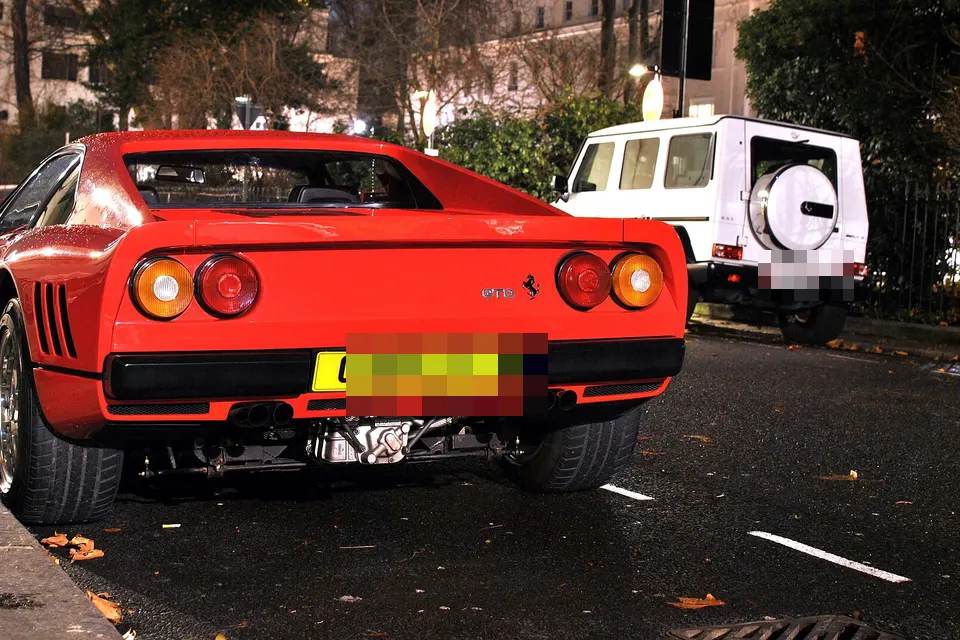
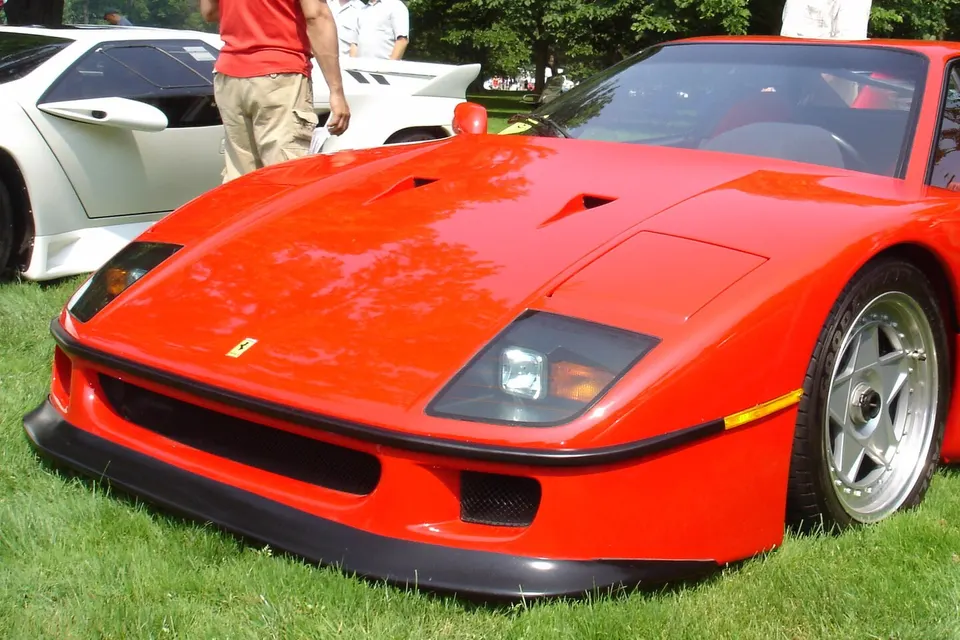
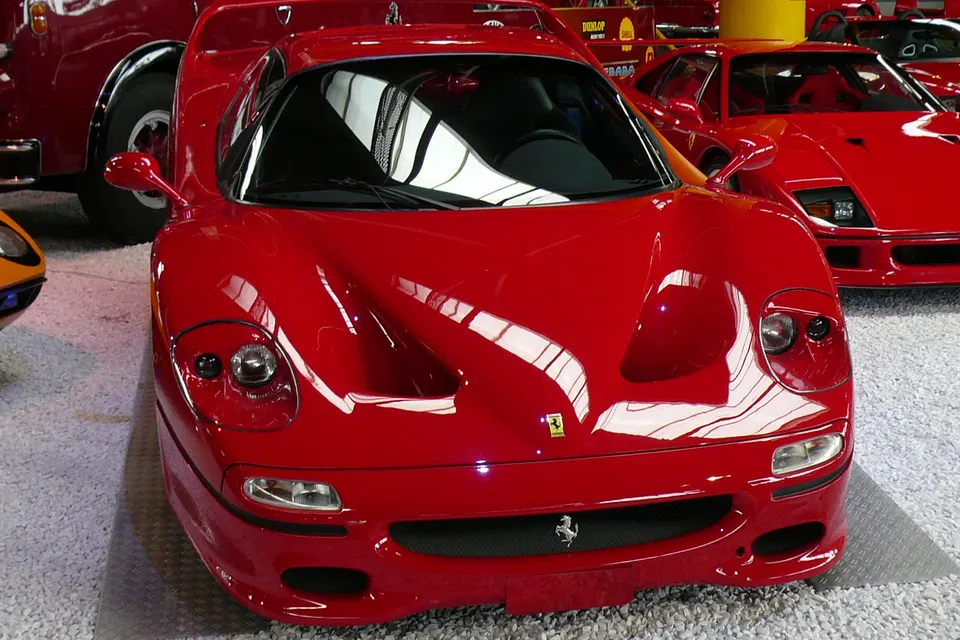
LaFerrari debuted at Geneva in 2013 as the fifth car in Ferrari’s modern limited-series supercar bloodline and the company’s first production hybrid. Ferrari explicitly described a “red line” running from GTO through F40, F50 and Enzo to this project. Hybridisation was not used to provide a quiet commuting mode or plug-in range. It transferred the energy-recovery logic Ferrari had explored with Formula 1 KERS into a road car whose electrical system existed to increase performance, response and control around a naturally aspirated V12.
The 6,262 cc 65-degree V12 produced 588 kW, or 800 cv, and reached 9,250 rpm. A 120 kW electric motor worked through the HY-KERS system, with Ferrari quoting 963 cv combined and more than 900 Nm. Power went to the rear wheels through a seven-speed dual-clutch F1 transmission. The motor’s peak and the engine’s peak are managed across the operating range, so simple arithmetic is not a substitute for the manufacturer’s combined figure. Ferrari described acceleration to 200 km/h in 6.9 seconds and a maximum speed beyond 350 km/h.
HY-KERS recovered energy under braking and used the high-voltage battery to support propulsion, while a second electric machine served ancillary functions. Because the car was not a plug-in hybrid, its relationship with electricity differs fundamentally from later SF90 and 296 models. The electric motor fills torque and allows the V12 to be calibrated for high-speed power without leaving the driver waiting for the engine to reach its strongest range. That cooperation is the defining mechanism, not a claim that electrical assistance somehow replaces the V12’s identity.
Engineering and character
Ferrari built the carbon monocoque using several carbon-fibre types and manufacturing techniques informed by Formula 1. Fixed seating placed the driver within the structure while the pedal assembly adjusted, reducing packaging compromises. Active aerodynamic devices at the front and rear changed configuration to pursue downforce when useful and lower drag when necessary. LaFerrari therefore advanced the Enzo’s integrated-control approach: hybrid deployment, braking, chassis systems and aero operated as parts of one performance strategy rather than isolated technologies advertised on a specification sheet.
Acoustically, the combustion engine remains dominant. Twelve naturally aspirated cylinders, high rotational speed and tuned intake systems rise toward a 9,250 rpm limit, while electric torque changes how rapidly the V12 moves through that range. The dual-clutch gearbox creates much shorter interruptions than the Enzo’s single-clutch system. Battery state, hybrid strategy, gear and drive mode must accompany a capture, and the factory exhaust path must remain intact. A loud FXX K or Aperta clip cannot serve as a neutral reference for the production coupé.
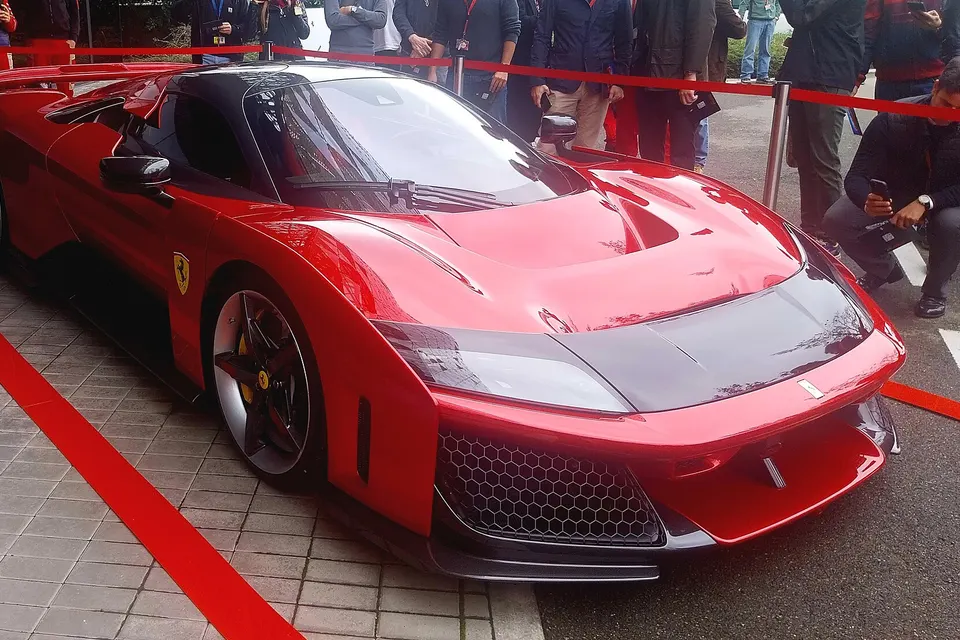
LaFerrari sits between the Enzo and F80 but does not merely split their technologies. It preserves the Enzo’s naturally aspirated V12 and rear drive while proving that electrical energy could become a permanent performance tool in Ferrari’s flagship. F80 then follows contemporary endurance and Formula 1 practice with a turbocharged V6, e-turbos and electric front axle. The contrast makes LaFerrari historically specific: the final V12 car in this six-model bloodline and the first one in which combustion and electric torque were designed together from the outset.
Legacy and identity
The focus here is restricted to the 2013–2016 LaFerrari coupé, Tipo F150. It excludes the open LaFerrari Aperta, circuit-only FXX K and FXX K Evo, and later plug-in production models. Ferrari announced 499 coupés and subsequently built an additional charity example; the distinction is preserved instead of flattening the story into one unsupported total. The 6,262 cc V12, HY-KERS system, 963 cv combined output, rear drive and seven-speed dual-clutch gearbox establish the exact record for technical comparison and original-sound submissions.
01
Model lineage
Ferrari itself identifies GTO, F40, F50, Enzo Ferrari, LaFerrari and F80 as one six-car road-supercar sequence.
02
Road-car identity
The focus here is the production LaFerrari; racing, XX, open and modified derivatives require separate evidence.
04 / family tree
Model lineage
1984–2025 · 6 documented milestones
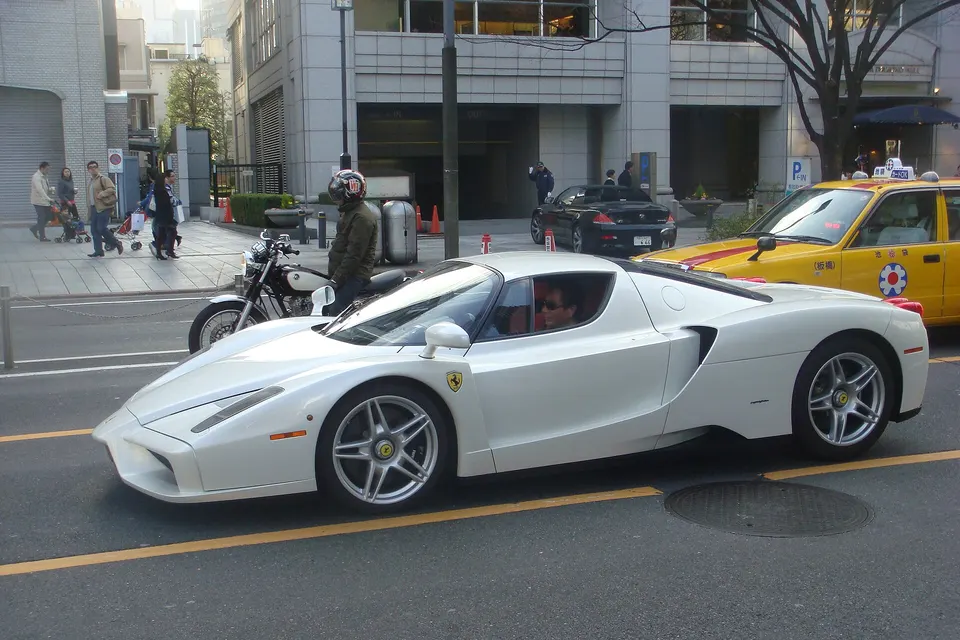
Photo: Ed Callow · CC BY 2.0 · resized and cropped · Registration identifiers pixelated for privacy.