
Ferrari · Iconic performance derivative · 1968–1973
365 GTB/4
Recorded designation · Tipo 251- Recorded designation
- Tipo 251
- Engine / drive unit
- Tipo 251
- Archive no.
- 079
- Sources updated
- 21 September 2026
Help build this passport
Have a recording, source, correction, photo or missing detail for this exact car? Prepare a contribution with the Car ID already selected.
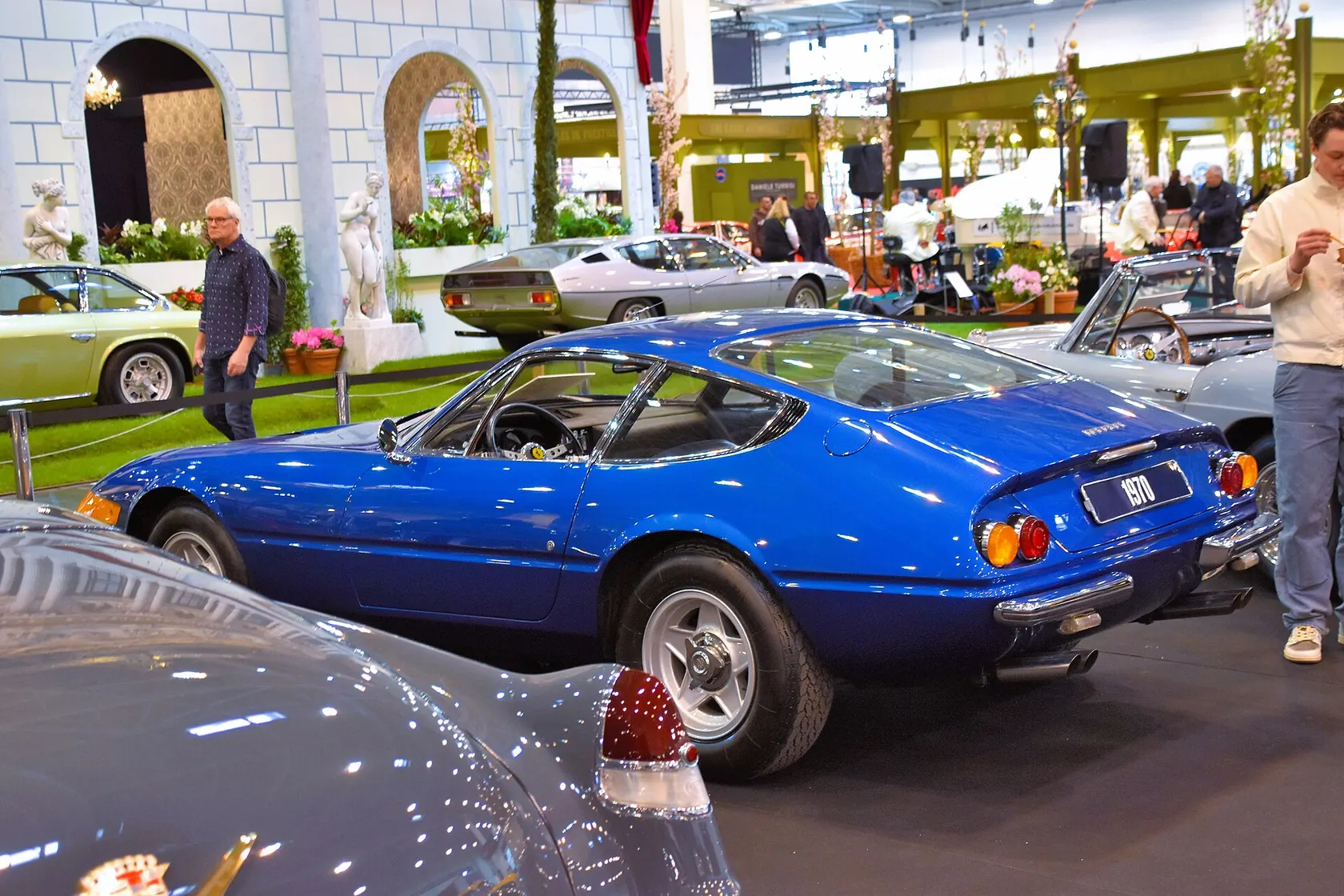
Officially the 365 GTB/4 and only unofficially Daytona, Ferrari’s 1968 flagship carried the front-engine V12 berlinetta into a sharper design era.
How rare is it?
A simple 1–5 rating based on completed worldwide production for this exact version. Price and desirability are not included.
Rare
Published production observation
- Figure type
- Exact
- Scope
- 365 GTB/4 berlinettas; excludes 365 GTS/4 Spiders
- Geography / date
- Global · 1968–1973
How the rating works
The rating uses five fixed production bands. Smaller production runs receive higher ratings. Exact totals and responsibly sourced estimates for this precise version can be rated. Plans, regional totals, lower bounds, disputed figures and broader-family totals remain visible but unclassified. The evidence description is kept separate from the rating so a source limitation cannot change how scarcity is measured.
- 5/5Fewer than 25 builtUltra rare
- 4/525 to 249 builtVery rare
- 3/5250 to 2,499 builtRare
- 2/52,500 to 24,999 builtLimited production
- 1/525,000 or more builtSeries production
At a glance
What creates the sound
Mechanical, induction, combustion, transmission and exhaust sound should be documented separately where practical.
A factory-stock claim requires evidence for engine, fuel system, intake, gearbox and exhaust.
Open-licence recordings with incomplete configuration evidence may publish only as Unregistered.
- 60-degree V12 architecture
- A four-cam 4.4-litre V12, rear-mounted transaxle and independent suspension preserved Ferrari’s front-engine GT formula beneath a new fastback body.
- 5-speed manual transaxle with rear-wheel drive
History and character
Origins and context
365 GTB/4 (Tipo 251) records one precise Ferrari performance-car identity from 1968–1973. Officially the 365 GTB/4 and only unofficially Daytona, Ferrari’s 1968 flagship carried the front-engine V12 berlinetta into a sharper design era.
The mechanical centre is a naturally aspirated 4,390 cc 60-degree V12 identified as Tipo 251. The reviewed sources support 259 kW (352 PS). A four-cam 4.4-litre V12, rear-mounted transaxle and independent suspension preserved Ferrari’s front-engine GT formula beneath a new fastback body. Figures from a neighbouring road, racing or later derivative are not substituted when they sound plausible.
Power reaches the rear wheels through a 5-speed manual transaxle. Engine position, firing order, induction, driveline placement and gearing all shape what a recorder can capture. A useful submission therefore identifies the exact car, operating state and recording chain rather than offering an anonymous V12 or four-cylinder clip whose badge cannot be verified.
Engineering and character
In this published sequence it follows the 275 GTB/4 (GTB/4), retaining a recognisable idea while changing the documented product boundary. Ferrari repeatedly evolved its front-engine berlinettas through chassis, valve gear, displacement and competition purpose. Keeping those changes separate preserves both historical meaning and the usefulness of future sound comparisons.
The listening cues four-cam, 4.4-litre V12, grand touring, transaxle are orientation rather than evidence. A cold start may reveal cranking, carburetion or injection behaviour and settling idle; acceleration can capture induction, combustion and gear changes under load; a fly-by moves emphasis toward exhaust, tyres and the acoustic environment. Each view documents a different part of the same factory configuration.
The focus here is the 365 GTB/4 berlinetta across Perspex and retractable-headlamp phases. It excludes the factory 365 GTS/4 Spider, competition cars, conversions and replicas. Survivors may also carry replacement engines, exhausts, carburettor changes, revised gearing or period competition modifications.
Legacy and identity
This page consequently starts silent instead of borrowing a famous video or a weakly identified recording.
The documentary photograph follows the same rule. The image illustrates the model but does not prove the chassis, original mechanical state or specification of every surviving example.
Full enrichment means leaving uncertainty visible. Manufacturer material establishes the primary identity and technical baseline, while independent exact-model reporting supplies a check on production and configuration language. Claim dispositions keep those roles distinct, so later evidence can refine one statement without rewriting the entire passport or weakening the contribution trail. That structure also gives future contributors a clear indication of which assertion still needs stronger primary evidence.
Model identity
The focus here is the 365 GTB/4 berlinetta across Perspex and retractable-headlamp phases. It excludes the factory 365 GTS/4 Spider, competition cars, conversions and replicas.
Why it matters
Officially the 365 GTB/4 and only unofficially Daytona, Ferrari’s 1968 flagship carried the front-engine V12 berlinetta into a sharper design era.
Model lineage
1959–1968 · 4 documented milestones
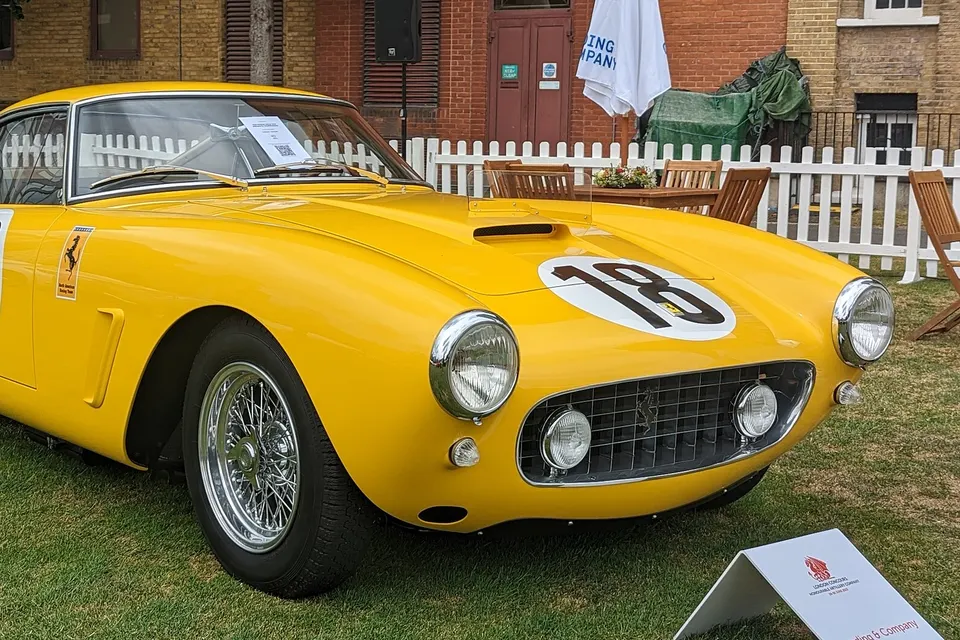
Photo: Calreyn88 · CC BY-SA 4.0 · resized and cropped 1959250 GT Berlinetta passo corto (SWB)The passo corto joined road usability and serious competition intent in the short-wheelbase platform from which Ferrari developed the 250 GTO.[5]→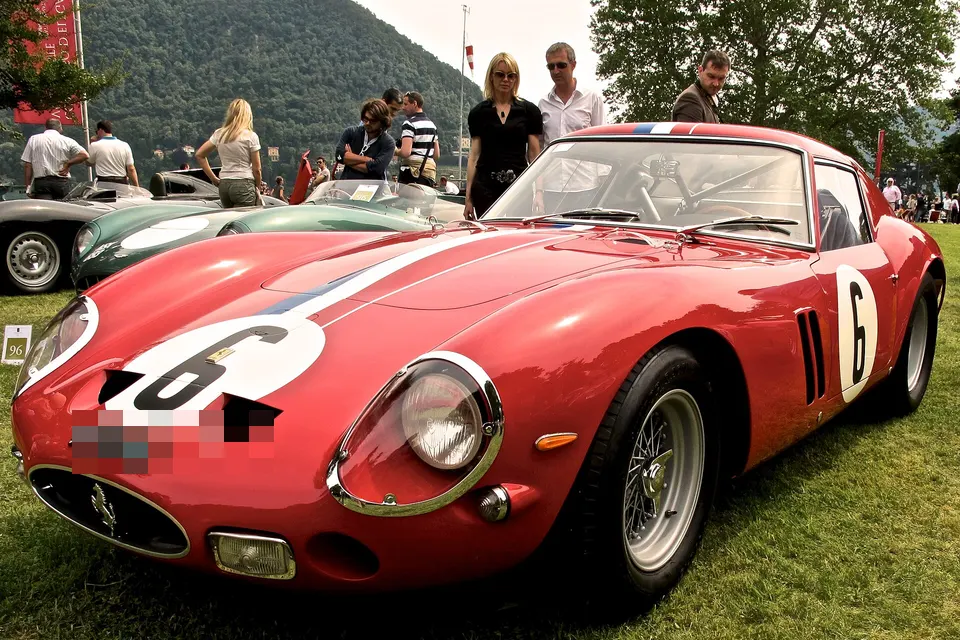
Photo: Luca Terzaroli · CC BY 2.0 · resized and cropped · Registration identifier pixelated for privacy. 1962250 GTO (3.0)The three-litre 250 GTO combined homologated road identity with a competition programme that delivered three consecutive GT manufacturers’ championships.[5]→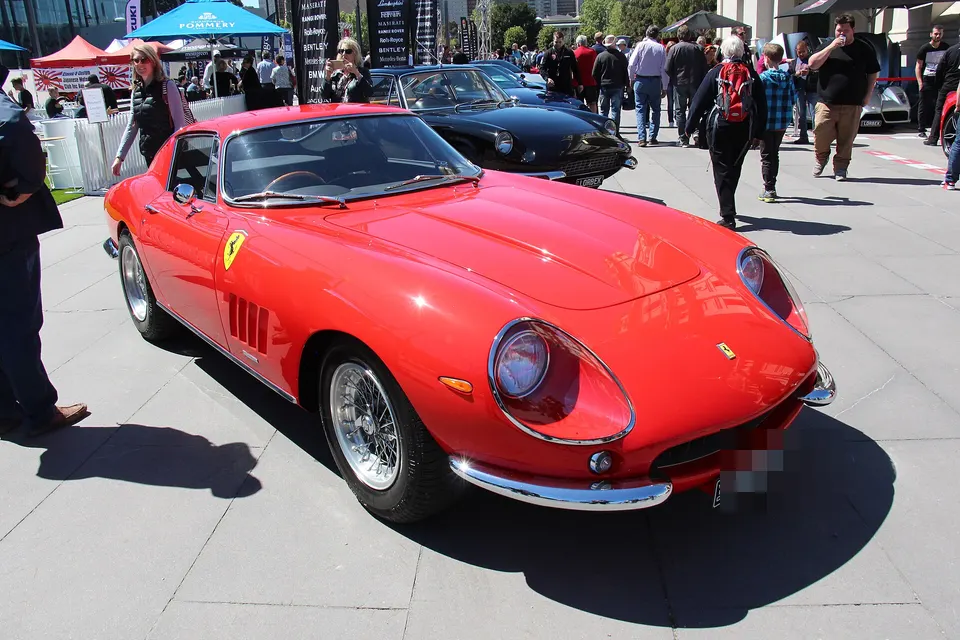
Photo: Sicnag · CC BY 2.0 · resized and cropped · Visible plate identifier pixelated for privacy. 1966275 GTB/4 (GTB/4)The 275 GTB/4 introduced a four-cam V12 to Ferrari’s series-production road cars while retaining independent suspension and rear-transaxle balance.[5]→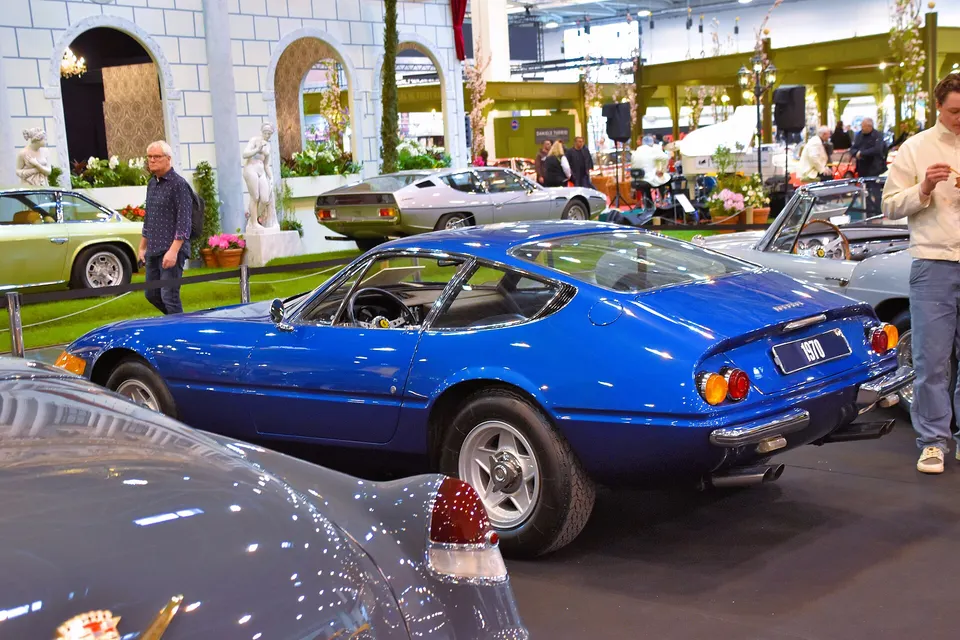
Photo: Charles from Port Chester, New York · CC BY 2.0 · resized and cropped 1968365 GTB/4 (Daytona)Officially the 365 GTB/4 and only unofficially Daytona, Ferrari’s 1968 flagship carried the front-engine V12 berlinetta into a sharper design era.[5]


Help us hear this car
Share a properly licensed recording of this exact model. Stock and modified cars are both welcome when their configuration is described clearly.
- Cold start
- Acceleration
- Fly-by
Authoritative films
Links pass directly to YouTube. The archive does not host, copy or embed these films.
References
- 01365 GTB4Ferrari · accessed 21 September 2026
- 02Tribute to the triumph: 365 GTB4 presentedFerrari · accessed 21 September 2026
- 031973 Ferrari 365 GTB/4 Daytona Berlinetta by ScagliettiRM Sotheby's · accessed 21 September 2026
- 041971 Ferrari 365 GTB/4 Daytona Berlinetta by ScagliettiRM Sotheby's · accessed 21 September 2026
- 05Ferrari Museum Maranello exhibition openingFerrari · accessed 21 September 2026