2,936 cc 90° V8 · twin IHI turbochargersLongitudinal rear-mid engine, rear-wheel driveTopology diagram · not to scale · based on the cited primary sources
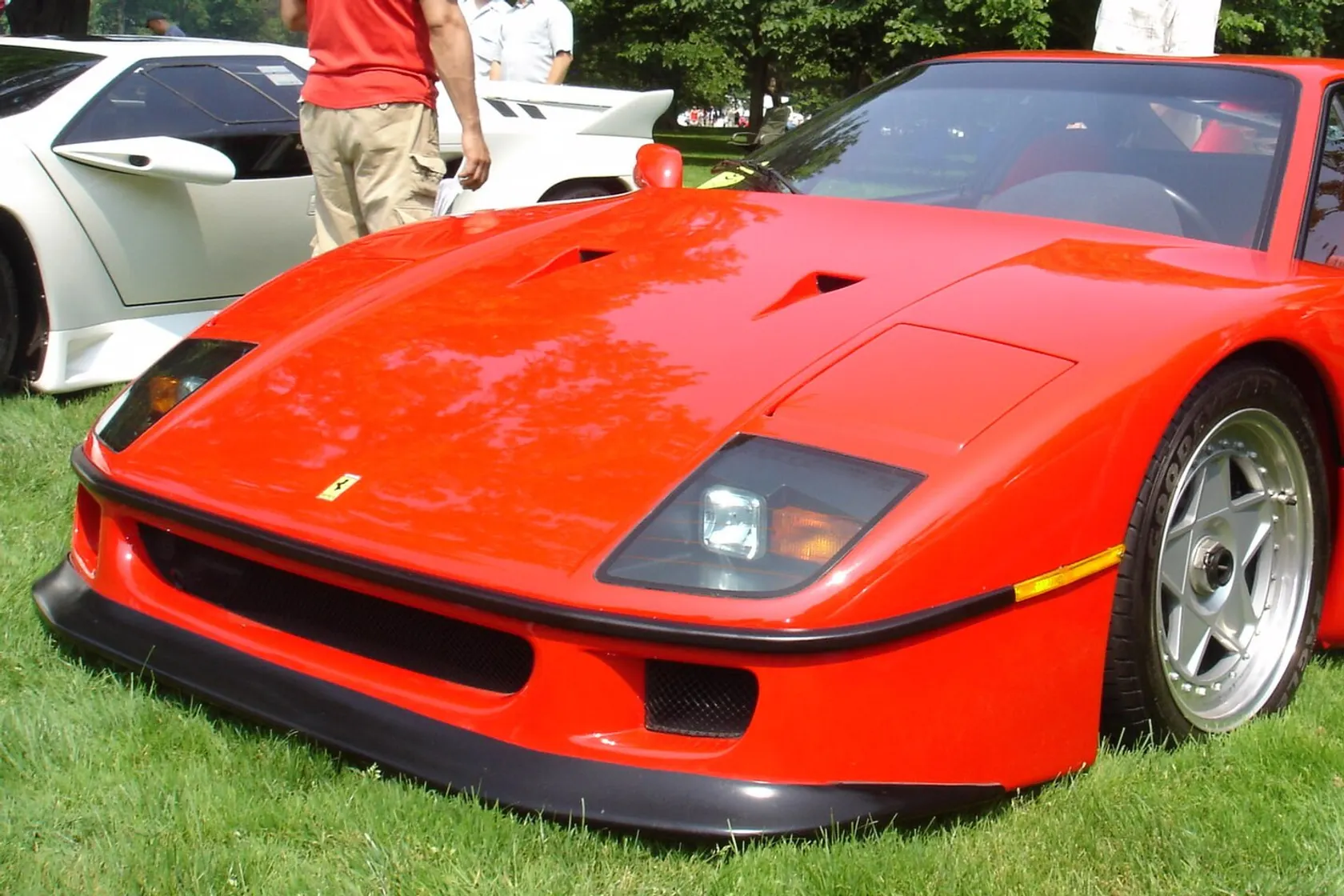
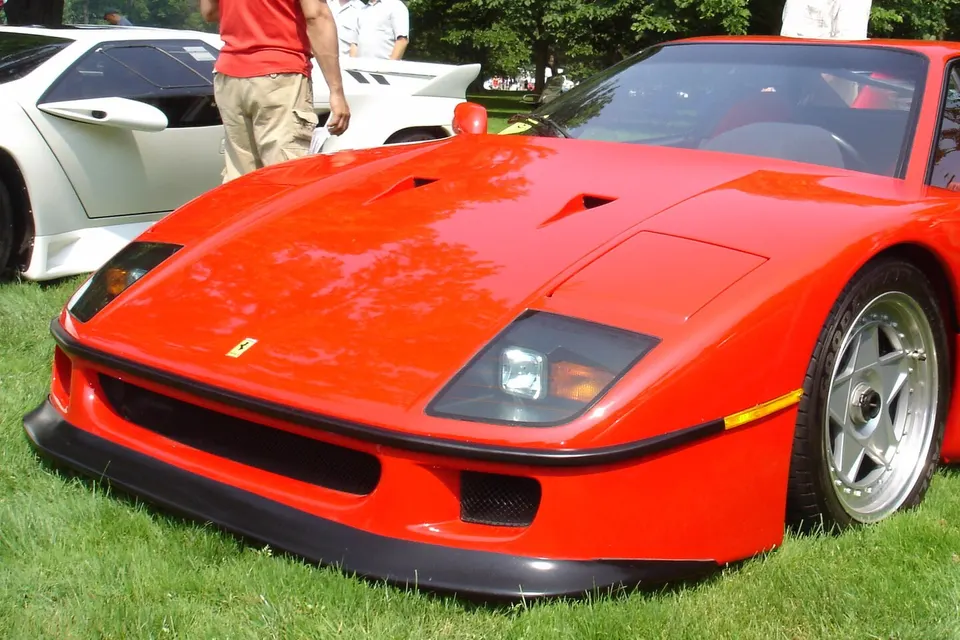
F40 is Ferrari’s 1987–1992 gto-derived turbo philosophy with a new aerodynamic body, preserved here as an exact factory road-car passport rather than a generic supercar profile.
R / production rarity
How rare is it?
A simple 1–5 rating based on completed worldwide production for this exact version. Price and desirability are not included.
Rarity ratingNot availableNo comparable worldwide production total
Production bandNot available
Production evidenceConflicting evidence
ProducedWorldwide total used for the rating1,315
Published road-car total in the auction catalogue
Figure type
Disputed
Scope
Production F40 road cars; factory sources state more than 1,300 while published totals vary
The rating uses five fixed production bands. Smaller production runs receive higher ratings. Exact totals and responsibly sourced estimates for this precise version can be rated. Plans, regional totals, lower bounds, disputed figures and broader-family totals remain visible but unclassified. The evidence description is kept separate from the rating so a source limitation cannot change how scarcity is measured.
5/5Fewer than 25 builtUltra rare
4/525 to 249 builtVery rare
3/5250 to 2,499 builtRare
2/52,500 to 24,999 builtLimited production
1/525,000 or more builtSeries production
Recorded sales
Documented sales
Prices never affect the rarity rating.
Sold$3,580,0002025 · RM Sotheby's · Miami
Auction result
Exact road model · 1991 US-market F40
Published sale total; buyer premium included by the auction house.
Ferrari presented the F40 in 1987 to mark the company’s fortieth anniversary. It became the final new road car shown under Enzo Ferrari’s direct oversight and, in Ferrari’s own historical account, the second member of the limited-series supercar bloodline begun by the GTO. The name is unusually literal—F for Ferrari and 40 for the anniversary—yet the car’s significance is not ceremonial. Its form, mass and performance made the preceding GTO philosophy more visible and uncompromising while abandoning the need to resemble an existing series-production berlinetta.
The longitudinal 90-degree V8 developed the GTO’s turbo architecture but grew to 2,936.25 cc. Two IHI turbochargers and intercoolers supported 351.5 kW, or 478 cv, at 7,000 rpm and Ferrari’s lineage account records 577 Nm. Power still reached the rear wheels through a five-speed manual gearbox. Ferrari quoted 324 km/h, making the F40 the first production road car claimed to exceed 200 mph. That headline only makes sense beside its light construction and the forceful boost delivery of an engine conceived before electronic torque shaping became routine.
Pininfarina’s body was extensively wind-tunnel developed, with a low nose, ducts, flat surfaces and fixed rear wing managing airflow rather than serving as applied decoration. Ferrari combined a tubular steel central structure with bonded composite reinforcement; carbon fibre was used for the doors, bonnet and rear cover, and the outer panels included lightweight composites. The cabin stripped away much of the equipment expected in an expensive road car. Sliding windows and fixed composite seats on early specifications were statements of purpose, but market and production changes mean an individual F40 must be documented rather than judged from a generic checklist.
Engineering and character
Published F40 weights frequently conflict because sources mix dry and kerb definitions, optional equipment and regional cars. Ferrari’s fortieth-anniversary history gives 1,100 kg, while a later factory retrospective describes 1,250 kg dry. RedlineCodex preserves the stated source context instead of manufacturing one universal answer. The same caution applies to catalyst fitment and fuel systems across markets. The useful question is not which online number wins, but which factory specification, market and measurement convention match the particular car or recording being described.
Acoustically, the F40 is inseparable from its sparse structure. A flat-plane-crank V8 produces a rapid, even exhaust rhythm, but boost pressure, compressor movement and wastegate events dominate the transitions into full load. The five-speed transmission and manual clutch interrupt that pressure in a way no paddle-shift successor reproduces. Thin trim admits pumps, gears, stones and tyre roar. A premium sound record must identify catalyst market, silencers, turbo hardware and boost calibration, since modified systems can make a celebrated F40 sound exciting while no longer answering the archival question.
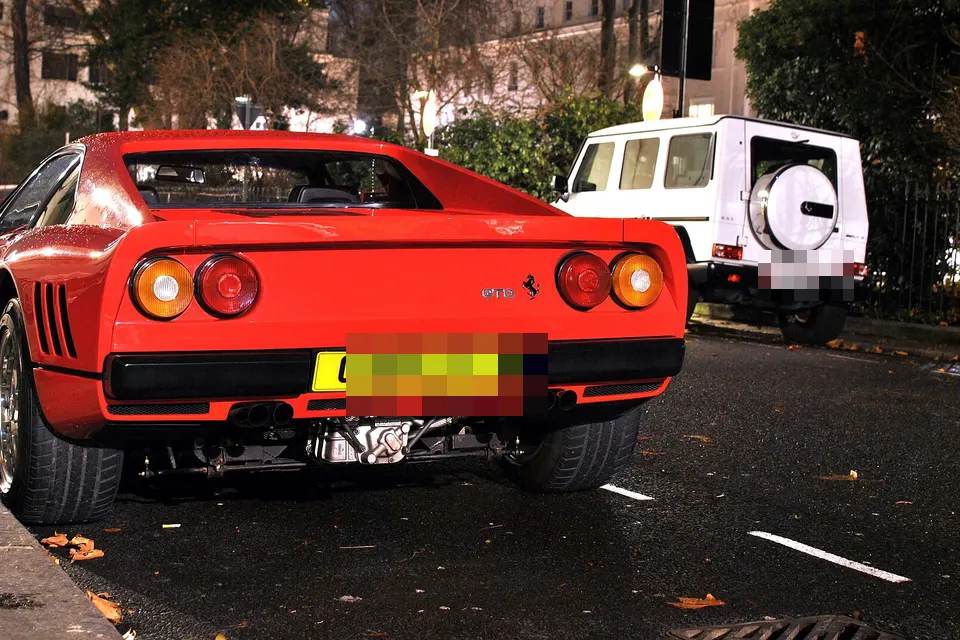
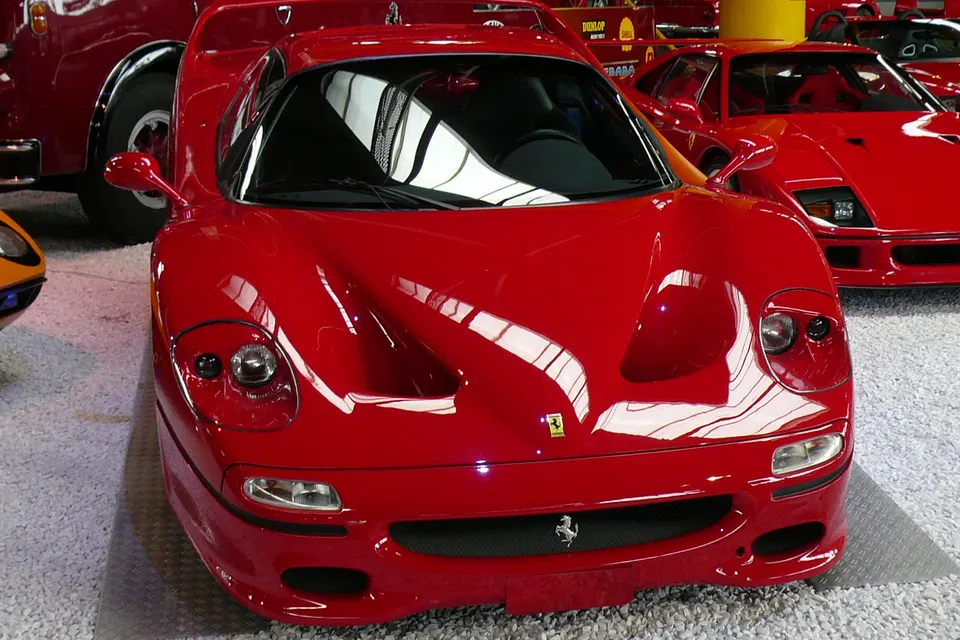
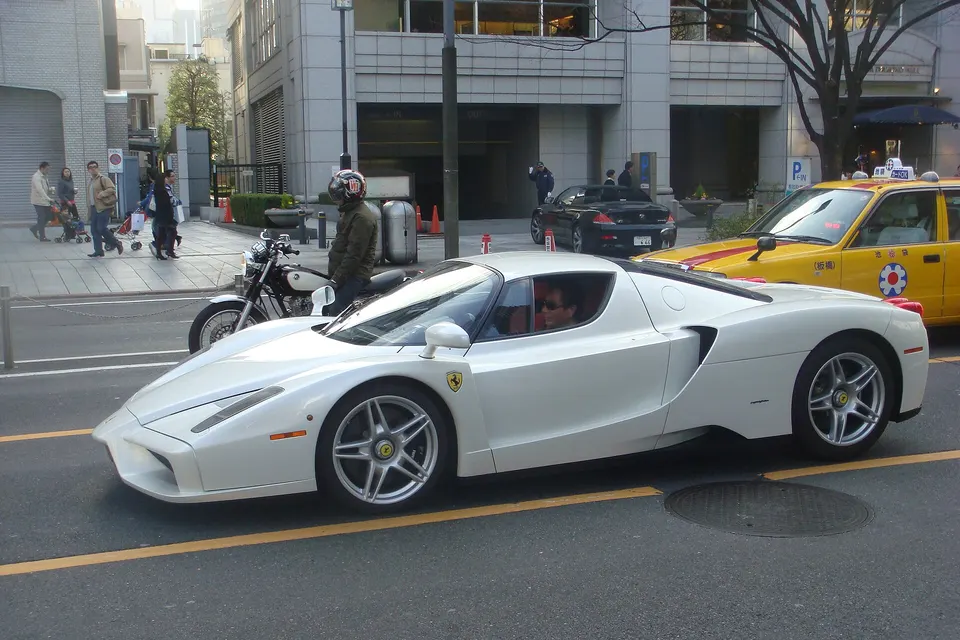
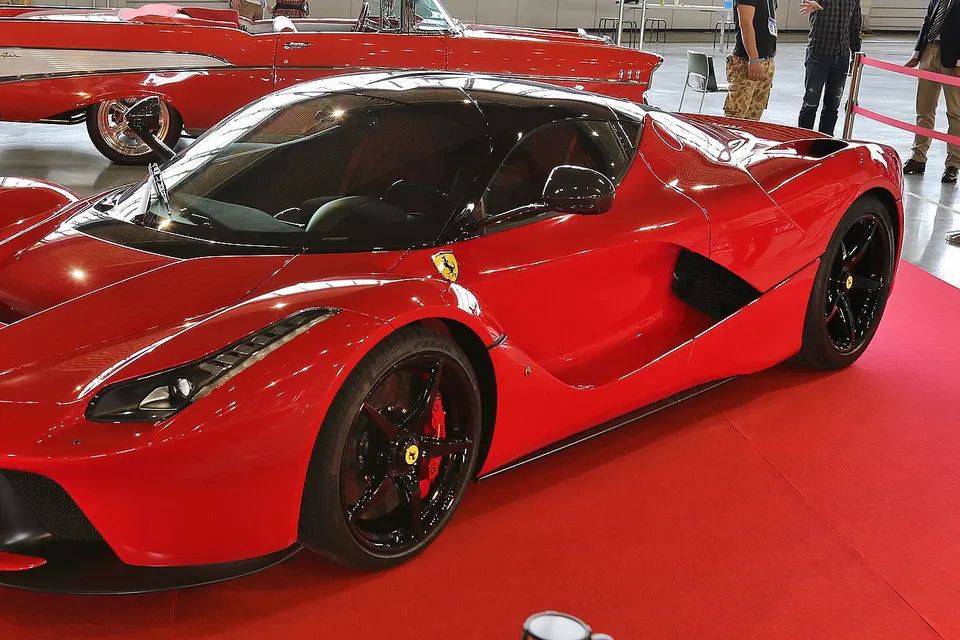
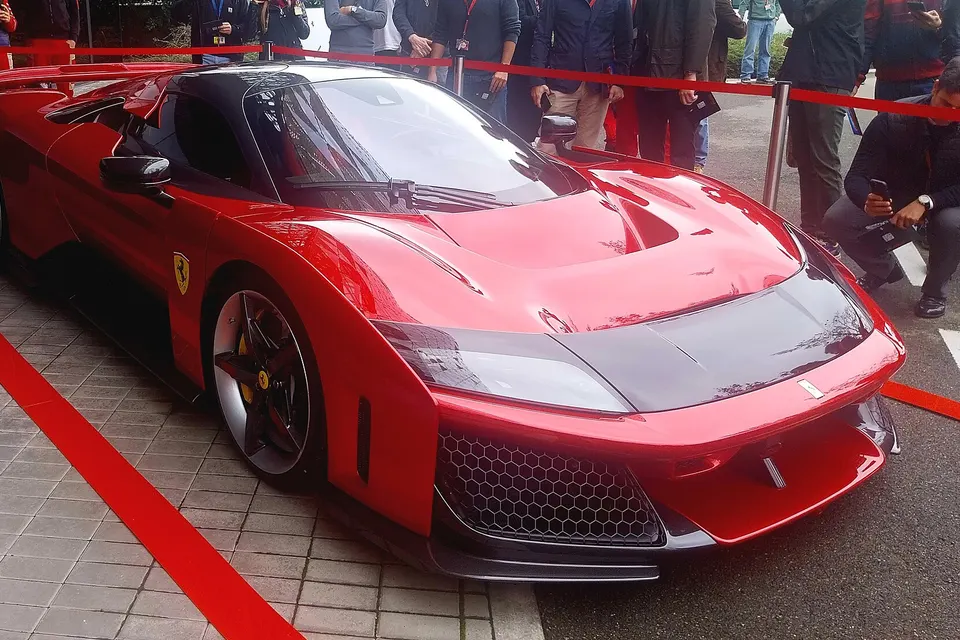
The F50 that followed in 1995 deliberately changed direction, replacing turbocharged V8 force with a naturally aspirated V12 derived from Ferrari’s 1990 Formula 1 engine concept. Enzo then added electronic integration and an electrohydraulic gearbox; LaFerrari and F80 made hybrid systems central. Seen in sequence, the F40 is the final and most extreme road development of the GTO’s analogue turbo approach. It does not need to imitate the later cars because its historical value lies in the minimal mediation between boost, a manual gearbox and a light rear-drive chassis.
Legacy and identity
It excludes F40 LM and Competizione racing developments, privately modified high-output cars and visual recreations. It also avoids treating every regional road version as mechanically identical. The 2,936 cc twin-turbo V8, five-speed manual and 478 cv factory output form the core identity; catalyst, fuel tank and trim details belong to the individual specification. That boundary turns an icon into a usable reference rather than another page of repeated superlatives.
01
Model lineage
Ferrari itself identifies GTO, F40, F50, Enzo Ferrari, LaFerrari and F80 as one six-car road-supercar sequence.
02
Road-car identity
The focus here is the production F40; racing, XX, open and modified derivatives require separate evidence.
04 / family tree
Model lineage
1984–2025 · 6 documented milestones
Photo: Ed Callow · CC BY 2.0 · resized and cropped · Registration identifiers pixelated for privacy.