
Aston Martin · V12 grand tourer · 1999
DB7 V12 Vantage
Recorded designation · V12 Vantage Coupe- Recorded designation
- V12 Vantage Coupe
- Engine / drive unit
- 5.9 L Aston Martin V12
- Archive no.
- 331
- Sources updated
- 3 October 2026
Help build this passport
Have a recording, source, correction, photo or missing detail for this exact car? Prepare a contribution with the Car ID already selected.
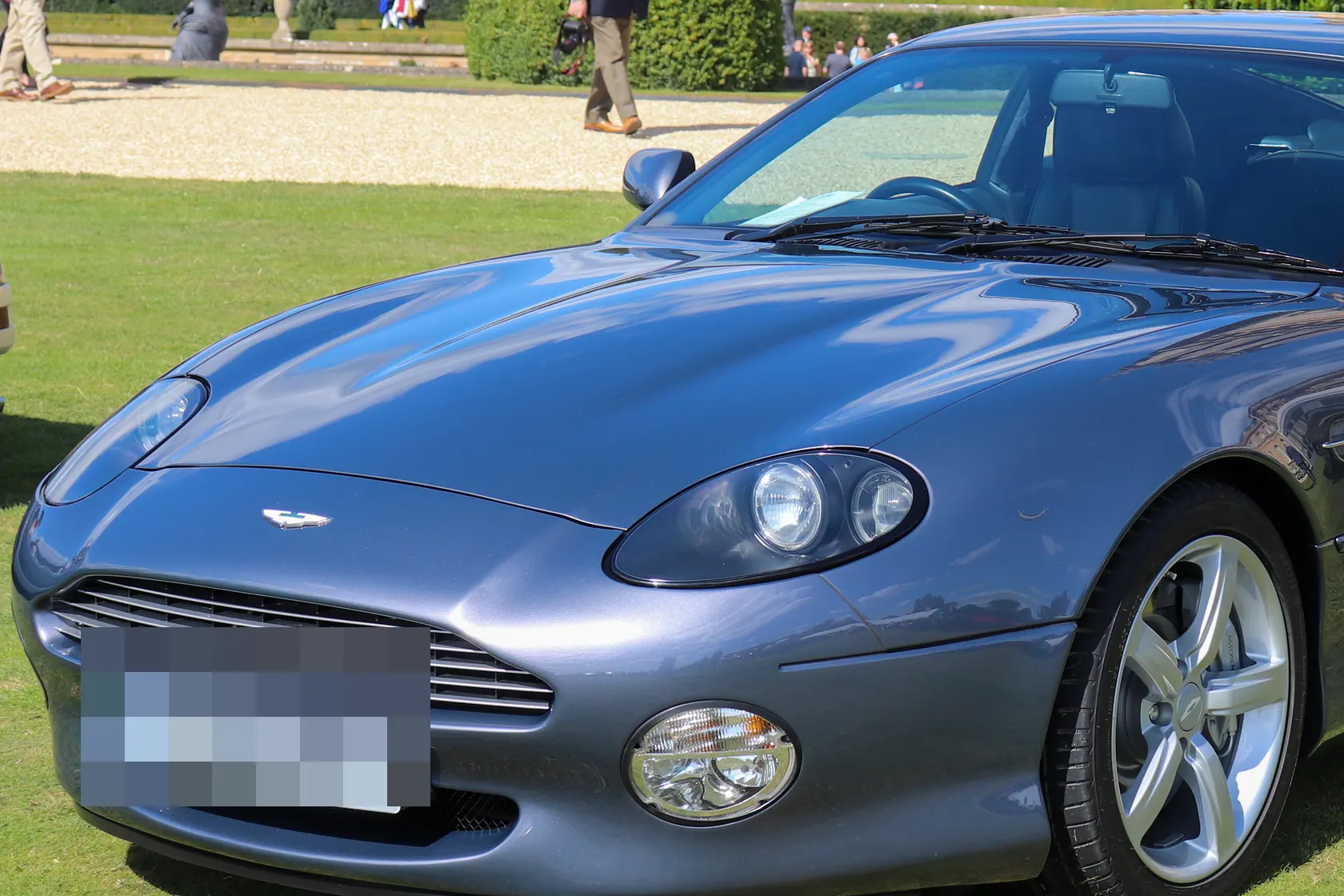
The DB7 V12 Vantage moved the DB7 from supercharged six-cylinder power to Aston Martin’s new production V12 and established the powertrain direction of the marque’s following generation.
How rare is it?
A simple 1–5 rating based on completed worldwide production for this exact version. Price and desirability are not included.
A reliable worldwide figure is not listed in the references.
How the rating works
The rating uses five fixed production bands. Smaller production runs receive higher ratings. Exact totals and responsibly sourced estimates for this precise version can be rated. Plans, regional totals, lower bounds, disputed figures and broader-family totals remain visible but unclassified. The evidence description is kept separate from the rating so a source limitation cannot change how scarcity is measured.
- 5/5Fewer than 25 builtUltra rare
- 4/525 to 249 builtVery rare
- 3/5250 to 2,499 builtRare
- 2/52,500 to 24,999 builtLimited production
- 1/525,000 or more builtSeries production
At a glance
What creates the sound
Mechanical, induction, transmission and exhaust sound are best documented separately.
Factory-stock status depends on engine, intake, forced induction, catalysts, gearbox and silencers.
Recordings with uncertain configuration remain visibly marked as Unregistered.
- V12 architecture
- The V12 Vantage installed Aston Martin’s 5,935 cc naturally aspirated V12 with revised cooling, chassis and braking hardware in the DB7 platform
- 6-speed manual with rear-wheel drive
History and character
Origins and context
The DB7 began life with a supercharged inline-six, but the V12 Vantage unveiled at Geneva in March 1999 changed both the model and Aston Martin’s near-term technical direction. The new engine brought twelve-cylinder power into the company’s regular production range, while the Vantage treatment required more than an engine exchange. Cooling, brakes, suspension and body details were developed to support the higher output and mass.
Aston Martin quoted 420 bhp and 400 lb-ft from 5,935 cc. Those figures convert to 313 kW, 426 PS and 542 Nm, while contemporary American coverage sometimes reports 414 hp under a different convention. The archive keeps the manufacturer’s stated bhp conversion rather than treating the numbers as contradictory tunes. Twelve cylinders, natural aspiration and a conventional manual gearbox give this version a distinct sound path: smooth low-order combustion, a dense induction note as load rises, and clear interruptions as the driver works through six ratios.
The V12 Vantage remained a front-engine grand tourer, not a lightweight sports car. Its 2+2 cabin, long bonnet and substantial roadgoing equipment shaped both performance and acoustic character. A cabin recording will capture driveline and intake detail that an exterior pass may conceal beneath exhaust energy and tyre noise. Conversely, a fly-by can show how the firing frequency builds with road speed. For useful comparison, contributors should identify whether the exhaust, catalysts, airboxes and manual driveline remain in factory configuration.
Engineering and character
The model name later expanded across several closely related DB7s. Aston Martin offered a Volante, an automatic coupe, and eventually the more powerful GT and GTA. Zagato and AR1 versions added separate bodies and production stories. They are not interchangeable with the 1999 manual launch coupe. Even the official statement that more than 4,000 Vantages were built appears to describe the broader V12 Vantage programme, not an audited total for this exact coupe and gearbox combination, so this page carries no numerical rarity claim.
Historically, the DB7 V12 Vantage links two eras. It retained the DB7’s platform and Ian Callum design language while introducing the engine family that would define the Vanquish and later Aston Martins. Its importance is therefore architectural as well as commercial. In the archive it should be compared with the earlier DB5 Vantage for the changing meaning of the badge, and with the 2009 V12 Vantage for the later move from a traditional 2+2 grand tourer to a compact two-seat sports-car package.
The Volante, automatic transmission, earlier supercharged inline-six DB7, 2002 GT and GTA, Zagato and AR1 are excluded. Similar names can cover different engines, transmissions, body styles and production programmes. Keeping those distinctions visible protects the technical record and prevents search traffic from turning a familiar badge into a blended specification that no single production car carried.
Legacy and identity
It works through a 6-speed manual with rear-wheel drive. Output units remain explicit because manufacturer and independent sources may use bhp, PS or regional horsepower conventions.
For sound documentation, the primary listening markers are naturally aspirated V12, twelve-cylinder induction, six-speed manual shifts, front-engine coupe resonance. A cold start must include the uninterrupted crank, first combustion and settling idle, with ambient temperature and vehicle state recorded. Acceleration and fly-by submissions need gear, load, road or closed-course context, microphone position and wind conditions. No recording should be described as factory stock until intake, forced-induction hardware, catalysts, gearbox and silencers have been evidenced.
Period photographs and badges can establish visual context, but they cannot prove mechanical originality. Restoration, service replacement and reversible modification are common across valuable performance cars. RevAtlas therefore records configuration component by component and keeps modified survivors useful without presenting them as untouched references.
Model identity
The focus here is the 1999 launch DB7 V12 Vantage Coupe with the six-speed manual gearbox. The Volante, automatic transmission, earlier supercharged inline-six DB7, 2002 GT and GTA, Zagato and AR1 are excluded.
Why it matters
The DB7 V12 Vantage moved the DB7 from supercharged six-cylinder power to Aston Martin’s new production V12 and established the powertrain direction of the marque’s following generation.
Model lineage
1994–1999 · 2 documented milestones
- No archive image1994Aston Martin DB7The original supercharged inline-six DB7 established the platform that the 1999 V12 Vantage substantially re-engineered.[4]→
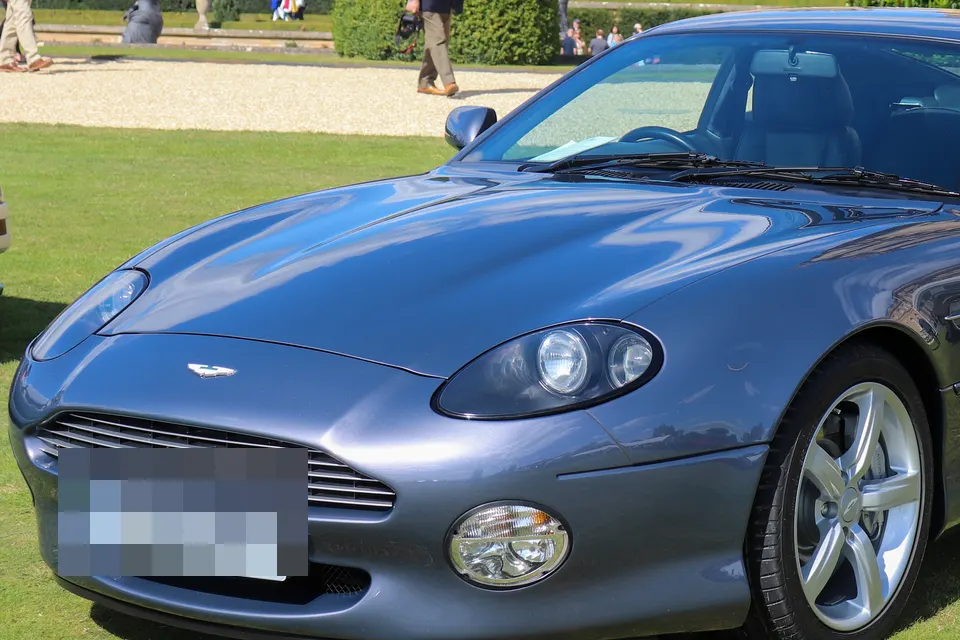
Photo: Vauxford · CC BY-SA 4.0 · resized and cropped · Registration identifier and identifiable bystanders pixelated for privacy.

Help us hear this car
Share a properly licensed recording of this exact model. Stock and modified cars are both welcome when their configuration is described clearly.
- Cold start
- Acceleration
- Fly-by
Authoritative films
Links pass directly to YouTube. The archive does not host, copy or embed these films.
References
- 01Aston Martin DB7 Vantage model historyAston Martin · accessed 3 October 2026
- 02Aston Martin DB7 Vantage comparison testCar and Driver · accessed 3 October 2026
- 03DB7 V12 Vantage media archiveAston Martin Lagonda · accessed 3 October 2026
- 04Aston Martin DB7 model historyAston Martin · accessed 3 October 2026