6,192 cc 60° V12 · electronic fuel injectionLongitudinal rear-mid engine, permanent all-wheel driveTopology diagram · not to scale · based on the cited primary sources
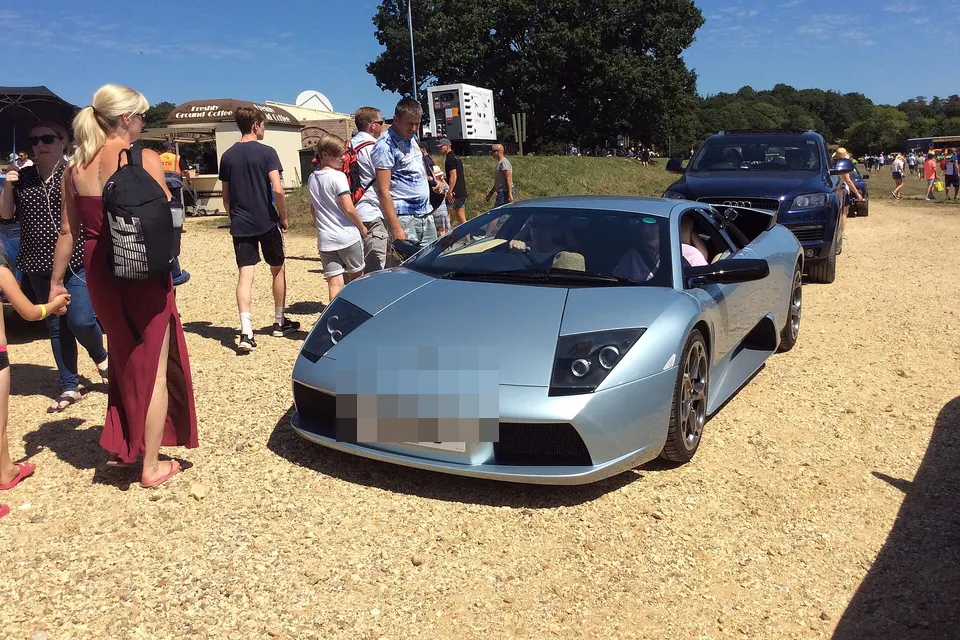
Murciélago is Lamborghini’s 2001–2006 the first new audi-era v12 flagship and standard all-wheel drive, preserved here as an exact factory road-car passport rather than a blended model-family profile.
R / production rarity
How rare is it?
A simple 1–5 rating based on completed worldwide production for this exact version. Price and desirability are not included.
Rarity ratingNot availableNo comparable worldwide production total
Production bandNot available
Production evidenceBroader-family evidence
ProducedWorldwide total used for the rating4,099
Completed Murciélago-family production
Figure type
Broader scope
Scope
All Murciélago coupé, roadster and later LP derivatives; exact 6.2-litre launch-coupé count not isolated
The rating uses five fixed production bands. Smaller production runs receive higher ratings. Exact totals and responsibly sourced estimates for this precise version can be rated. Plans, regional totals, lower bounds, disputed figures and broader-family totals remain visible but unclassified. The evidence description is kept separate from the rating so a source limitation cannot change how scarcity is measured.
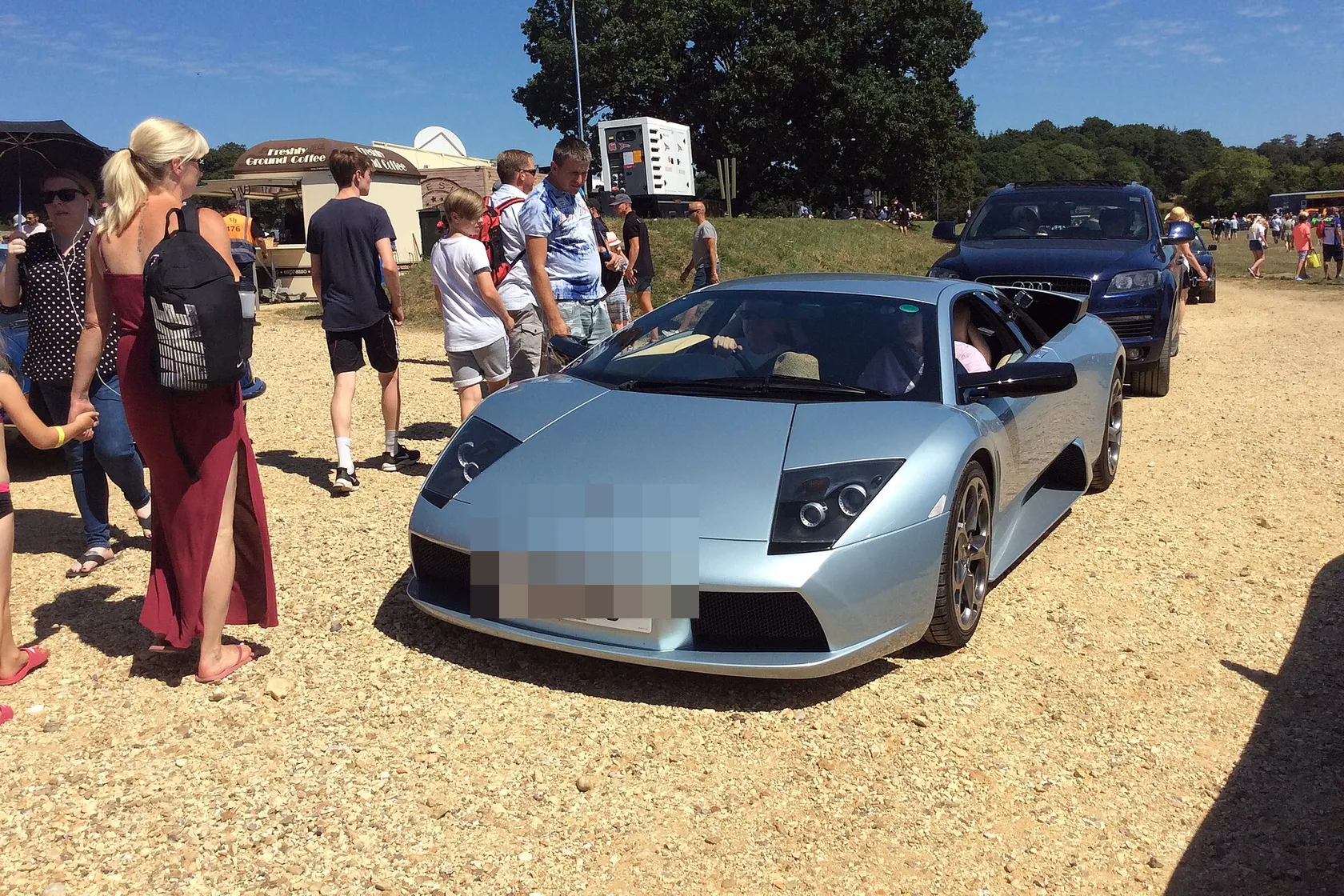
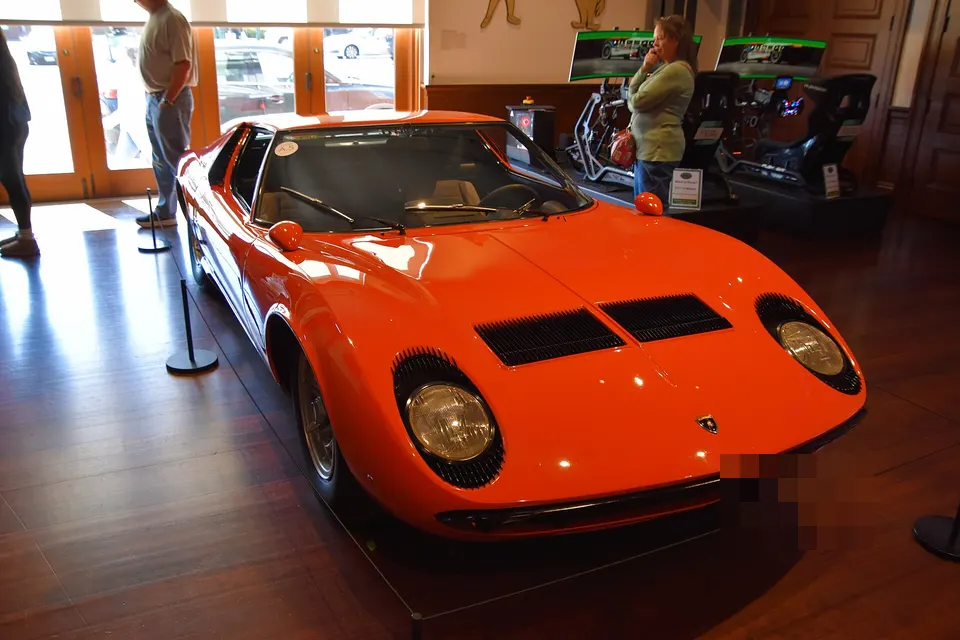
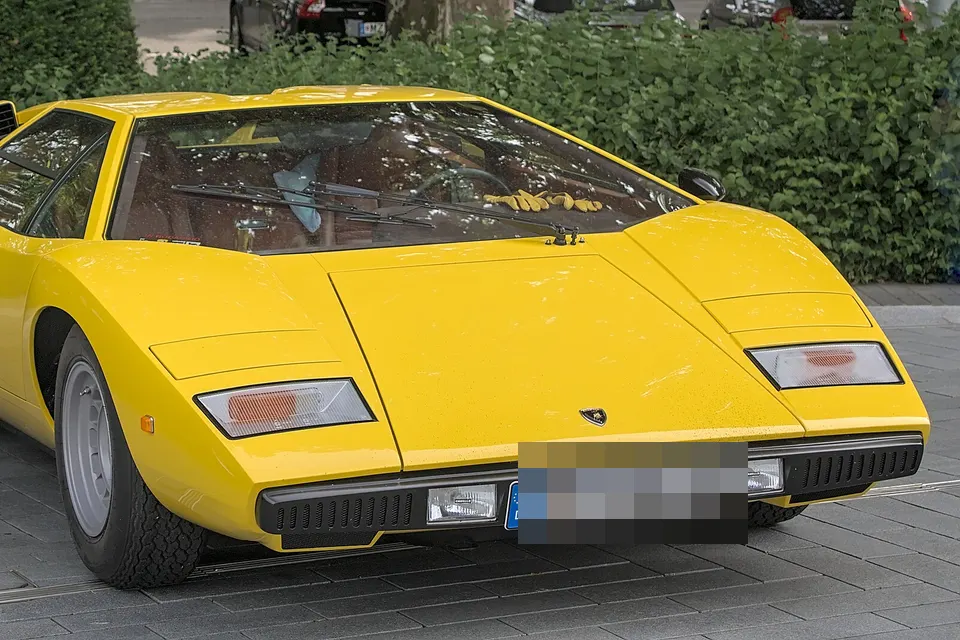
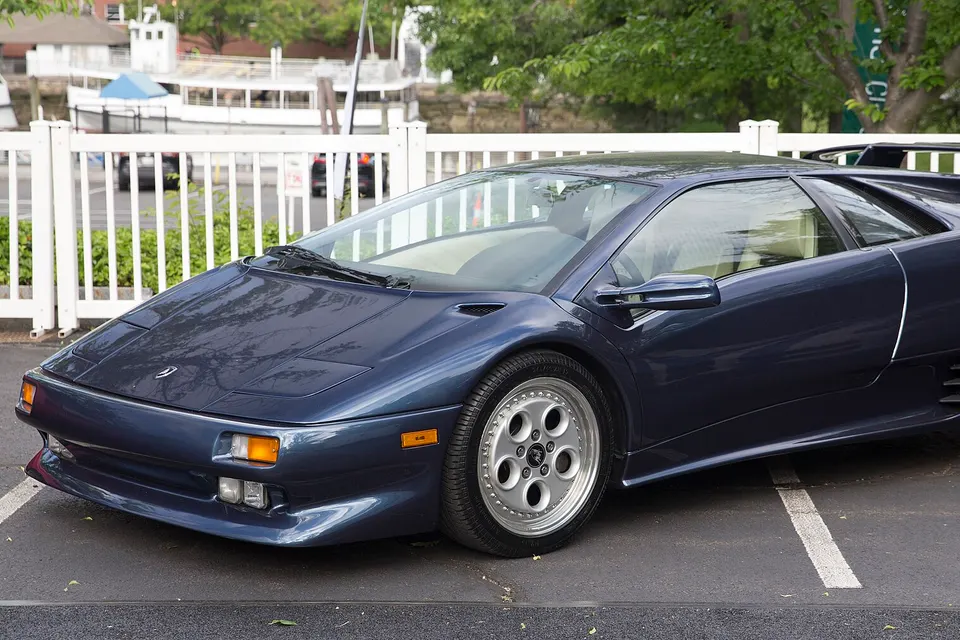
The Murciélago debuted at the Frankfurt Motor Show in September 2001 as Lamborghini’s first new V12 flagship of the century and the first all-new model developed after Audi acquired the company. Luc Donckerwolke’s design retained scissor doors and the traditional low silhouette while using active rear cooling apertures and surfaces that acknowledged Miura, Countach and Diablo without copying them. Lamborghini’s milestones describe it as the model that consolidated production and international presence under the new ownership. The focus here is the original 6.2-litre coupé, not the later LP640 family.
Its naturally aspirated V12 displaced 6.2 litres and Lamborghini records 580 CV at 7,200 rpm with a 330 km/h maximum speed. The engine remained an evolution of the historic Lamborghini V12 family rather than the clean-sheet unit that would arrive in Aventador. A six-speed gated manual was the launch transmission, located ahead of the engine in the established layout. Permanent all-wheel drive used a central viscous coupling, making driven-wheel identity fundamentally different from the original rear-drive Diablo even before electronic controls are considered.
The steel-tube chassis used carbon-fibre body components, while electronically controlled aerodynamic and cooling elements adjusted to operating need. Improved production quality and ergonomics did not turn the car into an ordinary grand tourer; they changed how extreme architecture could be delivered and serviced. E-gear became available later within the 6.2 era, creating a second transmission identity. A premium record therefore states build year and gearbox explicitly rather than presenting the rarer gated manual or the automated option as universal.
Engineering and character
The cited factory history follows the engine through 6.2-litre launch form, 6.5-litre LP640 and LP650-4 Roadster, and finally the 670 CV LP670-4 SuperVeloce. Those figures show progression but are not interchangeable. The same applies to total production numbers commonly quoted for the complete Murciélago family. RedlineCodex does not assign a family total to this 6.2 coupé because the Lamborghini page used here does not isolate that configuration. Exactness sometimes means publishing less rather than inventing certainty.
The original Murciélago sound combines a broad naturally aspirated V12 range with a permanent front driveline and close mechanical gearbox. Intake and tailpipe remain dominant, while viscous coupling, differentials and tyre state add load-dependent layers. E-gear produces a different shift event from the gated manual, and LP640 exhaust and engine changes alter both level and frequency. Any accepted capture needs transmission, exhaust, catalysts, drive system, engine management phase and temperature logged alongside the model name.
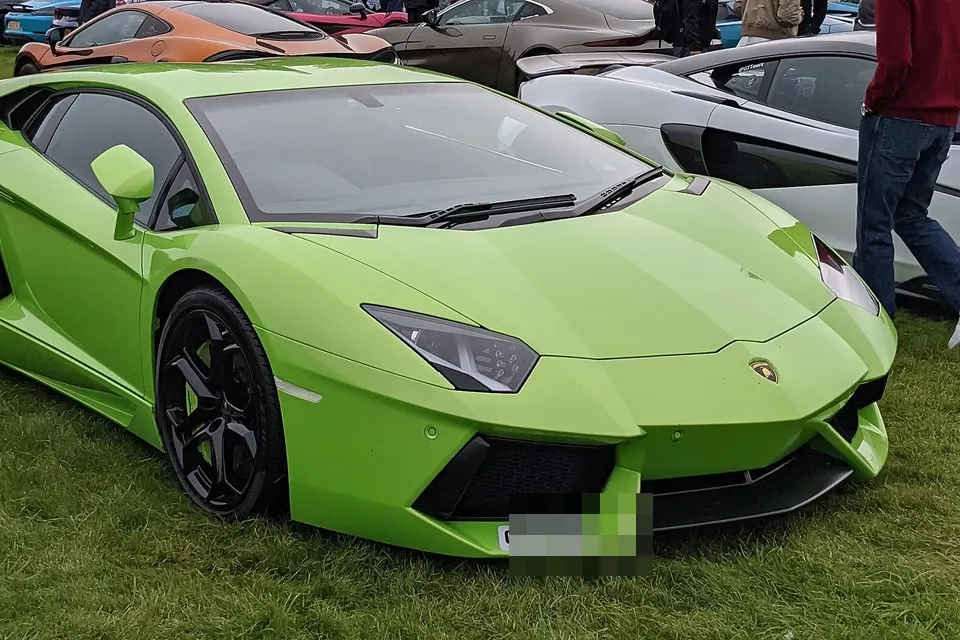
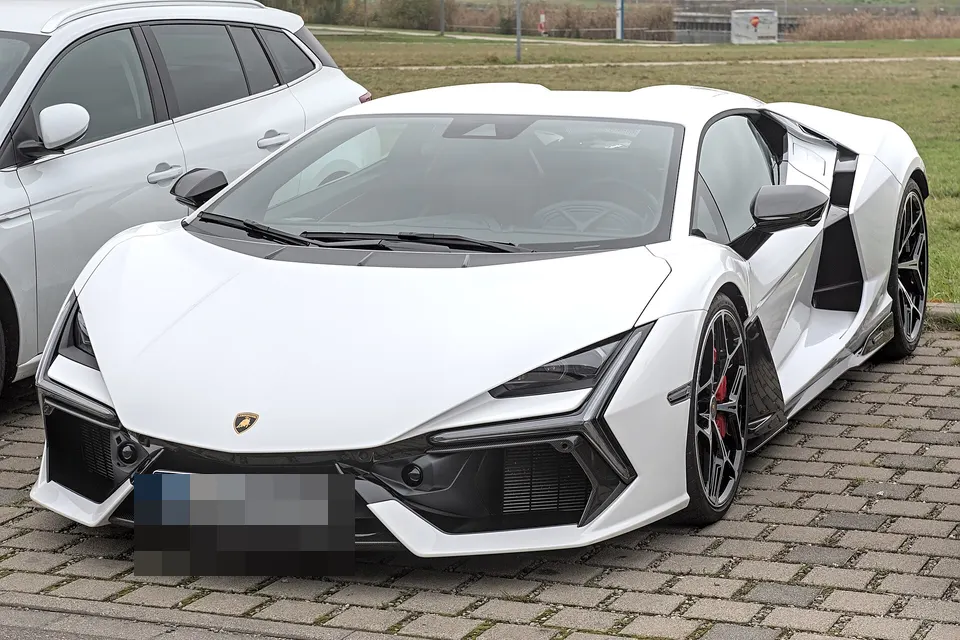
Aventador succeeded Murciélago in 2011 with a completely new 6.5-litre V12, carbon monocoque and seven-speed ISR automated manual. Revuelto later added a plug-in battery, electric front axle and dual-clutch transmission. Murciélago is therefore the final series flagship powered by the engine family that began Lamborghini’s road-car story, but also the first flagship in which all-wheel drive and Audi-era development discipline formed the normal production baseline. That two-sided identity explains its position more accurately than treating it as merely a rounded-off Diablo.
Legacy and identity
The focus here is the 2001–2006 Murciélago 6.2 coupé in launch manual specification, with later e-gear recorded only when a specific car carries it. It excludes the Roadster, LP640, LP650-4 Roadster and LP670-4 SuperVeloce. Its 6,192 cc V12, 580 CV rating, permanent all-wheel drive and six-speed transmission define the comparison boundary. Preserving the accent in Murciélago and the 6.2 phase in search metadata helps both discovery and the specialist task of separating visually similar cars with materially different engines and gearboxes.
01
V12 lineage
Lamborghini identifies Miura, Countach, Diablo, Murciélago, Aventador and Revuelto as successive carriers of its mid-engine supercar legacy.
02
Launch model
The focus here is the production Murciélago; later S, SV, VT, roadster and racing derivatives require separate evidence.