3,929 cc 60° V12 · four Weber carburettorsTransverse rear-mid engine, rear-wheel driveTopology diagram · not to scale · based on the cited primary sources
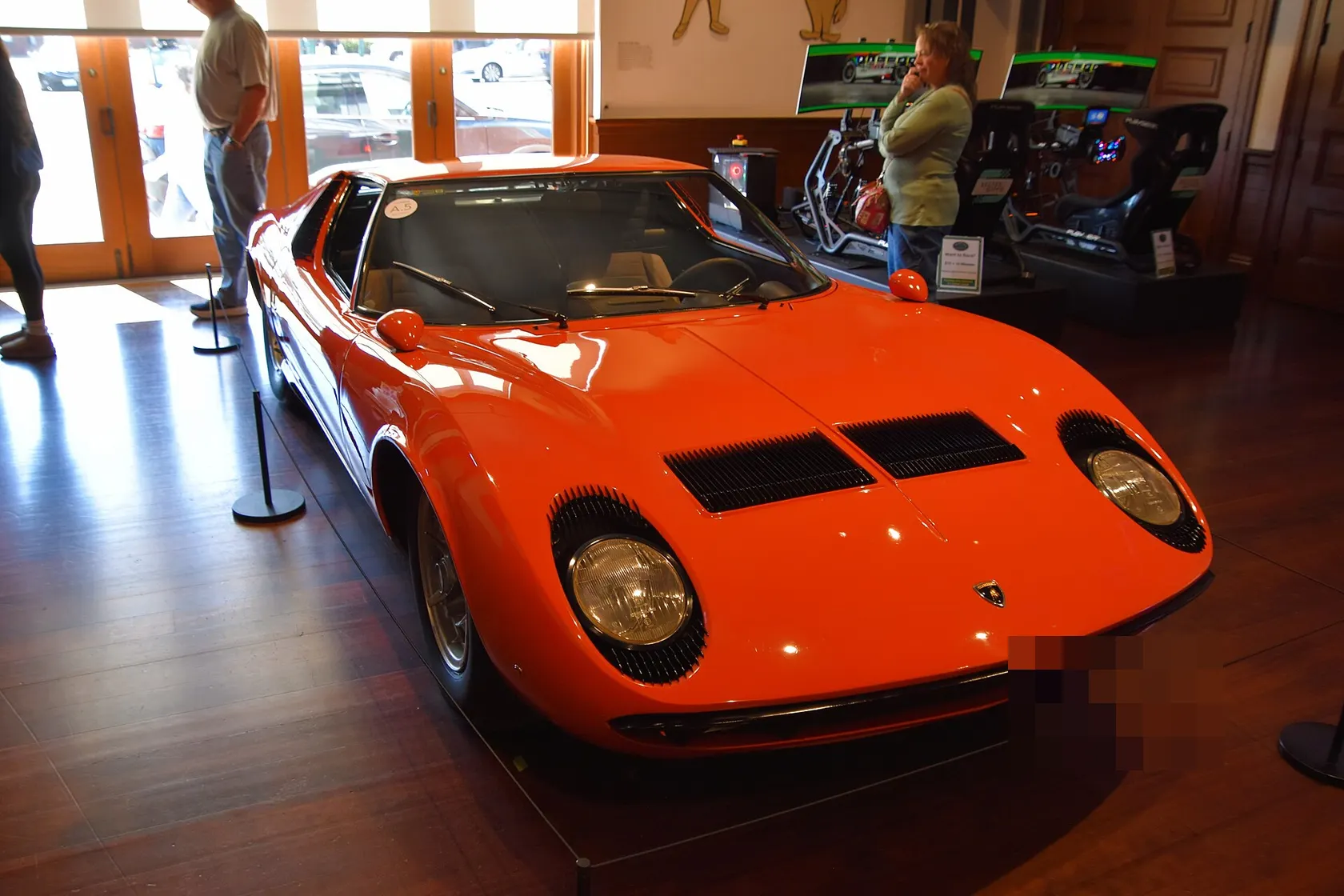
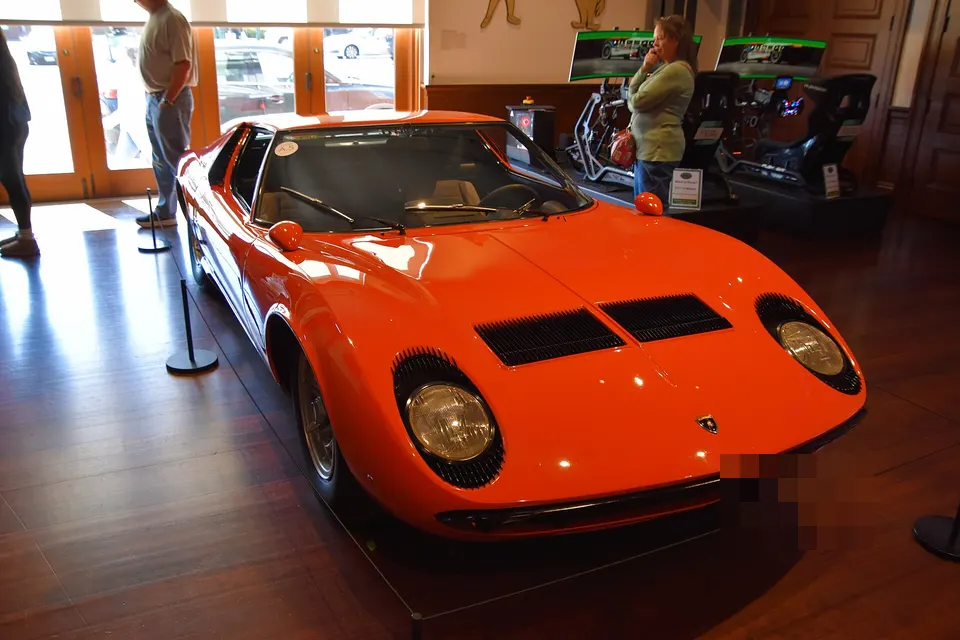
Miura P400 is Lamborghini’s 1966–1968 the first mid-engine lamborghini and origin of the line, preserved here as an exact factory road-car passport rather than a blended model-family profile.
R / production rarity
How rare is it?
A simple 1–5 rating based on completed worldwide production for this exact version. Price and desirability are not included.
The rating uses five fixed production bands. Smaller production runs receive higher ratings. Exact totals and responsibly sourced estimates for this precise version can be rated. Plans, regional totals, lower bounds, disputed figures and broader-family totals remain visible but unclassified. The evidence description is kept separate from the rating so a source limitation cannot change how scarcity is measured.
5/5Fewer than 25 builtUltra rare
4/525 to 249 builtVery rare
3/5250 to 2,499 builtRare
2/52,500 to 24,999 builtLimited production
1/525,000 or more builtSeries production
Recorded sales
Documented sales
Prices never affect the rarity rating.
Sold$1,325,0002024 · RM Sotheby's · The Rudi Klein Collection
Auction result
Exact P400 model · 1968 Miura · long-term stored project
Published sale total. The lot describes 275 P400s while Lamborghini’s model biography states 265. The auction addendum also says the four-digit identity could not be wholly confirmed against title-system records; condition and identity limits are material.
Lamborghini presented the production Miura P400 at the Geneva Motor Show in March 1966, only three years after the company was founded. The car broke with Lamborghini’s front-engined grand-touring pattern by placing its V12 transversely behind the occupants and ahead of the rear wheels. Lamborghini’s own history calls it the first model that observers described as a supercar. That label matters less as a marketing first than as a description of what changed: a road car adopted the proportions, mass distribution and visual drama of a mid-engined competition machine without becoming a homologation special.
The P400 project began with a rolling chassis developed by Gian Paolo Dallara, Paolo Stanzani and Bob Wallace. Marcello Gandini’s body for Bertone enclosed it in a remarkably low shape, with the roof only about 1.1 metres above the ground. The transverse layout kept the wheelbase short, but it forced the engine, five-speed gearbox and differential into an unusually integrated package. The P in P400 identifies the rear position of the engine and 400 refers to its nominal four-litre capacity; those identifiers distinguish the original car from later P400 S and SV developments.
Its 60-degree V12 displaced 3,929 cc and used four overhead camshafts, four triple-choke Weber carburettors and twelve individual throttles. Lamborghini’s current historical specification gives 350 CV at 7,000 rpm and 355 Nm at 5,000 rpm, with a five-speed gated manual. The same source quotes approximately 280 km/h, 6.7 seconds to 100 km/h and 985 kg curb weight. Those values describe the P400 launch specification, not the 370 CV S or 385 CV SV, whose chassis, lubrication, tyres and output evolved.
Engineering and character
A shared casting combined the engine and transmission, and early production cars used a common oil supply. This packaging is a defining identity field because the later SV moved toward separate lubrication. The steel structure, compact wheelbase and rear weight concentration created a car that demanded careful high-speed setup.
The sound begins with closely spaced combustion events from twelve small cylinders, but carburettor induction and the integrated transaxle make the original car more than a generic V12 recording. Throttle opening exposes twelve intake paths, while gears and final drive operate close behind the cabin. Exhaust replacements can overwhelm that balance, and later engines may have different internal or lubrication specifications. A useful recording logs carburettor model, intake boxes, exhaust, ignition, engine number context, oil-system arrangement, temperature and gear, rather than treating rarity as proof of originality.
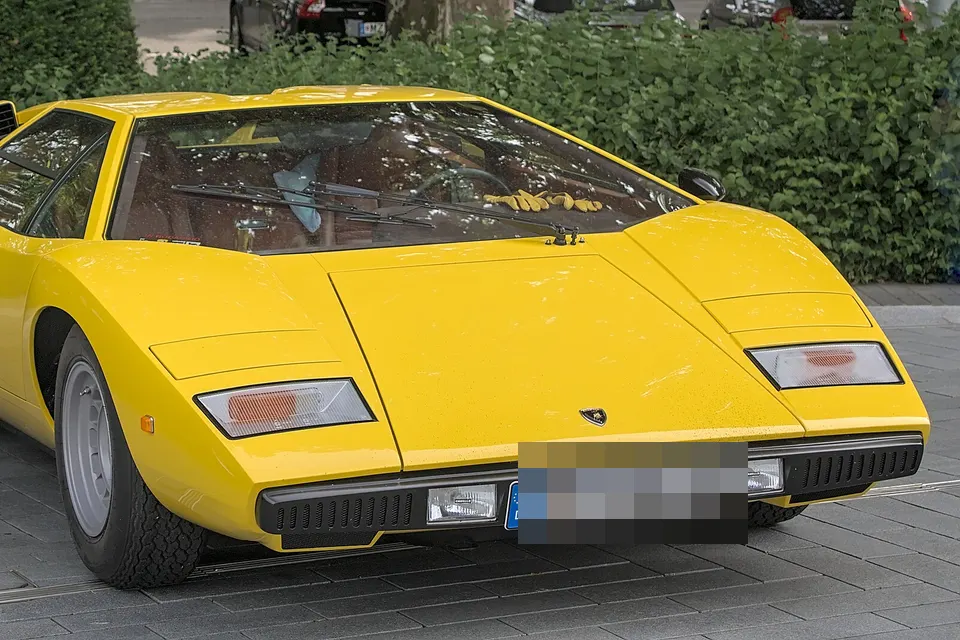
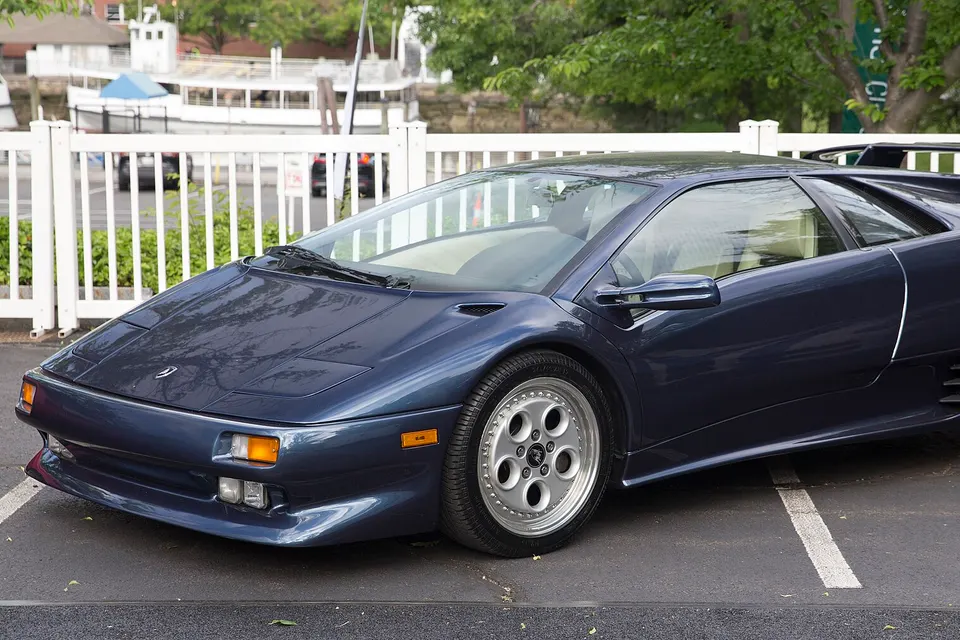
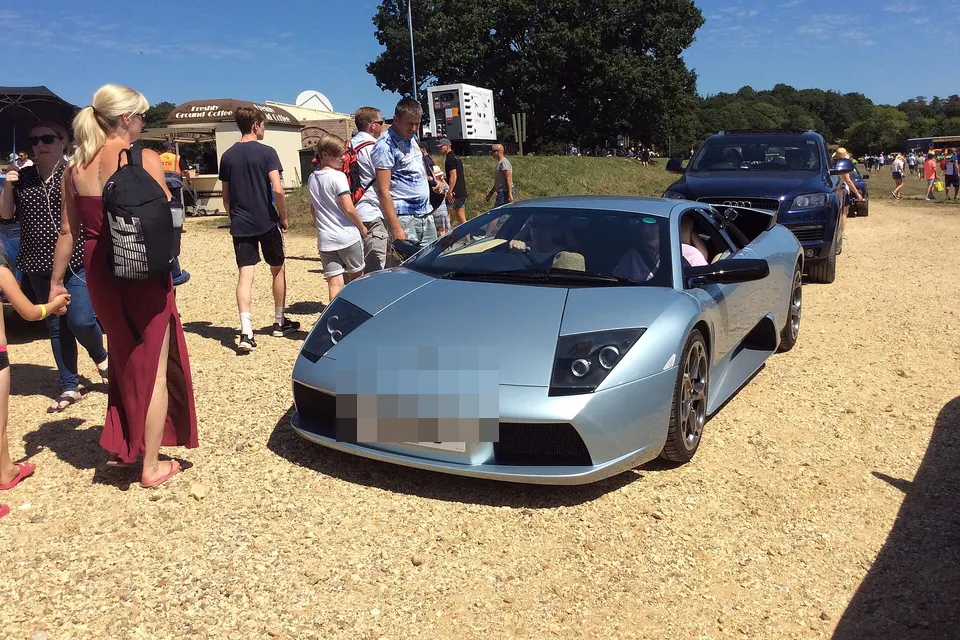
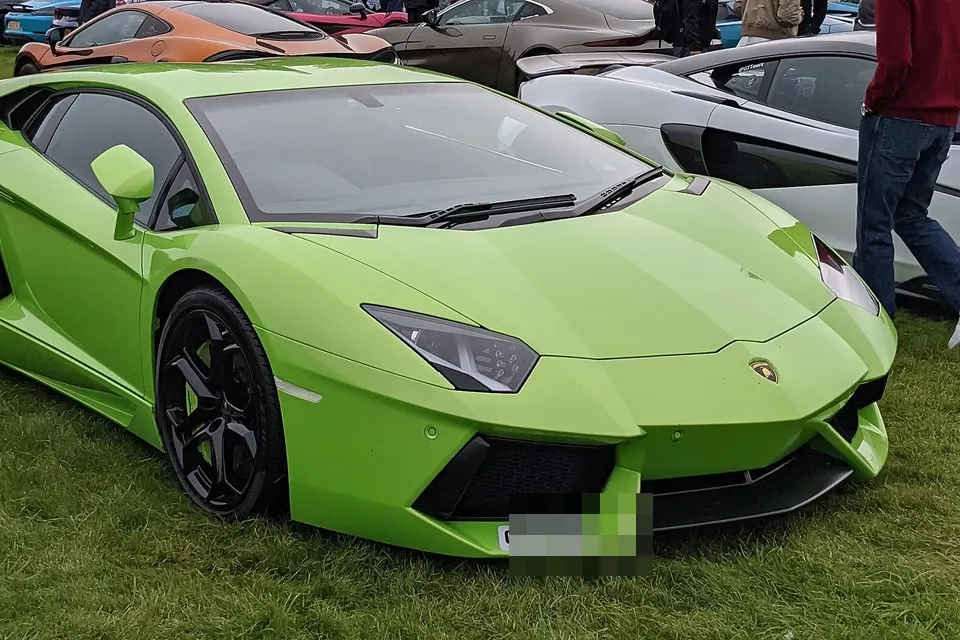
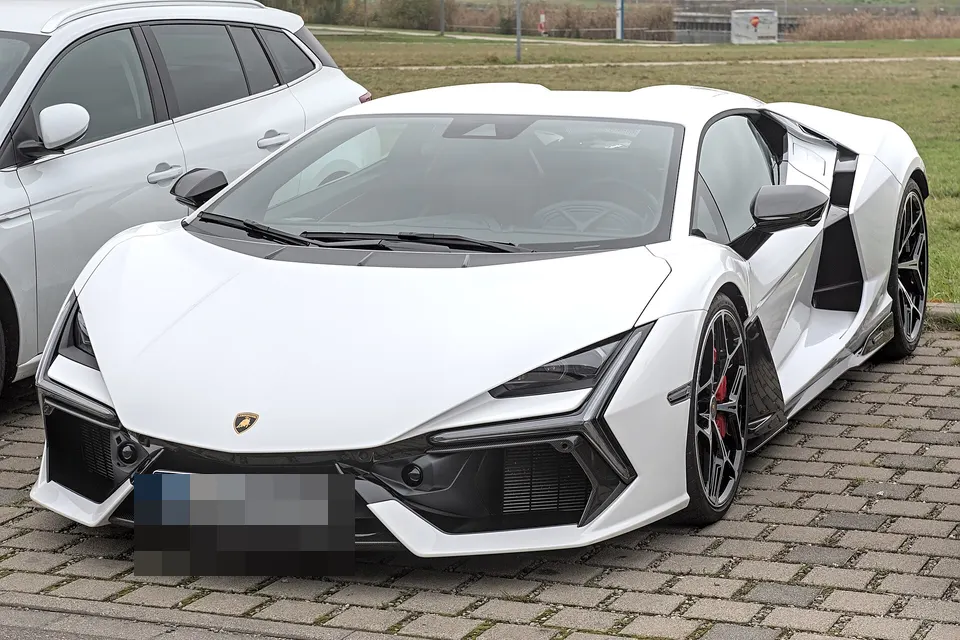
Countach retained the mid-engined V12 principle but rotated the engine longitudinally and put the gearbox ahead of it. Diablo progressively added injection and later all-wheel drive; Murciélago made four-wheel drive standard; Aventador introduced a new V12 and carbon monocoque; Revuelto added three electric motors and a plug-in battery. Lamborghini explicitly names those models as carriers of the Miura legacy. The P400 is therefore the architectural opening chapter, not merely the oldest and least powerful data point in a modern performance table.
Legacy and identity
The focus here is the 1966–1968 Miura P400 and uses Lamborghini’s model biography count of 265 cars. It excludes the more luxurious P400 S, wider and more powerful P400 SV, Jota-derived SVJ cars and Bertone Spyder. The original 350 CV output, transverse 3,929 cc V12, five-speed manual and early shared powertrain packaging form the verification boundary. Keeping that boundary visible gives newcomers a clear origin story and gives specialists a record that cannot silently absorb the most desirable specifications from every Miura version.
01
V12 lineage
Lamborghini identifies Miura, Countach, Diablo, Murciélago, Aventador and Revuelto as successive carriers of its mid-engine supercar legacy.
02
Launch model
The focus here is the production Miura P400; later S, SV, VT, roadster and racing derivatives require separate evidence.