5,707 cc 60° V12 · multipoint fuel injectionLongitudinal rear-mid engine, rear-wheel driveTopology diagram · not to scale · based on the cited primary sources
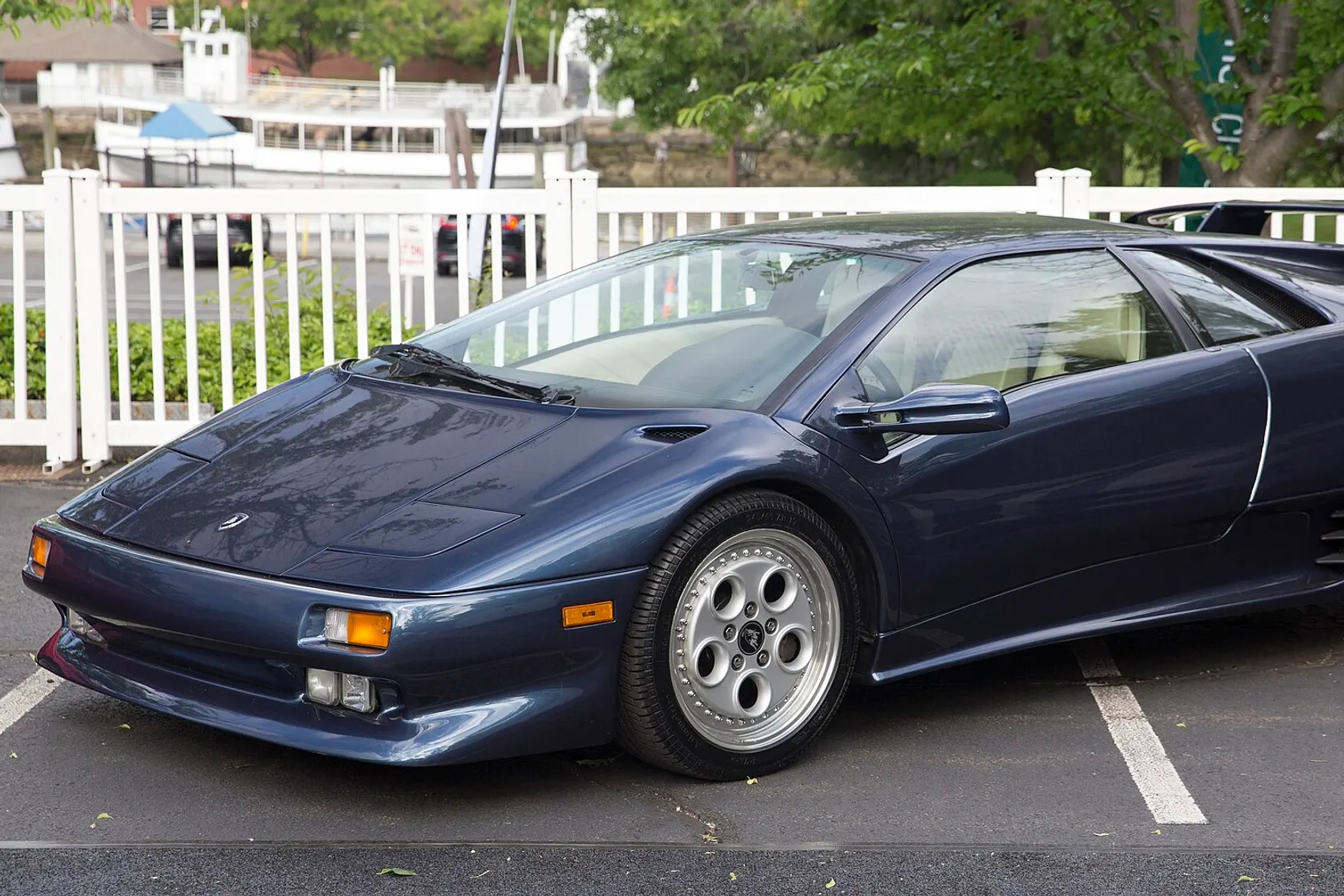
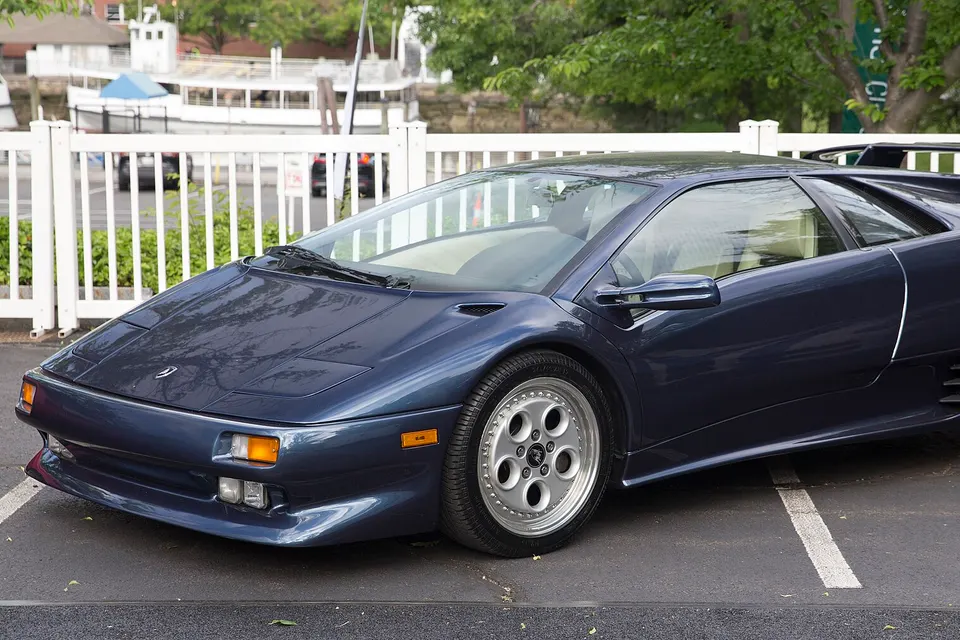
Diablo is Lamborghini’s 1990–1993 fuel-injected evolution and the final rear-drive launch flagship, preserved here as an exact factory road-car passport rather than a blended model-family profile.
R / production rarity
How rare is it?
A simple 1–5 rating based on completed worldwide production for this exact version. Price and desirability are not included.
Rarity ratingNot availableNo comparable worldwide production total
Production bandNot available
Production evidenceBroader-family evidence
ProducedWorldwide total used for the rating2,903
Completed Diablo-family production
Figure type
Broader scope
Scope
All Diablo road and special-series derivatives; exact 1990–1993 rear-drive launch-car count not isolated
The rating uses five fixed production bands. Smaller production runs receive higher ratings. Exact totals and responsibly sourced estimates for this precise version can be rated. Plans, regional totals, lower bounds, disputed figures and broader-family totals remain visible but unclassified. The evidence description is kept separate from the rating so a source limitation cannot change how scarcity is measured.
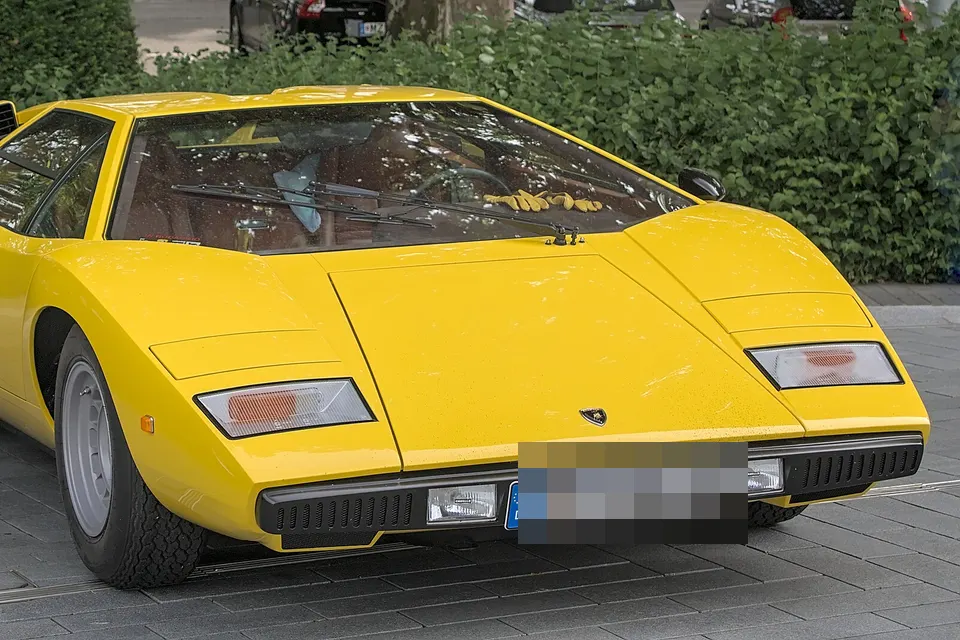
Lamborghini introduced the Diablo in 1990 after a long development programme intended to replace the Countach. The launch car was a rear-wheel-drive berlinetta and Lamborghini describes it as the fastest production car in the world at introduction. Its design began under Marcello Gandini and was refined during Chrysler ownership, retaining scissor doors and a low cab-forward stance while replacing the Countach’s exposed angularity with broader, more integrated surfaces. This page covers that original car before the 1993 Diablo VT made all-wheel drive a defining branch of the range.
The longitudinal V12 grew to 5.7 litres and derived from the Countach Quattrovalvole architecture, now using electronic multipoint fuel injection. Lamborghini’s history gives 492 CV, while another factory anniversary account expresses the same specification as 485 horsepower; the apparent discrepancy reflects different power-unit conventions rather than two engines. That anniversary source also records 580 Nm and 325 km/h. A five-speed gated manual drove the rear wheels, preserving a direct mechanical arrangement at launch even as fuel and ignition control became electronic.
Development work involved rally champion Sandro Munari, and the car combined very high speed with equipment intended to make the flagship more usable than its predecessor. Yet “original Diablo” must not become shorthand for the entire 1990–2001 production story. VT introduced a viscous-coupling front drive able to send part of the torque forward, Roadster changed the body, SE30 and SV had distinct briefs, GT moved to six litres, and Audi-era 6.0 cars received extensive engineering and design revisions. Lamborghini records 2,903 Diablos overall but does not isolate the launch rear-drive count on the cited page.
Engineering and character
The first-series body retained pop-up headlights and the early dashboard. Later cars changed lamps, interior, brakes, wheels, engine management and exterior details. Those differences are not cosmetic trivia when documenting a sound recording: catalysts and silencers varied with year and market, while clutch, gearbox and driveline state affect the mechanical layer. A restored or upgraded early body can carry later hardware, so model year and appearance alone cannot prove that a clip contains a 1990 launch specification.
Injection makes the Diablo’s intake response more controlled than the carburetted Countach, but twelve naturally aspirated cylinders still dominate under load. The larger capacity deepens the lower register, and a manual shift introduces a full clutch-operated interruption. The absence of a driven front axle is part of the launch car’s acoustic boundary. An archival capture should document intake boxes, injection calibration, catalysts, exhaust, gearbox and differential, and must not use a VT, 6.0 or GT soundtrack as a convenient substitute.
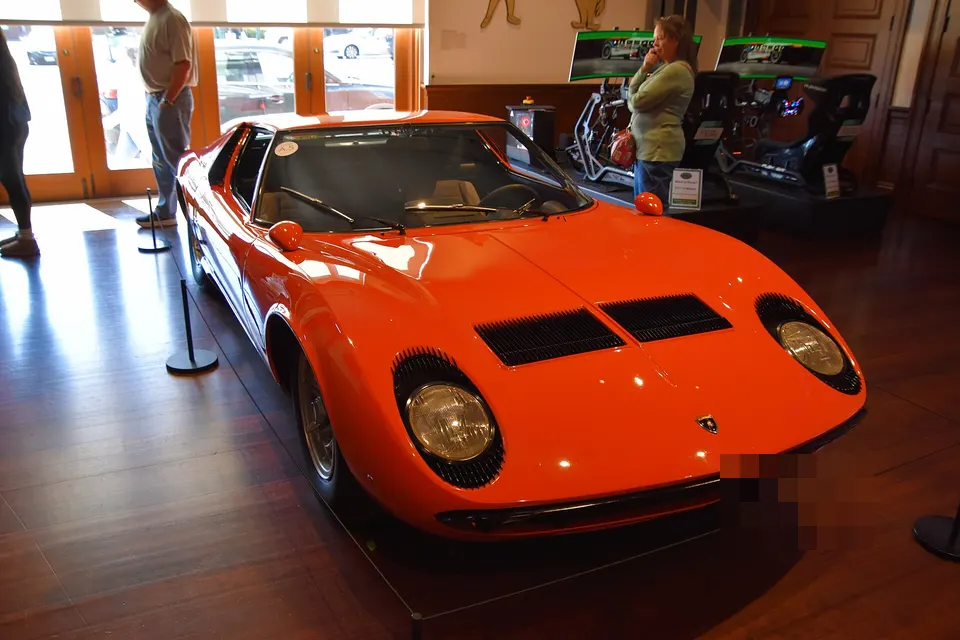
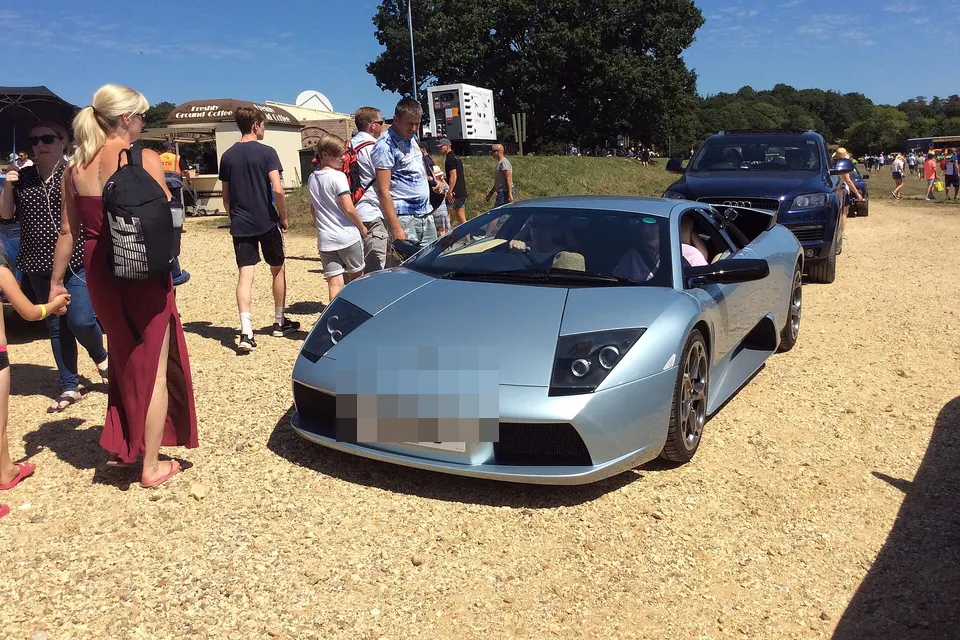
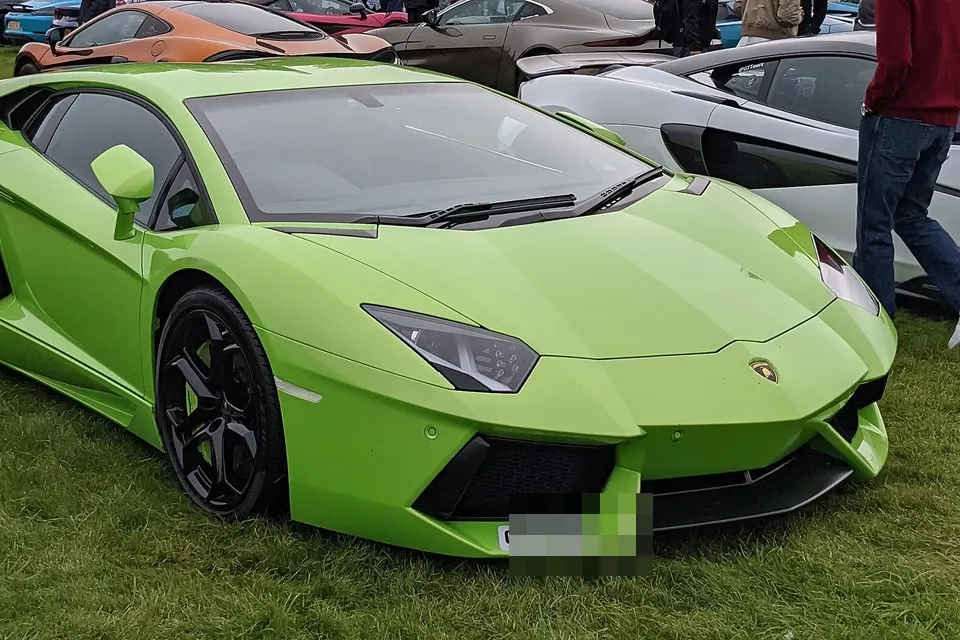
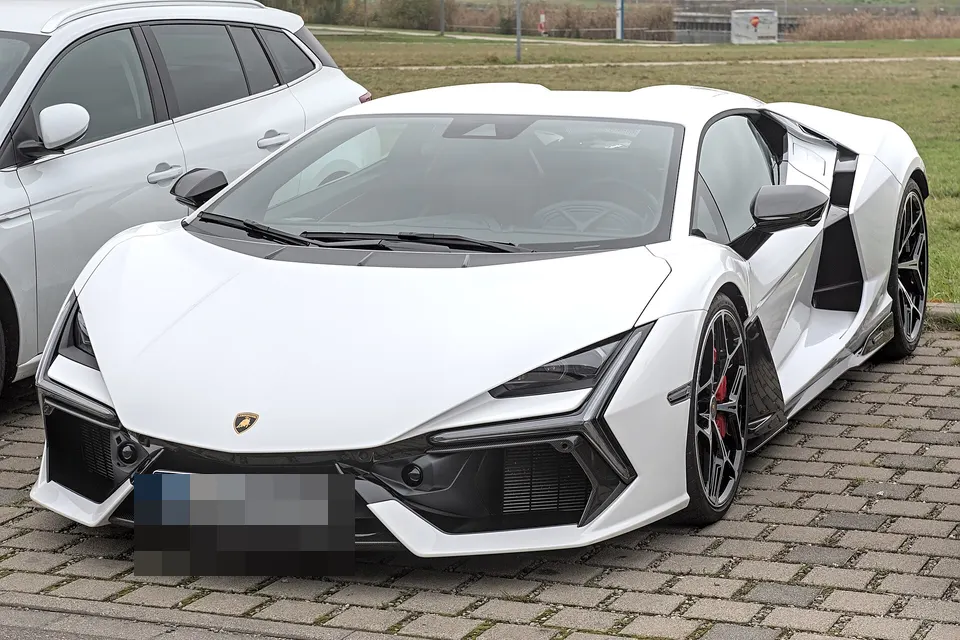
Murciélago followed in 2001 as the first clean-sheet Lamborghini flagship of the Audi era, making all-wheel drive standard and enlarging the inherited engine to 6.2 litres. Aventador then replaced that long-running V12 family entirely with the L539 and carbon construction. Revuelto introduced hybrid front drive and a dual-clutch gearbox. The Diablo occupies the transition: visually smoother and electronically fuelled, yet in its original form still a rear-drive gated-manual descendant of the Countach rather than the system-integrated template of later cars.
Legacy and identity
The focus here is the 1990–1993 rear-wheel-drive Diablo launch series with 5.7-litre V12 and five-speed manual. It excludes Diablo VT, VT Roadster, SE30, SV, GT, GTR and Audi-era 6.0 derivatives. The boundary also explains why the production field does not assign all 2,903 Diablos to this one configuration. For general readers the page shows the bridge between Countach and Murciélago; for purists it protects drivetrain, output, body phase and power-unit conventions from being collapsed into one mythical “Diablo” specification.
01
V12 lineage
Lamborghini identifies Miura, Countach, Diablo, Murciélago, Aventador and Revuelto as successive carriers of its mid-engine supercar legacy.
02
Launch model
The focus here is the production Diablo; later S, SV, VT, roadster and racing derivatives require separate evidence.