3,929 cc 60° V12 · six Weber carburettorsLongitudinal rear-mid engine, rear-wheel driveTopology diagram · not to scale · based on the cited primary sources
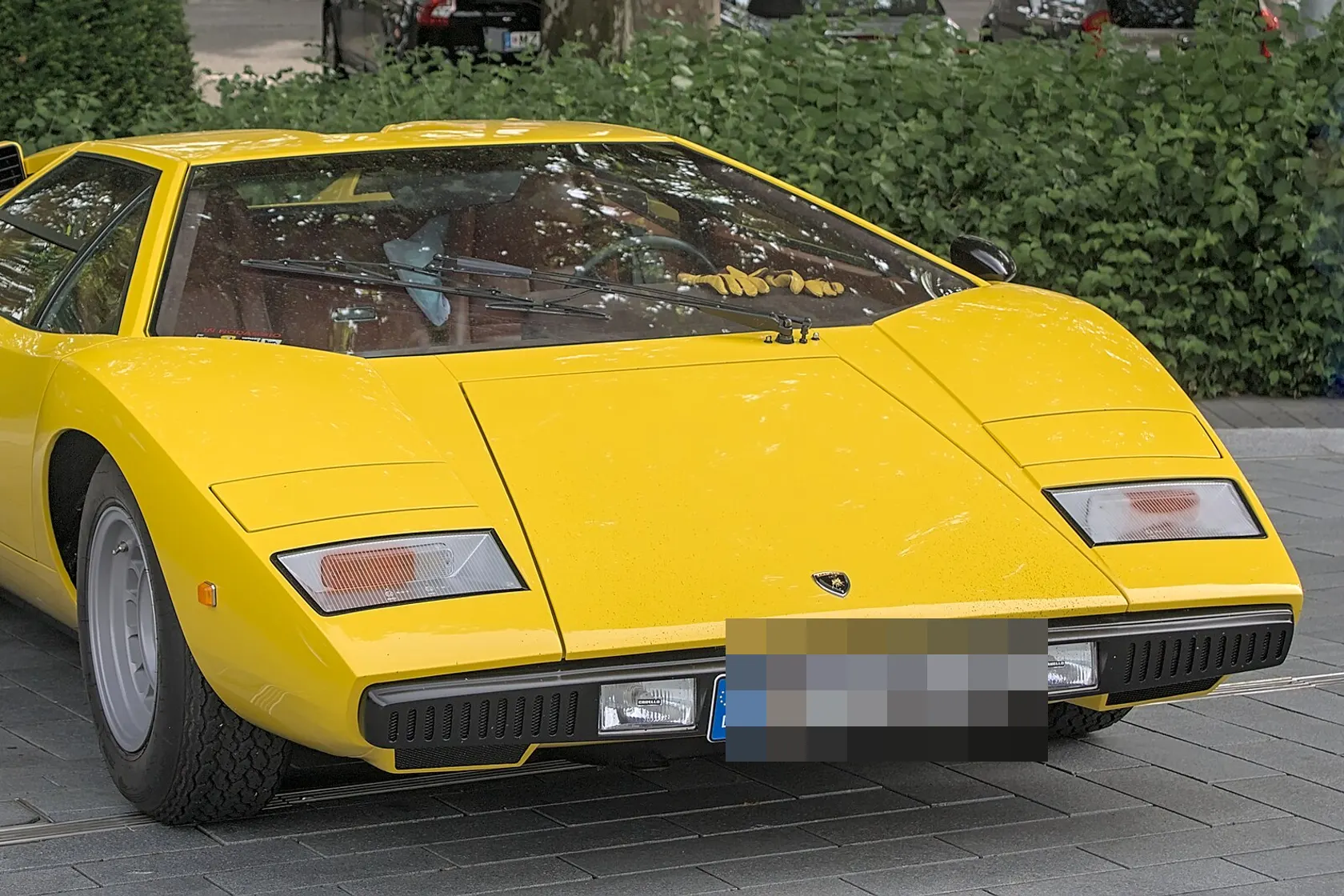
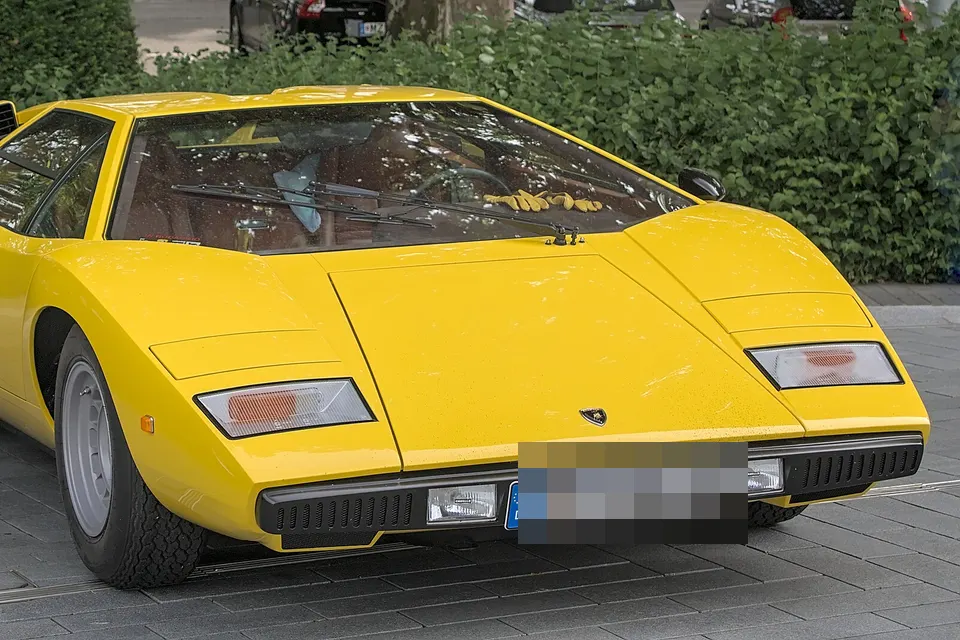
Countach LP400 is Lamborghini’s 1974–1978 longitudinal v12, cab-forward wedge and scissor-door reset, preserved here as an exact factory road-car passport rather than a blended model-family profile.
R / production rarity
How rare is it?
A simple 1–5 rating based on completed worldwide production for this exact version. Price and desirability are not included.
The rating uses five fixed production bands. Smaller production runs receive higher ratings. Exact totals and responsibly sourced estimates for this precise version can be rated. Plans, regional totals, lower bounds, disputed figures and broader-family totals remain visible but unclassified. The evidence description is kept separate from the rating so a source limitation cannot change how scarcity is measured.
5/5Fewer than 25 builtUltra rare
4/525 to 249 builtVery rare
3/5250 to 2,499 builtRare
2/52,500 to 24,999 builtLimited production
1/525,000 or more builtSeries production
Recorded sales
Documented sales
Prices never affect the rarity rating.
Sold$885,0002026 · RM Sotheby's · Arizona
Auction result
Exact LP400 model · restored after period modifications
Published sale total. The car was originally right-hand drive, later converted to an open wide-body form, then restored to Periscopio appearance while remaining left-hand drive; condition and modification history are material.
The Countach first appeared as the LP500 prototype at Geneva in 1971 and entered series production as the LP400 in 1974. Its name came from a Piedmontese expression of amazement, an appropriate response to a body that discarded the Miura’s curves for Marcello Gandini’s cab-forward wedge. Lamborghini’s history marks the LP400 as the production beginning of an icon that remained in manufacture until 1990.
LP means Longitudinale Posteriore: the V12 now ran lengthwise behind the cabin. More unusually, the five-speed gearbox sat ahead of the engine between the seats, with a driveshaft travelling rearward through the engine sump to the final drive. The arrangement concentrated masses and made the shift linkage direct, but also placed substantial mechanical activity beside the occupants. Scissor doors helped access within the very wide sills and became a lasting identifier of Lamborghini V12 flagships. The roof recess of many early cars earned the informal Periscopio name.
The production LP400 retained the 3,929 cc, 60-degree naturally aspirated V12 and Lamborghini records 375 CV. Power reached only the rear wheels through a gated five-speed manual. That restraint is useful: Countach specifications vary extensively across LP400, LP400 S, 5000 S, Quattrovalvole and 25th Anniversary versions, as well as emissions markets.
Engineering and character
Lamborghini’s 2024 retrospective records 152 LP400 cars from 1974 to 1978, while an older Polo Storico restoration story refers to roughly 150 Periscopica examples. The terms are not necessarily identical and the factory language has varied, so RedlineCodex uses 152 for the model-series count without claiming that every one had the same roof detail. This is the kind of small discrepancy a premium archive should expose. A chassis-specific record must still establish build date, market, body details and original mechanical configuration.
Acoustically, the Countach draws the V12 closer to the driver through its longitudinal packaging and forward gearbox. Six Weber carburettors feed twelve cylinders, creating intake texture that rises distinctly from the exhaust, while the geartrain supplies whine and shift-gate transients. The visual icon is often shown with a rear wing, but that accessory is not evidence of a specific engine or exhaust configuration. Recordings should identify carburettors, airboxes, manifolds, silencers, final-drive ratio and market equipment before claiming to preserve an LP400 reference.
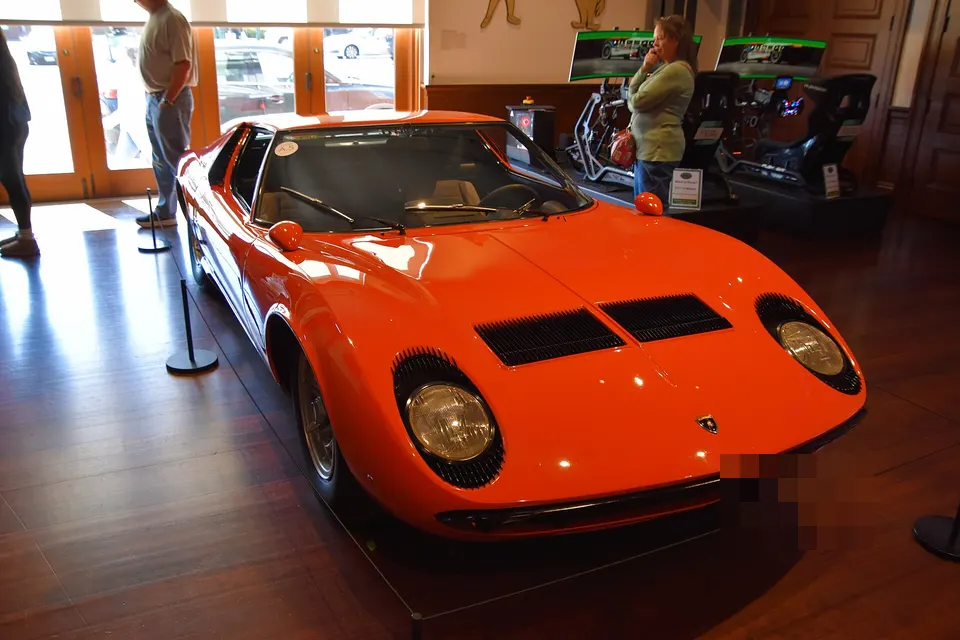
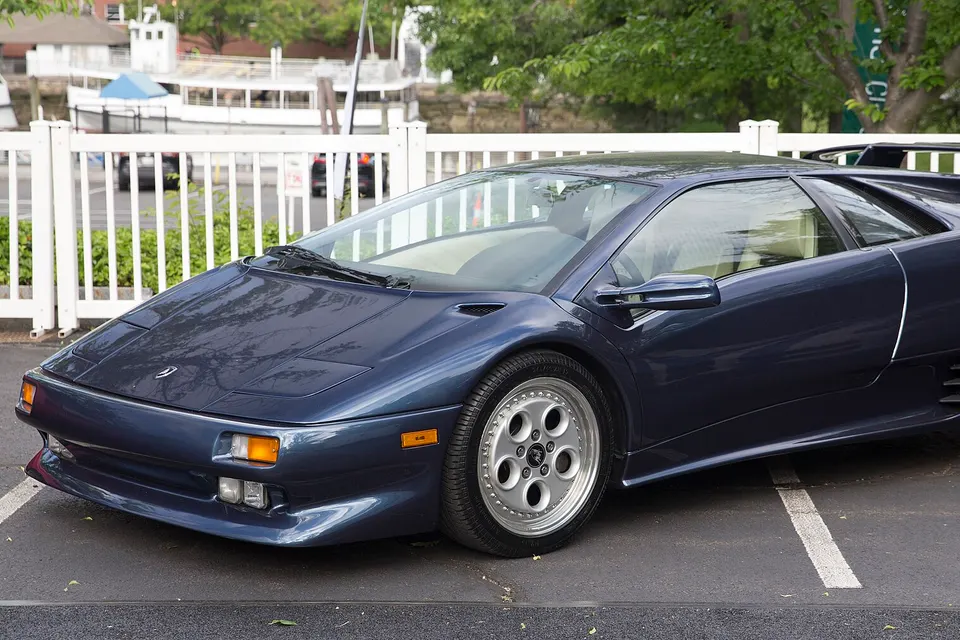
The Diablo succeeded the Countach with a larger fuel-injected V12 and a smoother body, but its initial rear-drive, manual architecture remained recognisable. Murciélago then standardised all-wheel drive under Audi ownership. Aventador broke with the inherited engine by introducing the new L539 and a carbon monocoque, while Revuelto kept a naturally aspirated V12 within a plug-in hybrid system. In this chronology the LP400 established the layout, door form and visual vocabulary that subsequent cars reinterpret even when their structures and controls become fundamentally different.
Legacy and identity
The focus here is restricted to the narrow-body Countach LP400 built from 1974 to 1978. It excludes the 1971 LP500 prototype, flared LP400 S, 4.8-litre 5000 S, four-valve 5.2-litre Quattrovalvole, 25th Anniversary and modern Countach LPI 800-4. The 3,929 cc V12, 375 CV rating, longitudinal rear engine, forward five-speed manual and rear drive define the production identity. Those exclusions prevent the most photographed Countach features from becoming false defaults for the cleaner original car.
01
V12 lineage
Lamborghini identifies Miura, Countach, Diablo, Murciélago, Aventador and Revuelto as successive carriers of its mid-engine supercar legacy.
02
Launch model
The focus here is the production Countach LP400; later S, SV, VT, roadster and racing derivatives require separate evidence.