
Jaguar · V12 grand tourer · 1993–1996
XJS 6.0 V12
Recorded designation · Facelift XJS 6.0- Recorded designation
- Facelift XJS 6.0
- Engine / drive unit
- 6.0 L Jaguar V12
- Archive no.
- 347
- Sources updated
- 3 October 2026
Help build this passport
Have a recording, source, correction, photo or missing detail for this exact car? Prepare a contribution with the Car ID already selected.
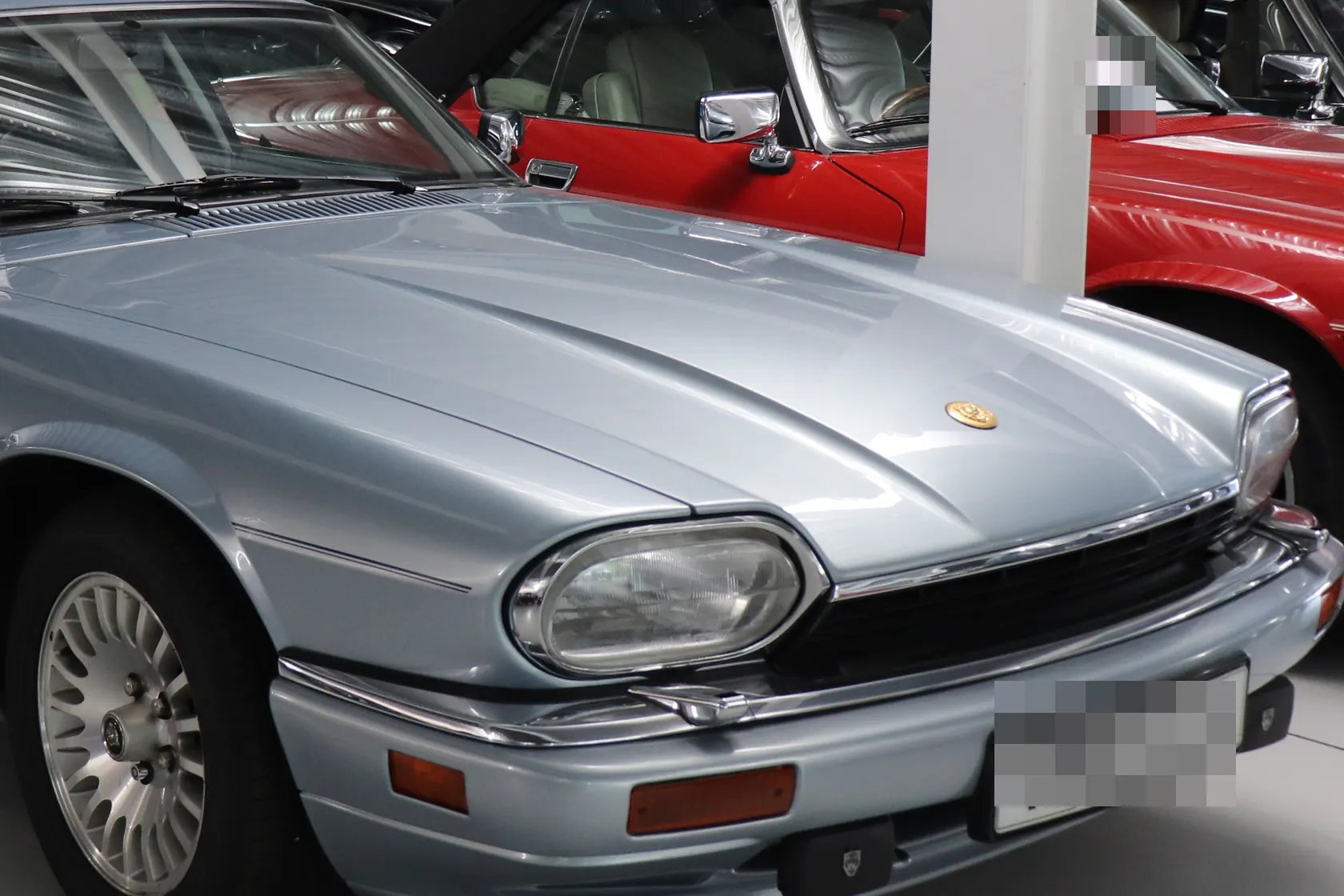
The standard XJS 6.0 V12 was the final factory evolution of Jaguar’s long-running flagship grand tourer and must be kept distinct from the earlier JaguarSport performance car.
How rare is it?
A simple 1–5 rating based on completed worldwide production for this exact version. Price and desirability are not included.
A reliable worldwide figure is not listed in the references.
How the rating works
The rating uses five fixed production bands. Smaller production runs receive higher ratings. Exact totals and responsibly sourced estimates for this precise version can be rated. Plans, regional totals, lower bounds, disputed figures and broader-family totals remain visible but unclassified. The evidence description is kept separate from the rating so a source limitation cannot change how scarcity is measured.
- 5/5Fewer than 25 builtUltra rare
- 4/525 to 249 builtVery rare
- 3/5250 to 2,499 builtRare
- 2/52,500 to 24,999 builtLimited production
- 1/525,000 or more builtSeries production
At a glance
What creates the sound
Mechanical, induction, transmission and exhaust sound are best documented separately.
Factory-stock status depends on engine, intake, forced induction, catalysts, gearbox and silencers.
Recordings with uncertain configuration remain visibly marked as Unregistered.
- V12 architecture
- The final factory XJS enlarged the Jaguar V12 to 5,993 cc and paired it with the four-speed GM 4L80E automatic in the facelifted grand tourer
- GM 4L80E 4-speed automatic with rear-wheel drive
History and character
Origins and context
Jaguar introduced the standard 6.0-litre XJS in May 1993 after production of the JaguarSport XJR-S had ended. That sequence is essential: the factory car was not simply the XJR-S renamed, and it used its own production tune, chassis context and four-speed transmission. The focus here is the facelift XJS 6.0 sold through the end of the model line and excludes earlier 5.3-litre cars and private performance conversions.
The naturally aspirated V12 displaced 5,993 cc. Period outputs vary by market and measurement convention, with figures around 301 to 304 bhp and torque around 475 to 481 Nm. RevAtlas uses a representative 226 kW, 307 PS and 475 Nm while explicitly qualifying the regional variation. The GM 4L80E four-speed automatic distinguishes the standard car from the three-speed transmission used in the earlier XJR-S.
Coupe and convertible bodies share the core engine and transmission identity but produce different cabin acoustics. The coupe photographed for this page is a 1996 car, so it establishes the exact derivative while not claiming to show the 1993 launch year. Submissions must state market, body style, exhaust and emissions equipment. Later replacements or modifications can meaningfully change idle, shift and full-load sound.
Engineering and character
Published production figures conflict by body style and counting method. Approximately 772 to 774 coupes is defensible only with qualification, while convertible totals are less stable. The page therefore carries no combined completed-production count. Its editorial case rests on being the final factory V12 development of a historically significant performance GT, not on manufacturing rarity.
The 6.0-litre XJS gives the archive a reference for Jaguar’s last regular-production development of the original V12 grand tourer. Comparison with the XJR-S is especially useful, but only if specifications stay separate. The standard car’s calibration, four-speed automatic and comfort-oriented role should be audible in controlled recordings rather than overwritten by the more aggressive JaguarSport narrative.
Earlier 5.3 cars, the JaguarSport XJR-S, private TWR conversions and six-cylinder versions are excluded. Similar badges can cover different engines, transmissions, bodies and production programmes. Preserving those distinctions prevents a familiar name from becoming a blended specification that no single production car carried.
Legacy and identity
The mechanical reference is the 6.0 L Jaguar V12, a 5,993 cc naturally aspirated v12 represented at 226 kW, 307 PS and 475 Nm. It works through a gm 4l80e 4-speed automatic with rear-wheel drive. Units and period rating conventions stay visible rather than being treated as directly interchangeable.
For sound documentation, the principal markers are naturally aspirated Jaguar V12, four-speed automatic shifts, long-legged grand-tourer gearing, facelift coupe or convertible resonance. A cold start must include uninterrupted cranking, first combustion and settling idle. Acceleration and fly-by submissions need gear, load, safe road or closed-course context, microphone position and weather. Factory-stock status requires evidence for intake, forced induction, catalysts, gearbox and silencers.
A photograph can establish useful visual context but cannot prove mechanical originality. Restoration, service replacement and reversible modification are common across performance cars. RevAtlas records configuration component by component, allowing modified survivors to remain useful without presenting them as untouched references. That method gives the XJS 6.0 V12 a defensible page now and an exact home for future evidence.
Model identity
The focus here is the standard factory 6.0-litre XJS introduced in May 1993. Earlier 5.3 cars, the JaguarSport XJR-S, private TWR conversions and six-cylinder versions are excluded.
Why it matters
The standard XJS 6.0 V12 was the final factory evolution of Jaguar’s long-running flagship grand tourer and must be kept distinct from the earlier JaguarSport performance car.
Model lineage
1989–1993 · 2 documented milestones
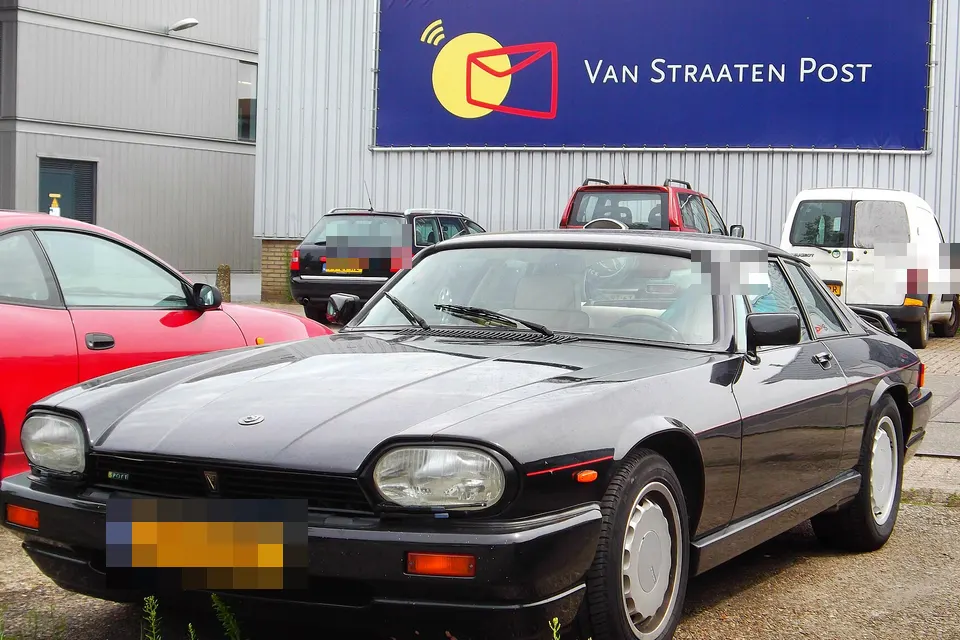
Photo: Dennis Elzinga · CC BY 2.0 · resized and cropped · Registration identifiers, visible labels and identifiable bystanders pixelated for privacy. 1989XJR-S 6.0 (JaguarSport XJR-S 6.0)The XJR-S 6.0 was the official JaguarSport road car that began Jaguar’s R-model lineage, turning TWR experience into a distinct factory-backed production identity.[5][6]→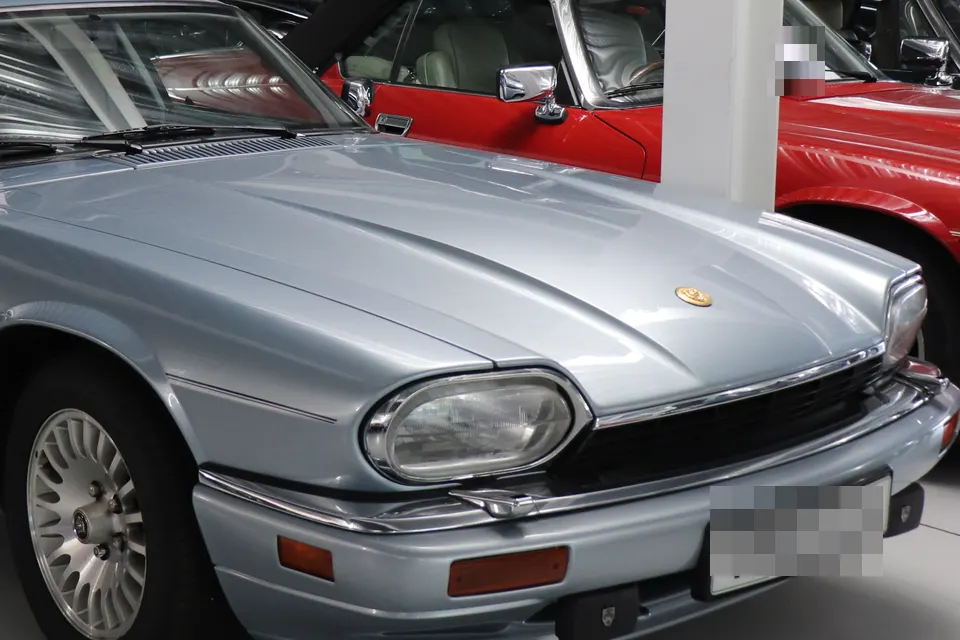
Photo: Vauxford · CC BY-SA 4.0 · resized and cropped · Registration identifiers, visible labels and identifiable bystanders pixelated for privacy.


Help us hear this car
Share a properly licensed recording of this exact model. Stock and modified cars are both welcome when their configuration is described clearly.
- Cold start
- Acceleration
- Fly-by
Authoritative films
Links pass directly to YouTube. The archive does not host, copy or embed these films.
References
- 01Jaguar XJS research guideJaguar Daimler Heritage Trust · accessed 3 October 2026
- 021996 Jaguar XJS 6.0 V12 CoupeJaguar Daimler Heritage Trust · accessed 3 October 2026
- 03Jaguar XJS archive road testAutocar · accessed 3 October 2026
- 04Jaguar XJS catalogue evidenceClassic Racing · accessed 3 October 2026
- 0525 years of Jaguar R performance carsJaguar Land Rover · accessed 3 October 2026
- 061993 Jaguar XJR-S archive testCar and Driver · accessed 3 October 2026