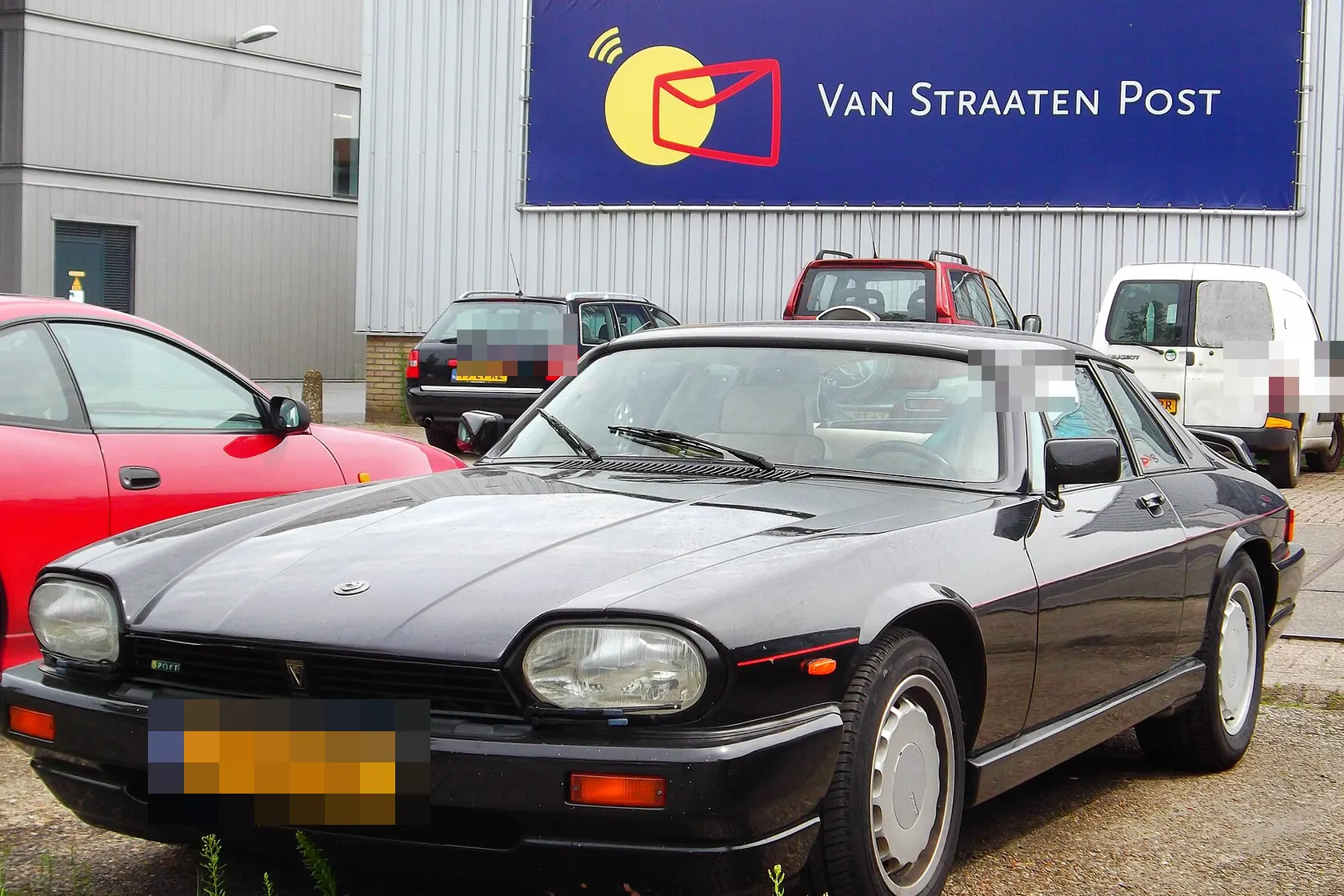
Documentary photographPhoto: Dennis Elzinga · CC BY 2.0 · resized and cropped · Registration identifiers, visible labels and identifiable bystanders pixelated for privacy.
Engine redprint / verifiedJaguarSport 6.0 L V12
6.0 L v12 · naturally aspirated · JaguarSport 6.0 L V12Longitudinal front engine, rear-wheel driveTopology diagram · not to scale · based on the cited primary sources
The XJR-S 6.0 was the official JaguarSport road car that began Jaguar’s R-model lineage, turning TWR experience into a distinct factory-backed production identity.
R / production rarity
How rare is it?
A simple 1–5 rating based on completed worldwide production for this exact version. Price and desirability are not included.
Rarity ratingNot availableNo comparable worldwide production total
Production bandNot available
Production evidenceNo exact production total
ProducedWorldwide total used for the rating
Production total unavailable
A reliable worldwide figure is not listed in the references.
How the rating works
The rating uses five fixed production bands. Smaller production runs receive higher ratings. Exact totals and responsibly sourced estimates for this precise version can be rated. Plans, regional totals, lower bounds, disputed figures and broader-family totals remain visible but unclassified. The evidence description is kept separate from the rating so a source limitation cannot change how scarcity is measured.
JaguarSport, the Jaguar and TWR joint venture, used a bespoke 6.0-litre V12 with Zytek management plus revised suspension, steering and aerodynamics[4][6]
The ledger’s original XJ-S TWR wording was too broad for publication. TWR prepared race cars, sold conversions and participated with Jaguar in the JaguarSport joint venture, so the label could point to several incompatible identities. This page instead documents the factory-sanctioned XJR-S 6.0 introduced in 1989. It excludes the earlier 5.3-litre XJR-S, private conversions and Group A competition cars, each of which needs its own evidence boundary.
Jaguar’s official R history describes a bespoke 5,993 cc V12 with Zytek management, initially rated at 318 bhp and later at 333 bhp. A GM400 three-speed automatic drove the rear wheels. Later output must not be silently blended into the 1989 figure, and a recording submission should identify build year and documented engine tune.
JaguarSport also revised suspension, steering, tyres and aerodynamics, making the XJR-S more than an engine conversion. Those factory-backed changes distinguish it from a visually modified XJ-S. The exact road-car image supports derivative identity, but production evidence and surviving components must establish whether a photographed car retains its original engine management, exhaust and chassis configuration.
Engineering and character
Jaguar states that 1,143 XJR-S cars were produced from 1988 through 1993. That total includes both early 5.3-litre cars and later 6.0-litre cars, so it cannot be presented as the count for this exact passport. Disputed 6.0-only subtotals are omitted. The archive records the wider total only as lineage context and makes no false rarity claim for the selected launch specification.
The XJR-S matters because it begins Jaguar’s official R performance lineage and captures a formal Jaguar/TWR collaboration in a road car. Its sound should be compared carefully with the later standard XJS 6.0: capacity alone does not equal identical calibration, management, exhaust or transmission. Exact identification protects that distinction and keeps race-car drama from being incorrectly assigned to a production grand tourer.
The early 5.3-litre XJR-S, private TWR conversions, Group A race cars and the later standard XJS 6.0 are excluded. Similar badges can cover different engines, transmissions, bodies and production programmes. Preserving those distinctions prevents a familiar name from becoming a blended specification that no single production car carried.
Legacy and identity
The mechanical reference is the JaguarSport 6.0 L V12, a 5,993 cc naturally aspirated v12 represented at 237 kW, 322 PS and 491 Nm. It works through a gm400 3-speed automatic with rear-wheel drive. Units and period rating conventions stay visible rather than being treated as directly interchangeable.
For sound documentation, the principal markers are bespoke 6.0-litre V12, Zytek engine management, three-speed automatic load changes, JaguarSport exhaust character. A cold start must include uninterrupted cranking, first combustion and settling idle. Acceleration and fly-by submissions need gear, load, safe road or closed-course context, microphone position and weather. Factory-stock status requires evidence for intake, forced induction, catalysts, gearbox and silencers.
A photograph can establish useful visual context but cannot prove mechanical originality. Restoration, service replacement and reversible modification are common across performance cars. RevAtlas records configuration component by component, allowing modified survivors to remain useful without presenting them as untouched references. That method gives the XJR-S 6.0 a defensible page now and an exact home for future evidence.
01
Model identity
The focus here is the factory-sanctioned JaguarSport XJR-S 6.0 introduced in 1989. The early 5.3-litre XJR-S, private TWR conversions, Group A race cars and the later standard XJS 6.0 are excluded.
02
Why it matters
The XJR-S 6.0 was the official JaguarSport road car that began Jaguar’s R-model lineage, turning TWR experience into a distinct factory-backed production identity.
04 / family tree
Model lineage
1989–1993 · 2 documented milestones
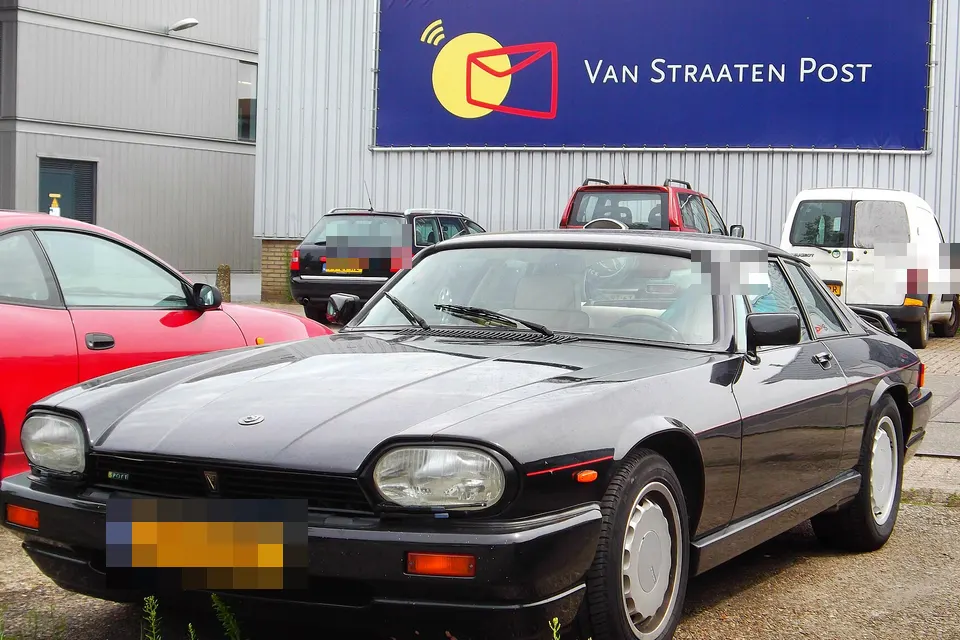
Photo: Dennis Elzinga · CC BY 2.0 · resized and cropped · Registration identifiers, visible labels and identifiable bystanders pixelated for privacy.
1989XJR-S 6.0 (JaguarSport XJR-S 6.0)Current model: The XJR-S 6.0 was the official JaguarSport road car that began Jaguar’s R-model lineage, turning TWR experience into a distinct factory-backed production identity.[4][6]
→
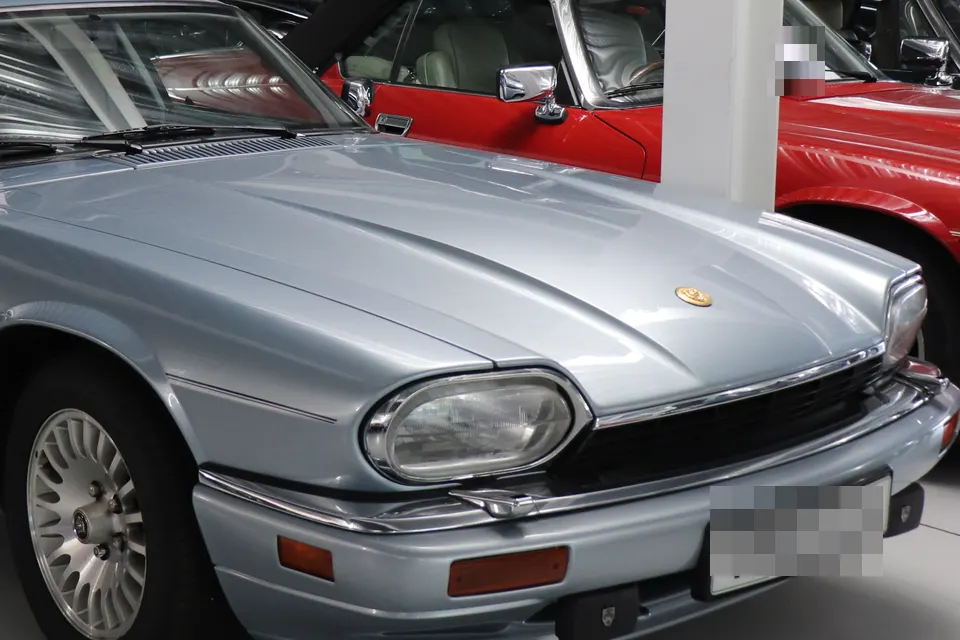
Photo: Vauxford · CC BY-SA 4.0 · resized and cropped · Registration identifiers, visible labels and identifiable bystanders pixelated for privacy.
1993XJS 6.0 V12 (Facelift XJS 6.0)View passport ↗The standard XJS 6.0 V12 was the final factory evolution of Jaguar’s long-running flagship grand tourer and must be kept distinct from the earlier JaguarSport performance car.[2][3]
06 / contribute sound
Help us hear this car
Share a properly licensed recording of this exact model. Stock and modified cars are both welcome when their configuration is described clearly.