
Toyota · Turbocharged all-wheel-drive coupé · 1986–1989
Celica GT-Four
Recorded designation · ST165- Recorded designation
- ST165
- Engine / drive unit
- 3S-GTE
- Archive no.
- 140
- Sources updated
- 22 September 2026
Help build this passport
Have a recording, source, correction, photo or missing detail for this exact car? Prepare a contribution with the Car ID already selected.
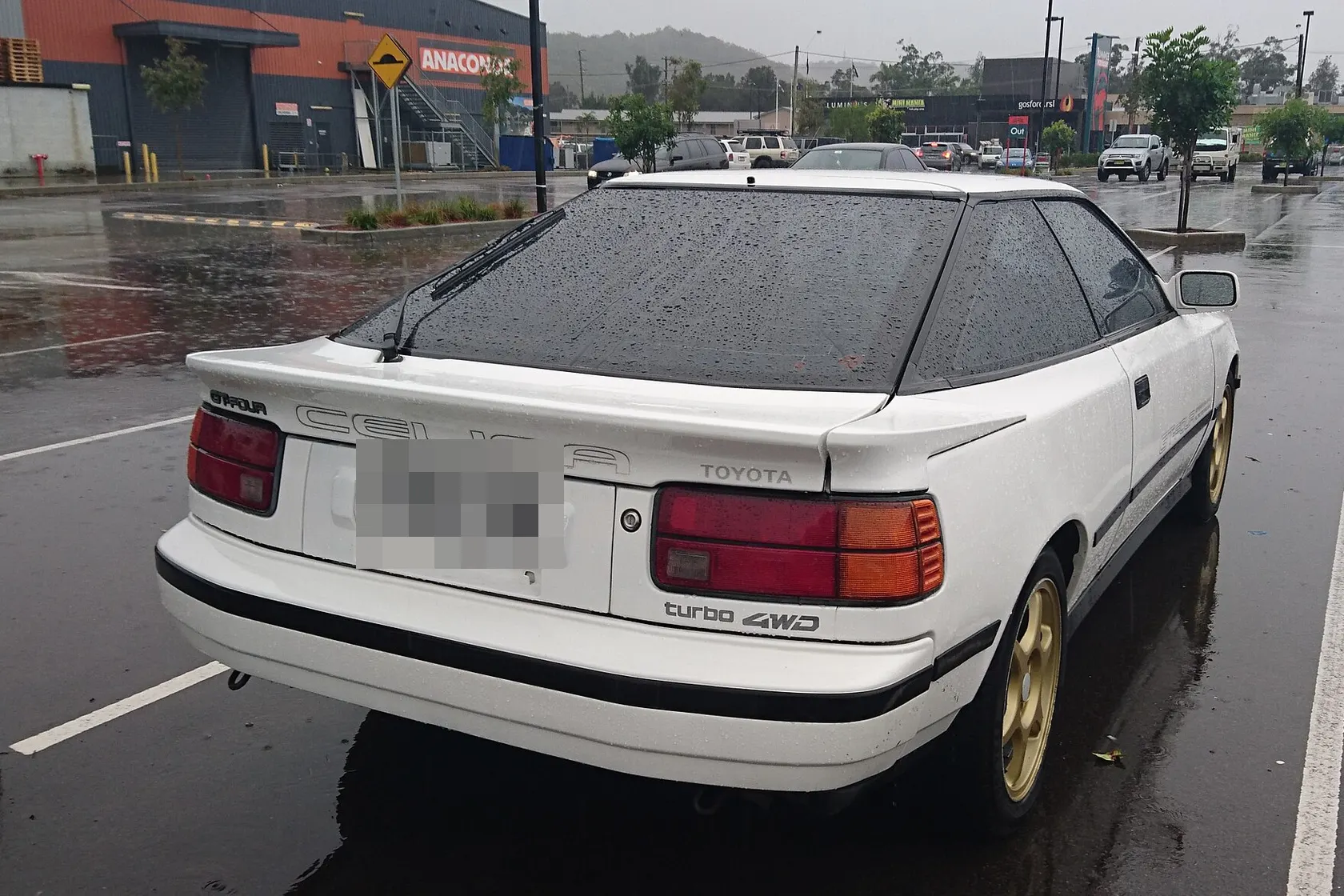
The ST165 established the turbocharged all-wheel-drive formula that defined three generations of Celica rally homologation cars.
How rare is it?
A simple 1–5 rating based on completed worldwide production for this exact version. Price and desirability are not included.
A reliable worldwide figure is not listed in the references.
How the rating works
The rating uses five fixed production bands. Smaller production runs receive higher ratings. Exact totals and responsibly sourced estimates for this precise version can be rated. Plans, regional totals, lower bounds, disputed figures and broader-family totals remain visible but unclassified. The evidence description is kept separate from the rating so a source limitation cannot change how scarcity is measured.
- 5/5Fewer than 25 builtUltra rare
- 4/525 to 249 builtVery rare
- 3/5250 to 2,499 builtRare
- 2/52,500 to 24,999 builtLimited production
- 1/525,000 or more builtSeries production
At a glance
What creates the sound
Mechanical, induction, transmission and exhaust sound are best documented separately.
Factory-stock status depends on engine, intake, catalysts, gearbox and silencers.
Recordings with uncertain configuration remain visibly marked as Unregistered.
- Inline-4 architecture
- The first GT-Four uses a water-intercooled 3S-GTE and full-time four-wheel drive beneath the fourth-generation liftback.
- 5-speed manual with all-wheel drive
History and character
Origins and context
Toyota built the Celica GT-Four (ST165) from 1986–1989. The ST165 established the turbocharged all-wheel-drive formula that defined three generations of Celica rally homologation cars. Its 3-door liftback coupé shape and turbocharged all-wheel-drive coupé role place it within a clearly defined part of the marque’s performance history.
The focus is the JDM-launch ST165 road car, excluding ST162 models, export-market All-Trac tunes and Group A competition cars. This distinction matters because related badges and competition derivatives can look familiar while carrying different engines, outputs, transmissions or market specifications.
The mechanical centre is the 3S-GTE, a 1,998 cc turbocharged inline-4. For the configuration shown here, the period figures are 136 kW (185 PS) and 240 Nm, with regional or model-year differences kept outside those headline numbers.
The first GT-Four uses a water-intercooled 3S-GTE and full-time four-wheel drive beneath the fourth-generation liftback. The engine is installed in a transverse front engine, full-time all-wheel drive arrangement and works through a 5-speed manual. Together, those choices shape response, traction and the route by which mechanical sound reaches the cabin and roadside.
Engineering and character
Its characteristic listening points are turbocharged inline-four, water-cooled intercooler, five-speed manual, full-time four-wheel drive. A cold start reveals cranking, initial idle control and mechanical texture, while sustained acceleration makes induction, combustion and gear changes easier to separate.
An exterior pass adds the relationship between exhaust note, turbo or intake behaviour, tyres and road speed. Differences in catalysts, silencers, intake hardware, engine temperature and transmission can materially change that balance, even when two cars wear the same badge.
Within the Celica family, the ST165 sits alongside models that share design language but not an interchangeable specification. The chronology is most useful when each generation and limited edition retains its own period, mechanical layout and market context.
Surviving examples may now wear replacement exhausts, wheels, suspension or engine hardware. Describing those changes honestly allows their sounds and photographs to remain useful without presenting a modified survivor as a universal factory reference.
Legacy and identity
The 1986–1989 period also matters when comparing road tests and specifications. Manufacturers changed emissions calibrations, equipment and market availability over a model run, while power figures may be quoted in PS, metric kilowatts or regional horsepower standards. The figures here stay attached to the cited configuration instead of blending several markets into one imaginary version.
The 3-door liftback coupé layout adds another layer to the experience. Mounting position, wheelbase, cabin volume, driveline and body openings affect resonance and the listener’s distance from the engine and exhaust. Those physical relationships help explain why closely related powertrains can feel and sound different when installed in another model.
Period photographs and surviving cars preserve design, stance and visible engineering, but neither can establish an untouched mechanical condition on appearance alone. Originality is therefore best described component by component, particularly for intake, turbocharging, catalysts, silencers, transmission and final-drive hardware that can alter both performance and sound.
Seen in that wider context, the Celica GT-Four is more than a headline output figure. Its identity comes from the combination of 3S-GTE, 5-speed manual, all-wheel drive and the ST165 production boundary. Keeping those elements together makes comparisons with adjacent Celica models clearer and gives every recording a meaningful historical setting.
Model identity
The focus is the JDM-launch ST165 road car, excluding ST162 models, export-market All-Trac tunes and Group A competition cars.
Why it matters
The ST165 established the turbocharged all-wheel-drive formula that defined three generations of Celica rally homologation cars.
Model lineage
1970–1994 · 4 documented milestones
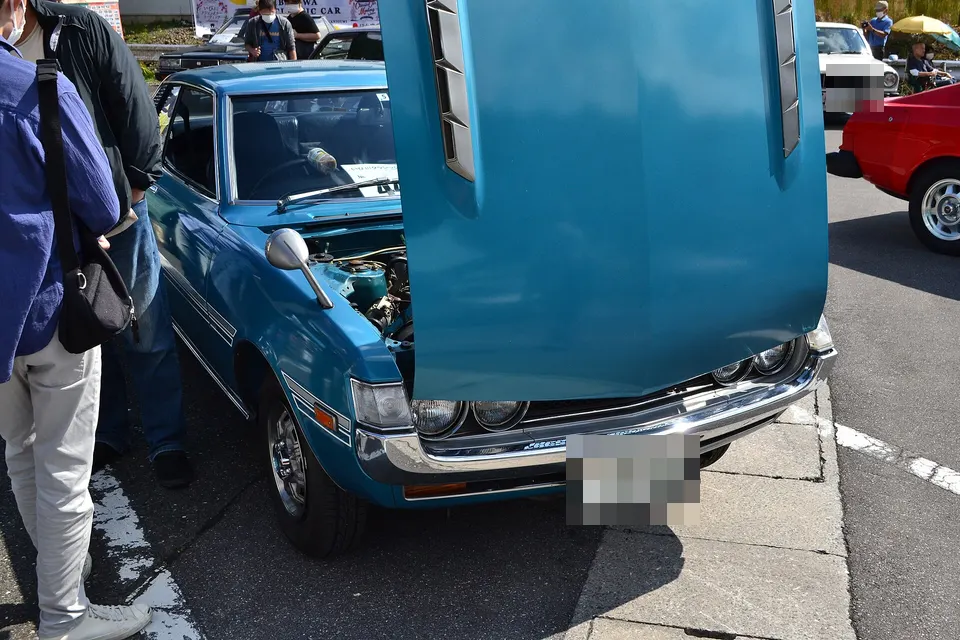
Photo: 先従隗始 · CC0 1.0 · resized and cropped · Registration identifier pixelated for privacy. 1970Celica 1600GT (TA22)The 1600GT gave the first Celica a twin-cam performance identity at the start of a long sporting lineage.[1]→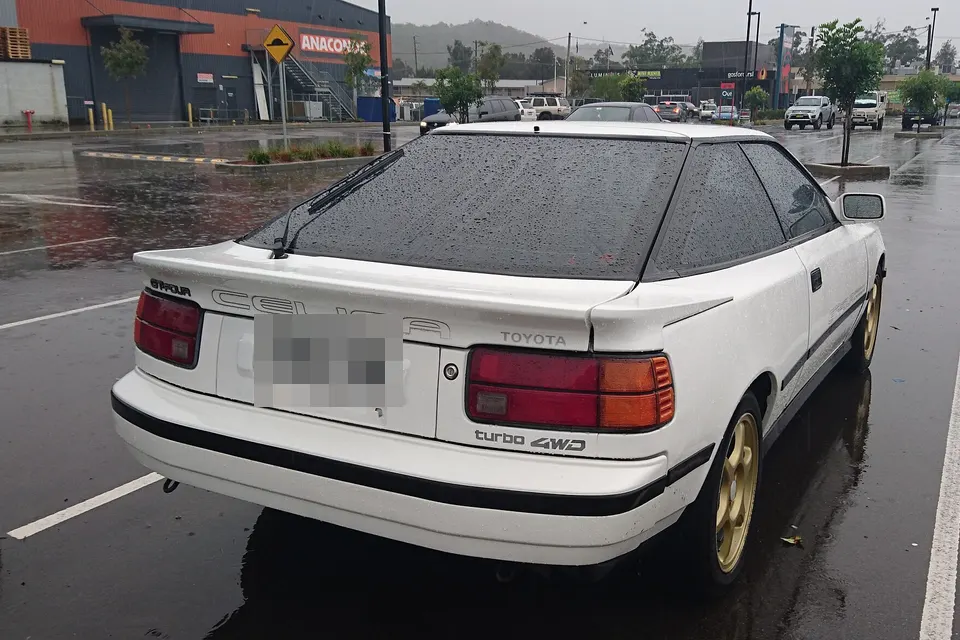
Photo: FotoSleuth · CC BY 2.0 · resized and cropped · Registration identifier pixelated for privacy. 1986Celica GT-Four (ST165)Current model: The ST165 established the turbocharged all-wheel-drive formula that defined three generations of Celica rally homologation cars.[3]→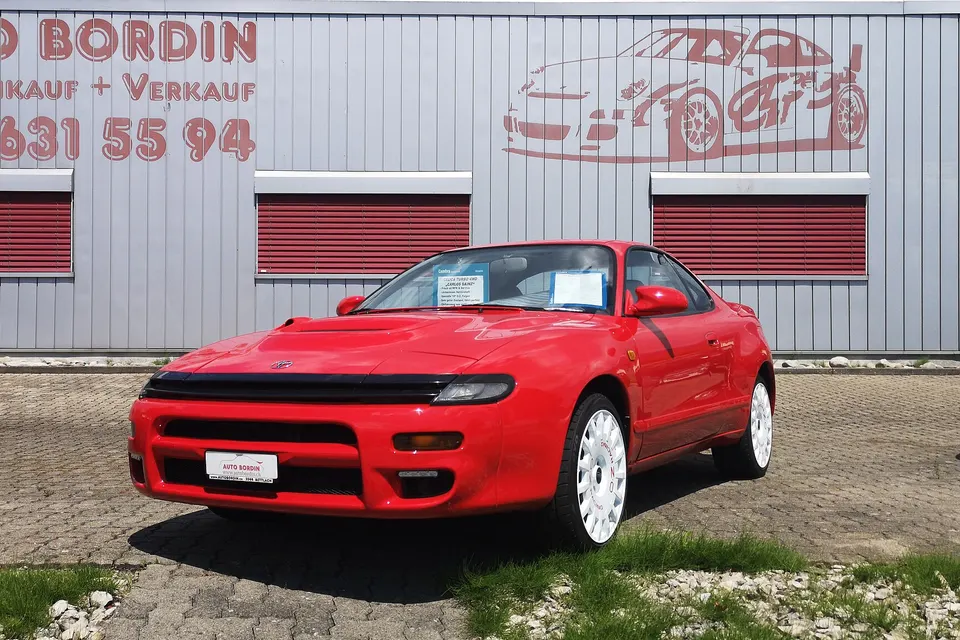
Photo: crash71100 · CC0 1.0 · resized and cropped 1992Celica GT-Four Carlos Sainz (ST185)Named for Toyota’s world rally champion, this limited edition formed part of the 5,000-car ST185 homologation family.[6]→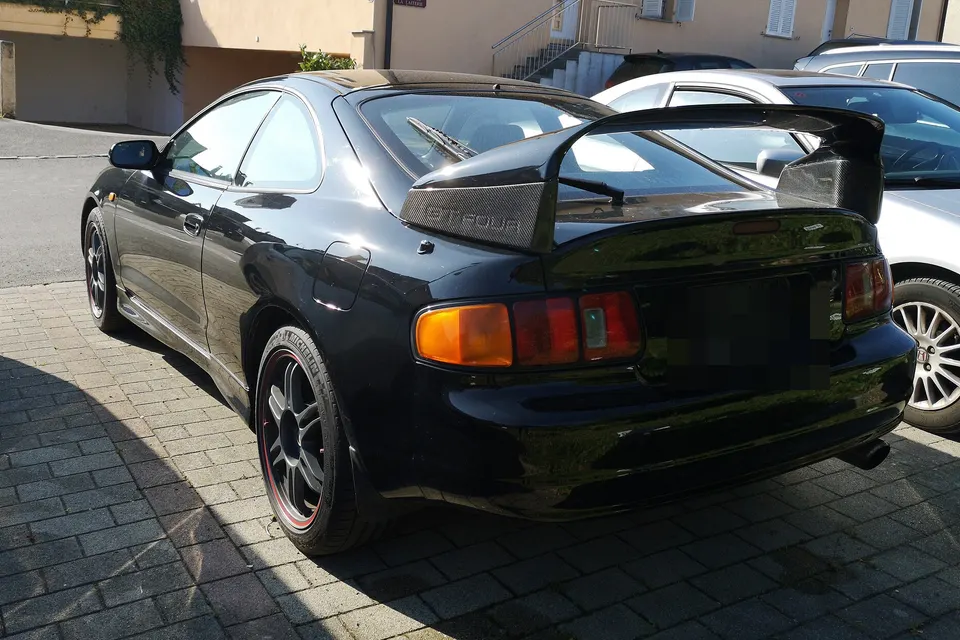
Photo: Guillaume Vachey · CC0 1.0 · resized and cropped · Registration identifier pixelated for privacy. 1994Celica GT-Four (ST205)The ST205 was the final and most powerful factory road-going evolution of the Celica GT-Four line.[4]


Help us hear this car
Share a properly licensed recording of this exact model. Stock and modified cars are both welcome when their configuration is described clearly.
- Cold start
- Acceleration
- Fly-by
Authoritative films
Links pass directly to YouTube. The archive does not host, copy or embed these films.
References
- 01Celica 1600GT vehicle lineageToyota Motor Corporation · accessed 22 September 2026
- 02Toyota 2T-G engine collectionYamaha Motor Co. · accessed 22 September 2026
- 03Toyota launches full-time 4WD Celica GT-FourToyota Motor Corporation · accessed 22 September 2026
- 04Toyota introduces sixth-generation Celica GT-FourToyota Motor Corporation · accessed 22 September 2026
- 051994 Celica GT-Four catalogue specificationToyota Motor Corporation · accessed 22 September 2026
- 06Celica Carlos Sainz archive and technical specificationToyota GB Media · accessed 22 September 2026