Engine redprint / verifiedM840TR 4.0 L twin-turbo V8
4.0 L v8 · twin-turbocharged · M840TR 4.0 L twin-turbo V8Longitudinal mid-engine, rear-wheel driveTopology diagram · not to scale · based on the cited primary sources
The Senna made circuit performance the organising principle of a road-legal Ultimate Series model, coordinating active aerodynamics, hydraulic chassis control and an 800 PS V8.
R / production rarity
How rare is it?
A simple 1–5 rating based on completed worldwide production for this exact version. Price and desirability are not included.
Rarity ratingNot availableNo comparable worldwide production total
Production bandNot available
Production evidenceFuture production plan
ProducedWorldwide total used for the rating500
Allocated standard road-car series
Figure type
Planned
Scope
Standard McLaren Senna road cars, excluding GTR, LM, GTR LM, Can-Am, prototypes and one-offs
The rating uses five fixed production bands. Smaller production runs receive higher ratings. Exact totals and responsibly sourced estimates for this precise version can be rated. Plans, regional totals, lower bounds, disputed figures and broader-family totals remain visible but unclassified. The evidence description is kept separate from the rating so a source limitation cannot change how scarcity is measured.
The Senna integrated active front and rear aerodynamics, RaceActive Chassis Control II and the M840TR V8 around a road-legal track-performance brief[3][4]
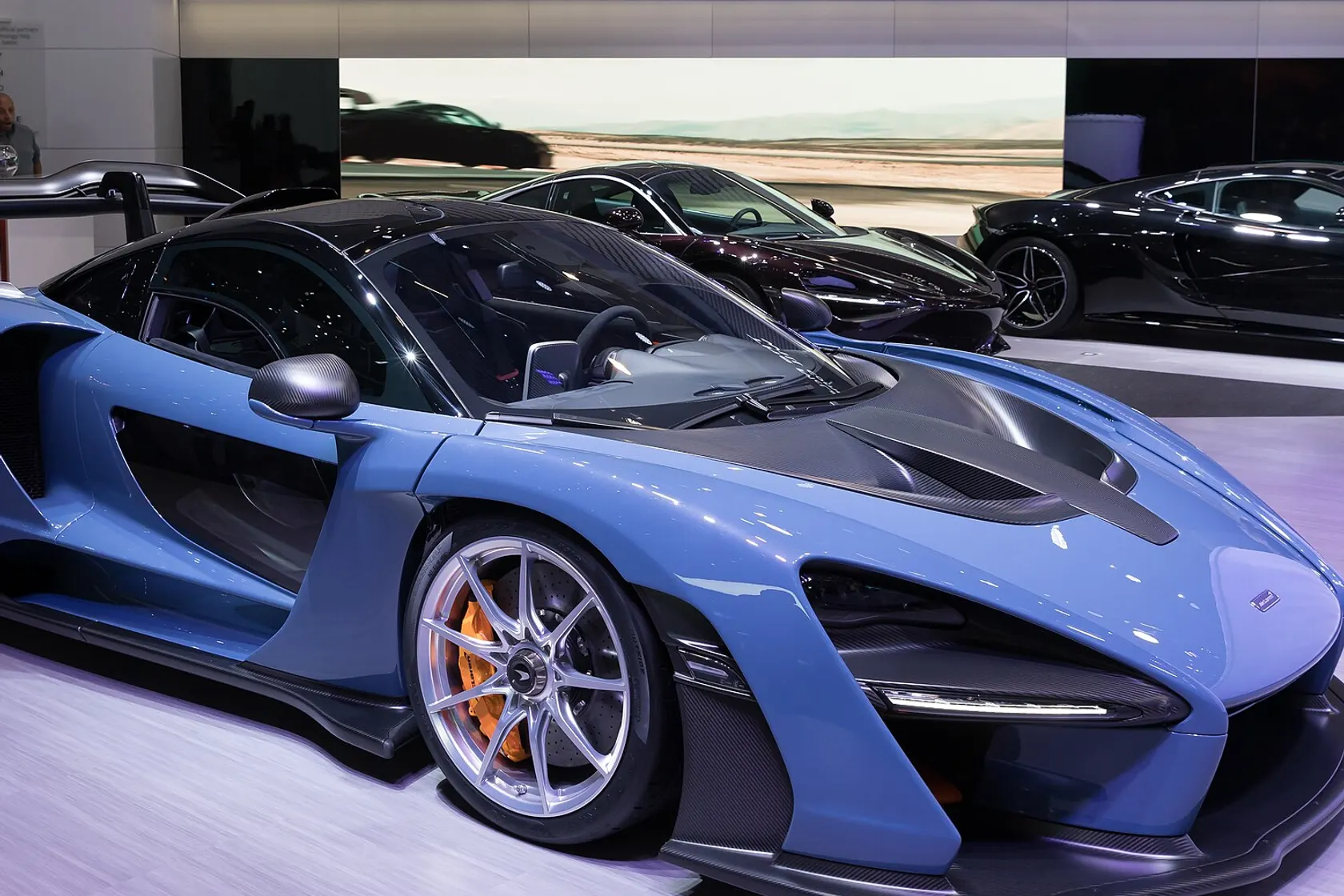
McLaren developed the Senna with lap performance as the central road-car objective, placing it in the Ultimate Series but giving it a different mission from the earlier P1. Its carbon structure, active aerodynamic surfaces and hydraulic chassis systems were coordinated to generate and control substantial load while retaining road registration. The name carried obvious responsibility, but the technical identity does not depend on association alone. The focus here is the standard road car introduced in 2018, not the later track-only or commemorative derivatives.
The M840TR 3,994 cc twin-turbo V8 produces 800 PS, 588 kW and 800 Nm. A seven-speed dual-clutch gearbox sends drive to the rear wheels. McLaren quotes 1,198 kg dry and 1,309 kg under DIN conditions, figures that remain labelled here to avoid misleading cross-comparison. The engine is related to the 720S unit, but revised hardware and calibration, reduced mass, cooling demand and exhaust arrangement belong to the Senna package. Its sound should not be represented by an ordinary Super Series recording.
Active aerodynamics are visible in the large rear wing and front control surfaces, but their importance is dynamic. They alter downforce and balance according to speed, braking and driver demand. RaceActive Chassis Control II changes ride height and support while the carbon structure transmits powertrain and road input with little isolation. An archive recording cannot directly measure aerodynamic load, yet test context matters: road speed, mode, braking and microphone position can explain sounds from actuators, tyres, airflow and suspension that accompany the V8.
Engineering and character
McLaren announced and allocated 500 standard Sennas, and later corporate reporting indicates the series was completed. RevAtlas retains 500 as a planned production figure unless the allocation and completion records are reviewed together as one exact claim. The boundary excludes Senna GTR, GTR LM, LM and Can-Am derivatives, each of which changes eligibility, hardware or production context. It also excludes prototypes and individually commissioned one-offs whose visible specification may not match the standard customer car.
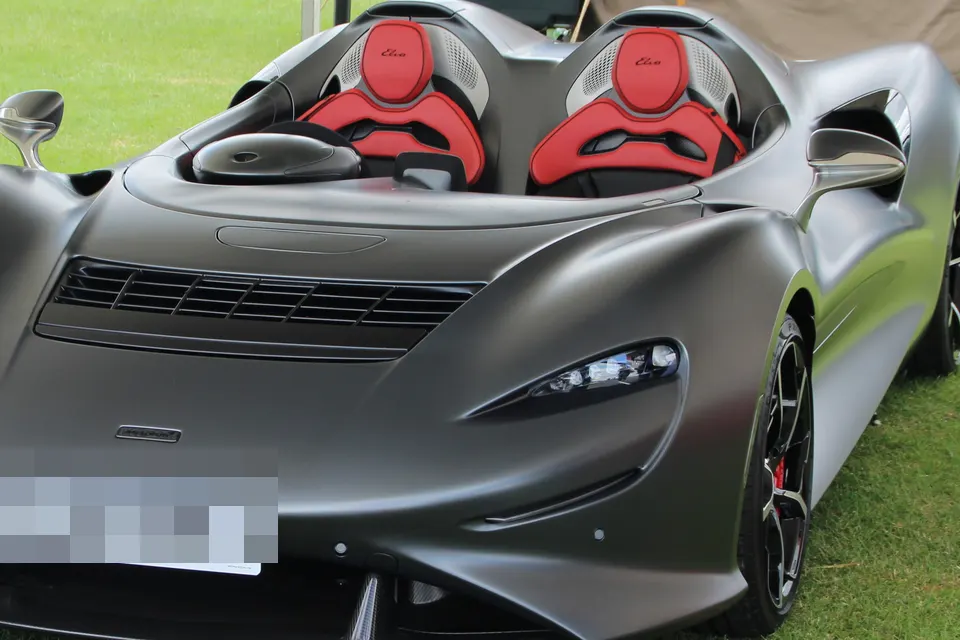
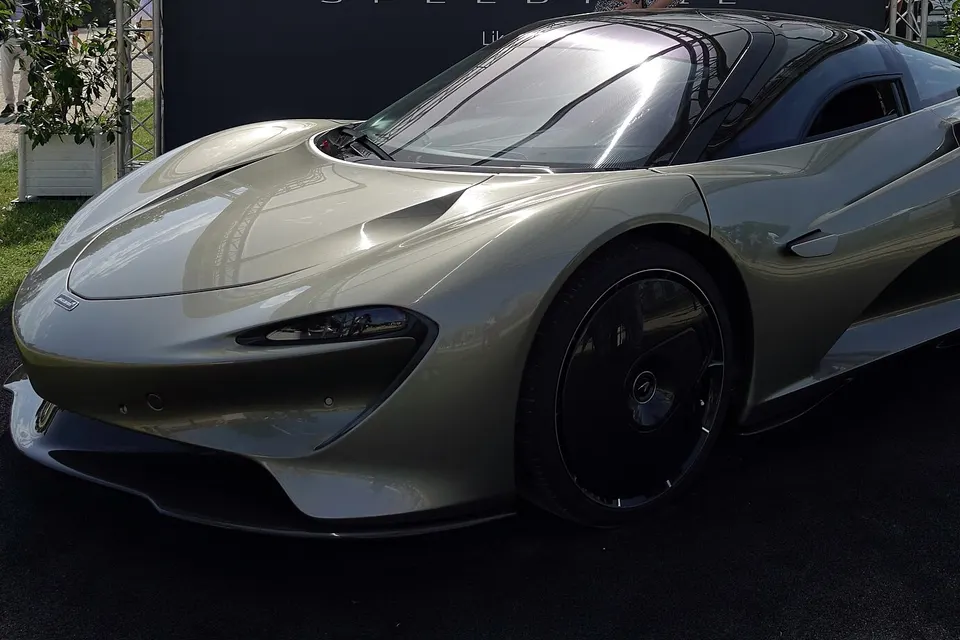
For lineage, the Senna can be compared with the 720S that supplied part of its architectural base, and with Elva and Speedtail inside the Ultimate Series. The contrast is instructive: Senna prioritises downforce and circuit control, Elva removes the roof and manages occupant airflow, while Speedtail pursues low drag and high-speed travel with hybrid assistance. Similar engine-family labels therefore lead to very different acoustic settings. A verified Senna record should document exhaust, catalysts, track equipment, tyres and drive mode before claims are made about factory sound.
The track-only Senna GTR, GTR LM, Senna LM, Can-Am editions, prototypes and bespoke one-offs are excluded. Similar names can cover different engines, transmissions, body styles and production programmes. Keeping those distinctions visible protects the technical record and prevents search traffic from turning a familiar badge into a blended specification that no single production car carried.
Legacy and identity
It works through a 7-speed dual-clutch seamless shift gearbox with rear-wheel drive. Output units remain explicit because manufacturer and independent sources may use bhp, PS or regional horsepower conventions.
For sound documentation, the primary listening markers are M840TR twin-turbo V8, active-aero load changes, seven-speed dual-clutch shifts, rigid carbon-cabin resonance. A cold start must include the uninterrupted crank, first combustion and settling idle, with ambient temperature and vehicle state recorded. Acceleration and fly-by submissions need gear, load, road or closed-course context, microphone position and wind conditions. No recording should be described as factory stock until intake, forced-induction hardware, catalysts, gearbox and silencers have been evidenced.
Period photographs and badges can establish visual context, but they cannot prove mechanical originality. Restoration, service replacement and reversible modification are common across valuable performance cars. RevAtlas therefore records configuration component by component and keeps modified survivors useful without presenting them as untouched references.
01
Model identity
The focus here is the standard 2018 McLaren Senna road car. The track-only Senna GTR, GTR LM, Senna LM, Can-Am editions, prototypes and bespoke one-offs are excluded.
02
Why it matters
The Senna made circuit performance the organising principle of a road-legal Ultimate Series model, coordinating active aerodynamics, hydraulic chassis control and an 800 PS V8.
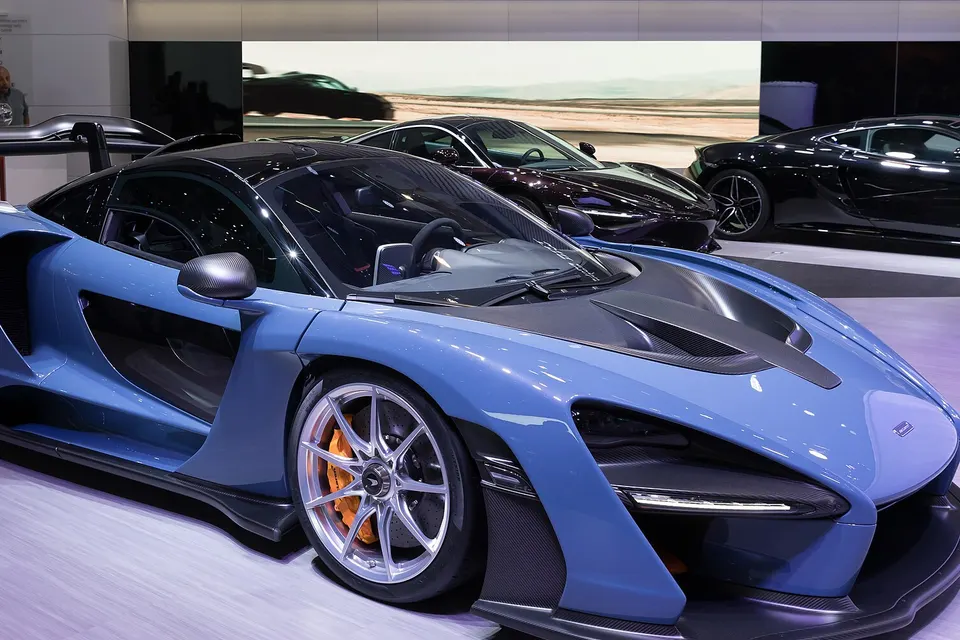
2018Senna (Ultimate Series)Current model: The Senna made circuit performance the organising principle of a road-legal Ultimate Series model, coordinating active aerodynamics, hydraulic chassis control and an 800 PS V8.[3][4]
→
Photo: MrWalkr · CC BY-SA 4.0 · resized and cropped · Registration identifier and identifiable bystanders pixelated for privacy.
2020Elva (Ultimate Series)View passport ↗The Elva gave McLaren’s Ultimate Series a lightweight open-cockpit identity built around active airflow management and the marque’s highest-output non-hybrid road-car V8 tune at launch.[1][2]
2020Speedtail (Ultimate Series)View passport ↗The Speedtail reinterpreted McLaren’s central-seat, three-occupant road-car idea as a hybrid Hyper-GT engineered for low drag and a manufacturer-claimed 403 km/h maximum.[7][8]
06 / contribute sound
Help us hear this car
Share a properly licensed recording of this exact model. Stock and modified cars are both welcome when their configuration is described clearly.