
McLaren · Limited track-focused Longtail supercar · 2020
765LT
Recorded designation · Super Series Longtail- Recorded designation
- Super Series Longtail
- Engine / drive unit
- M840T 4.0 L twin-turbo V8
- Archive no.
- 336
- Sources updated
- 3 October 2026
Help build this passport
Have a recording, source, correction, photo or missing detail for this exact car? Prepare a contribution with the Car ID already selected.
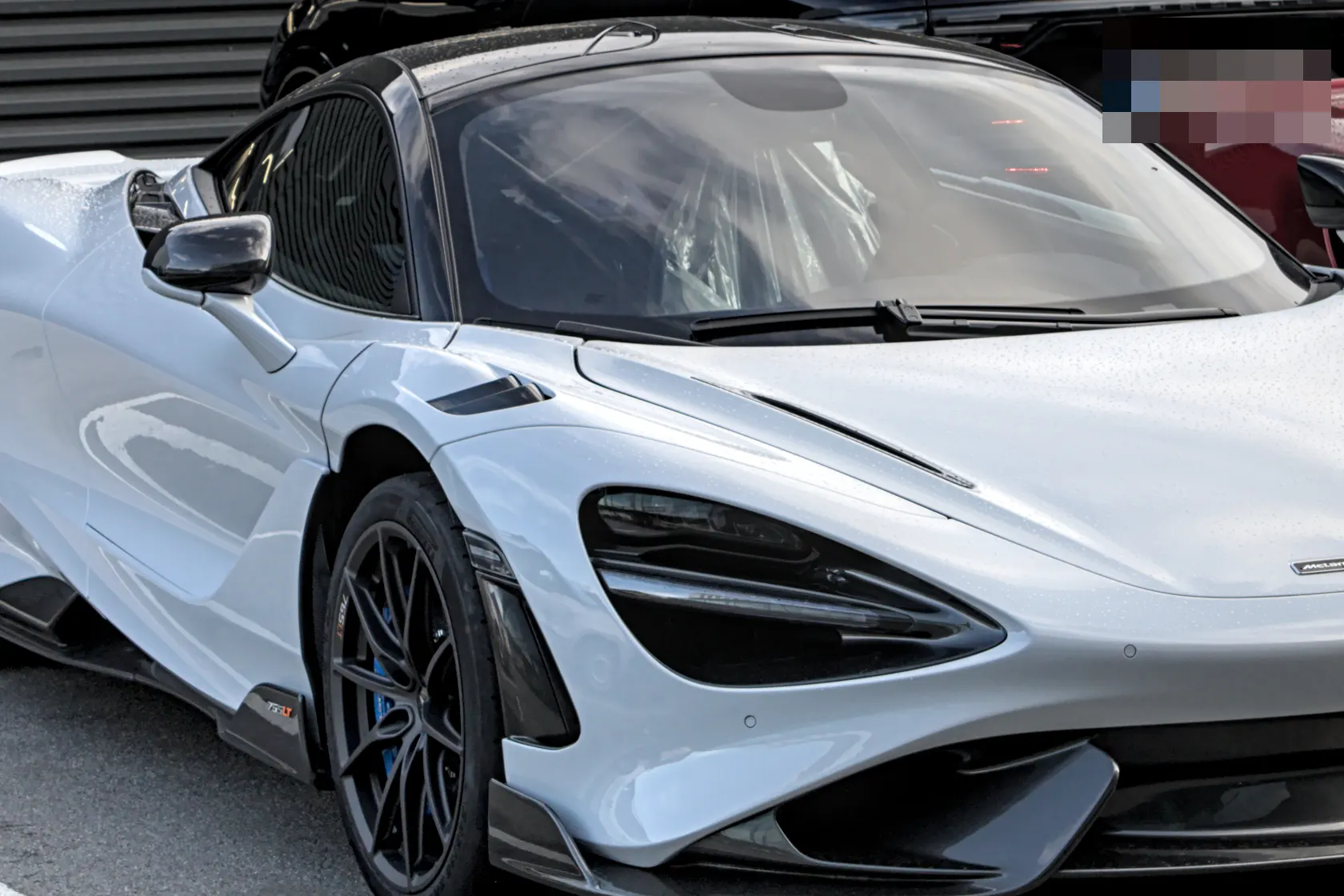
The 765LT applied McLaren’s modern Longtail method to the second-generation Super Series through coordinated power, mass, aero, gearing and chassis changes.
How rare is it?
A simple 1–5 rating based on completed worldwide production for this exact version. Price and desirability are not included.
Individually numbered Coupe allocation
- Figure type
- Planned
- Scope
- 765LT Coupe allocation, excluding the separate 765LT Spider
- Geography / date
- Global · 2020
Not rated: Production not completed
How the rating works
The rating uses five fixed production bands. Smaller production runs receive higher ratings. Exact totals and responsibly sourced estimates for this precise version can be rated. Plans, regional totals, lower bounds, disputed figures and broader-family totals remain visible but unclassified. The evidence description is kept separate from the rating so a source limitation cannot change how scarcity is measured.
- 5/5Fewer than 25 builtUltra rare
- 4/525 to 249 builtVery rare
- 3/5250 to 2,499 builtRare
- 2/52,500 to 24,999 builtLimited production
- 1/525,000 or more builtSeries production
At a glance
What creates the sound
Mechanical, induction, transmission and exhaust sound are best documented separately.
Factory-stock status depends on engine, intake, forced induction, catalysts, gearbox and silencers.
Recordings with uncertain configuration remain visibly marked as Unregistered.
- V8 architecture
- The 765LT reworked the 720S around higher M840T output, shorter gearing, reduced mass, revised suspension, greater downforce and a titanium exhaust
- 7-speed dual-clutch Seamless Shift Gearbox with rear-wheel drive
History and character
Origins and context
The 765LT arrived in 2020 as the Longtail development of the 720S, but McLaren treated the badge as a programme of interacting changes rather than a power upgrade alone. The M840T V8 gained output, the transmission used shorter final-drive gearing, suspension geometry and calibration changed, downforce increased and mass was reduced. A titanium exhaust and thinner glazing contributed to the package. The focus here is the Coupe, preserving the distinction from the later Spider allocation and from competition or MSO derivatives.
McLaren rates the 3,994 cc twin-turbocharged V8 at 765 PS, 563 kW and 800 Nm. Drive reaches the rear wheels through a seven-speed dual-clutch Seamless Shift Gearbox. The manufacturer quotes 1,229 kg for its lightest dry configuration and 1,339 kg under DIN conditions. Those figures describe different conventions, not two contradictory vehicles, so the archive keeps the labels visible. Reduced mass and shorter gearing change how quickly the powertrain moves through its rev range, which is directly relevant to a sound-led identity.
The exhaust outlets sit high in the rear body and use titanium construction, altering both visual and acoustic presentation from the 720S. Turbocharger response, wastegate activity, rapid dual-clutch shifts and the compact exhaust path are useful listening markers. An exterior recording should document drive mode, gear, load and microphone distance because exhaust temperature and active control strategies can change the result. A cabin recording can reveal transmission and intake detail that a loud roadside pass compresses into a shorter event.
Engineering and character
McLaren offered 765 individually numbered Coupe production slots, but allocation language is not automatically a final factory build audit. RevAtlas records the figure as planned production and excludes the separate Spider series. It also avoids treating optional lightweight components as universal equipment: the quoted lightest dry mass depends on configuration. Carbon seats, glazing, audio deletion and MSO choices should be documented when a specific car is used as technical or acoustic evidence.
In lineage, the 765LT follows the 675LT and sits above the 720S from which it was developed. Comparing those cars reveals how McLaren evolved the Longtail idea across two Super Series architectures. The engine family and dual-clutch layout remain related, but displacement, turbo system, structure, suspension and exhaust placement differ. The 765LT is therefore not a louder 720S by default; its valid archive story depends on the complete combination of output, mass, gearing, aerodynamics and chassis response.
The 720S, separately allocated 765LT Spider, GT3 competition cars and MSO one-offs are excluded. Similar names can cover different engines, transmissions, body styles and production programmes. Keeping those distinctions visible protects the technical record and prevents search traffic from turning a familiar badge into a blended specification that no single production car carried.
Legacy and identity
It works through a 7-speed dual-clutch seamless shift gearbox with rear-wheel drive. Output units remain explicit because manufacturer and independent sources may use bhp, PS or regional horsepower conventions.
For sound documentation, the primary listening markers are M840T twin-turbo V8, titanium exhaust pulse, seven-speed dual-clutch shifts, turbocharger response. A cold start must include the uninterrupted crank, first combustion and settling idle, with ambient temperature and vehicle state recorded. Acceleration and fly-by submissions need gear, load, road or closed-course context, microphone position and wind conditions. No recording should be described as factory stock until intake, forced-induction hardware, catalysts, gearbox and silencers have been evidenced.
Period photographs and badges can establish visual context, but they cannot prove mechanical originality. Restoration, service replacement and reversible modification are common across valuable performance cars. RevAtlas therefore records configuration component by component and keeps modified survivors useful without presenting them as untouched references.
Model identity
The focus here is the 2020 765LT Coupe. The 720S, separately allocated 765LT Spider, GT3 competition cars and MSO one-offs are excluded.
Why it matters
The 765LT applied McLaren’s modern Longtail method to the second-generation Super Series through coordinated power, mass, aero, gearing and chassis changes.
Model lineage
2015–2020 · 3 documented milestones
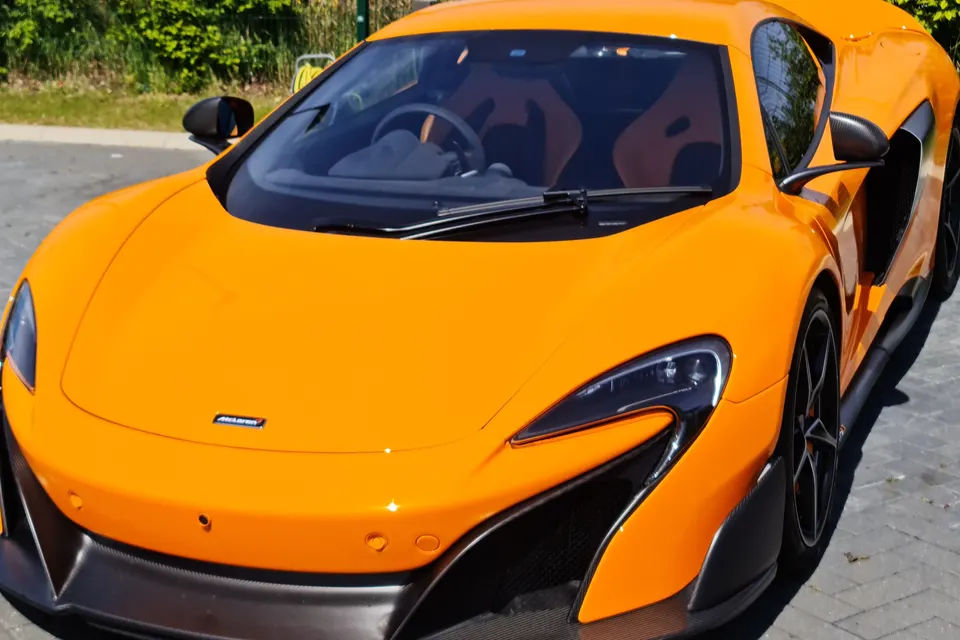
Photo: MrWalkr · CC BY-SA 4.0 · resized and cropped 2015McLaren 675LTThe 675LT established the modern road-going Longtail method that the 765LT developed on the second-generation Super Series.[1]→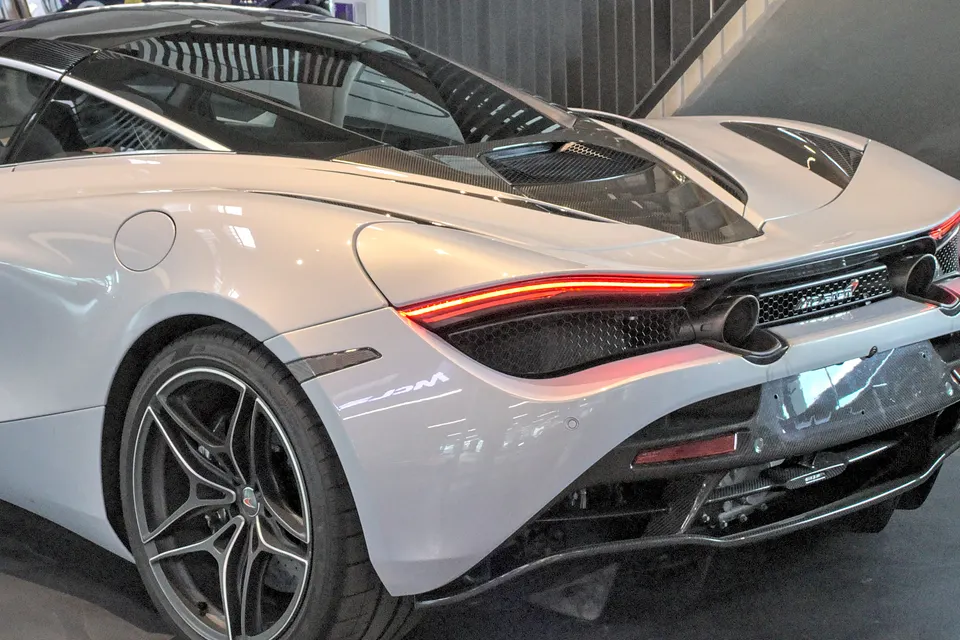
Photo: Alexander Migl · CC BY-SA 4.0 · resized and cropped 2017McLaren 720SThe 720S supplied the core Super Series architecture that the 765LT reworked around power, mass, gearing and aerodynamics.[1]→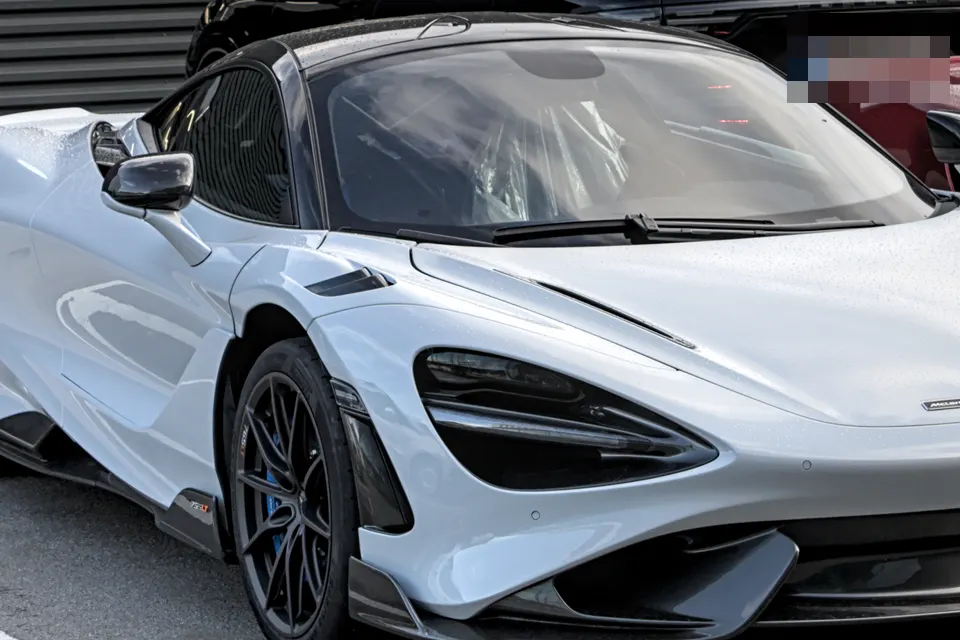
Photo: Alexander Migl · CC BY-SA 4.0 · resized and cropped · Registration identifier and identifiable bystanders pixelated for privacy.


Help us hear this car
Share a properly licensed recording of this exact model. Stock and modified cars are both welcome when their configuration is described clearly.
- Cold start
- Acceleration
- Fly-by
Authoritative films
Links pass directly to YouTube. The archive does not host, copy or embed these films.
References
- 01McLaren 765LT legacy model specificationMcLaren Automotive · accessed 3 October 2026
- 022021 McLaren 765LT first driveCar and Driver · accessed 3 October 2026
- 03McLaren 765LT reviewTop Gear · accessed 3 October 2026
- 04McLaren Group annual report 2022McLaren Group · accessed 3 October 2026